It’s hot. Really hot. If you’ve stepped outside in parts of Sub-Saharan Africa lately, you know exactly what I mean. The sun doesn’t just shine; it bears down. For years, farmers watched their crops wither, feeling helpless as the rain patterns shifted and became unpredictable. But something quiet and powerful is happening in backyards from Zimbabwe to Kenya. It’s not a high-tech drip irrigation system powered by solar panels, though those have their place. It’s dirt. Compost. And a shape that looks like a pie with a slice missing.
You might be wondering, how can a simple mound of earth solve a crisis that baffles engineers? The answer isn’t magic. It’s biology mixed with clever design. In 2026, as water tables drop and climate volatility becomes the new normal, the keyhole garden has moved from a niche permaculture project to a frontline defense against hunger. It’s saving water, yes. But more importantly, it’s saving dignity. It’s allowing families to eat when the markets are empty and the wells are dry. Let’s dig in.
The Anatomy of a Water-Saving Machine
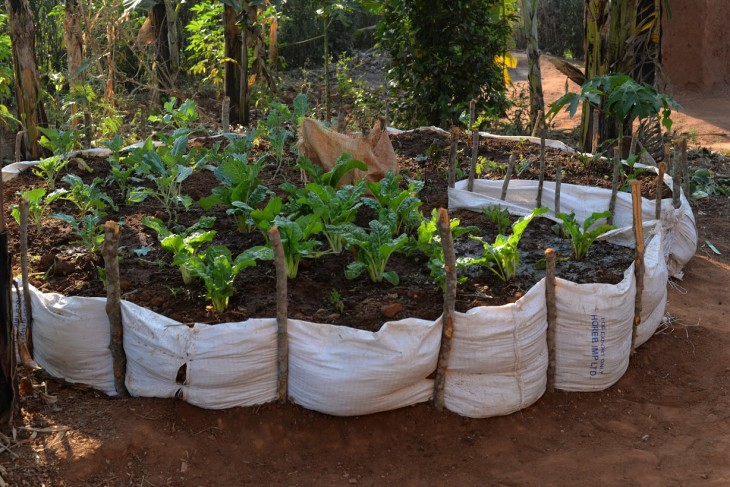
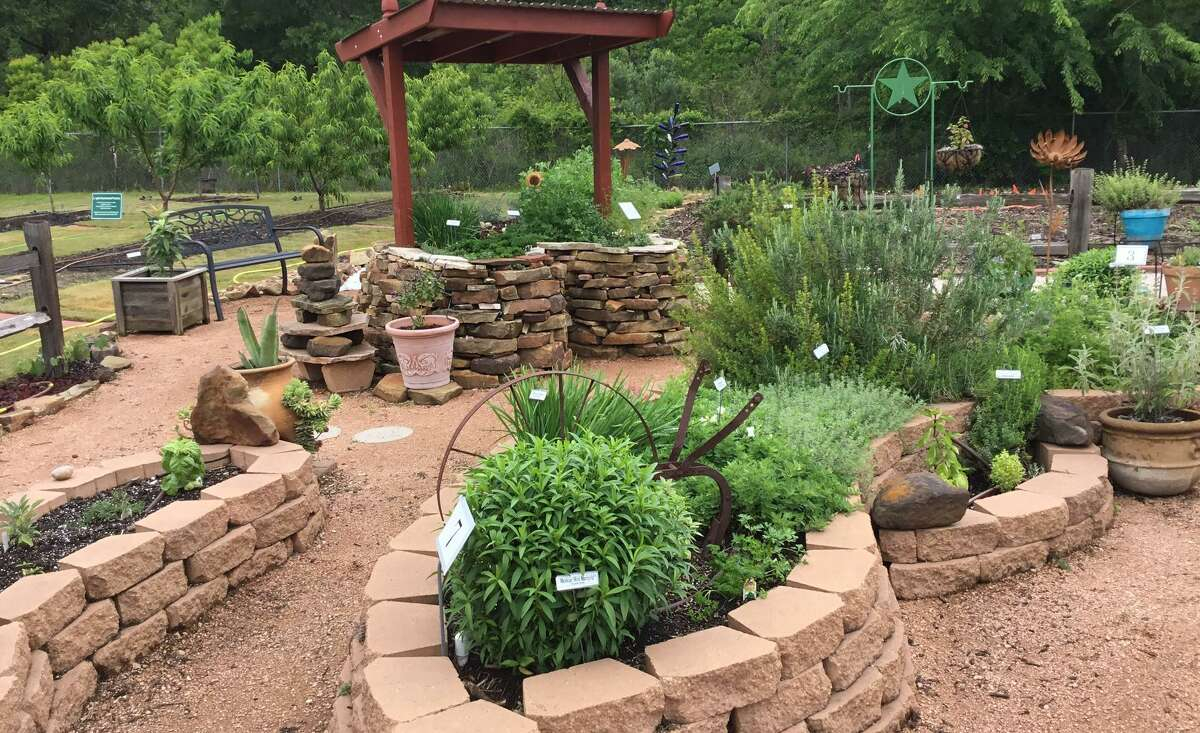
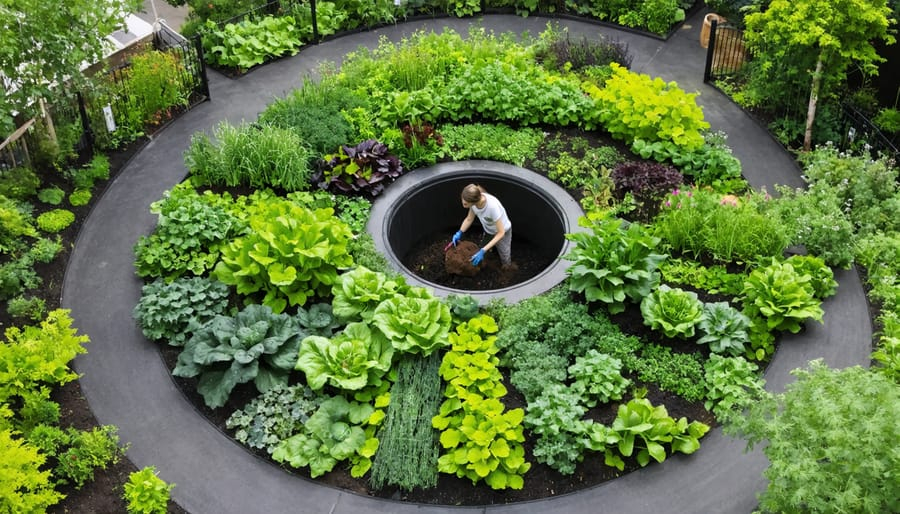
So, what exactly is this thing? Imagine a circular raised bed, about two meters across. That’s roughly six and a half feet. It’s high enough so you don’t have to bend over too much, which is great for older folks or anyone with back pain. Now, picture a notch cut out of one side. That’s the "keyhole." It lets you walk right up to the center without stepping on the soil. Stepping on soil compacts it, and compacted soil hates water. It runs off instead of soaking in.
Inside that circle, right in the middle, is a wire mesh basket or a chimney made of sticks. This is the heart of the system. You don’t plant veggies here. You feed it. Kitchen scraps, greywater from washing dishes, manure, ash—it all goes into the center. As this organic matter breaks down, it creates nutrient-rich liquid that seeps outward into the surrounding soil. It’s like an IV drip for your plants, but instead of saline, it’s pure plant food.
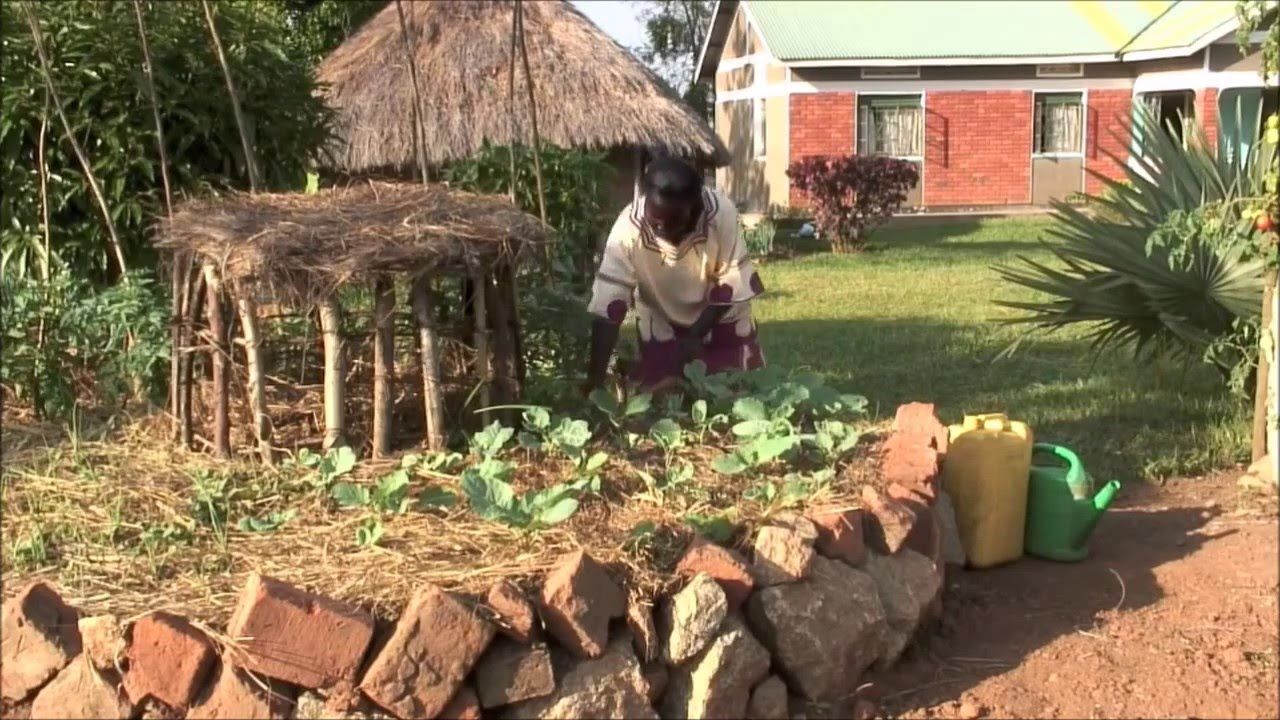
The walls of the garden are usually built with stones, bricks, or even old tires. This isn’t just for looks. These materials hold heat during the day and release it at night, protecting roots from temperature swings. But the real star is the layering. At the bottom, you might have cardboard to stop weeds. Then branches for drainage. Then compost. Then topsoil. This sponge-like structure holds moisture far longer than flat ground ever could. In a region where every drop counts, this design captures and retains water with shocking efficiency.
Why Traditional Farming Struggles in 2026
Let’s look at the context. Why now? Why is this old technique suddenly everywhere in 2026? The rains have changed. For decades, farmers relied on predictable seasonal cycles. Plant when the long rains come. Harvest before the dry season hits. Simple. But climate change has scrambled that calendar. Rain comes in intense bursts that cause flooding and erosion, followed by long, parched stretches where nothing grows.
Traditional row farming exposes a lot of soil surface to the sun. Think about it. If you have a square meter of bare earth between your corn stalks, the sun beats down on it, evaporating any moisture instantly. Wind sweeps across it, drying it out further. In 2026, with average temperatures rising across the continent, this exposure is deadly for crops. Farmers are seeing yields drop by thirty or forty percent compared to ten years ago. It’s devastating.
Plus, water sources are farther away. Women and children often walk hours to fetch water. Carrying heavy buckets back to a field where half the water will evaporate before the plants drink it feels like a losing battle. The frustration is palpable. You work hard, you carry water, and the earth just drinks it up and gives nothing back. This cycle of exhaustion is what keyhole gardens break. They reduce the need for frequent watering by up to seventy percent compared to conventional plots. That’s not just a statistic. That’s hours of life given back to people every week.
The Science of the Sponge Effect
How does it actually hold the water? It’s all about the organic matter. When you mix compost, aged manure, and decomposing leaves into the soil, you create what scientists call "soil aggregates." These are tiny clumps that create pockets of air and space for water to sit. Think of it like a kitchen sponge. A dry, hard block of clay is like a rock—water slides off. But a fluffy, rich compost mix is like a fresh sponge. It soaks up the liquid and holds it tight.
In 2026, researchers from universities in Nairobi and Cape Town have been studying these systems. They found that keyhole gardens maintain soil moisture levels for three to five days longer than adjacent flat gardens after a rainfall or watering event. This is huge. It means if you water on Monday, your plants are still happy on Thursday or Friday. In a traditional plot, they’d be wilting by Tuesday afternoon.
There’s also the cooling effect. The mulch layer on top—usually straw, grass, or leaves—acts like a blanket. It shields the soil from direct sunlight. This keeps the root zone cooler. Plants stressed by heat close their stomata (the tiny pores on leaves) to save water, which stops them from growing. By keeping the roots cool and moist, keyhole gardens keep the plants in growth mode longer. It’s a subtle difference, but over a growing season, it adds up to bigger tomatoes, greener kale, and healthier beans.
Real Stories from the Ground
Meet Amara. She lives in a semi-arid region of Ethiopia. Two years ago, her family struggled to eat during the dry months. They bought expensive vegetables from the market when their own fields failed. Then, a local cooperative taught her how to build a keyhole garden using stones from her field and leftover wood. "I was skeptical," she admits. "It looked like a pile of rubble." But within three months, she was harvesting spinach and carrots.
Amara says the biggest change isn’t just the food. It’s the water usage. "Before, I watered every day. Now, I water every three days, and only a little bit into the center basket." She uses the greywater from her kitchen—water used to rinse rice or wash vegetables—to feed the center. Nothing is wasted. Her neighbors noticed. Now, five other families on her street have built their own. They share seeds. They share tips. It’s created a small community hub.
Then there’s Joseph in Zimbabwe. He’s a retired teacher who wanted to stay active. His keyhole garden is his pride. He’s experimented with adding biochar to his central column to increase carbon storage. "It’s like a laboratory," he laughs. He’s found that his peppers grow larger and spicier than his neighbor’s, who uses conventional methods. Joseph’s story shows that this isn’t just for subsistence. It’s for anyone who wants to grow better food with less effort. These aren’t just anecdotes. They’re proof that the method works in diverse cultures and climates.
Building Your Own in 2026: A Practical Guide
Want to try it? You don’t need a degree in agriculture. You need some basic materials and a weekend. First, pick a spot that gets plenty of sun but is close to your kitchen. Proximity matters. If it’s far away, you won’t use it. Mark out a circle about two meters in diameter. You can use a rope tied to a stake to get the shape right. Don’t forget the keyhole path! It should be wide enough for you to step in comfortably, about sixty centimeters wide.
Next, build the wall. Use whatever you have. Stones are best because they last forever. Bricks work too. Even stacked logs can work for a temporary version. Make it about waist-high, maybe eighty centimeters to a meter. This height helps with drainage and makes it easy to tend. Inside, layer your materials. Start with coarse branches at the bottom for airflow. Add a layer of cardboard or newspaper to suppress weeds. Then, alternate layers of green stuff (grass clippings, veggie scraps) and brown stuff (dry leaves, straw).
The central basket is crucial. Use chicken wire or a mesh cylinder. Fill it with compost and kitchen waste. Top the whole garden with a mix of topsoil and well-rotted manure. Plant your seedlings around the outer edge, where the nutrients seep out strongest. Leafy greens like kale and spinach do great. So do tomatoes and peppers. Avoid planting root vegetables like carrots right next to the center, as the soil might be too rich and loose for them initially. Water the center basket regularly. That’s it. You’re done.
This isn’t just about individual gardens. It’s about resilience. In 2026, governments and NGOs are starting to take notice. Why? Because keyhole gardens are scalable. You can have one in a urban backyard in Lagos or a rural village in Malawi. They don’t require expensive inputs. No plastic pipes. No electric pumps. No imported fertilizers. This makes them immune to supply chain disruptions, which have been a major issue in recent years.
From a climate perspective, these gardens are carbon sinks. The heavy use of compost and organic matter pulls carbon out of the atmosphere and locks it into the soil. While one garden won’t stop global warming, millions of them make a dent. Plus, they reduce the need for deforestation. When people can grow food efficiently in small spaces, they don’t need to clear new land for farming. It protects the existing ecosystems.
There’s also a social empowerment angle. Women, who are often the primary food growers in many African households, gain control over their food supply. They don’t have to wait for rain. They don’t have to beg for resources. They create abundance from waste. This shifts power dynamics. It builds confidence. In 2026, we’re seeing women-led cooperatives selling surplus produce from keyhole gardens at local markets. It’s turning survival into enterprise. It’s turning scarcity into opportunity.
So, where does this leave us? The keyhole garden is a simple tool, but its impact is profound. It addresses water scarcity, food insecurity, and climate adaptation all at once. It’s not a silver bullet for every agricultural problem, but for millions of people facing dry spells and uncertain futures, it’s a lifeline. It reminds us that sometimes the best solutions aren’t the most complex ones. They’re the ones that work with nature, not against it.
As we move further into 2026, the spread of this technique offers hope. It shows that innovation doesn’t always mean new technology. Sometimes, it means remembering old wisdom and applying it with fresh eyes. If you have a patch of dirt and a bucket of kitchen scraps, you have the start of a solution. It’s messy. It’s imperfect. But it works. And in a world that’s getting thirstier by the day, that’s something worth celebrating. Go ahead. Get your hands dirty. You might just find that the earth has more to give than you thought.