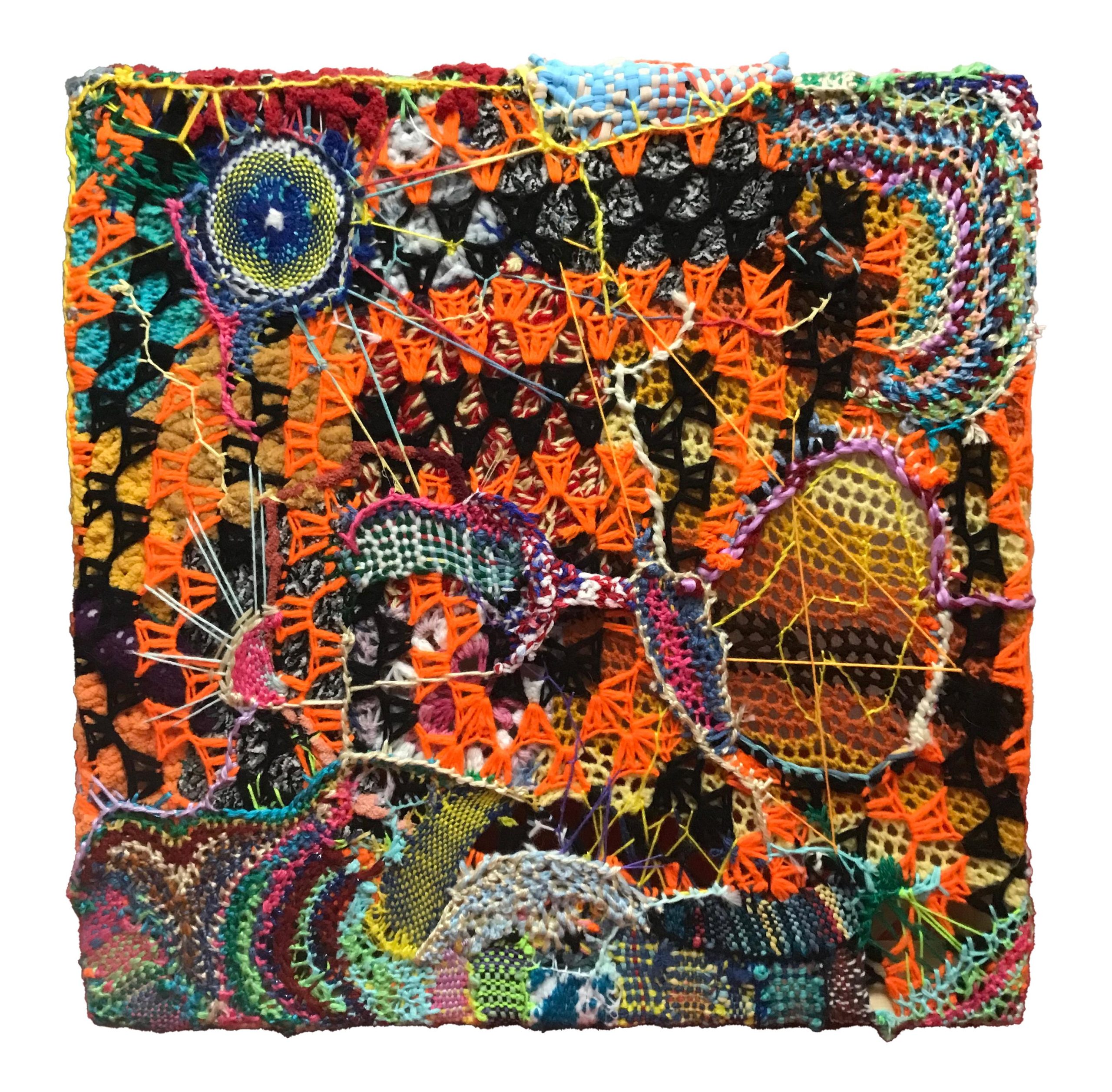
Ever walked into a room and felt… nothing? The walls were bare, or maybe they held some generic print that looked like it came from a hotel chain’s bulk order. It’s cold. It’s safe. But it isn’t you. Now imagine walking into a space where the walls seem to hug you back. Not literally, obviously. But there’s a warmth. A texture. A story woven into the very fabric hanging there. That’s the power of textile wall art. It’s not just decoration; it’s an extension of your skin, your mood, your life.
In 2026, we’re seeing a massive shift away from sterile, perfect interiors. People are tired of scrolling through endless feeds of identical minimalist apartments. We crave depth. We want things that feel handmade, even if they aren’t. We want our homes to tell the truth about how we live, not just how we wish we lived. And nothing does that quite like fabric on the wall. It softens the hard edges of modern life. It absorbs sound. It changes with the light. It’s alive in a way paper never is.
So, how do you choose pieces that don’t just look good, but feel right? It’s not about matching your sofa. Please, stop doing that. It’s about matching your soul. Your routine. Your quiet moments and your loud ones. Let’s dig into how you can curate a collection of textile art that actually reflects the person you are, day in and day out.
Start With Your Vibe, Not Your Paint Color
Most people get it backwards. They pick the paint first, then the furniture, and finally, they scramble to find art that doesn’t clash. This is a recipe for a boring home. When you start with textile art, you’re starting with emotion. Think about how you want to feel when you walk through your door after a long day. Do you want to be energized? Calmed? Inspired? Challenged?
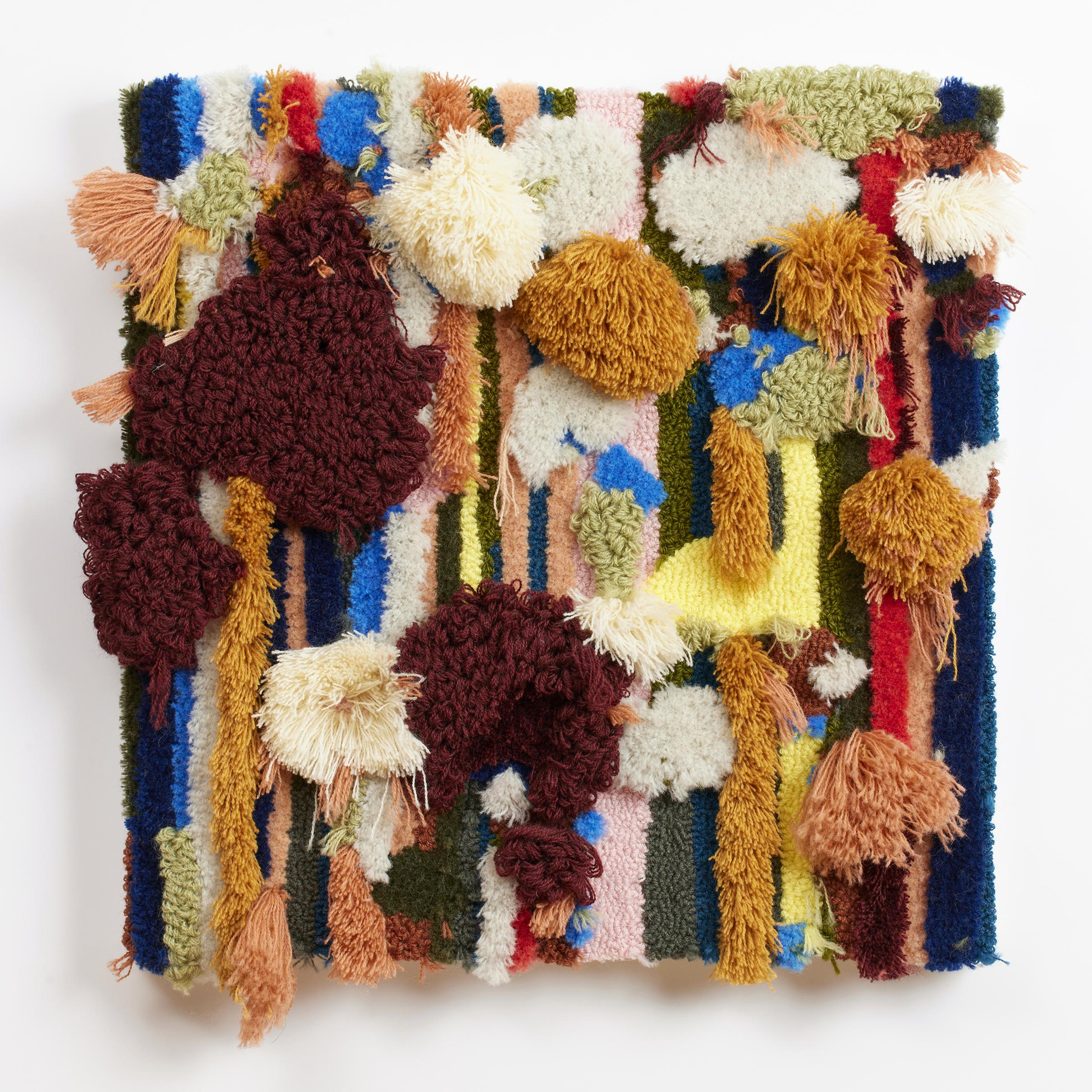
If you’re a high-energy creative who thrives on chaos and color, a beige linen tapestry might put you to sleep. You need vibrancy. Look for bold, hand-dyed silks or vibrant woven rugs hung as art. Think of the rich, saturated hues of Moroccan textiles or the electric patterns of West African kente cloth. These pieces shout. They demand attention. They match a lifestyle that is fast, loud, and full of movement. On the flip side, if your days are spent in high-stress meetings and your nights are for decompression, you probably don’t want visual noise. You want sanctuary.
Consider the subtle weave of natural fibers. Unbleached cotton, raw wool, or hemp. These materials have a quiet dignity. They don’t scream for attention; they invite you to lean in and look closer. The texture becomes the art. In 2026, there’s a huge appreciation for "slow decor"—pieces that take time to make and time to appreciate. If your lifestyle is about mindfulness and slowing down, let your walls reflect that. Choose neutral tones with intricate, subtle textures that change as the daylight moves across the room. It’s not about being bland; it’s about being peaceful.
Ask yourself: What is the dominant emotion of my daily life? Is it frantic? Serene? Joyful? Melancholic? There’s no wrong answer. The key is honesty. If you’re grieving, maybe you need soft, enveloping fabrics in cool tones. If you’re celebrating a new chapter, maybe you need bright, optimistic prints. Let the art hold space for where you are right now, not where you think you should be.
Match the Material to Your Movement
Textiles are tactile. They invite touch. But they also react to their environment. This is crucial when thinking about your lifestyle. Are you a person who cooks elaborate meals every night? Do you have kids who treat walls as climbing frames? Do you live in a humid coastal town or a dry desert climate? The material you choose needs to survive your life, not just decorate it.
For the busy family hub, durability is king. You might love delicate silk, but if it’s going in the hallway where backpacks fly by, it’s going to get destroyed. Instead, look for heavy-duty canvas prints or tightly woven wool tapestries. These materials can take a beating. They can be vacuumed. They can handle accidental bumps. In recent years, advancements in fabric technology have made canvas art incredibly resilient while still maintaining that soft, textured look that paper posters lack. The subtle weave gives every image depth, softening light and enriching tones in ways that flat prints simply can’t.
If you’re a minimalist professional who keeps a tidy, controlled environment, you have more freedom. You can explore delicate lace, sheer organza, or fine embroidery. These pieces thrive in low-traffic areas where they can be appreciated up close. They reflect a lifestyle that values precision and care. But be honest with yourself. If you’re messy, don’t buy fragile. It’ll just stress you out. There’s a certain beauty in imperfection, sure, but there’s also beauty in choosing materials that align with your actual habits, not your idealized ones.
Consider maintenance too. Some textiles need dry cleaning. Others can be spot-cleaned. If you’re someone who hates chores, don’t buy high-maintenance art. Look for synthetic blends that resist stains and dust. If you love the ritual of care, then go for the natural fibers that need occasional brushing or airing out. The art should fit into your routine, not add to your burden. It’s about harmony. When the material matches your movement, the art feels like it belongs there. It becomes part of the background hum of your home, not a fragile obstacle you have to navigate around.
Let Your Values Hang on the Wall
What do you care about? Seriously. What makes you angry? What makes you hopeful? Your values are a huge part of your lifestyle, and they should be visible in your home. In 2026, consumers are more conscious than ever about where their stuff comes from. Choosing textile art is a powerful way to signal what matters to you.
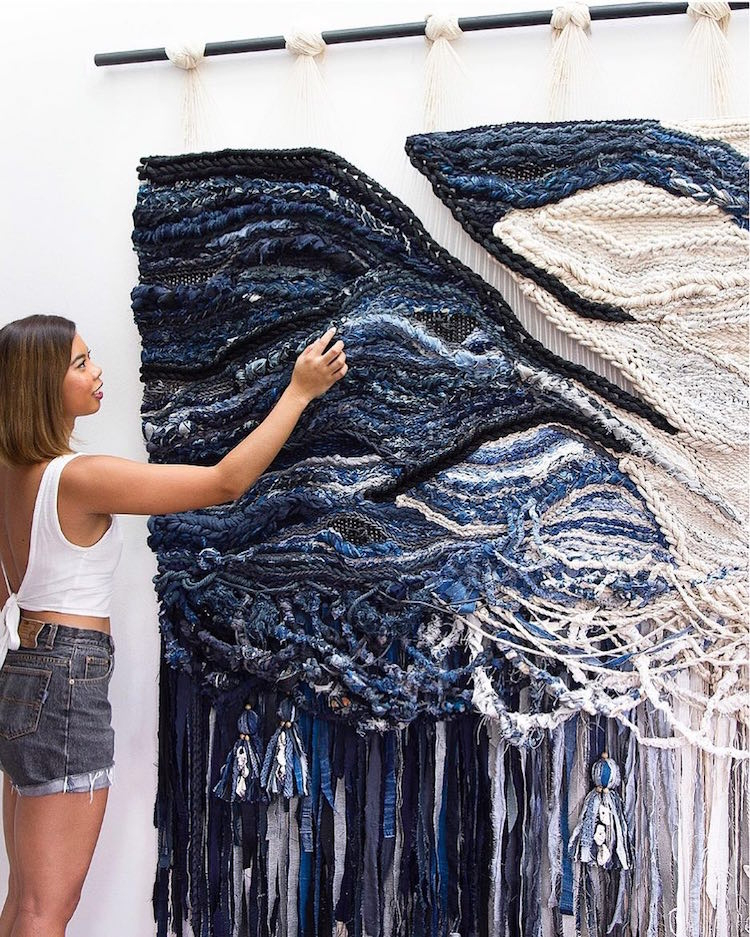
If sustainability is core to your identity, look for artists who use recycled materials or organic dyes. There’s a growing market for upcycled textile art—pieces made from old saris, discarded denim, or repurposed industrial fabrics. These pieces carry a history. They tell a story of renewal. Hanging one of these isn’t just an aesthetic choice; it’s a statement. It says, "I value resourcefulness. I care about the planet." It connects your daily living space to your broader ethical stance.
Maybe you value cultural connection. Are you drawn to your heritage? Or perhaps you’re a traveler who loves collecting stories from around the world. Textile art is deeply rooted in culture. From Indonesian batiks to Peruvian weavings, these pieces carry centuries of tradition. Buying directly from artisans or fair-trade organizations supports those communities. It brings a piece of that culture into your home with respect and intention. It’s not just "exotic decor"; it’s a bridge. It reminds you of the places you’ve been or the roots you come from.
On the other hand, if you value innovation and modernity, look for contemporary textile artists who are pushing boundaries. Maybe they’re using 3D-printed fabrics or digital weaving techniques. These pieces reflect a forward-thinking mindset. They show that you’re engaged with the present and the future. The point is, don’t just pick something because it’s pretty. Pick something because it resonates with what you believe. When your values are woven into your walls, your home becomes a place of integrity. It feels authentic. And that’s a rare thing these days.
Scale and Space: Reading Your Room’s Energy
You’ve picked the vibe, the material, and the value. Now, where does it go? And how big should it be? This is where many people stumble. They buy a tiny piece for a huge wall, and it looks lost. Or they cram a massive tapestry into a small nook, and it feels suffocating. Scale is about energy flow. It’s about how the art interacts with the space and your body.
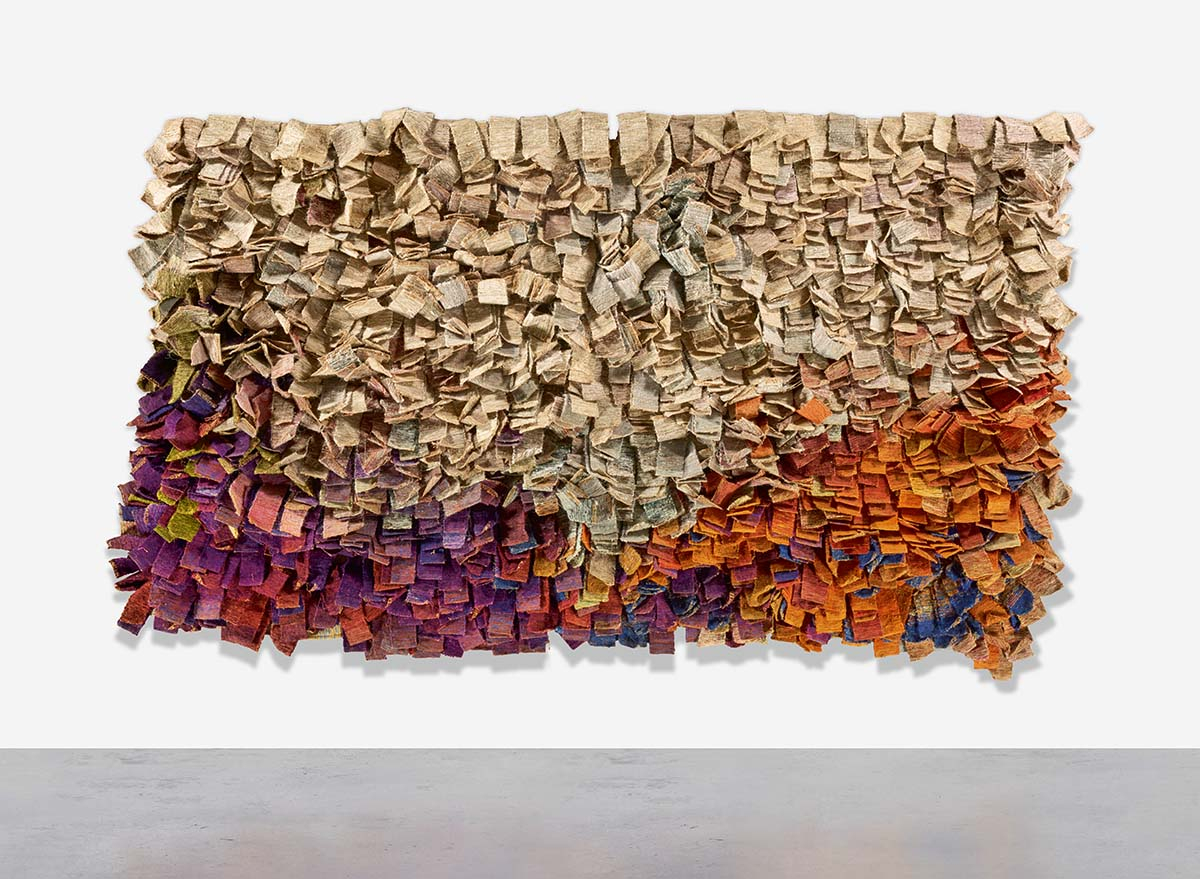
Start by looking at the wall itself. Is it a focal point, like above a sofa or bed? Or is it a transitional space, like a hallway? For focal points, you want presence. A large-scale textile piece can anchor a room. It creates a sense of stability. If you’re someone who likes to entertain, a large, conversation-starting piece above the sofa sets the tone. It gives guests something to talk about. It shows confidence. Don’t be afraid to go big. In fact, in 2026, oversized textile art is trending because it creates that immersive, gallery-like feel in residential spaces.
For smaller spaces, think intimacy. A small, detailed embroidery in a reading nook invites you to sit and stare. It’s personal. It’s for you, not for an audience. This reflects a lifestyle that values solitude and introspection. If you’re an introvert recharging after social battery drain, these small, intricate pieces can be incredibly comforting. They reward close inspection. They’re like secrets hidden in plain sight.
Also, consider the height. Eye level is standard, but why stick to standards? If you want to create a sense of grandeur, hang a piece higher. If you want to create a cozy, grounded feeling, hang it lower. Think about how you move through the room. Do you sit? Stand? Walk past quickly? The art should meet you where you are. If you spend most of your time sitting on the floor (maybe you have young kids or you practice yoga), hang the art lower so it’s visible from that perspective. It’s about designing for your actual life, not a magazine spread.
Color Psychology: Feeling the Hue
Color isn’t just visual; it’s emotional. It affects your mood, your energy, and even your sleep. When choosing textile wall art, think about the psychological impact of the colors you’re bringing in. This isn’t about matching the curtains. It’s about managing your internal state.
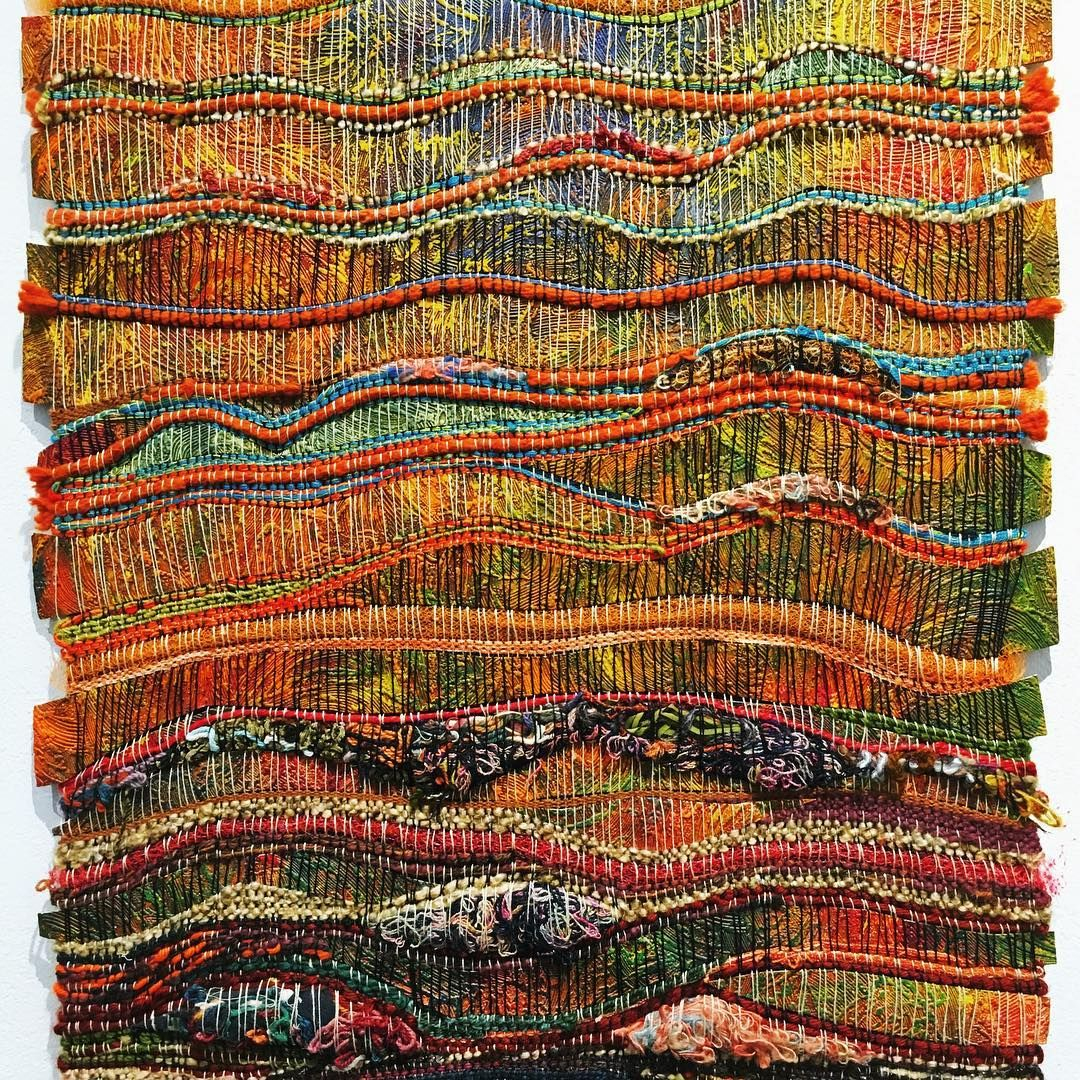
Warm colors—reds, oranges, yellows—stimulate. They raise your heart rate. They’re great for social spaces, dining rooms, or creative studios. If your lifestyle involves hosting dinner parties or working on energetic projects, these hues can fuel that activity. A vibrant red woven piece can make a room feel alive and urgent. But be careful. Too much warmth in a bedroom can make it hard to wind down. It’s about balance.
Cool colors—blues, greens, purples—calm. They lower blood pressure. They’re ideal for bedrooms, bathrooms, or meditation spaces. If your life is hectic, bringing in cool-toned textile art can create a visual brake. A soft blue linen tapestry can feel like a deep breath. It signals to your brain that it’s time to rest. In 2026, with burnout rates high, many people are intentionally using cool-toned art to create sanctuaries of calm within their homes.
Neutrals aren’t boring; they’re grounding. Whites, beiges, grays, and browns provide a backdrop for the mind to rest. They’re flexible. They allow other elements in the room to shine. If your lifestyle is cluttered or chaotic, neutral textile art can provide visual relief. It creates space. But don’t forget texture. In neutrals, texture is everything. A white-on-white embroidered piece can be stunning because the shadows and highlights create depth without adding visual noise.
Don’t be afraid to mix. Maybe you need a calming blue bedroom but want a pop of energy. A small, vibrant accent piece can do that. It’s about curating your emotional landscape. Think of your walls as a mood board for your life. What feelings do you need more of? What feelings do you need less of? Let the colors guide you.
Here’s the truth: You are not static. Your lifestyle changes. Your tastes evolve. Your values shift. Your wall art should reflect that journey. Don’t feel pressured to finish your collection in a weekend. In fact, it’s better if you don’t. Curating is a process. It’s a dialogue between you and your space.
Start with one piece. Live with it. See how it feels. Does it still resonate after a month? After a year? If yes, great. If no, maybe it’s time to let it go. There’s no shame in changing your mind. Your home should be a living document of your life, not a museum exhibit frozen in time. As you grow, your art should grow with you. Maybe you start with bold, chaotic pieces in your twenties, reflecting a time of exploration. In your thirties, you might gravitate towards more structured, meaningful works as you settle into your career and relationships. In later years, you might prefer serene, reflective pieces that honor memory and peace.
Look for opportunities to add layers. Maybe you find a small textile fragment on your travels. Frame it. Add it to a gallery wall. Maybe you inherit a quilt from a grandmother. Hang it with pride. These additions tell the story of your life’s timeline. They make your home unique. No one else will have your exact combination of experiences and objects.
Also, consider rotation. You don’t have to keep the same art up forever. Swap pieces between rooms. Put summer textiles up in the spring. Bring out warmer, heavier weaves in the winter. This keeps your space feeling fresh and aligned with the seasons. It’s a simple way to refresh your environment without buying new things. It reflects a lifestyle that is adaptable and responsive to change.
In the end, choosing textile wall art is about listening. Listening to your instincts. Listening to your needs. Listening to the story you want to tell. It’s not about following trends or impressing guests. It’s about creating a space that feels like home. A space that holds you. A space that reflects the beautiful, messy, evolving reality of your life. So, take your time. Touch the fabrics. Feel the weights. Ask the questions. And let your walls speak your truth.