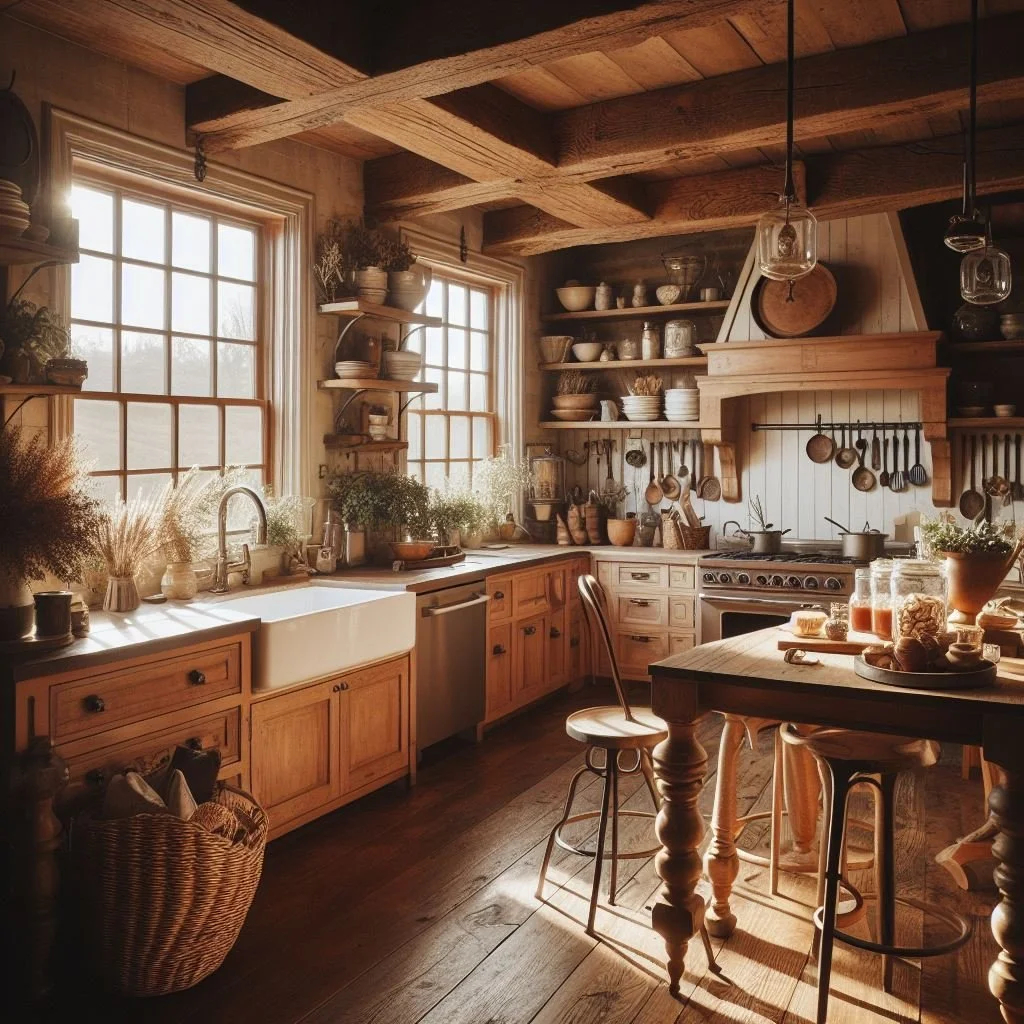
Ever walked into a kitchen that felt like a hug? You know the one. It’s got that smell of old timber, maybe a hint of rosemary drying on the counter, but it doesn’t feel dusty or dated. It feels alive. Then you look down and see this gorgeous, cool slab of stone that looks like it was pulled straight from a mountain peak. That contrast? That’s the magic. It’s not just about slapping some barn wood next to a granite countertop and calling it a day. It’s a dance. A delicate, sometimes tricky, but utterly rewarding dance between the raw and the refined.
In 2026, we’re seeing a huge shift. People are tired of the sterile, all-white boxes that dominated the last decade. They want soul. They want materials that tell a story. But they also don’t want to sacrifice function or that sleek, modern ease of cleaning. So, how do you marry the rugged charm of raw wood with the polished elegance of stone without your kitchen looking like a confused mishmash? It’s simpler than you think, but it requires a keen eye for balance. Let’s dive into the nuts and bolts of making these two heavy hitters play nice together.
Understanding the Texture Dialogue
First things first, you gotta understand what each material is saying. Wood is warm. It’s inviting. It absorbs light and sound, making a space feel softer. Stone, on the other hand, is cool. It reflects light. It’s hard, unyielding, and often loud in terms of visual presence. When you put them together, you’re creating a conversation. If both are shouting, you get chaos. If one whispers too much, it gets lost. The goal is a harmonious dialogue.
Think about the grain. Raw wood has movement. Knots, swirls, cracks—it’s unpredictable. Sleek stone, especially honed marble or quartzite, often has a more subtle, flowing pattern. Or it might be solid and uniform. You need to decide which one is the star. If your wood is wildly grained, like reclaimed oak with lots of character, pair it with a stone that’s quieter. Maybe a soft, veined limestone or a solid-colored soapstone. This lets the wood shine without fighting for attention.
On the flip side, if you’ve got a stunning slab of exotic granite with bold veins, keep the wood simple. Shaker-style cabinets in a muted walnut or even painted wood with a visible grain underneath can work wonders. The key is contrast, but not conflict. In recent surveys from interior design trends in early 2026, homeowners reported higher satisfaction when they limited their "busy" materials to just one focal point per zone. So, let the wood be the texture king, and let the stone be the sleek queen. Or vice versa. Just don’t let them both wear the crown at the same time.
Choosing Your Materials Wisely
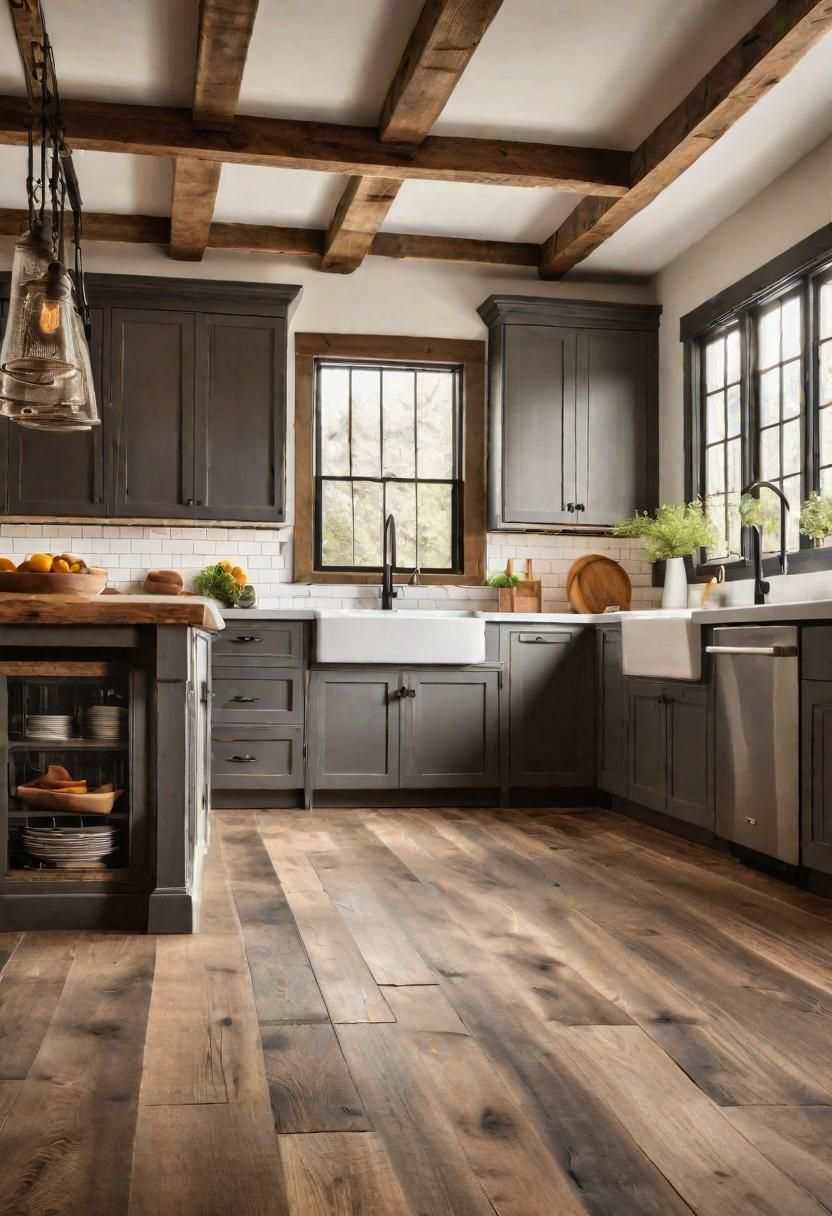
Not all wood is created equal, and neither is stone. This seems obvious, but it’s where most folks trip up. For raw wood, you’re likely looking at open shelving, island cladding, or maybe exposed beams. You want species that age well. White oak is a favorite right now because it’s durable and has a neutral tone that plays nice with almost any stone. Walnut adds richness and depth, perfect for darker, moodier kitchens. Avoid softwoods like pine for high-traffic areas unless you’re okay with dents and dings telling your life story. And honestly? Sometimes that’s exactly what you want.
For the stone, durability is key. Marble is breathtaking, but it etches. If you’re the type who leaves lemon juice on the counter, maybe skip the Carrara. Quartzite is a fantastic alternative. It looks like marble but is much harder. Soapstone is another contender. It’s matte, smooth, and develops a patina over time that complements the aging process of raw wood beautifully. In fact, soapstone and oiled wood share a similar maintenance rhythm, which makes them best friends in a practical sense.
Don’t forget about the finish. "Raw" wood usually means an oil or wax finish, not polyurethane. This keeps it feeling natural to the touch. For stone, "sleek" doesn’t always mean high-gloss polish. A honed finish is often better for rustic settings. It’s softer, less reflective, and hides fingerprints better. Plus, it bridges the gap between the matte nature of oiled wood and the hard surface of stone. It’s the middle ground that holds the whole look together. Make sure you sample these finishes in your actual kitchen light. Daylight vs. evening LED can change everything.
Strategic Placement and Proportion
Where you put these materials matters just as much as what you choose. A common mistake is trying to use wood and stone everywhere. Cabinets in wood, counters in stone, backsplash in stone, floor in wood… it’s too much. Your eye doesn’t know where to rest. Instead, think about zones. Use stone for the wet and hot zones—around the sink and stove. It’s practical and creates a clean, hygienic feel. Use wood for the prep zones or storage areas. Open shelves in raw wood above a stone counter create a lovely frame.
Proportion is your secret weapon. The 80/20 rule works well here. Let one material dominate about 80% of the visual space, and use the other for the remaining 20% as an accent. If you have wooden cabinets, maybe just the island top is stone. Or if you have stone countertops, maybe only the range hood surround is wood. This asymmetry creates interest. It feels intentional, not accidental. In 2026, we’re seeing a lot of "floating" wood elements against stone walls. Think a thick, raw wood shelf cantilevered off a full-height stone backsplash. It’s dramatic and modern, yet still rooted in rustic tradition.
Also, consider the vertical vs. horizontal balance. Wood on the floor (wide plank) grounds the space. Stone on the counters keeps it elevated. If you put wood on the walls and stone on the floor, it can feel cave-like and cold. Flip it, and it feels airy. Play with these orientations. Sketch it out. Use painter’s tape to mark where the materials will go. Live with it for a few days. See how the light hits it. Does the wood feel too heavy? Break it up with some open stone shelving or glass fronts.
Color Harmony and Tone Matching
Color can make or break this combo. You don’t need to match them perfectly—in fact, please don’t. But they need to belong in the same family. Warm woods like cherry or teak pair beautifully with warm stones like travertine, cream marble, or tan quartzite. Cool woods like ash or gray-washed oak vibe well with cooler stones like blue-gray slate, white marble with gray veins, or concrete-look quartz.
If you’re mixing warm and cool, you need a bridge. Metal hardware is a great way to do this. Brass or gold tones warm up cool stone and complement warm wood. Matte black anchors both and adds a modern edge. Nickel is neutral and works with almost anything. Think of the metal as the diplomat in this negotiation. It smooths over the differences.
Lighting plays a huge role in color perception too. Warm bulbs (2700K-3000K) enhance the reds and yellows in wood and stone. Cool bulbs (4000K+) bring out the blues and grays. For a rustic kitchen, stick to warm lighting. It makes the wood glow and the stone feel less clinical. Test your stone and wood samples under the actual lights you plan to install. You’d be surprised how much a stone can shift from creamy to pinkish under different temps. Get it wrong, and your kitchen might look perpetually sunset-soaked or oddly sterile. Aim for cozy. Always aim for cozy.
Lighting and Hardware as Unifiers
We touched on hardware, but let’s dig deeper. Handles, knobs, and faucets are the jewelry of the kitchen. In a rustic setting, you want pieces that feel substantial. Thin, delicate handles can get lost against thick wood and heavy stone. Go for chunky pulls in forged iron, brushed brass, or even leather-wrapped metals. These materials echo the natural vibes of wood and stone. They add another layer of texture without introducing a new, clashing element.
Lighting fixtures should also bridge the gap. A chandelier with wooden beads and metal frames ties the two main materials together visually. Pendant lights over an island with stone tops and wood bases? Perfect. The light fixture becomes the visual connector. It tells the eye, "These two things belong together." Don’t underestimate the power of a well-placed lamp either. A small table lamp on a stone counter with a wood base adds intimacy and reinforces the material palette in a subtle, everyday way.
Layer your light. Ambient, task, and accent. Under-cabinet lighting is crucial for stone counters to prevent shadowy work zones. But make sure the light doesn’t glare off the stone. If you have polished stone, angle the lights carefully. If you have honed stone, you have more flexibility. Use dimmers. Rustic kitchens are for living, not just cooking. Being able to dial down the lights in the evening makes the wood feel warmer and the stone feel softer. It transforms the room from a workspace to a gathering spot.
Let’s be real. Raw wood and natural stone require love. They aren’t plastic laminate. If you’re not willing to maintain them, this look isn’t for you. But honestly, the maintenance is part of the appeal. It’s a ritual. Oiling your wood countertops or shelves every few months keeps them hydrated and beautiful. It’s a chance to connect with your home. Sealing your stone regularly protects it from stains. Most modern sealers are easy to apply and last a year or more.
Embrace the patina. Scratches on wood add character. Etch marks on marble tell the story of dinners past. This isn’t a showroom; it’s your kitchen. In 2026, there’s a growing movement called "perfectly imperfect" living. People are rejecting the idea that homes need to look untouched. They want spaces that age gracefully with them. So, don’t panic when a wine ring appears on the stone. Clean it, reseal if needed, and move on. Don’t cry over a dent in the wood. Sand it lightly, re-oil, and let it blend in.
Create a care kit. Keep a bottle of wood oil, a stone cleaner, and some microfiber cloths in a convenient spot. Make it easy to do the right thing. Teach your family how to care for these surfaces. It becomes a shared responsibility, a way of respecting the materials. And when you do, these surfaces will last decades. They’ll outlast trends. They’ll outlast appliances. They become the soul of your home, getting better and more personal with every year. That’s the real value of choosing raw and natural. It’s an investment in memory, not just aesthetics.
So, there you have it. Balancing raw wood and sleek stone isn’t about following rigid rules. It’s about listening to the materials. It’s about finding that sweet spot where warmth meets cool, where rough meets smooth. It’s about creating a space that feels grounded yet elevated. Start small if you’re nervous. Swap out a countertop. Add some open shelves. See how it feels. Trust your instincts. And remember, the best kitchens aren’t the ones that look perfect in a magazine. They’re the ones that feel like home the moment you walk in. Now, go make something beautiful. And maybe spill a little wine on the counter. It’ll just add to the story.