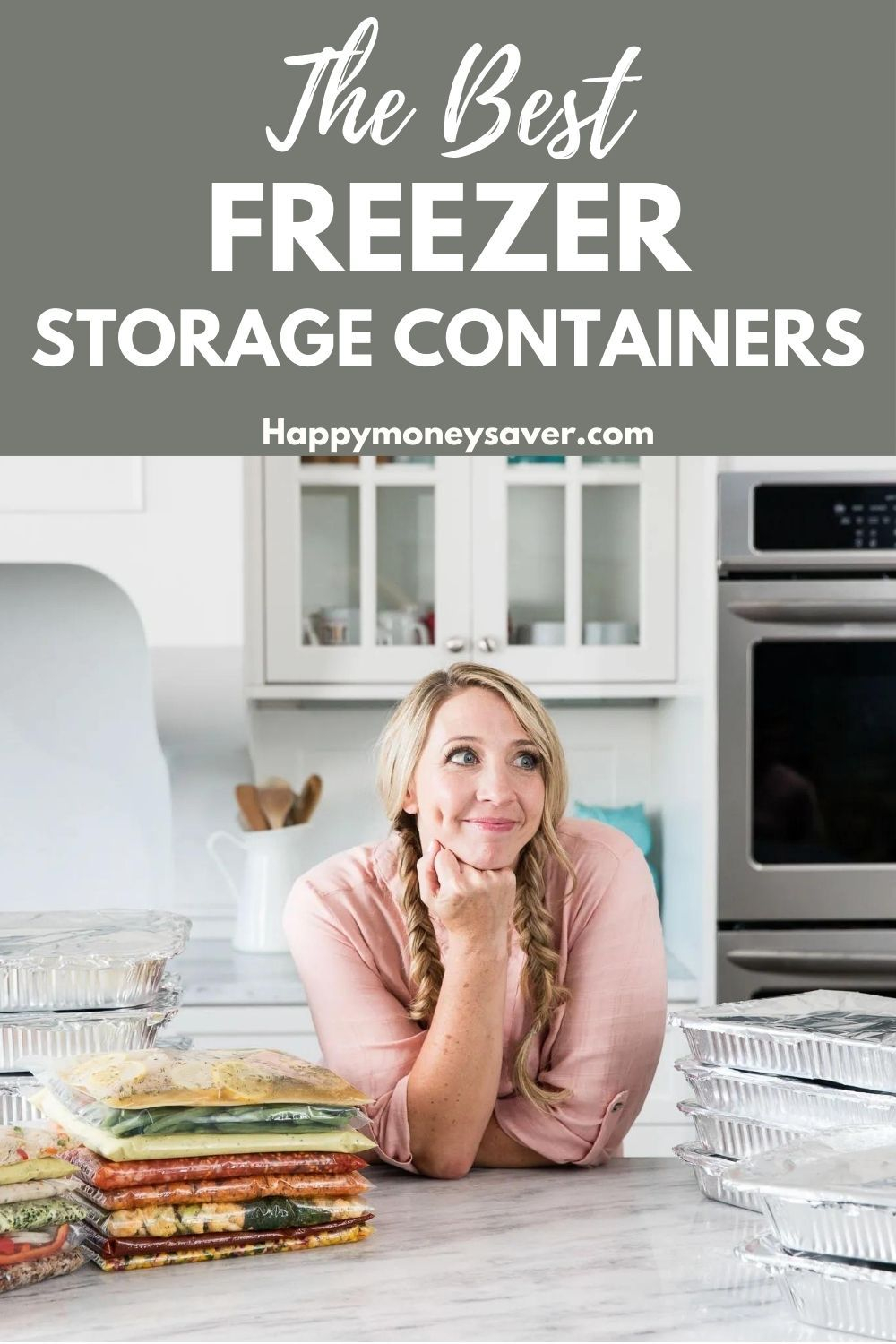
Ever opened your freezer door, stared into the icy abyss, and felt a wave of dread? You know the feeling. That bag of spinach from last November is buried under a mountain of unrecognizable ice blocks. Somewhere in there is a steak you bought on sale three months ago, but good luck finding it before it gets freezer burn. It’s messy, it’s stressful, and honestly, it’s expensive. We’ve all been there.
But what if your freezer wasn’t a black hole for forgotten groceries? What if it was actually helpful? Imagine opening that door and seeing exactly what you have, where it is, and knowing nothing is going to go to waste. It sounds like a dream, right? But it’s totally doable. And the secret isn’t buying a new fridge or spending hours scrubbing. It’s just about using the right bins and having a simple system. Let’s fix that freezer chaos together.
Why Your Freezer Is Probably a Mess (And Why It Costs You)
Let’s be real for a second. Most of us treat our freezers like storage units for things we don’t want to deal with right now. Toss it in, shut the door, problem solved. Until it’s not. The problem isn’t that you’re bad at organizing. It’s that freezers are tricky. They’re cold, dark, and often shaped weirdly. Without a plan, items slide around, get pushed to the back, and vanish.
This chaos has a price tag. In 2026, food prices are still no joke. Throwing away a bag of frozen berries or a pack of chicken because it got lost in the shuffle is literally throwing money in the trash. Studies show that the average household wastes a significant amount of food annually, and a huge chunk of that happens because we forget what we have. A disorganized freezer makes it hard to see what needs to be eaten first. So, we buy duplicates. We order takeout because we “don’t have anything.” It’s a vicious cycle.
But here’s the good news. You don’t need to be a professional organizer to fix this. You just need to understand why the mess happens. It’s usually a lack of visibility and structure. When everything is loose, nothing stays put. Bags tear. Boxes get crushed. By adding structure—specifically, bins—you create zones. You create visibility. And when you can see your food, you eat your food. Simple as that.
Choosing the Right Bins for Your Freezer Type
Not all freezers are created equal. You’ve got uprights with shelves, chest freezers that are basically deep caves, and those drawer-style ones in modern fridges. The bins you choose need to match your specific setup. If you try to use deep, narrow bins in a shallow drawer, they won’t fit. If you use flimsy plastic in a chest freezer, they might crack when you’re digging around. So, let’s talk gear.
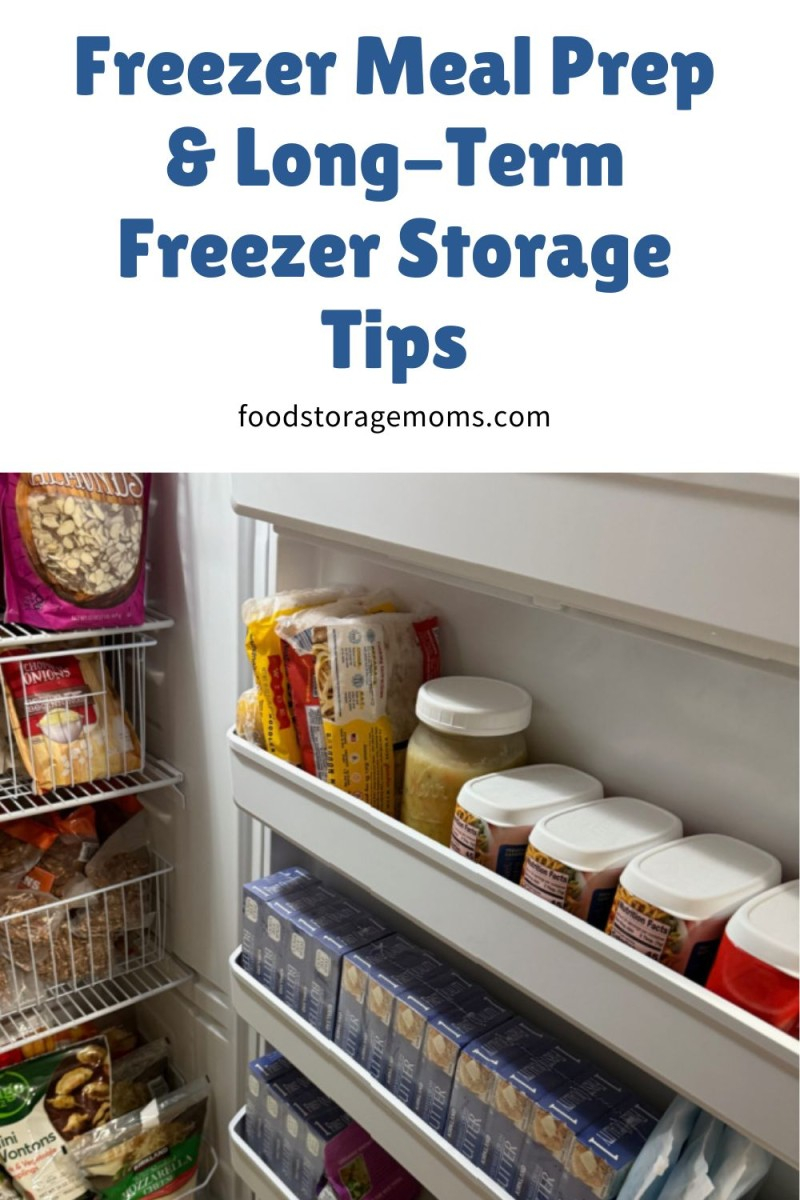
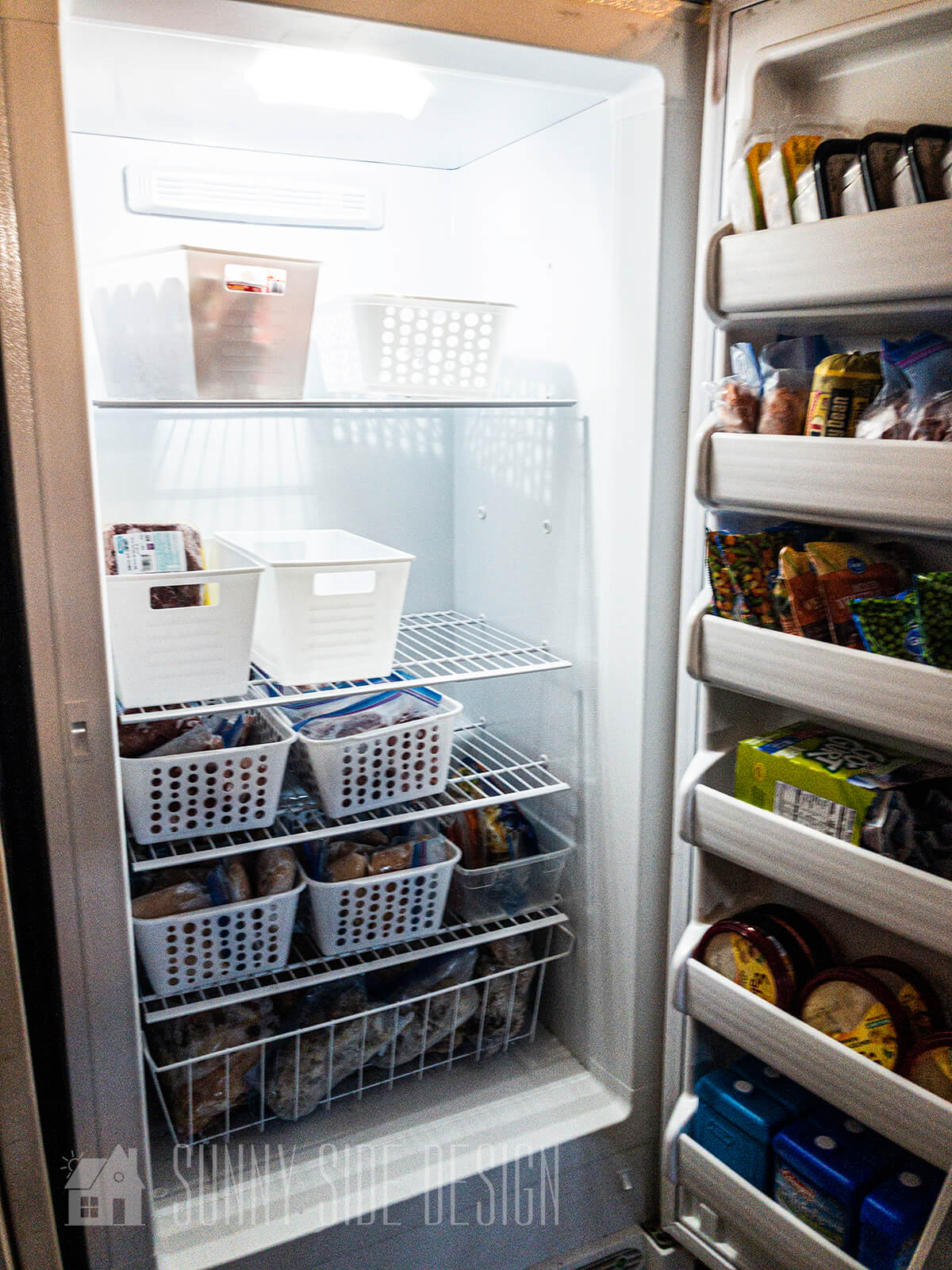
For upright freezers, clear, stackable bins are your best friend. Look for ones that are rectangular and maximize shelf space. You want bins that can hold similar items together—like all the veggies in one, all the fruits in another. Clear plastic is key here. You need to see what’s inside without pulling every bin out. Adjustable dividers can also help if you have odd-shaped items. Make sure the bins are freezer-safe, meaning they won’t get brittle and shatter at zero degrees.
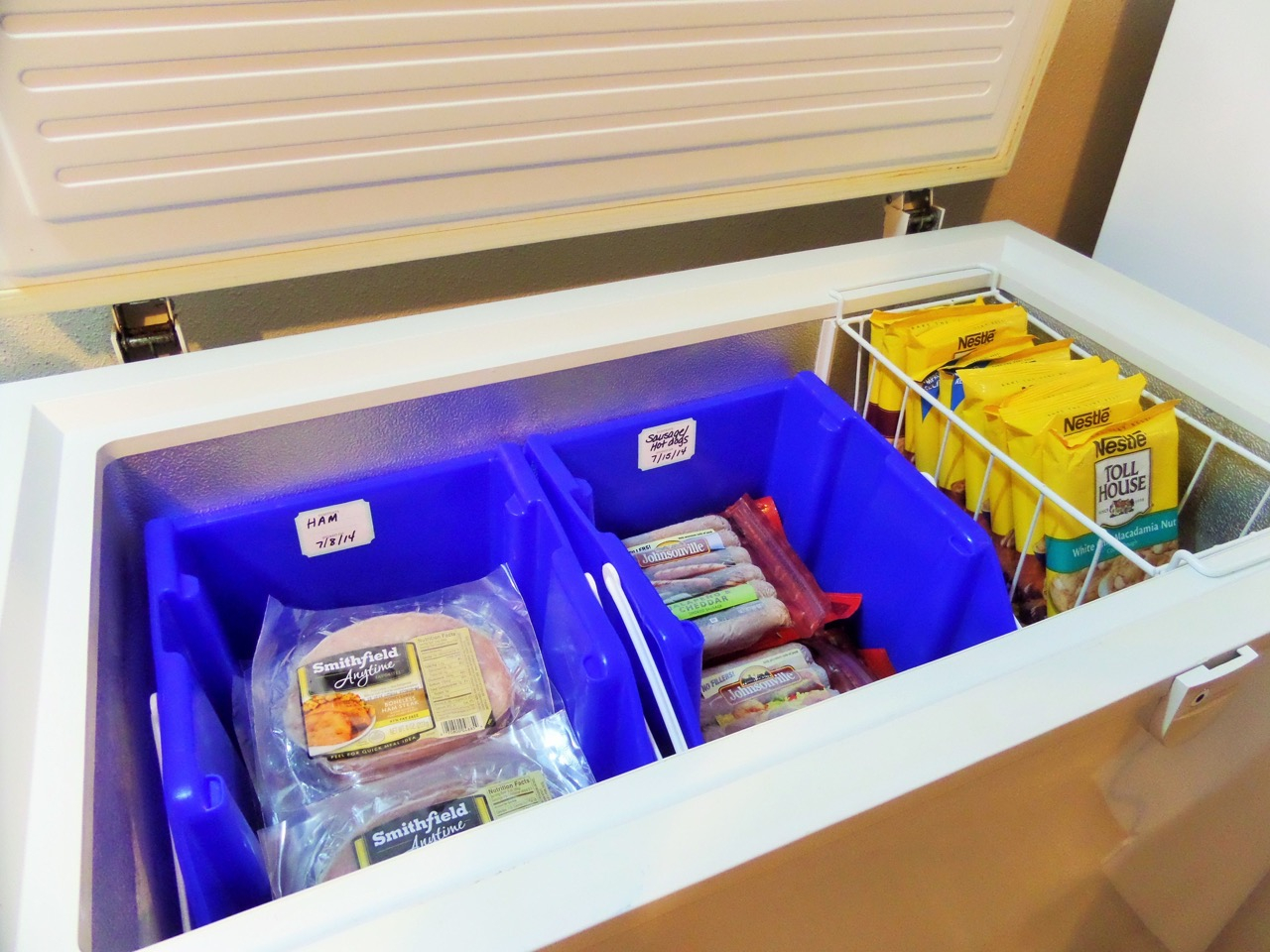
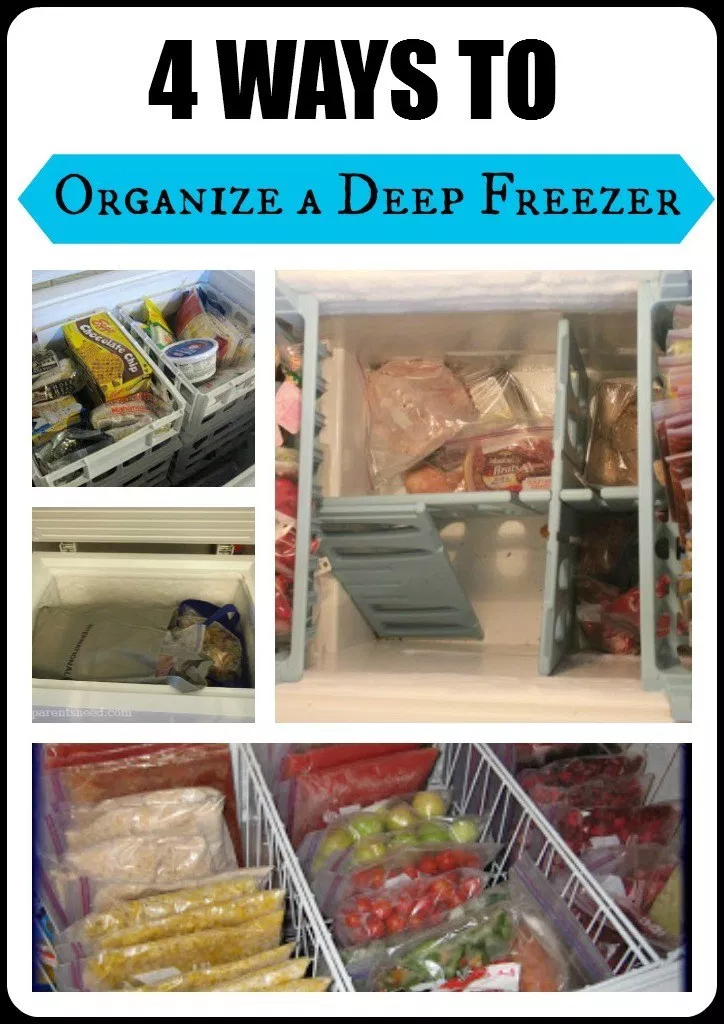
Chest freezers are a different beast. Since you’re looking down into them, you want bins with handles. You’ll be lifting them out to see what’s underneath. Wire baskets work great here because they allow cold air to circulate better than solid plastic, which can sometimes insulate the food too much. For drawer freezers, low-profile bins are essential. You want containers that slide easily and don’t block the drawer from closing. Measure your space first. Nothing is more frustrating than buying bins that don’t fit.
The Great Purge: Starting Fresh
Before you can organize, you have to declutter. I know, it’s daunting. But you can’t organize a mess. You need a blank canvas. So, pick a day when you have an hour or two. Bring a cooler with ice packs. Yes, really. You’re going to take everything out. Every single item. As you pull things out, check the dates. If it’s older than six months and you don’t remember what it is, toss it. Be ruthless.
While the freezer is empty, give it a quick wipe down. You don’t need harsh chemicals. Just warm soapy water and a cloth. Remove any ice buildup. This is also a great time to check the seals on the door. If they’re cracked, your freezer is working harder than it needs to, which wastes energy and leads to more frost. A clean, dry freezer is the perfect base for your new system.
Now, sort the items you’re keeping into piles. Meats, veggies, fruits, prepared meals, snacks. This sorting step is crucial. It helps you see how much of each category you have. Do you have ten bags of peas but no carrots? That’s useful info for your next grocery trip. Grouping like items together makes it easier to assign them to specific bins later. Don’t skip this step. It’s the foundation of everything that comes next.
Labeling and The First-In, First-Out Rule
Bins are great, but labels are what make the system stick. Without labels, you’ll forget what’s in that bin labeled “Stuff.” Use a marker and masking tape, or invest in a label maker if you’re fancy. Write the contents and the date. Yes, the date. This is non-negotiable. When you freeze something, write the date on it. When you put it in a bin, make sure the date is visible. This helps you practice the “First-In, First-Out” (FIFO) method.
FIFO is a restaurant industry secret that works wonders at home. It means you use the oldest stuff first. When you put new groceries in the freezer, they go behind or underneath the older items. This ensures nothing sits there for years. It rotates your stock naturally. If you have a bin of chicken breasts, the ones you bought last week go in the back. The ones from last month go in the front. Simple logic, but it saves so much food.
Labels also help other people in your house. If your partner or kids know that the “Soup” bin is on the left and the “Ice Cream” is on the right, they can find what they need without dumping everything out. It creates a shared language for your kitchen. Plus, there’s something satisfying about seeing neat, labeled rows. It makes you want to keep it that way. It’s psychological, sure, but it works.
Maximizing Space and Reducing Waste
Once your bins are in place, think about how you’re packing them. Air is the enemy of freezer organization. It takes up space and causes freezer burn. Try to flatten bags of veggies or meats before putting them in bins. Lay them flat like books on a shelf. This not only saves space but makes them thaw faster when you’re ready to cook. You can fit way more in a bin if items are flat rather than bulky.
Use vertical space wisely. If your bins are stackable, stack them. But don’t stack them so high that they become unstable. You don’t want an avalanche of frozen peas when you’re trying to get to the ice cream. Also, consider using smaller containers for small items. Loose frozen shrimp or berries can get lost in a big bin. Keep them in their original bags, but place those bags neatly inside a larger bin. This keeps the small stuff contained and easy to grab.
Another tip: leave a little room. Don’t pack the freezer to the brim. Air needs to circulate to keep the temperature consistent. If it’s too stuffed, some spots might get warmer than others, leading to partial thawing and refreezing. That’s where ice crystals come from. Aim for about 80% full. It’s enough to be efficient but not so much that it’s chaotic. And remember, if a bin is getting too full, it’s a sign to eat some of that stuff before buying more.
Okay, you’ve done the work. Your freezer looks amazing. Now, how do you keep it that way? The key is maintenance. You don’t need to do a full purge every week. But a quick check once a month helps. Take five minutes to glance at the dates. Move anything nearing the six-month mark to the front. Wipe up any spills immediately. Small efforts prevent big messes.
Involve your household. If everyone knows the system, everyone can help maintain it. Tell your family, “If you take something out, put it back in the right bin.” Make it a habit. You might even create a simple inventory list. Stick it on the freezer door. When you use the last bag of corn, cross it off. When you buy more, add it. This prevents overbuying and helps you plan meals based on what you already have.
Don’t be perfect. Life happens. Sometimes you’ll toss a bag in the wrong bin. Sometimes you’ll forget to label something. It’s okay. Just correct it when you notice. The goal isn’t perfection; it’s progress. A slightly messy but functional freezer is better than a pristine one you’re afraid to touch. Keep it simple. Keep it visible. And keep rotating that stock. Over time, this becomes second nature. You’ll spend less time searching and more time cooking.
So, there you have it. A neater freezer isn’t about being obsessive. It’s about respecting your food and your money. By using bins, labels, and a simple rotation system, you take control. You stop the waste. You save cash. And you make dinner prep a whole lot less stressful. Give it a try this weekend. Your future self—and your wallet—will thank you. It’s pretty gratifying to open that door and actually know what’s inside. Go on, give it a shot. You’ve got this.