Ever feel like your kitchen is fighting you? You reach for the olive oil, but it’s behind the toaster. You wash a pan, but the drying rack is on the other side of the island. It’s frustrating. It makes you tired. And honestly, it makes you less likely to cook at all. We’ve all been there. Standing in a beautiful room that feels completely wrong to use.
But here’s the thing. It’s not your fault. It’s physics. Well, kinda. It’s ergonomics and human behavior science colliding with bad design. In 2026, we know more than ever about how our brains and bodies interact with space. We aren’t just decorating rooms anymore; we are engineering experiences. When you understand the "why" behind where things go, you stop battling your countertop and start enjoying your home. Let’s dig into the real science of kitchen zones and why getting it right changes everything.
The Shift From Triangle to Zone
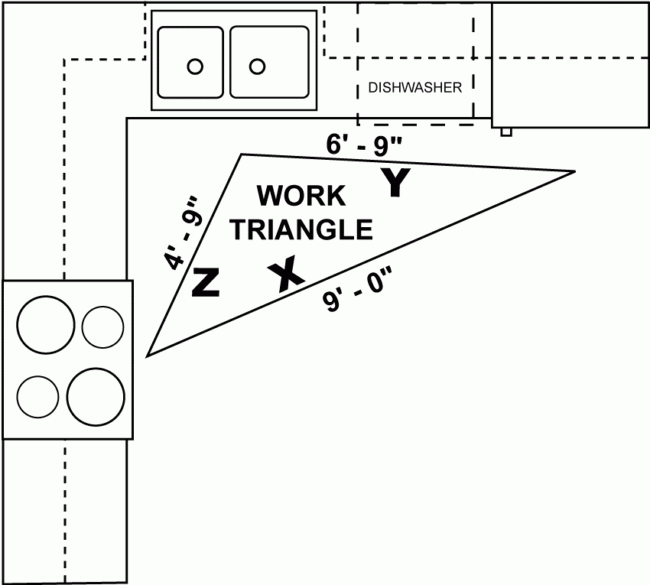
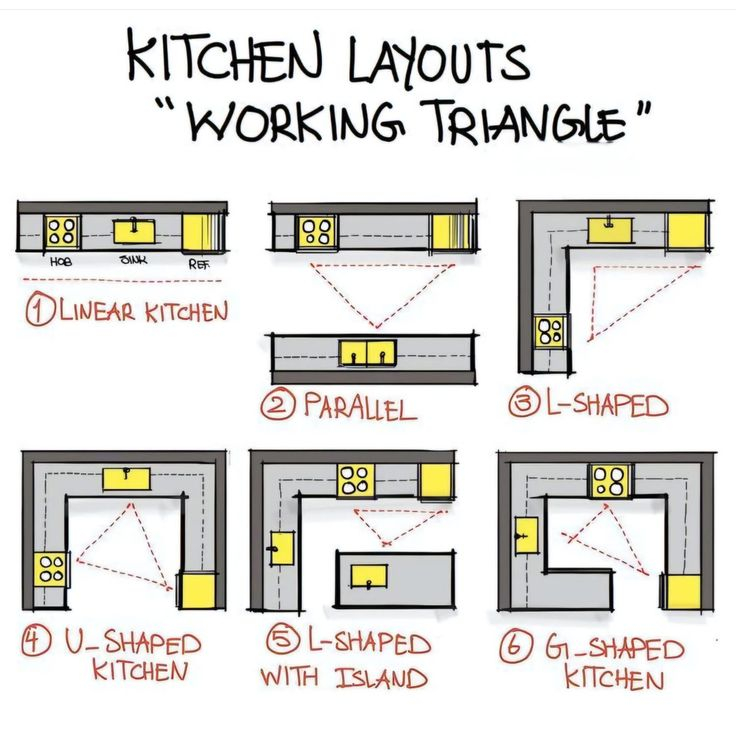
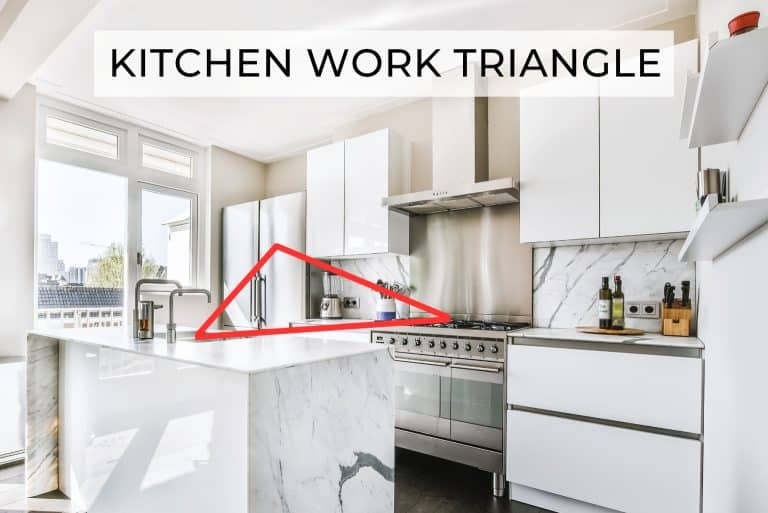
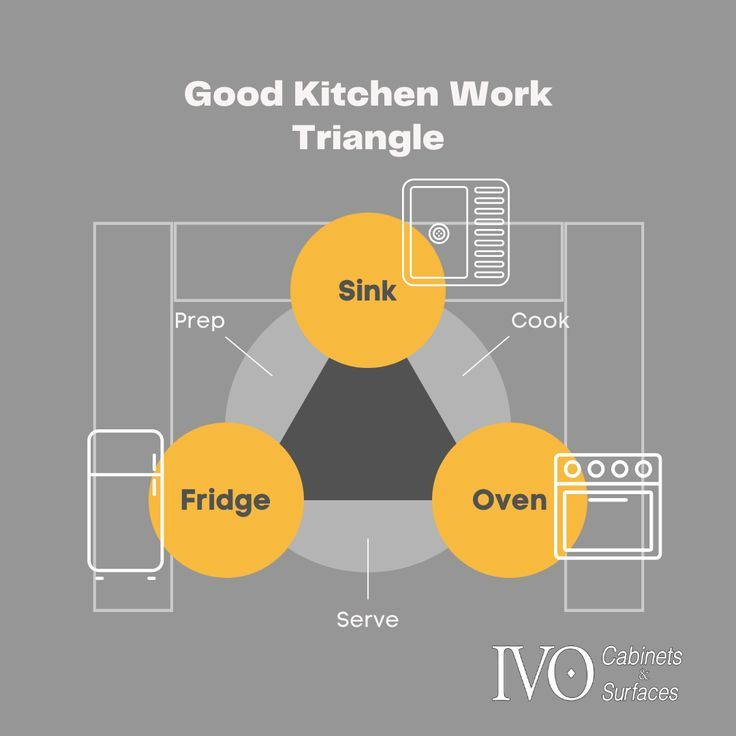
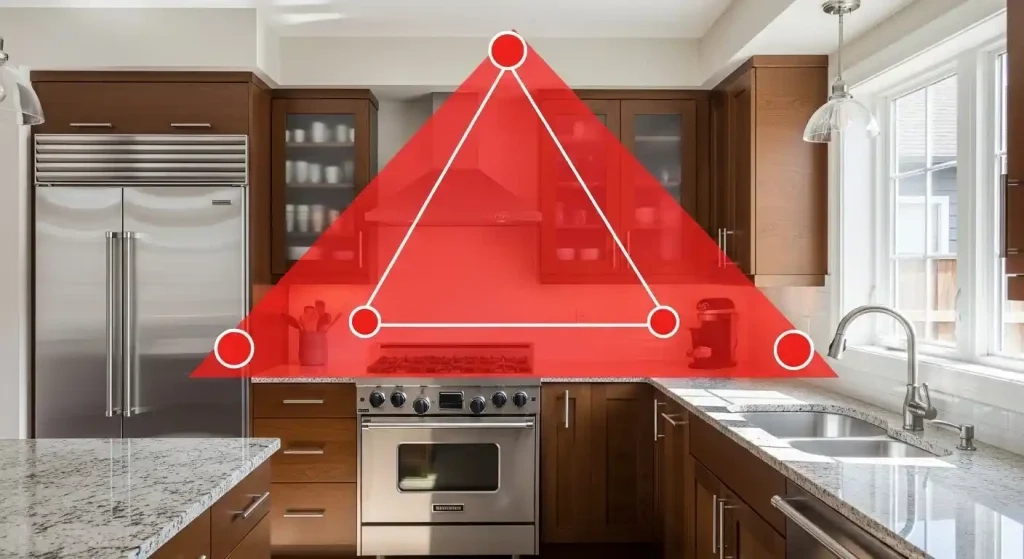
For decades, architects swore by the "work triangle." You know the one. Connect the fridge, the sink, and the stove with imaginary lines. Keep those distances short. Done. It was simple. It worked for small, closed-off kitchens where one person cooked dinner while everyone else waited in the dining room. But let’s be real. That’s not how we live now.
Today’s kitchens are social hubs. They’re offices. They’re homework stations. The old triangle model breaks down when you have two people cooking, or a kid grabbing a snack, or someone trying to chop veggies while chatting with a guest. Enter the zone method. Instead of three points, we look at five distinct activity areas. This isn’t just a trendy idea; it’s backed by motion studies showing that grouping tasks reduces steps by up to 40%. That’s a lot of saved energy.
Think of it like this. The triangle focuses on appliances. The zone system focuses on you. It acknowledges that cooking isn’t just heating food. It’s unpacking, prepping, cooking, plating, and cleaning. Each of these stages has different needs. By designing for the flow of actions rather than just the location of heavy machines, you create a space that breathes. It feels logical. It feels intuitive. And that’s the secret sauce.
The Five Essential Zones Explained
So, what are these zones? They aren’t rigid boxes. They’re fluid areas dedicated to specific tasks. First, there’s the Consumables Zone. This is your fridge and pantry. It’s where food lives before it becomes a meal. You want this near the entrance of the kitchen so groceries can be put away easily without trekking through the whole room.
Next is the Non-Consumables Zone. This is where dishes, glasses, and everyday utensils hang out. Usually, this is close to the dishwasher or sink. Makes sense, right? You unload clean plates right where they belong. Then we have the Preparation Zone. This is the star of the show. It’s your main counter space, usually between the sink and the stove. You need landing space here. Lots of it. This is where the magic happens—chopping, mixing, marinating.
The Cooking Zone is obvious. Stove, oven, microwave. But here’s the kicker: you need "landing space" next to the stove too. Somewhere to set down a hot pot or a plate of raw ingredients before they go into the pan. Finally, the Cleaning Zone. Sink, dishwasher, trash, and recycling. Keeping waste bins near the prep area is a pro move that saves so much mess. When these five zones are arranged logically, you stop crisscrossing the room. You just… flow.
Ergonomics: The Hidden Hero of Comfort
Let’s talk about your body. Seriously. How often do you bend down to get a heavy pot? Or stretch way up high for a mug? Those micro-movements add up. Over time, they cause strain. Fatigue. Back pain. Ergonomics is the science of fitting the workspace to the worker. In a kitchen, that means putting frequently used items in the "easy reach" zone. That’s typically between your hips and shoulders.
Research from recent ergonomic studies highlights that repetitive bending or reaching increases cortisol levels. Stress. In your own home. That’s wild. By placing everyday items in prime real estate—drawers at waist height, shelves at eye level—you reduce physical stress. It’s not just about comfort; it’s about health. Heavy pots should be in lower cabinets near the stove, yes, but if you use them daily, maybe a sturdy pull-out drawer is better than a deep cupboard you have to kneel for.
Also, consider counter height. Standard counters are 36 inches. But if you’re tall, that’s too low. If you’re shorter, it’s too high. Customizing this, or even using varied heights for different zones (higher for prep, lower for rolling dough), can make a massive difference. It’s about reducing friction. Every time you have to twist, bend, or strain, you’re losing efficiency. And joy. We want both.
The Psychology of Visual Clutter
Here’s a truth bomb: a messy kitchen makes a messy mind. Visual clutter competes for your attention. It raises anxiety. When your counters are covered in appliances you rarely use, or jars of stuff you can’t identify, your brain has to work harder to process the space. This is called cognitive load. And in a kitchen, high cognitive load leads to decision fatigue.
Zoning helps combat this by creating designated homes for everything. When every item has a specific zone, cleanup becomes automatic. You don’t have to think, "Where does this go?" You just know. This mental ease is crucial. It allows you to focus on the cooking, the conversation, the experience. Not the chaos.
Lighting plays a huge role here too. Layered lighting—ambient, task, and accent—helps define zones visually. Under-cabinet lights in the prep zone make chopping safer and clearer. Pendant lights over an island define the social zone. When the lighting matches the activity, your brain switches gears effortlessly. It signals, "This is where we work," or "This is where we relax." It’s subtle, but powerful.
Adapting Zones for Real Life in 2026
One size does not fit all. A single chef needs a different setup than a family of five. In 2026, we’re seeing more multi-generational homes and remote workers using kitchens as breakrooms. Flexibility is key. Maybe you need a coffee zone that’s separate from the main prep area so morning rush hour doesn’t bottleneck the cook. Or a baking zone with a marble slab and storage for flour and rolling pins.
Think about your actual habits. Do you order takeout three times a week? Maybe you don’t need massive prep space. Do you love hosting dinner parties? You might need a larger serving zone and easy access to the dining area. The science of zoning is personal. It’s about auditing your life. Watch yourself cook for a week. Where do you stumble? Where do you drop things? Where do you sigh in frustration?
Those pain points are your clues. If you’re constantly walking to the pantry for spices, move the spices to the cooking zone. If you’re bumping into someone at the fridge, widen the aisle or relocate the snack stash. It’s iterative. You tweak, you test, you adjust. The goal isn’t a magazine-perfect photo. It’s a kitchen that works for your rhythm.
Small Spaces, Big Impact
You might be thinking, "This sounds great, but my kitchen is tiny." Good news. Zoning is actually more important in small spaces. When square footage is limited, efficiency is everything. You can’t afford wasted movement. Vertical space becomes your best friend. Wall-mounted racks, magnetic strips for knives, and tall cabinets maximize storage without eating up floor space.
In a galley kitchen, for example, you might have the sink and prep on one side, and the stove and consumables on the other. It’s a linear flow. Keep the zones tight. Use multi-functional tools to reduce clutter. A cutting board that fits over the sink creates instant prep space. A cart on wheels can serve as a mobile island, adding a temporary zone when you need it and tucking away when you don’t.
Don’t underestimate the power of decluttering. In a small kitchen, every item needs to earn its keep. If you haven’t used that avocado slicer in two years, let it go. Freeing up physical space frees up mental space. Even in the tiniest nook, defining clear zones—however small—creates a sense of order. It turns a cramped closet into a functional command center. It’s about intentionality.
At the end of the day, a kitchen is more than a room. It’s where you nourish yourself and your loved ones. It’s where mornings start and evenings wind down. When the layout fights you, it drains the joy out of those moments. But when it flows? It’s seamless. It’s effortless. You spend less time cleaning and searching, and more time living.
The science of kitchen zones isn’t about rigid rules. It’s about understanding how humans move, think, and feel in space. It’s about respecting your body’s limits and your brain’s need for order. Whether you’re remodeling from scratch or just rearranging your drawers, start with the zones. Map out your activities. Listen to your frustrations.
Make small changes. Move the coffee maker. Clear off the counter. Add a light. See how it feels. You don’t need a huge budget to fix a broken flow. You just need a bit of insight. And maybe a little patience. Your kitchen should serve you, not the other way around. So take a look around. What’s one thing you can move today to make tomorrow’s dinner a little easier? Start there.