You’ve found it. The perfect Haussmannian apartment with those dreamy herringbone floors and tall windows that flood the space with light. You can already picture yourself sipping coffee on the balcony, watching the city wake up. It feels like the start of a beautiful new chapter. But before you sign on the dotted line and start picking out paint swatches, there’s something you need to know. The price tag on the property is just the beginning.
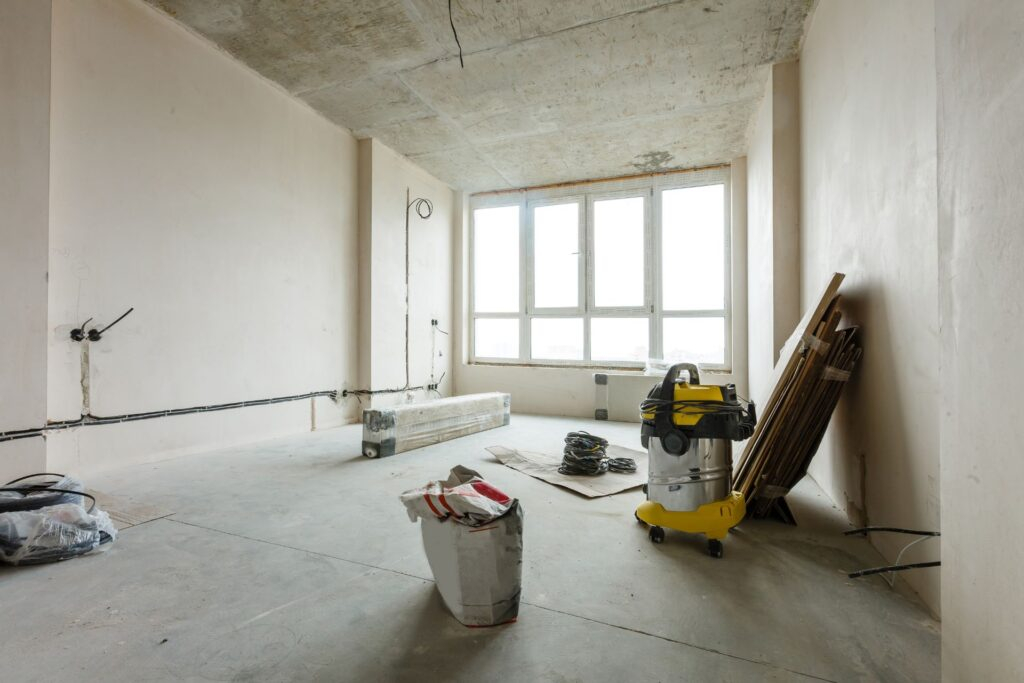
Renovating in Paris is a bit like peeling an onion. You think you know what you’re getting into, but layer after layer reveals surprises that can make your eyes water—especially when you look at the bank balance. Many first-time buyers fall into the trap of budgeting only for the visible work: the kitchen, the bathroom, the fresh coat of paint. They forget about the invisible infrastructure, the bureaucratic hurdles, and the unique quirks of living in a city where every building has its own personality and rules.
It’s not meant to scare you off. Honestly, it’s just about being prepared. When you know where the money tends to leak out, you can plug those holes before they become floods. This isn’t just about saving cash; it’s about keeping your sanity intact while you turn a house into a home. Let’s talk about the things nobody puts in the brochure, the hidden expenses that catch even the most careful planners off guard in 2026.
The Syndic Surprise and Co-Ownership Fees
One of the first shocks for newcomers is realizing that you don’t fully own your apartment in the way you might expect. In Paris, most apartments are part of a co-ownership (copropriété), which means you share responsibility for the building’s common areas. This sounds nice in theory, but it comes with a price tag that often catches people off guard. Before you even swing a hammer, you might be hit with special assessments or unexpected fees from the syndic (the building manager).
For instance, if the building decides to repaint the facade or fix the roof while you’re renovating your unit, you’ll have to pay your share. These aren’t always included in the regular monthly charges. In 2026, with inflation still impacting construction materials, these collective projects are costing more than ever. A simple facade cleanup can suddenly add thousands of euros to your bill. And if the previous owners didn’t pay their share? Guess who gets stuck with the bill? Often, it’s the new owner. Always check the last three years of general assembly minutes (procès-verbaux) before buying. Look for any voted works that haven’t been paid for yet.
Then there’s the issue of access. Need to bring materials up through the courtyard? You might need permission from the syndic, and sometimes, you need to pay a deposit for potential damage to common areas. If you’re replacing windows, you can’t just pick any style; they must match the building’s historic aesthetic. Getting approval can take weeks, and if you mess up, you’ll be forced to change them back at your own expense. It’s a bureaucratic dance that costs time and money, two things you’ll need in spades.
Asbestos, Lead, and the "Diagnostics" Rabbit Hole
Old buildings are charming, but they’re also full of secrets. And in France, those secrets are regulated by a strict set of diagnostic tests. You probably know about the energy performance certificate (DPE), but that’s just the tip of the iceberg. When you start tearing down walls or ripping up old flooring, you might encounter hazardous materials like asbestos or lead paint. And here’s the kicker: if you find them, you can’t just ignore them. You have to deal with them, professionally and legally.
Asbestos was widely used in insulation, floor tiles, and pipe wrappings in buildings constructed before 1997. If your renovation involves drilling into walls or removing old fixtures, you might trigger a requirement for an asbestos survey. If asbestos is found, you can’t just hire your cousin’s handyman friend to remove it. You need certified specialists. The cost for safe removal and disposal is steep, often running into several thousand euros depending on the extent of the contamination. And it stops your project dead in its tracks until it’s resolved.
Lead paint is another common issue in pre-1949 buildings. If you’re sanding down old woodwork or stripping walls, you risk creating toxic dust. Proper abatement requires containment zones and specialized cleaning. Many first-timers budget for painting but forget to budget for the safe preparation required by law. Skipping this step isn’t just dangerous; it’s illegal and can result in hefty fines. Plus, if you plan to sell later, you’ll have to disclose this anyway. It’s better to face the cost now than to deal with the liability later. Don’t skimp on the diagnostics; they’re your insurance policy against nasty surprises.
The Logistics of Living in a Vertical City
Paris is dense. Really dense. Most apartments are on upper floors of buildings without elevators, or with elevators too small for construction materials. This creates a logistical nightmare that translates directly into cash. How do you get a new bathtub up to the fourth floor? Or a large kitchen island? If it doesn’t fit in the stairwell or the elevator, you need a crane. Hiring a lifting company (monte-meuble) isn’t cheap. In 2026, expect to pay anywhere from €500 to €1,500 for a half-day service, depending on the complexity and location.
But it’s not just about the big items. Every bag of rubble needs to come down, and every bag of cement needs to go up. If you’re doing a full gut renovation, you’re looking at tons of debris. Disposal fees in Paris are high, and you can’t just leave skip bins on the street without a permit. Obtaining a stationnement permit for a dumpster or a parking spot for the contractor’s van costs money and takes time. If your contractor parks illegally because they didn’t get the permit, guess who gets the fine? Often, it’s passed on to you, or worse, the work stops until it’s sorted.
And let’s talk about noise and neighbor relations. Parisians value their peace. Strict noise regulations mean you can only drill and hammer during specific hours (usually 9am-12pm and 2pm-7pm on weekdays, with limited hours on Saturdays). No work on Sundays. If your neighbors complain, the syndic can shut you down. Some contractors charge extra for working within these tight windows because it slows them down. Others might suggest working outside these hours "under the radar," but that’s a risky game that can lead to conflicts and stoppages. Building good relationships with neighbors beforehand—maybe with a small gift or a note—can save you headaches, but it won’t save you from the inherent inefficiency of working in a crowded, regulated environment.
The True Cost of "Artisanat" and Labor Shortages
There’s a romantic idea of the French artisan, the skilled craftsman who pours his soul into every detail. And yes, they exist. But in 2026, finding one who is available, reliable, and affordable is incredibly difficult. The construction sector in France is facing a significant labor shortage. Good electricians, plumbers, and tilers are booked months in advance. This scarcity drives up prices. What might have cost €50 per square meter for tiling five years ago could easily be €80 or more now.
Many first-time renovators make the mistake of accepting the first quote they receive. Big mistake. Prices vary wildly between contractors. One plumber might charge double what another charges for the same job. Why? Overhead, experience, demand. It’s crucial to get at least three detailed quotes for every major trade. But even then, beware of the lowball offer. If a quote seems too good to be true, it probably is. They might cut corners, use subpar materials, or hit you with "unexpected" extra charges later. A detailed quote should list every single item, from the type of screws to the brand of paint.
Also, consider the payment schedule. Never pay everything upfront. A standard practice is to pay a deposit (often 30%), then progress payments as milestones are met, and a final retention fee (5-10%) upon completion. This keeps the contractor motivated to finish the job properly. But managing these payments requires vigilance. If you pay too much too early, you lose leverage. And if the contractor goes bust mid-project? You’re left with a half-finished apartment and a legal battle. Insurance helps, but it’s a stress you don’t need. Verify their insurance (garantie décennale) before signing anything. This ten-year warranty is mandatory in France for construction work, and without it, you’re exposed to massive risks if something goes wrong later.
Bureaucracy, Permits, and the Paperwork Tax
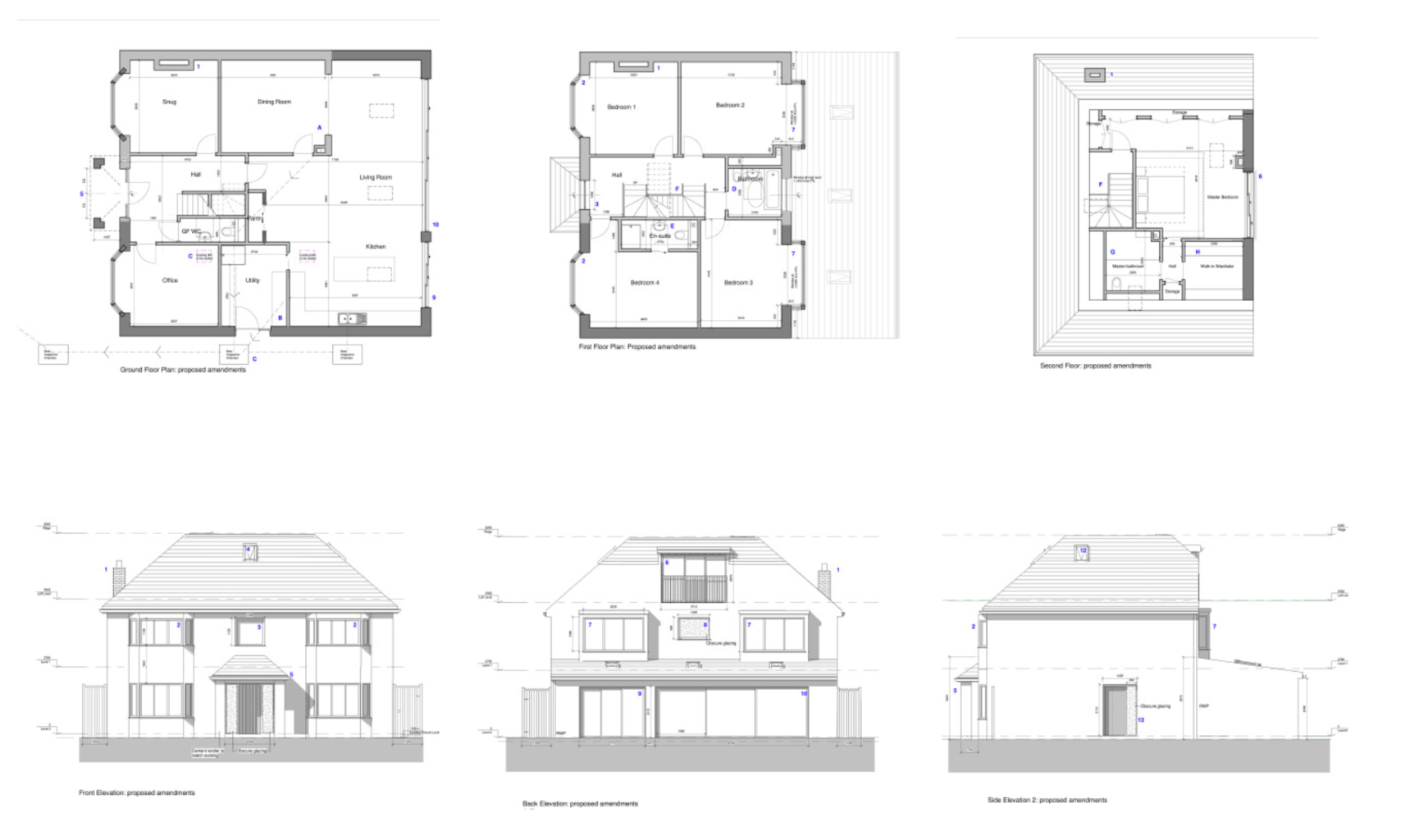
You might think that because it’s your apartment, you can do whatever you want inside. Not quite. In Paris, changing the layout of an apartment often requires administrative approval. If you’re moving walls, changing the position of wet rooms (kitchens and bathrooms), or altering the facade, you likely need to file a declaration of works (déclaration préalable) or even a full building permit (permis de construire) with the local mairie. This isn’t just a formality; it’s a legal requirement.
The process can be slow. It can take two to three months just to get approval. During this time, you’re paying rent or mortgage interest but not living in the place. That’s a hidden cost: the cost of waiting. If you start work before getting approval, you risk being ordered to stop and restore the apartment to its original state at your own expense. Fines can be substantial. And if you buy an apartment with unauthorized previous renovations? You inherit the problem. Always verify that any existing modifications were legally approved.
Then there’s the tax aspect. Renovations can affect your property tax (taxe foncière) and housing tax (if applicable). Significant improvements can increase the cadastral value of your property, leading to higher taxes. It’s not immediate, but it’s a long-term cost to factor in. Additionally, if you’re hiring contractors, ensure they provide proper invoices with TVA (VAT). For older properties (over two years), you might be eligible for a reduced VAT rate of 10% instead of 20% on labor and materials. But this only applies if the contractor is registered and follows the rules. Cash-in-hand deals might seem cheaper initially, but you lose the VAT benefit, the legal protection, and the warranty. It’s rarely worth the risk.
This is perhaps the most insidious hidden cost of all. It starts innocently enough. You’re renovating the bathroom, and you notice the pipes are old. "While we’re at it," you say, "let’s replace all the plumbing in the apartment." Then you see the electrical panel is outdated. "Might as well upgrade that too." Before you know it, your modest bathroom refresh has turned into a whole-apartment overhaul. This scope creep is the number one reason budgets explode.
It’s hard to resist. Once you open up a wall, you see everything that’s wrong. And logically, it makes sense to fix it all at once. But financially, it’s dangerous. Without a strict contingency fund, you’ll run out of money. Experts recommend setting aside at least 15-20% of your total budget for unexpected costs. In Paris, given the age of the buildings, 20% is safer. If you don’t use it, great. You can buy nicer fixtures or save it. But if you don’t have it, you’ll be forced to cut corners elsewhere or take out high-interest loans.
Another aspect of this syndrome is the emotional toll. Living in a construction zone is stressful. Dust gets everywhere. Noise is constant. Your routine is disrupted. Many people underestimate the cost of alternative accommodation. If the renovation takes longer than expected (and it almost always does), you might need to stay in an Airbnb or hotel for extra weeks. In Paris, short-term rentals are expensive. Budget for at least an extra month of living expenses outside your home. It’s not just about the money; it’s about preserving your mental health. Having a comfortable place to retreat to at the end of the day makes the chaos manageable. Don’t skimp on this. Your sanity is worth every euro.
So, where does this leave you? Ready to throw in the towel? Hopefully not. Renovating in Paris is challenging, yes, but it’s also incredibly rewarding. The key is to go in with your eyes wide open. Understand that the sticker price is just the entry fee. The real cost lies in the details: the syndics, the diagnostics, the logistics, the labor, the permits, and the inevitable surprises. By anticipating these hidden expenses, you can build a realistic budget that protects you from financial shock.
Start by getting a thorough diagnostic report before you even make an offer. Talk to the syndic early. Get multiple quotes and check references meticulously. Set aside a healthy contingency fund and stick to your scope as much as possible. Be patient with the bureaucracy and respectful of your neighbors. It’s a marathon, not a sprint. But when you finally sit down in your finished apartment, with the light streaming through those restored windows and the smell of fresh paint in the air, you’ll know it was worth it. Just make sure you can afford the journey.