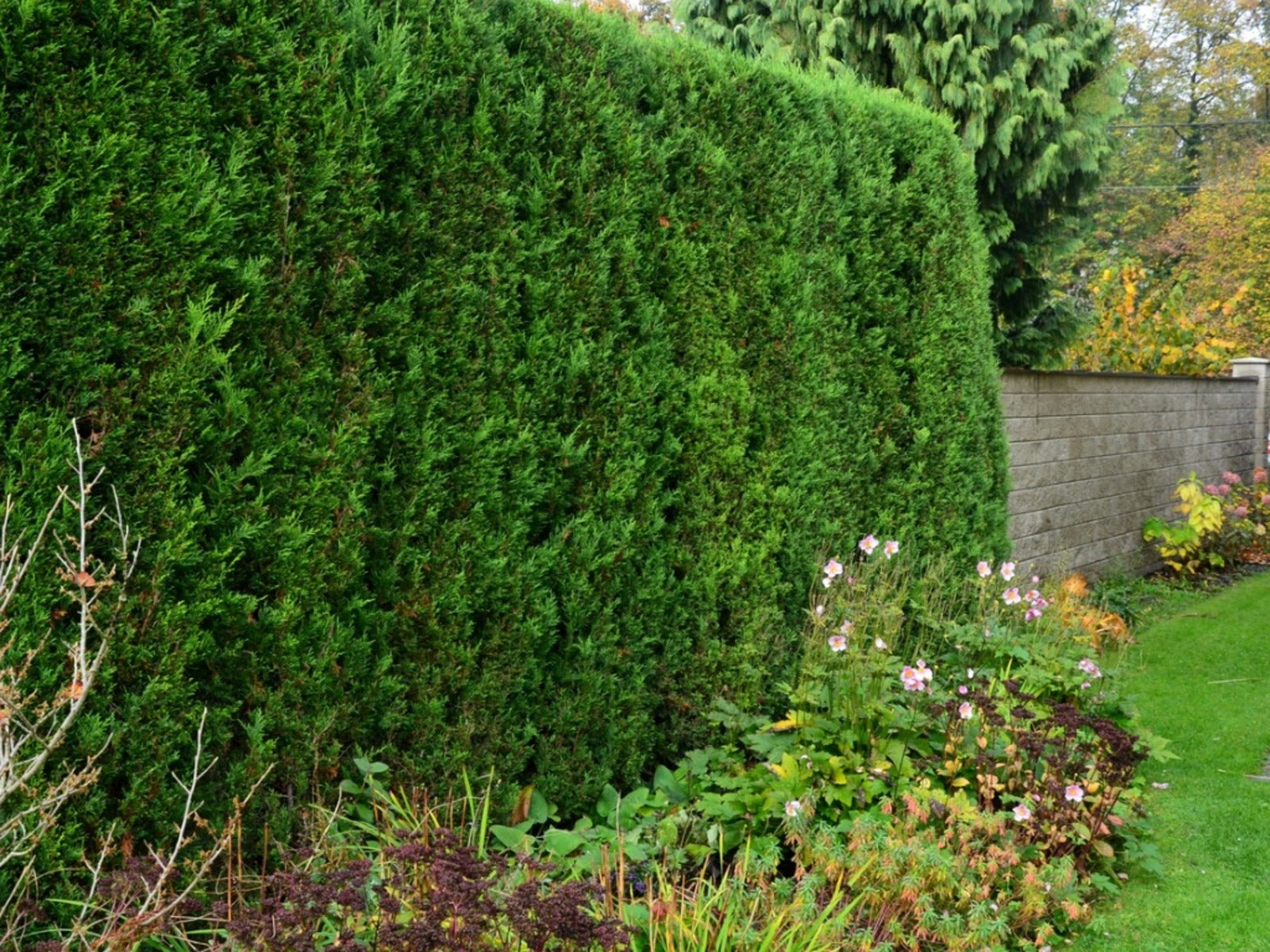
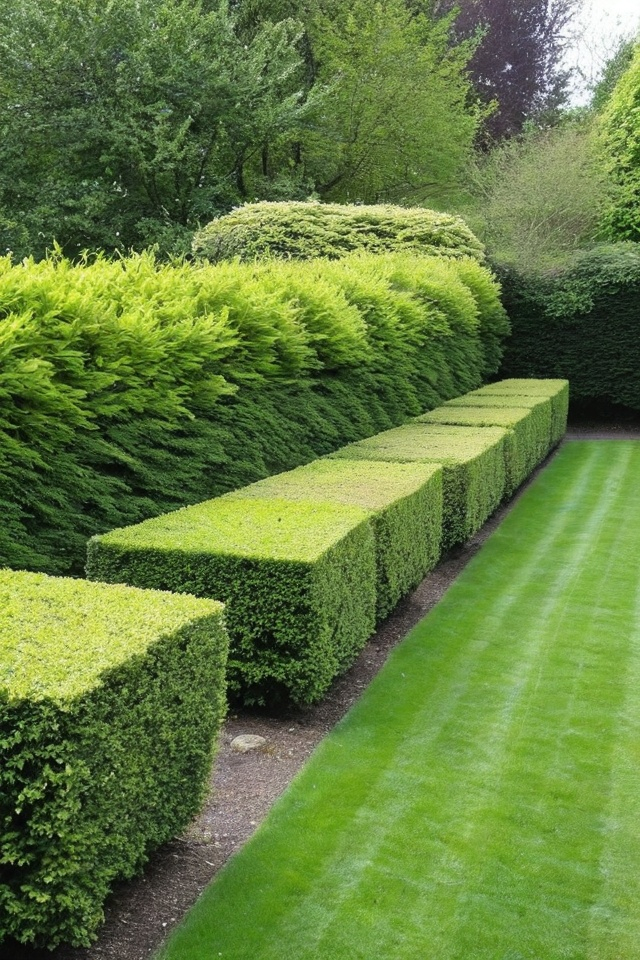
The sun was barely clearing the horizon on a crisp Tuesday morning in central Ohio when Dr. Elaine Vance pointed a pruning shear at a towering, ragged row of Leyland cypress. "People see green needles and think they’ve bought a fortress," she told me, wiping dirt from her calloused palms. "Five years later, interior dieback hits, a heavy wet snow rolls through, and half their living fence snaps like dry toothpicks. They wanted privacy yesterday, and nature handed them a maintenance nightmare tomorrow."
That morning marked the beginning of a multi-year reporting journey. I sat on tailgate beds with state extension agents, walked experimental nursery plots with horticulturists, and interviewed commercial landscape architects who spec millions of dollars in living architecture each year. I wanted to separate marketing hype from botanical reality. Nursery catalogs love to flash phrases like "grows up to five feet a year!" but rarely mention that an accelerated sprint often leads to structural weakness, shallow root systems, or aggressive root expansion that buckles adjacent concrete.
What I discovered is that planting a living screen is not a passive gardening weekend project; it is a long-term architectural commitment. The biology of fast-growing shrubs involves a delicate trade-off between cell elongation and lignin development—the organic polymer that gives wood its stiffness. Push a shrub too fast with high-nitrogen fertilizers in poorly drained soil, and you get a giant green sponge that collapses under its own weight. To build a privacy wall that actually endures, you have to learn how plants negotiate with their environment, how root competition works beneath the soil line, and why what happens below ground dictates everything you see above it.
The Botanical Reality of Fast Growth and Structural Integrity
When professional researchers talk about growth rates, they use terms that rarely appear on garden center tags: caliper thickness, apical dominance, and root-to-shoot ratio. A shrub that adds three feet of linear growth in a single season is essentially prioritizing soft, leafy tissue over hard structural reinforcement. If you plant a species like the Hybrid Willow or Lombardy Poplar simply because it shoots upward at breakneck speed, you are trading longevity for speed. These plants are biological sprinters, not marathon runners. They typically suffer from short lifespans, heavy susceptibility to stem cankers, and brittle branches that tear off during summer thunderstorms.
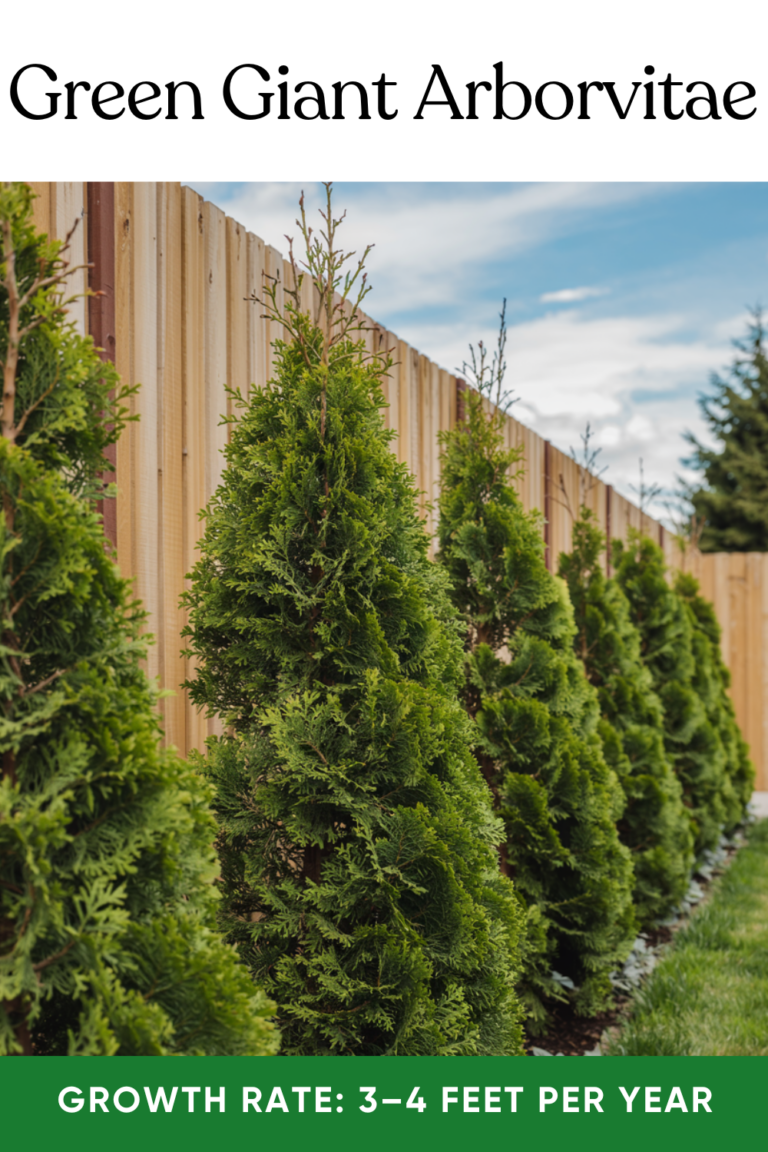
True high-performance privacy shrubs—such as the ‘Green Giant’ Arborvitae (Thuja standishii x plicata), Otto Luyken Cherry Laurel (Prunus laurocerasus), or Nellie R. Stevens Holly (Ilex x ‘Nellie R. Stevens’)—occupy a sweet spot. They push out reliable vertical and lateral gains of 12 to 24 inches annually, allowing them to form an opaque screen within three seasons without sacrificing the structural timber required to withstand heavy winds and ice loads. Landscape researchers emphasize that a shrub’s juvenile phase is its most vulnerable. During the first two years, root establishment takes precedence over top growth. If you force an aggressive growth spurt via synthetic fertilizers before the root system has anchored itself in native soil, the plant becomes top-heavy, leaning precariously with the first prevailing wind.
Furthermore, soil compaction plays a devastating role in how fast these shrubs can safely grow. In suburban developments where heavy machinery has scraped away the topsoil and compressed the subsoil into something resembling concrete, roots cannot expand laterally. Researchers at several land-grant universities have demonstrated that digging a standard narrow, deep planting hole creates a "flowerpot effect" where water pools and roots circle endlessly rather than breaking out into native earth. Understanding this subsurface reality completely changes how you source, select, and install your privacy barrier from day one.
Sourcing, Species Selection, and Matching Microclimates
Walking through experimental arboretums taught me a humbling lesson: plant tags lie by omission. A shrub labeled as "drought-tolerant and fast-growing" in USDA Zone 8 might be a catastrophic failure in Zone 5, or it might require aggressive irrigation that spikes your summer water bill. When selecting plants for a living fence, you have to analyze your property’s specific microclimate, including sun exposure, wind tunnels, salt spray from winter roads, and the heavy shade cast by mature canopy trees like maples or oaks.
Consider the classic dilemma of backyard shade. Many homeowners assume they can drop arborvitaes under a massive silver maple and expect a lush screen. In reality, arborvitaes require at least six hours of direct sunlight to maintain dense foliage; under a heavy canopy, they stretch, thin out, and expose bare trunks right at eye level—defeating the entire purpose of the privacy screen. In shady, sloped conditions, researchers recommend shifting toward shade-tolerant evergreens like English Laurel or specific native viburnums, accepting a slightly slower initial fill rate in exchange for long-term health and density.
Sourcing matters just as much as species selection. Field-grown balled-and-burlapped (B&B) stock versus container-grown plants versus small bare-root whips each present distinct advantages. While instant gratification drives people to buy massive eight-foot container shrubs, research consistently shows that smaller, vigorous liners (often 3 to 5 gallons) catch up to and frequently surpass oversized nursery stock within three years. Smaller plants suffer far less transplant shock, develop balanced root systems much faster, and don’t come burdened with the root-circling issues common in plants kept too long in undersized pots.
Field-Tested Installation Methodologies for Maximum Density
Installing a privacy hedge requires precision engineering rather than casual digging. If your plants are spaced too far apart, you will wait a decade for the canopies to merge; if they are planted too close together, subterranean root competition and reduced airflow will trigger fungal diseases like powdery mildew, needle cast, or blight. Extension agents recommend calculating the mature spread of your chosen species and planting them so their outer edges slightly overlap or touch at maturity, typically spacing medium-sized evergreens between 3 to 5 feet on center.
Soil preparation is the absolute foundation of success. Rather than amending individual planting holes with rich potting soil—which discourages roots from venturing out into native dirt—professional landscapers till or loosen a wide, continuous trench along the entire planned hedge line. This broad zone of loosened soil allows the collective root systems to expand uniformly, preventing uneven settling and water channeling.
- Step 1 (Site Mapping and Utility Locating): Call your local utility locator service (like 811 in the US) at least three business days before touching a shovel, then map your hedge line using mason’s string and stakes to ensure absolute linear precision or natural, sweeping curves.
- Step 2 (Trench Excavation and Soil Conditioning): Instead of digging isolated holes, excavate a continuous trench twice as wide as the root balls and slightly shallower than their current height, ensuring the root flare sits an inch above grade.
- Step 3 (Root Ball Preparation and Remediation): Gently tease out any circling roots on container plants with your fingers or a sharp blade to prevent girdling roots; for B&B stock, slice away synthetic twine and fold down the top third of the wire basket once positioned.
- Step 4 (Backfilling and Initial Settling): Backfill with native soil only, gently tamping down with your hands or feet to eliminate massive air pockets without packing the soil down so hard that oxygen is squeezed out.
- Step 5 (Heavy Watering and Mulch Ring Application): Deliver a deep, slow saturation of at least 10 gallons per plant to settle the soil around the roots, then apply a 3-inch layer of organic shredded bark mulch across the entire trench, keeping mulch a few inches away from actual stems to prevent collar rot.
Common Pitfalls, Maintenance Misconceptions, and Workarounds
The most common trap amateur gardeners fall into is the "set it and forget it" fallacy. A fast-growing privacy hedge is not a brick wall; it is a living collection of organisms that requires active management, particularly during its establishment phase. Neglecting basic pruning and watering schedules during the first two summers can permanently compromise the density of your screen, leaving ugly gaps that take years to correct.
Another pervasive myth is that heavy pruning should be delayed until the hedge reaches your desired height. In reality, structural tip-pruning during the first and second years is essential to encourage lateral branching. If you let a shrub rocket straight upward without trimming the terminal shoots, you get a tall, spindly pole rather than a dense, impenetrable visual barrier.
- Pitfall 1 (Over-fertilization with High-Nitrogen Formulas): Pushing growth with heavy chemical fertilizers causes weak, succulent stem tissue that invites aphids, spider mites, and severe winter damage. Workaround: Rely on annual top-dressings of aged compost and slow-release organic granular fertilizers formulated for acid-loving or general evergreens in early spring.
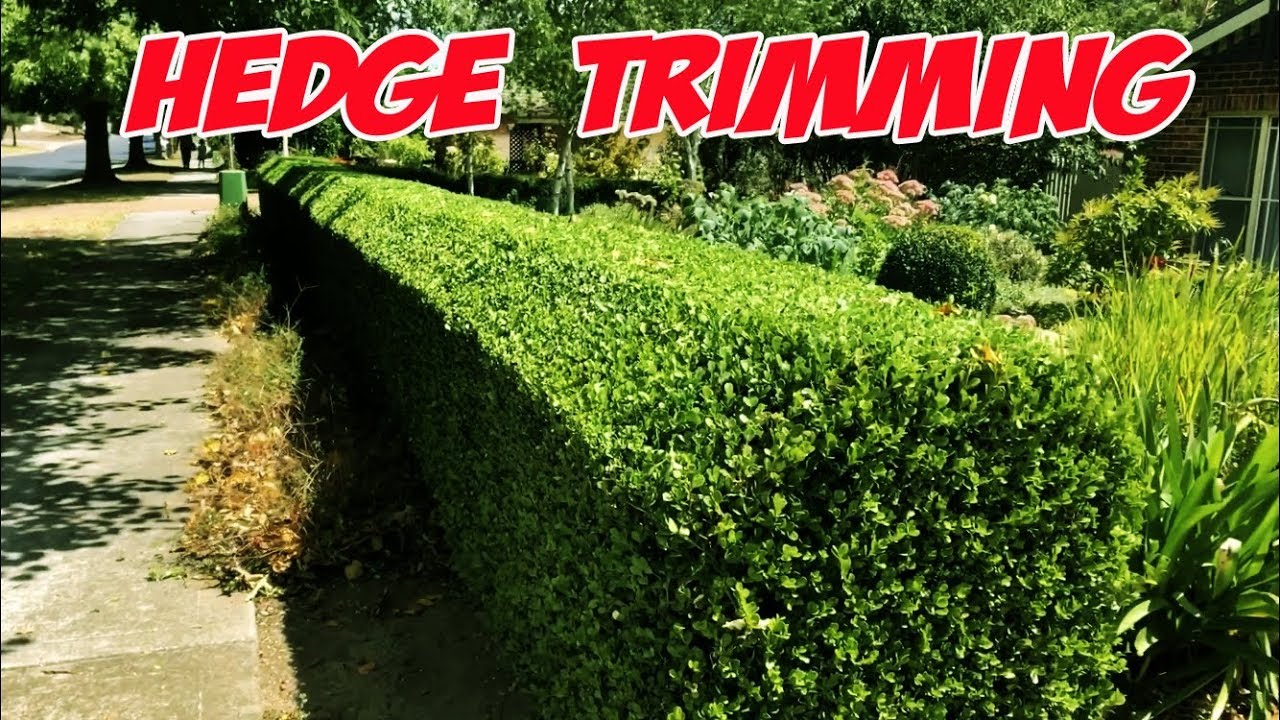
- Pitfall 2 (Incorrect Pruning Geometry): Trimming hedges so the sides are vertical or wider at the top creates self-shading, causing lower branches to die off and leaving a transparent lower canopy. Workaround: Always shear or prune hedges so they feature a slight "batter" or taper, meaning the base is wider than the top, allowing sunlight to strike every leaf surface.
- Pitfall 3 (Inconsistent Irrigation During Dry Spells): Assuming established shrubs don’t need water during summer droughts leads to invisible root dieback and sudden needle browning months later. Workaround: Install a dedicated drip irrigation line running the length of the hedge trench, controlled by a timer and checked with a soil moisture meter.
- Pitfall 4 (Ignoring Pest and Disease Vectors): Failing to inspect the interior of dense shrubs allows infestations of bagworms, scale, or phytophthora root rot to spread unchecked until defoliation is severe. Workaround: Perform bi-weekly visual checks by parting the outer foliage with a stick to inspect inner stems and lower leaves for early warning signs.
- Pitfall 5 (Planting Monocultures in High-Risk Zones): Relying entirely on a single species (such as Leyland cypress) leaves your entire privacy screen vulnerable to a single regional disease outbreak that can wipe out the whole investment overnight. Workaround: Interplant compatible species or alternate varieties with similar growth habits to create a resilient, diverse biological barrier.
The Broader Landscape Ecology and Long-Term Sustainability
Beyond blocking out neighbors or hiding unsightly utility boxes, a well-designed privacy hedge serves as a vital ecological corridor in modern suburban landscapes. Traditional wooden or vinyl fences offer zero ecological value; they reflect sound, disrupt wildlife movement, and contribute nothing to local biodiversity. In contrast, a diverse line of fast-growing shrubs acts as a micro-habitat, providing nesting sites for songbirds, nectar sources for native pollinators, and overwintering cover for beneficial insects.
From an economic perspective, established living screens significantly boost property valuations by creating a sense of secluded sanctuary and architectural maturity. Real estate analysts note that mature landscaping often yields a return on investment that far exceeds its initial installation cost, provided the plants are impeccably maintained and scaled correctly to the property boundaries.
Sustainability also involves water stewardship. As municipal water restrictions become increasingly common in growing regions, transitioning your hedge toward drought-resilient varieties and utilizing smart drip irrigation systems ensures your privacy screen survives environmental shifts. Mulching heavily not only suppresses weeds and retains soil moisture, but it also gradually breaks down to feed the microbial life that keeps plant immune systems robust.
Actionable Recommendations and Strategic Frameworks
Building a successful, enduring privacy screen requires moving away from impulsive nursery purchases and adopting a structured, phased implementation plan. By treating your landscape project with the methodical precision of a civil engineering endeavor, you eliminate costly mistakes and accelerate the timeline to complete privacy.
- Conduct a Site Audit First: Map sun angles throughout the day, note utility easements, and test soil drainage by digging a simple one-foot test hole, filling it with water, and timing how fast it drains.
- Choose Quality Over Quick Fixes: Reject oversized, root-bound container plants in favor of vigorous 3-gallon or 5-gallon specimens that will establish strong root systems faster and outgrow stressed giants within three years.
- Commit to a Two-Year Establishment Protocol: Budget time and resources for consistent deep watering, targeted mulching, and strategic tip-pruning during the critical first 24 months after planting.
- Embrace Natural Spacing and Tapering: Give plants adequate room to reach mature girth without crushing each other, and maintain a sloped pruning profile to ensure sunlight reaches the base of the hedge.
- Build Ecological Resilience: Avoid planting massive unbroken rows of a single clone; whenever possible, incorporate structural diversity or alternate disease-resistant varieties to safeguard your investment.
Standing back to admire a finished, thriving privacy hedge brings a profound sense of closure and tranquility. That living wall of green represents a partnership between human intent and natural biology—a negotiated truce with the elements where patience, soil science, and correct installation methods finally pay off.
The most important lesson gathered from years of interviewing researchers and observing failed projects is that nature cannot be rushed past its biological limits without exacting a penalty. When you respect the root systems, choose species adapted to your microclimate, and maintain the hedge with disciplined, thoughtful care, you stop fighting your environment and start working with it.
Your backyard should be your sanctuary. By approaching privacy shrubs not as quick-fix commodities, but as living architecture that evolves over decades, you create a resilient, beautiful buffer that stands strong against the noise, the traffic, and the ever-changing world outside your fence line.