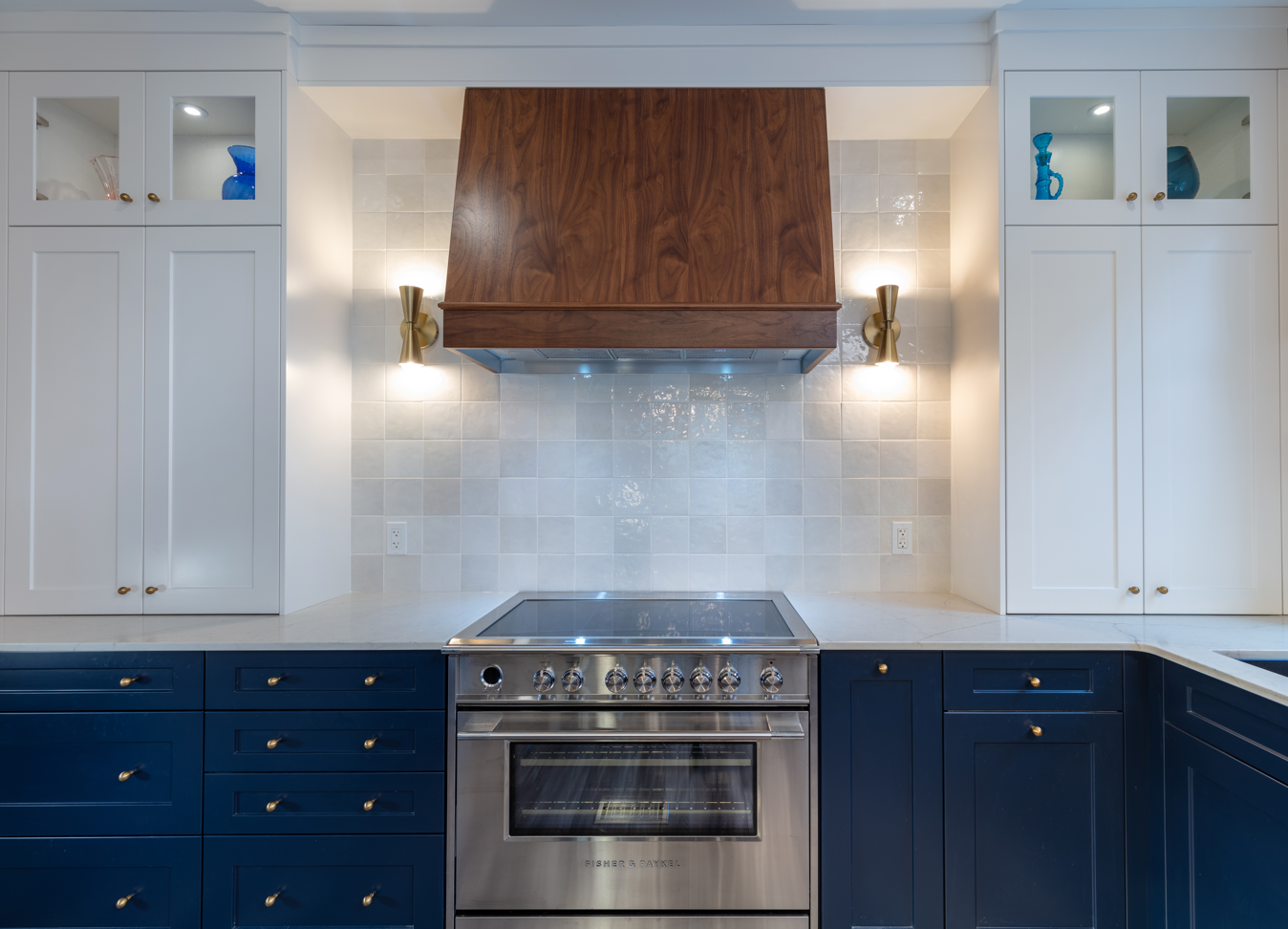
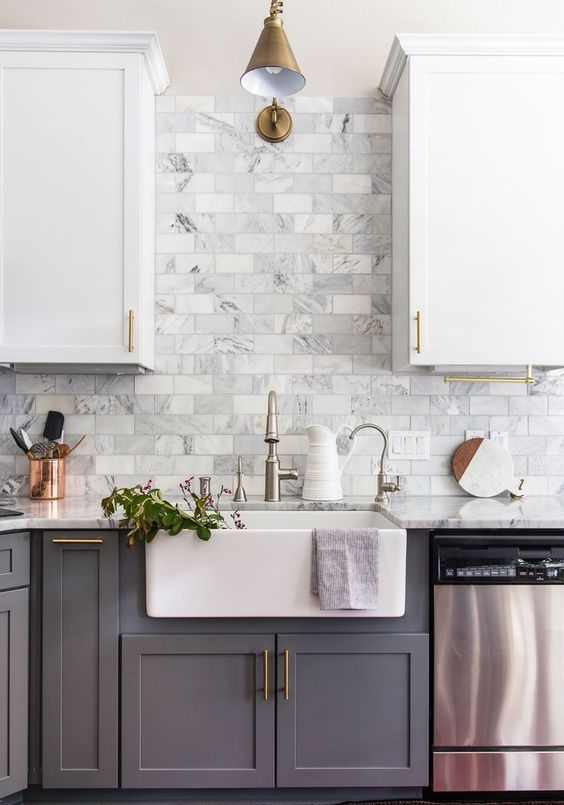
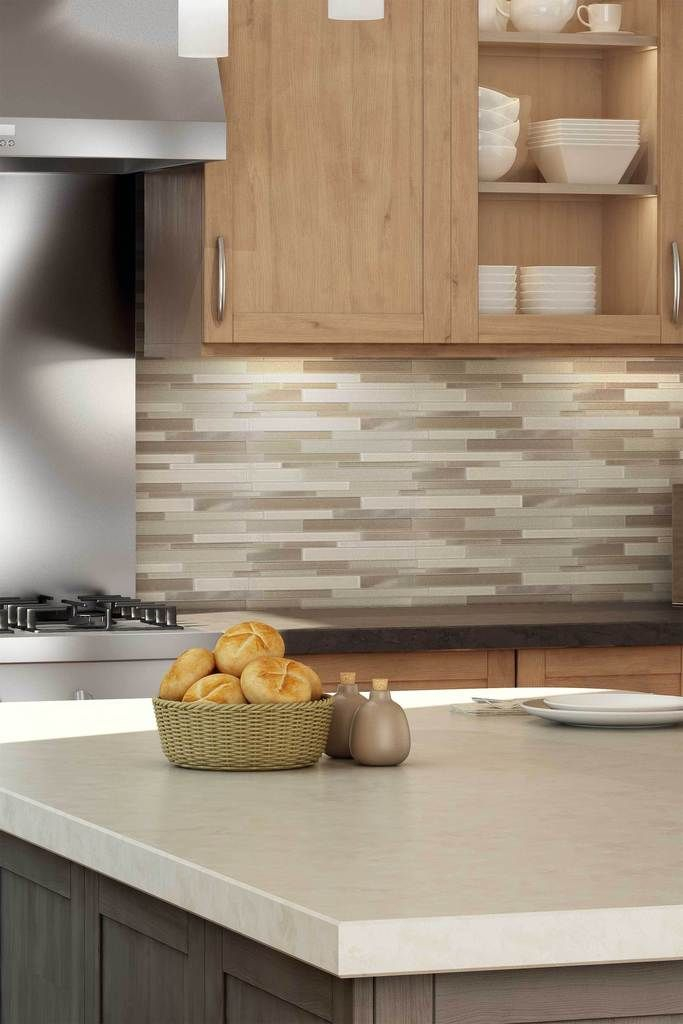
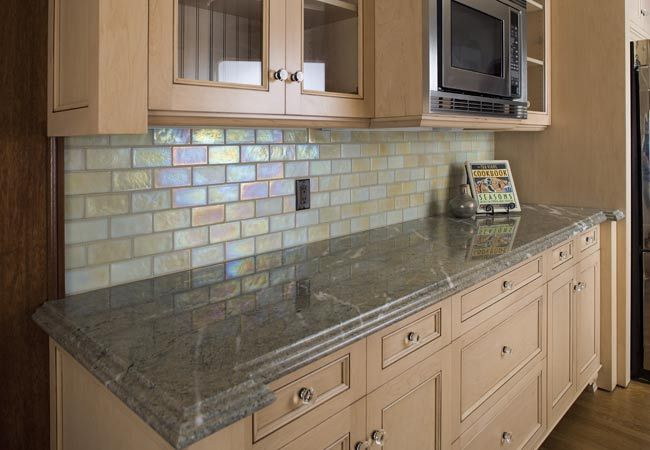
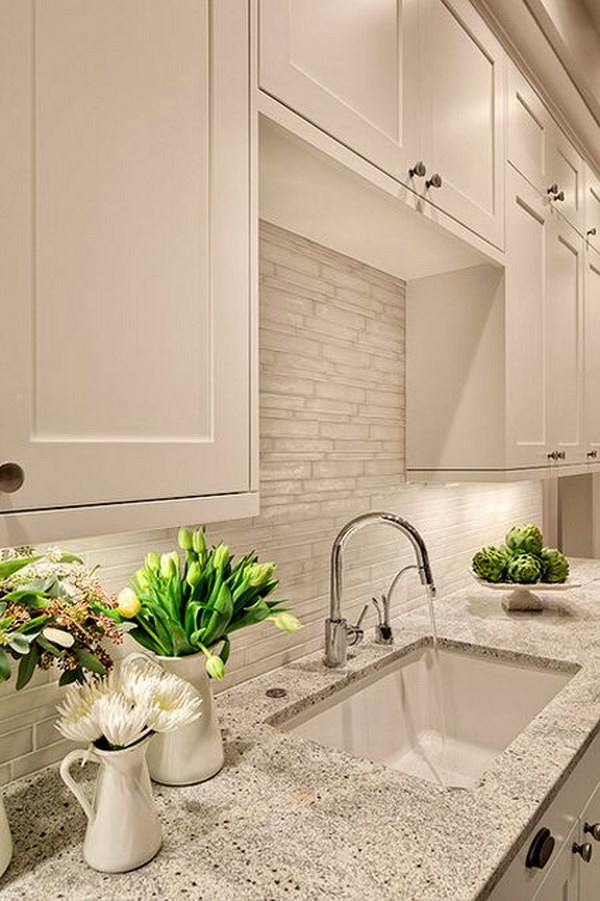
We’ve all been there. You’re scrolling through Pinterest, saving image after image of shimmering kitchen backsplashes. It’s beautiful, sure. But have you ever stopped to think that maybe, just maybe, we’re playing it too safe? Pearl tiles—those iridescent, light-catching wonders—have been pigeonholed for far too long. They’re treated like the shy guest at a party who only talks to the host. In 2026, it’s time to let them out of the kitchen corner.
The thing about pearl tiles is their magic. They don’t just sit there; they interact. Light hits them, and suddenly your wall isn’t a wall anymore. It’s a mood. It’s a texture that changes with the time of day. Yet, most people slap them up behind the stove and call it a day. That’s like buying a sports car and only driving it to the mailbox. Why limit such dynamic material to a space that’s mostly hidden by pots and pans?
This year, designers are finally waking up to the potential. We’re seeing a shift. A big one. The "pretty and practical" blend mentioned in recent trend reports isn’t just about durability; it’s about presence. It’s about letting materials breathe in spaces where you actually live, not just where you cook. So, let’s toss out the old rulebook. Let’s look at how these luminous little squares can transform your entire home, not just your splash zone.
The Living Room Accent Wall That Actually Works
Let’s talk about the living room. It’s the heart of the home, right? But often, it’s also the most boring. White walls, beige sofa, maybe a piece of art if you’re feeling wild. Imagine replacing that blank canvas with a floor-to-ceiling feature wall made entirely of pearl mosaic tiles. Sounds intense? Maybe. But done right, it’s breathtaking.
The key here is scale and light. You don’t need to tile the whole room. Just one wall. Preferably the one that catches the afternoon sun or faces your main lighting fixture. When the light hits those pearlescent surfaces, the room feels larger. Airier. It adds a layer of depth that paint simply can’t achieve. Think of it as jewelry for your house. You wouldn’t wear a diamond necklace every day, but when you do, it makes the outfit.
I saw a project last month where a homeowner used large-format pearl tiles behind their media console. It wasn’t flashy. It was subtle. The iridescence was soft, almost creamy. It didn’t compete with the TV; it framed it. And here’s a tip: keep the rest of the room neutral. Let the wall be the star. If you clutter the space with busy patterns, you lose the effect. Simplicity is your friend here. It lets the tile do the talking.
Fireplace Surrounds That Steal the Show
Fireplaces are natural focal points. We gather around them. We stare into them. So why surround them with plain brick or standard stone? Pearl tiles offer a contrast that is both cozy and luxurious. There’s something poetic about the cool, smooth touch of pearl against the warmth of a fire. It’s a sensory experience.
In 2026, we’re seeing a move away from heavy, dark mantels. People want light. They want reflection. A pearl-tiled fireplace surround bounces the firelight around the room. It creates a glow that feels intimate. You can go bold with a full surround, from the hearth to the ceiling. Or, you can be subtle and just tile the inner hearth area. Both work.
Consider the grout color, too. This is where people mess up. White grout disappears, making the tile look like a solid sheet of shimmer. Dark grout creates a grid, emphasizing the individual pieces. For a fireplace, I’d lean towards a matching tone. You want the eye to see the movement of the light, not the lines between the tiles. It’s smoother. More organic. And honestly, it’s easier to clean soot off smooth, glossy pearl than rough stone. Practicality meets beauty.
Bathroom Ceilings: The Fifth Wall Revolution
Okay, this one might sound crazy. Tiling the ceiling? Yes. Hear me out. Bathrooms are often small, boxy, and devoid of personality. We focus on the floor and the shower walls. But look up. What do you see? Usually, a flat, white expanse of drywall. Boring. By tiling the ceiling with pearl mosaics, you turn the bathroom into a spa-like retreat.
It’s not as hard as it sounds. Small mosaic tiles are flexible. They can curve slightly, which helps if your ceiling isn’t perfectly flat. Plus, the reflective quality makes the room feel taller. If you have a low ceiling, this is a trick worth trying. The light bounces off the ceiling and down, illuminating the space without needing extra fixtures.
Imagine taking a bath, looking up, and seeing this soft, shimmering canopy above you. It’s calming. It’s unexpected. And in 2026, unexpected is good. We’re tired of the same old subway tile showers. We want experiences. Just make sure your installer knows what they’re doing. Ceiling tiling requires strong adhesive and patience. But the result? Worth every penny. It transforms a functional space into a sanctuary.
Furniture Inlays and Decorative Accents
Here’s where we get really creative. Why stop at walls? Pearl tiles can be used on furniture. Think about a coffee table top. Or the front of a dresser drawer. These small doses of pearl add a touch of elegance without overwhelming the room. It’s like adding embroidery to a plain shirt.
You don’t need to tile the whole piece. Just an inset. A border. A geometric pattern in the center of a wooden table. The contrast between the warm wood and the cool, iridescent pearl is stunning. It’s tactile, too. You run your hand over it, and you feel the difference. That connection to material is something we crave in a digital world.
DIYers, listen up. This is a manageable project. You can buy small sheets of pearl mosaic and cut them to fit. Use a strong epoxy to adhere them to a sealed wooden surface. Seal it again with a clear coat to protect against scratches. Suddenly, that IKEA table you’ve had for years looks like a custom designer piece. It’s sustainable, too. Upcycling furniture with high-end materials is a huge trend this year. It’s smart. It’s stylish. And it’s uniquely yours.
Stair Risers and Hallway Details
Stairs are often overlooked. We walk up them, down them, but we rarely look at them. Unless they’re ugly. Then we notice. But what if they were beautiful? Tiling the risers (the vertical part of the step) with pearl tiles adds a subtle glamour to your hallway. It’s a surprise element. You don’t see it until you’re close.
This works especially well in narrow hallways. The reflection helps bounce light around, making the space feel less claustrophobic. It guides the eye upward. It creates a sense of movement. You can alternate pearl tiles with wood or stone for a striped effect. Or go all-in with pearl for a dramatic staircase that feels like a red carpet.
Hallway niches are another great spot. Do you have a little alcove in your corridor? Line it with pearl tiles. Put a small sculpture or a vase in there. The tile acts as a backdrop, highlighting the object. It turns a dead space into a mini gallery. In 2026, every inch counts. We’re maximizing our square footage, not just with storage, but with style. These small details add up. They make a house feel considered. Thoughtful.
Wait, pearl tiles outside? Isn’t that risky? Well, yes and no. Traditional mother-of-pearl might not hold up to harsh weather. But modern porcelain and glass tiles that mimic the pearl look? They’re durable. They’re frost-resistant. And they bring that same luminous quality to your outdoor spaces.
Imagine a poolside bar front tiled in pearl-look ceramics. At night, with underwater lights on, it glows. It creates a resort vibe right in your backyard. Or use them on a covered patio ceiling. The effect is similar to the bathroom ceiling idea but on a grander scale. It makes outdoor entertaining feel special.
The key is choosing the right material. Look for tiles rated for exterior use. Check the slip resistance if you’re putting them on floors. But for vertical surfaces, you have more freedom. This trend is about blurring the line between indoor luxury and outdoor living. We spend more time outside now. We want those spaces to feel as curated and comfortable as our living rooms. Pearl-effect tiles help bridge that gap. They add a touch of whimsy and wonder to the great outdoors.
So, there you have it. Pearl tiles aren’t just for backsplashes. They’re versatile. They’re dynamic. And in 2026, they’re ready to shine in every corner of your home. Don’t be afraid to experiment. Mix them with wood. Put them on ceilings. Use them on furniture. The rules are gone. It’s your home. Make it sparkle.