You’ve found the house. It’s got that charming creaky floorboard in the hallway, the kitchen with the sunlight pouring in at 4 PM, and a backyard that looks just big enough for a dog you don’t have yet. The seller is motivated. The price is right. And now, in the rush to close, someone suggests skipping the termite inspection to save a few bucks or speed up the timeline. It sounds tempting, doesn’t it? After all, the general home inspector didn’t see any bugs. So why bother with another report?
Here’s the thing. That “small” oversight could be the most expensive decision you make in your entire homeownership journey. We’re not talking about a leaky faucet or a cracked window pane. We are talking about the silent, slow-motion destruction of the very bones of your home. In 2026, with housing prices still high and repair costs skyrocketing, buying blind isn’t just risky—it’s financially reckless. Let’s talk about what you’re actually risking when you skip that WDO (Wood-Destroying Organism) inspection, and why that $100 receipt is worth its weight in gold.
What Exactly Is a WDO Inspection?
First off, let’s clear up the jargon. WDO stands for Wood-Destroying Organisms. It’s a fancy way of saying “things that eat your house.” While most people immediately think of termites, a proper WDO inspection covers a broader range of pests. We’re talking about subterranean termites, drywood termites, carpenter ants, powderpost beetles, and even wood-decaying fungi. These aren’t just nuisances; they are structural threats.
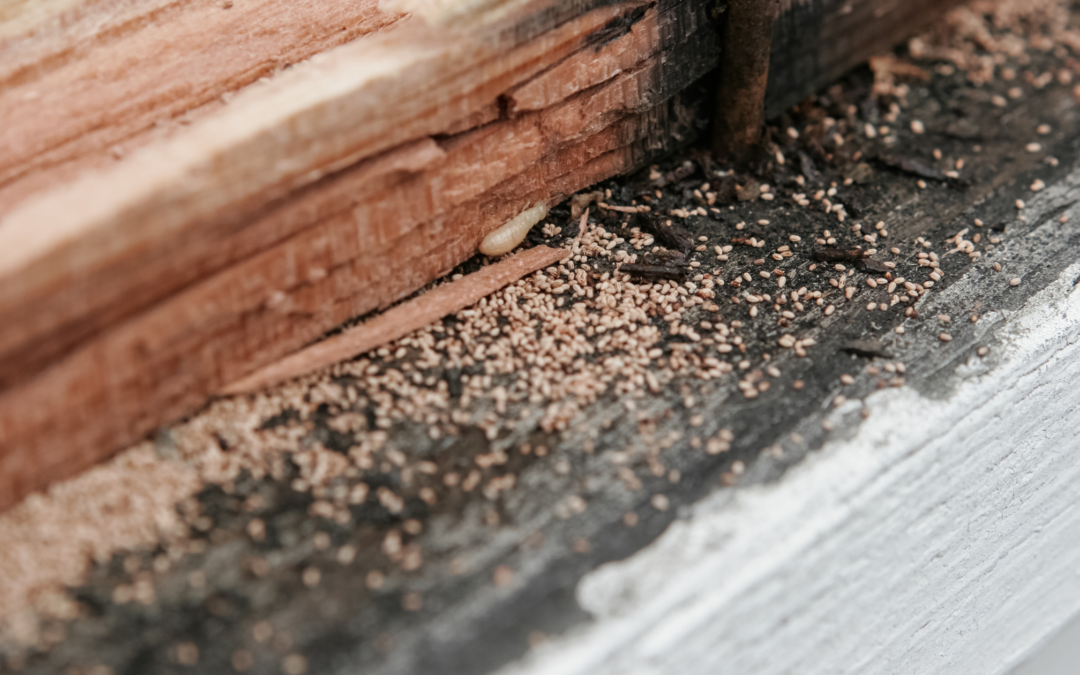
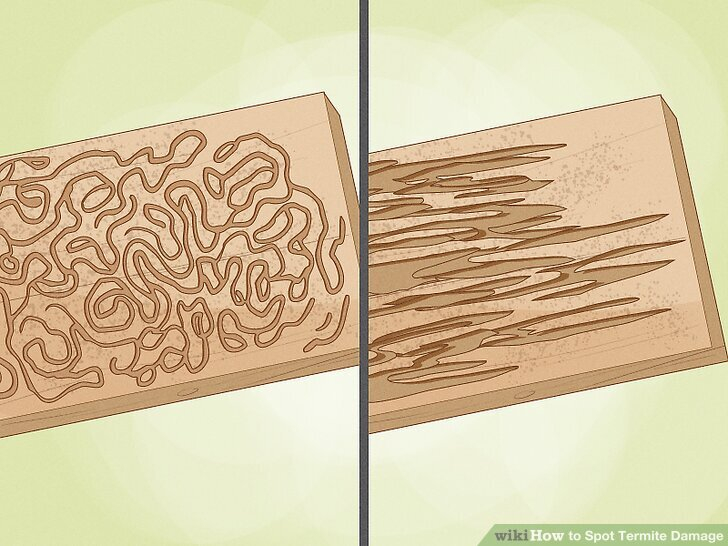
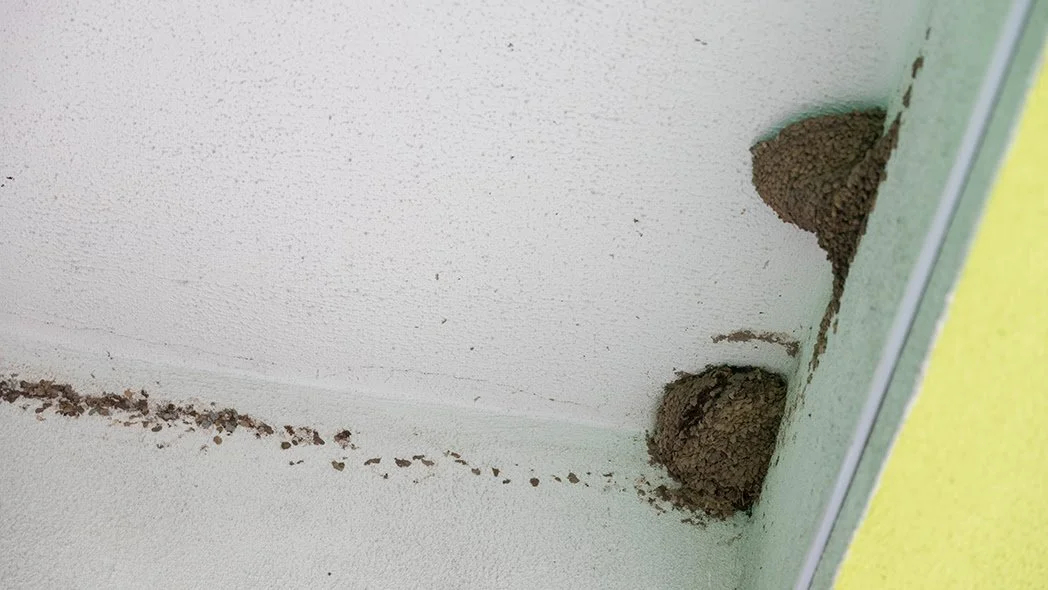
A general home inspector looks at the roof, the HVAC, the plumbing, and the electrical systems. They might spot a mud tube on a foundation wall and mention it, but they aren’t licensed to diagnose infestations or recommend treatments. A WDO inspector is a specialist. They know exactly where these pests hide—behind baseboards, under slab foundations, inside wall voids, and in attic rafters. They look for the subtle signs: frass (which is basically bug poop), discarded wings, hollow-sounding wood, and moisture issues that attract these critters.
Think of it like going to a general practitioner for a heart condition. Your GP is great for a checkup, but you need a cardiologist for the real diagnosis. In real estate transactions, especially in states like California or Florida, this distinction is critical. The WDO report is a legal document that details active infestations, past damage, and conditions conducive to future attacks. Without it, you are essentially guessing about the health of your home’s skeleton.
The Sticker Shock: Upfront Costs vs. Long-Term Disaster
Let’s talk numbers, because that’s usually what stops people. In 2026, a standalone WDO inspection typically costs between $75 and $150. If you bundle it with your general home inspection, you might even get a discount, bringing the add-on cost down to maybe $50. It’s the price of a nice dinner out. Two pizzas and a movie. That’s it.
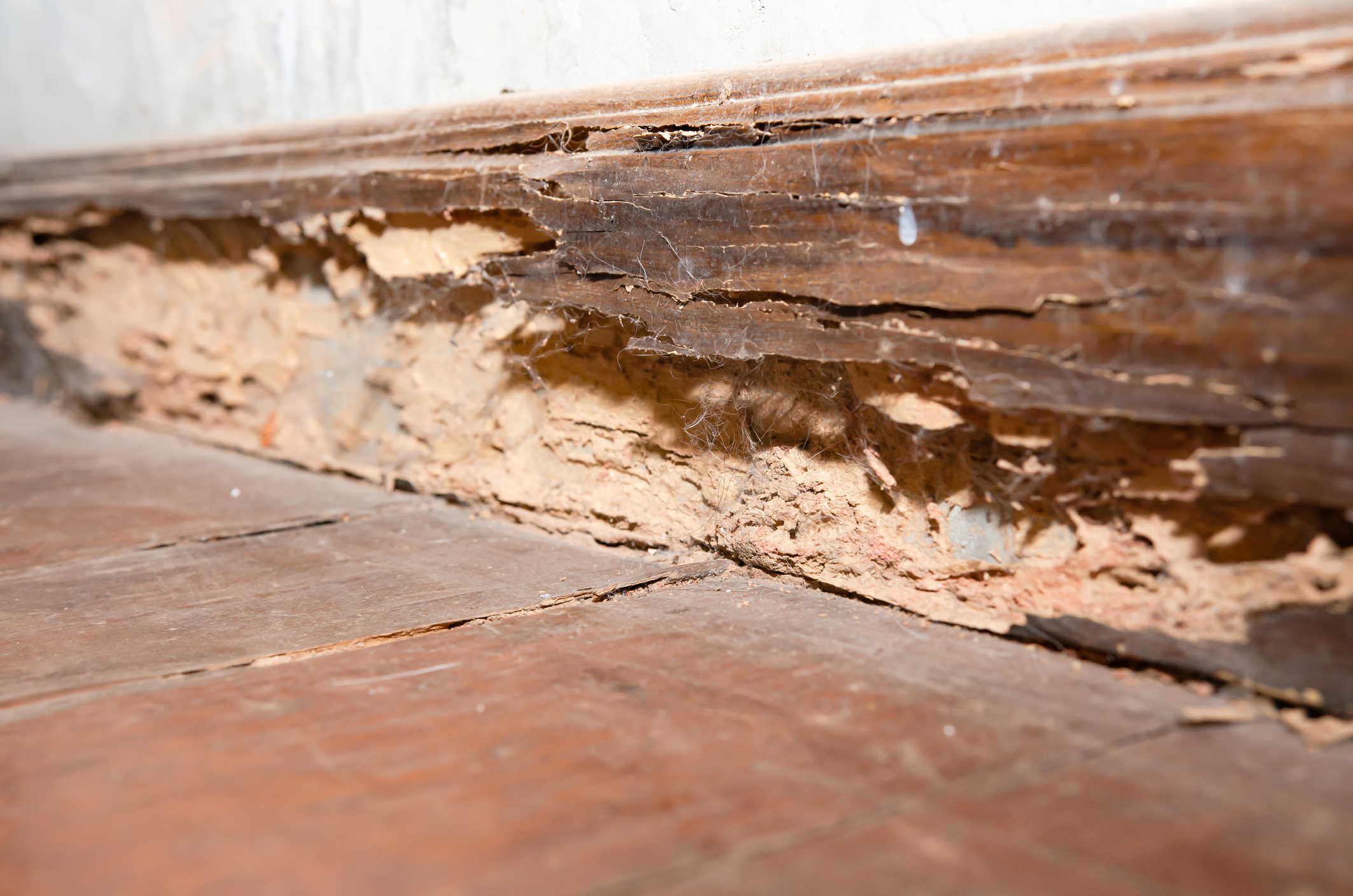
Now, compare that to the cost of fixing termite damage. We aren’t talking about a simple spray job. If active termites are found, the standard practice in most real estate contracts is for the seller to pay for treatment and provide a warranty. But here is the catch: treatment only kills the bugs. It doesn’t fix the wood they ate. If the inspector finds structural damage—say, a compromised load-bearing beam or eaten-away floor joists—you are looking at repairs that can easily run into the thousands.
I spoke with a contractor in Charleston recently who told me about a couple who skipped the WDO to save time. Three months after moving in, their kitchen floor sagged. When they pulled up the linoleum, they found the subfloor was basically dust. The repair bill? Over $18,000. And that didn’t even include the cost of tenting the house for fumigation. All because they wanted to save $100 upfront. It’s a classic case of being penny wise and pound foolish. The hidden costs of fungal damage and rot, which often go hand-in-hand with termite issues, can be even worse because insurance rarely covers gradual decay.
Lenders, Loans, and the Fine Print
Here is something many first-time buyers don’t realize: you might not even have a choice. If you are using an FHA or VA loan to buy your home, a WDO inspection is mandatory. These government-backed loans have strict requirements because the lender needs to ensure the property is structurally sound. They aren’t going to lend you hundreds of thousands of dollars on a house that might collapse due to bug damage.
Even if you are using a conventional loan, many lenders will require a WDO report if the general home inspector notes any suspicion of pest activity. It’s a risk mitigation strategy for them. But beyond the bank’s requirements, there is the issue of leverage. In a competitive market, buyers often waive inspections to make their offers more attractive. But waiving a WDO inspection is different than waiving a cosmetic check.
If you skip this step and later find out the house has a history of infestation, you have zero recourse. You bought it “as-is.” However, if you have the inspection done and the report comes back clean, you have peace of mind. If it comes back with issues, you can negotiate. In many cases, the seller will handle the treatment and provide a transferable warranty. This warranty is huge. It means if the bugs come back within a year or two, the pest control company fixes it for free. Without that report and subsequent warranty, that cost is 100% on you.
The "Conducive Conditions" Trap
Most people think a WDO inspection is just about finding live bugs. But the most valuable part of the report is often the section on “conducive conditions.” These are things that don’t mean you have termites now, but guarantee you will have them soon.
For example, if the soil around your foundation is graded incorrectly, water pools near the wood. Termites love moisture. Or maybe there is wood-to-ground contact, like a deck post sitting directly in the dirt without a concrete footer. Perhaps there is excessive mulch piled up against the siding. These are red flags. A good WDO inspector will point these out so you can fix them before they become an infestation.
Ignoring these warnings is like leaving your front door unlocked in a bad neighborhood. You might not get robbed tonight, but the odds are not in your favor. By identifying these conditions before closing, you can ask the seller to correct them. Maybe they need to regrade the landscaping or replace a rotten sill plate. These are relatively cheap fixes now, but if left alone, they invite destruction. It’s about prevention, not just cure. And honestly, knowing where the vulnerabilities are helps you maintain your home better in the long run.
Regional Risks: Not All Homes Are Created Equal
You might be thinking, “I live in the North, termites aren’t a big deal here.” That is a dangerous assumption. While subterranean termites are more prevalent in the South and Southeast, drywood termites and carpenter ants are widespread across the US. In 2026, climate change is shifting pest ranges. Areas that were previously safe are seeing new infestations.
In coastal regions, the risk isn’t just insects; it’s fungus and rot. Salt air and humidity create a perfect storm for wood decay. A WDO inspection in these areas is non-negotiable. Even in colder climates, carpenter ants can cause significant structural damage by hollowing out wood to build their nests. They don’t eat the wood like termites, but the result is the same: weakened structures.
Don’t let geography lull you into a false sense of security. Check local data. Talk to neighbors. Ask the inspector about regional trends. In some states, like California, the WDO report is a standard part of the disclosure process. In others, it’s an optional add-on that buyers frequently overlook. Know your local risks. If you are buying an older home, the risk increases significantly. Older homes have had more time to accumulate damage and more time for pests to find their way in. The age of the home should directly correlate with the thoroughness of your inspection.
So, let’s say you do the inspection, and the report comes back with some issues. Don’t panic. This is actually the best-case scenario. You found the problem before you owned it. Now you have options. First, determine if the infestation is active or historical. Historical damage means the bugs are gone, but the scars remain. Active infestation means the war is still happening.
If it’s active, request that the seller treat the property and provide a one-year warranty. This is standard. Do not accept a DIY spray job from the seller; insist on a professional treatment by a licensed operator. Get the receipt and the warranty documentation in writing before closing. If there is structural damage, get estimates from contractors. You can ask the seller to repair it, or you can ask for a credit at closing so you can manage the repairs yourself.
Sometimes, the damage is too severe, and the smartest move is to walk away. It hurts to lose a house you fell in love with, but it hurts less than losing your life savings to a money pit. Use the inspection as a tool for negotiation, not just a pass/fail test. Remember, the goal is transparency. You want to know exactly what you are buying. If the seller refuses to address significant WDO issues, that tells you everything you need to know about their honesty and the condition of the property. Walk away with your wallet intact.
Skipping a WDO inspection is a gamble where the house always wins. The small fee you pay upfront is an insurance policy against catastrophic loss. It gives you leverage, peace of mind, and a clear roadmap for maintaining your new home. In the grand scheme of buying a house, it’s a tiny line item with massive implications. Don’t be the person who saves $100 today to spend $20,000 tomorrow. Get the inspection. Read the report. Protect your investment. Your future self will thank you.