You walk into the open house. The floors are gleaming hardwood. The kitchen has that trendy farmhouse sink everyone wants. But then you catch it. A faint, earthy smell. Like wet socks left in a gym bag for a week. You pause. Your nose knows something your eyes haven’t seen yet.
It’s the scent of mold. Or at least, the ghost of it.
Buying a home is stressful enough without adding invisible spores to the mix. In 2026, with housing inventory still tight in many markets, you might find yourself staring at a listing that admits to "past moisture issues" or "previous remediation." Do you run? Do you negotiate? Or do you hold your breath and hope for the best?
Let’s be real. Mold is scary. We’ve all heard the horror stories about black mold making people sick. But not every speck of fungus is a dealbreaker. Sometimes, it’s just a symptom of a fixable leak. Other times, it’s a red flag waving frantically at you to walk away. Knowing the difference can save your wallet—and your lungs.
Why Mold Shows Up (And Why It’s Not Always a Disaster)
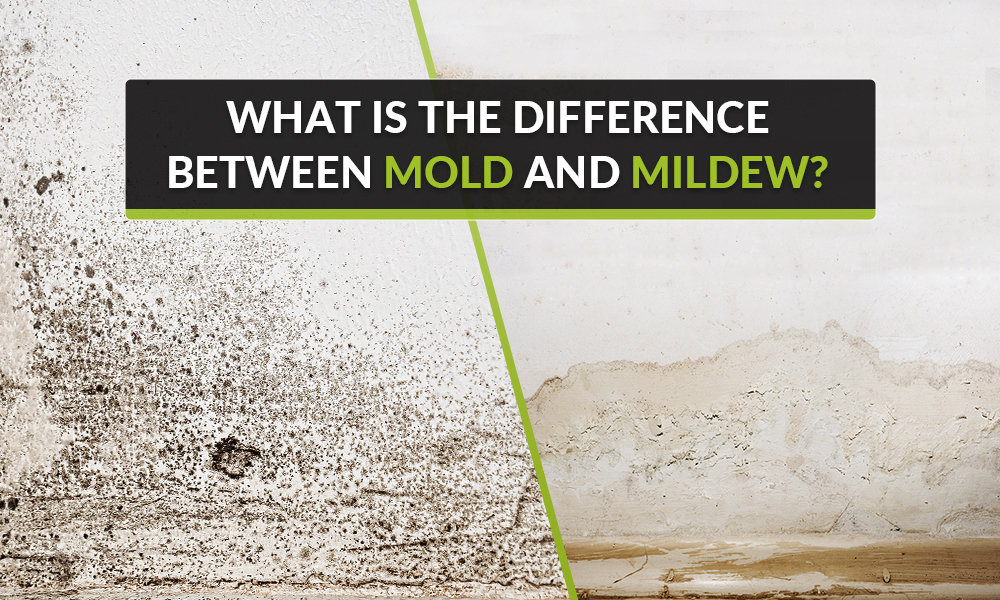
Mold isn’t trying to ruin your life. It’s just doing its job. It’s nature’s recycler. But when it decides to recycle your drywall, you have a problem. Mold needs three things to grow: food (like wood or paper), warmth, and moisture. That last one is the key. If you see mold, you don’t just have a cleaning issue. You have a water issue.
In older homes, especially those built before strict vapor barrier codes were common, minor condensation can lead to surface mold. This is often easy to fix. A good scrub with a specialized cleaner and fixing a leaky pipe might be all it takes. But if the mold is deep inside the walls, behind the cabinets, or under the flooring, that suggests a chronic leak or poor ventilation that’s been ignored for years.
Think of mold like smoke. Seeing a little smoke from a candle is fine. Seeing smoke billowing from the attic means there’s a fire. Extensive mold growth is a sign of a bigger problem with the home, and could even mean structural damage. The wood studs holding up your roof can rot if they stay wet too long. That’s not just a cosmetic fix. That’s engineering.
So, when you see that disclosure, don’t panic. Ask questions. When did it happen? Where was it? Was it just surface level, or did they tear out walls? The answer tells you if you’re dealing with a minor nuisance or a major structural headache.
The Health Angle: What’s Actually in the Air?
This is the part that keeps people up at night. Will living here make me sick? The short answer is: it depends. And honestly, the science is still evolving. In 2026, we know more than we did ten years ago, but there’s still no single "mold test" that tells you exactly how sick you’ll get.
For most healthy adults, small amounts of mold exposure might cause nothing more than a stuffy nose or itchy eyes. It’s annoying, sure, but not deadly. However, for people with asthma, allergies, or compromised immune systems, the stakes are higher. Mold spores can trigger severe attacks. Some types of mold, like Stachybotrys (often called "black mold"), produce mycotoxins. These are toxic substances that can cause more serious reactions, including headaches, fatigue, and respiratory issues.
But here’s the tricky part. Everyone reacts differently. Your neighbor might live in a moldy basement and feel fine. You might walk in and start coughing within an hour. There’s no universal threshold for "safe" levels because our bodies are unique. If you or anyone in your family has respiratory issues, you need to be extra cautious.
Don’t rely on the seller’s word that it’s "all clean." Even after remediation, spores can linger in HVAC systems or settle in dust. If you have health concerns, a house with a significant mold history might not be worth the risk, no matter how good the price is. Your health isn’t something you should gamble on for a nicer kitchen.
Spotting the Signs Before You Make an Offer
You don’t need to be an inspector to spot potential mold problems. Your senses are your first line of defense. Start with your nose. That musty, earthy smell is the biggest giveaway. If the house smells like a damp basement, even if it’s on the second floor, there’s likely moisture hiding somewhere. Sellers often pump in artificial scents—vanilla, lemon, fresh linen—to mask odors. If the air freshener is overpowering, be suspicious.
Next, use your eyes. Look for water stains on ceilings and walls. They often look like yellowish-brown rings. Check under sinks for warped cabinetry or soft spots in the floor. Peek behind the toilet. Look at the baseboards. Are they pulling away from the wall? That could mean water damage from the floor below or outside leaks.
Pay attention to the windows. Do they have heavy condensation? While some fogging is normal in winter, excessive moisture on the glass suggests high humidity levels inside the home. High humidity is a breeding ground for mold. Also, check the attic if you can. Shine a flashlight on the underside of the roof deck. Dark streaks or fuzzy patches are bad news.
Finally, trust your gut. If the seller seems evasive about water damage, or if the disclosure form is vague, dig deeper. A general home inspection is a good idea, but remember that standard inspectors aren’t always certified mold experts. They might miss hidden pockets of growth. If you suspect a problem, you need a specialist.
The Inspection Gap: Why General Inspectors Miss Mold
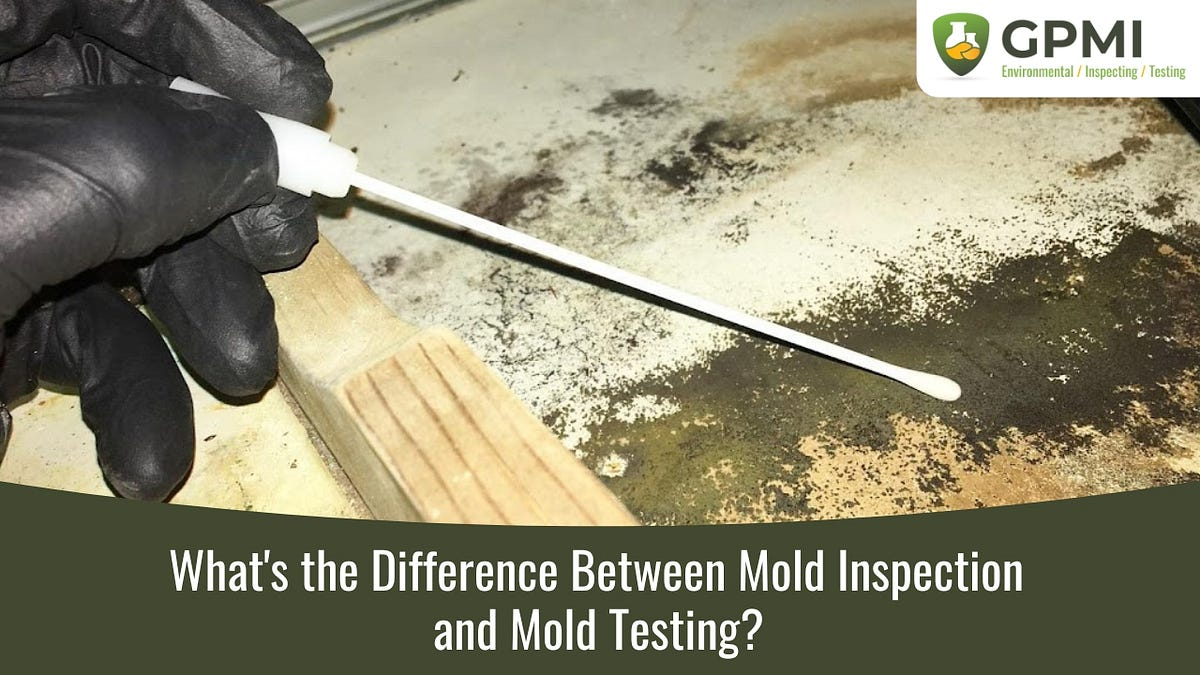
Here’s a hard truth: a standard home inspection is not a mold inspection. Most general home inspectors are trained to look for visible defects and safety hazards. They might note visible mold or signs of water intrusion, but they rarely take air samples or tear into walls to find hidden colonies. They aren’t equipped to tell you what type of mold is present or how widespread it is.
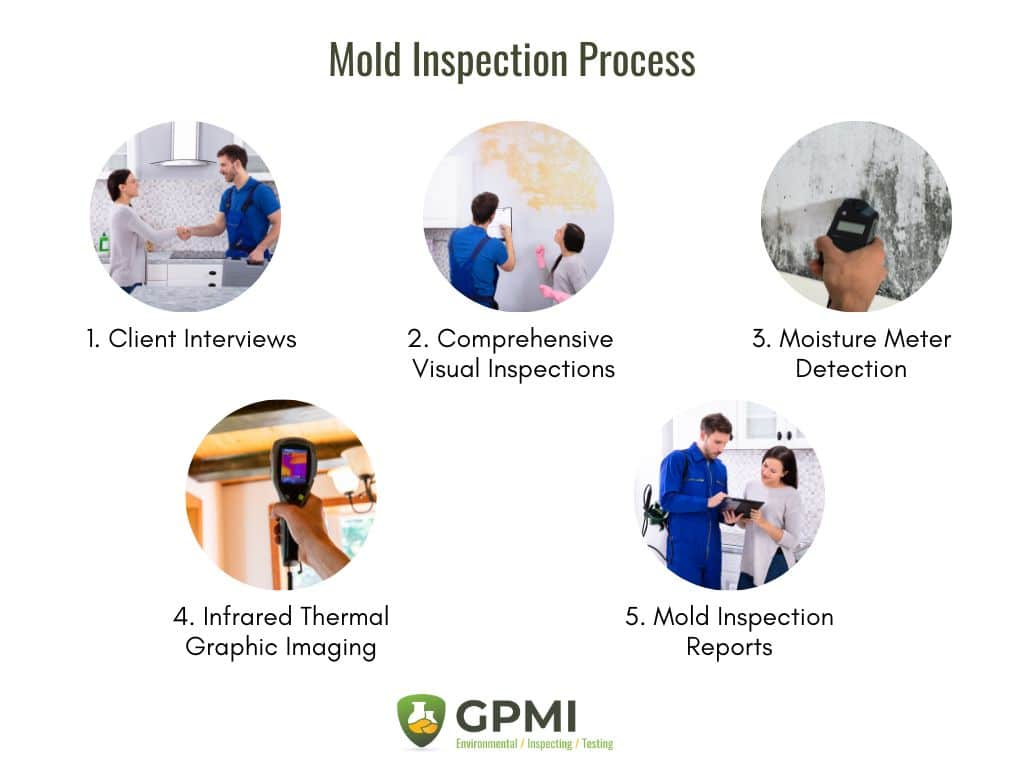
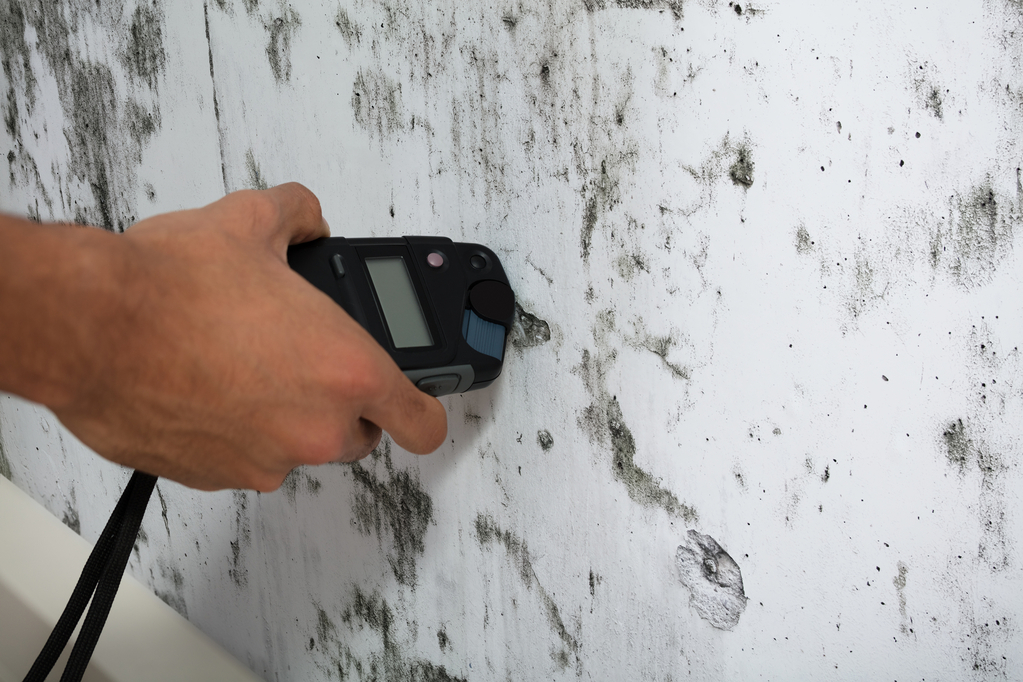
That’s why getting a dedicated mold inspection is crucial if you have any doubts. A certified mold inspector uses tools like moisture meters, thermal imaging cameras, and air quality tests. Thermal cameras can show cold spots behind walls where water might be leaking. Moisture meters detect dampness in materials that look dry on the surface.
Air sampling can tell you if the spore count inside is significantly higher than outside. But be careful with these tests. Results can be tricky to interpret. A high spore count doesn’t always mean active growth; it could just mean someone opened a window on a windy day. Conversely, a low count doesn’t guarantee safety if there’s a large colony hidden behind a sealed wall.
The goal of a mold inspection isn’t just to find mold. It’s to find the source of the moisture. Without fixing the leak, removing the mold is pointless. It will just come back. A good inspector will give you a roadmap: here’s where the water is coming from, here’s how much mold is there, and here’s what it will cost to fix it properly. This data is gold when it comes time to negotiate.
The Money Talk: Remediation Costs and Negotiation
Let’s talk dollars. Mold remediation isn’t cheap. For a small, contained area, you might pay a few hundred dollars. But for extensive infestation that requires tearing out drywall, treating framing, and replacing HVAC components, the bill can easily run into the thousands. In 2026, labor and material costs remain high, so budget conservatively.
If the inspection reveals significant mold, you have leverage. You can ask the seller to pay for professional remediation before closing. This is often the safest route because you know it’s done by pros. However, sellers might resist. They might offer a credit instead. Be careful here. A credit gives you cash, but it also gives you the responsibility of managing the cleanup. If you underestimate the cost, you’re stuck with the bill.
Another option is negotiating a lower sale price. This accounts for the cost of remediation and the hassle factor. It also helps with future resale value. Let’s be honest: a home with a known mold history can be harder to sell later. Buyers will ask questions. Having documentation of professional remediation helps, but the stigma can linger.
Don’t forget about insurance. Some insurers may raise your premiums or exclude mold coverage if there’s a history of issues. Check with your agent early. You don’t want to close on the house only to find out you can’t get affordable coverage. Knowledge is power. Get quotes for remediation before you finalize your offer. Use those numbers to justify your counter-offer.
So, when is it time to pack up and leave? If the mold is caused by fundamental structural flaws—like a cracked foundation letting in groundwater or a roof that’s beyond repair—it’s probably best to walk away. These are expensive, recurring problems. No amount of scrubbing will fix a broken foundation. If the inspector says the structural integrity is compromised, listen to them.
Also, walk away if the seller refuses to disclose the extent of the problem or won’t allow a specialized inspection. Transparency is key. If they’re hiding things now, they’ll likely hide other maintenance issues later. Trust is essential in a real estate transaction. If it’s gone, the deal is toxic.
But don’t rule out every house with a mold history. If the issue was a one-time event—like a burst pipe that was fixed immediately and professionally remediated—it might be a great opportunity. You could get a beautiful home at a discount. Just make sure you have the receipts. Demand proof of the remediation process, including post-clearance testing results.
Push through if the source of moisture is simple and fixable, like a missing gutter or a poorly sealed window. These are minor repairs. If the mold is surface-level and the air quality tests come back clean, you’re likely safe. Just keep an eye on humidity levels once you move in. Use dehumidifiers and ensure good ventilation.
Buying a house with mold isn’t inherently bad. It’s just different. It requires more homework, more inspections, and more caution. But with the right approach, you can turn a potentially risky purchase into a smart investment. Don’t let fear drive your decision. Let facts drive it.
At the end of the day, your home should be your sanctuary, not a source of stress. Take your time. Ask the tough questions. Spend the money on the right inspections. If the numbers work and the health risks are managed, you can breathe easy. Literally.
Remember, you’re not just buying a structure. You’re buying your peace of mind. If that peace feels fragile, it’s okay to keep looking. There are plenty of fish in the sea, and plenty of houses without fungal histories. But if you find the right one, and you handle the mold issue head-on, you might just find your dream home hiding behind a little bit of dust.