You know that feeling when you walk into a room and it just feels… complete? It’s not always about the expensive sofa or the perfect rug. Sometimes, it’s the little things. The objects that tell a story. In 2026, we’ve seen a massive shift away from sterile, showroom-perfect spaces toward homes that feel lived-in and loved. And right at the center of this shift? The humble coffee table book.
Gone are the days of stacking three identical beige tomes just to fill space. That’s old news. Today, these books are curated artifacts. They’re conversation starters, color anchors, and personal manifestos all rolled into one. If you’ve been wondering why your living room feels a bit flat despite having all the "right" furniture, the answer might be sitting right there on your table, waiting to be styled properly. Let’s dive into how the pros are doing it this year.
Beyond the Stack: The New Rules of Arrangement
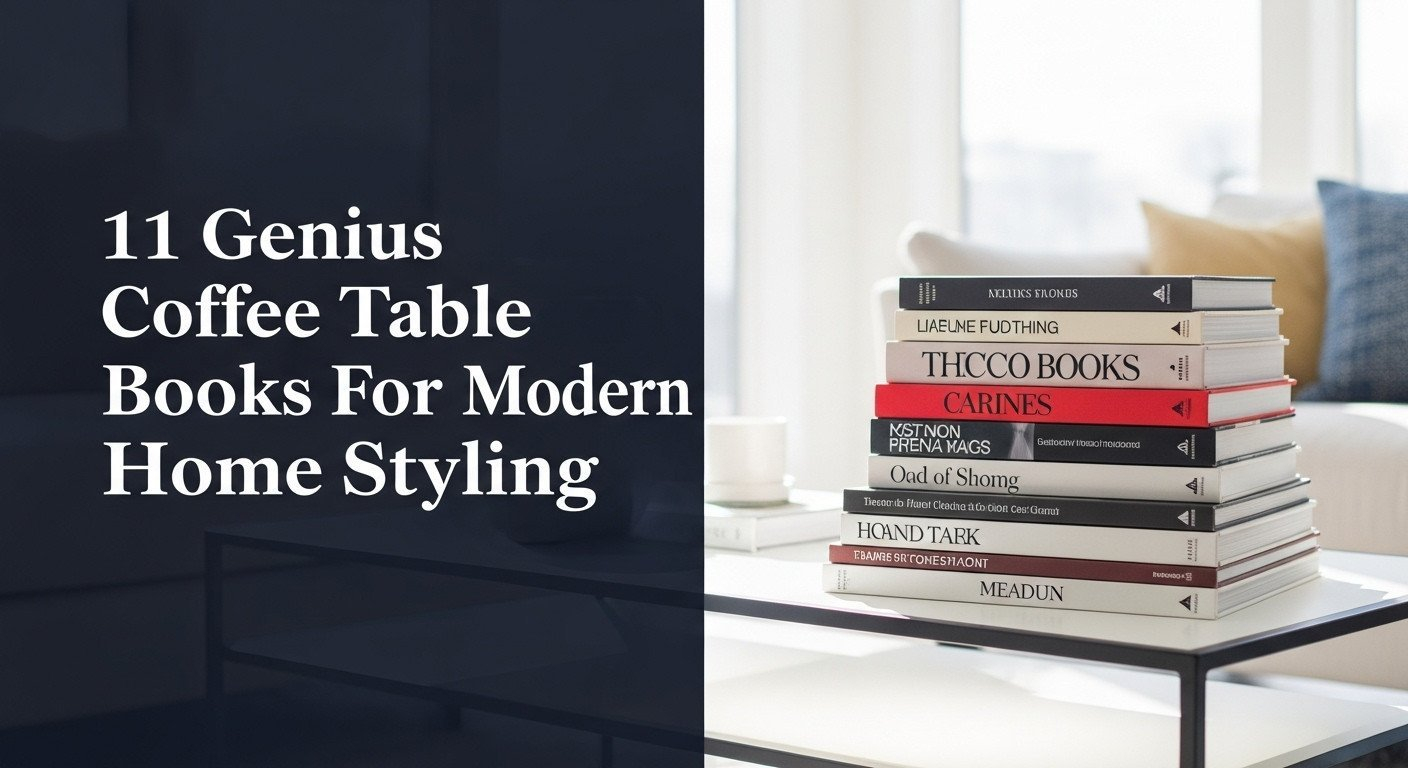
Let’s be honest, most of us just pile books up. Maybe two on the bottom, one on top. Done. But interior designers in 2026 are treating these stacks like mini-sculptures. It’s about balance, height, and visual weight. A single stack in the center is okay, but it’s rarely exciting. The current trend favors asymmetry. Think of your coffee table as a canvas. You want eye movement.
Try creating two distinct groups instead of one big mound. One stack might be taller, featuring larger art books, while the other is lower and wider. This creates a dynamic line for the eye to follow. Designers are also playing with orientation. Mixing horizontal stacks with a single vertical book leaning against them adds immediate interest. It breaks the monotony. It feels less staged and more like you just set it down there after browsing.
Don’t forget the negative space. You don’t need to cover every inch of the table. In fact, leaving some bare wood or marble visible makes the books pop more. It gives the arrangement room to breathe. If your table is small, one carefully curated stack is better than three messy ones. Quality over quantity, always. It’s about intentionality. When you place a book, ask yourself: does this add to the story I’m telling in this room?
Curating for Personality, Not Just Prestige
For years, coffee table books were status symbols. You bought the big Chanel book or the latest architecture digest to show you had taste. But in 2026, authenticity is the new luxury. People are tired of pretending. Designers are encouraging clients to choose books that actually mean something to them. Do you love gardening? Get a beautiful botanical guide. Obsessed with vintage cars? Find a photographic history of classic models.
This shift makes the space feel genuine. Guests can pick up a book and learn something about you. It’s an invitation to connect. We’re seeing a rise in niche topics too. Instead of general "art" books, people are choosing specific movements or local artists. It shows depth. It shows curiosity. And frankly, it’s just more interesting to look at. A stack of books about mid-century ceramics tells a different story than a generic design annual.
Where do you find these gems? Thrift stores are goldmines. Estate sales too. You don’t always need brand-new releases. Older books often have richer textures and unique typography that mass-market prints lack. Plus, there’s a sustainability angle that resonates with many homeowners today. Reusing and repurposing books fits perfectly with the eco-conscious mindset of 2026. It’s smart styling with a conscience.
Texture and Material: The Tactile Experience
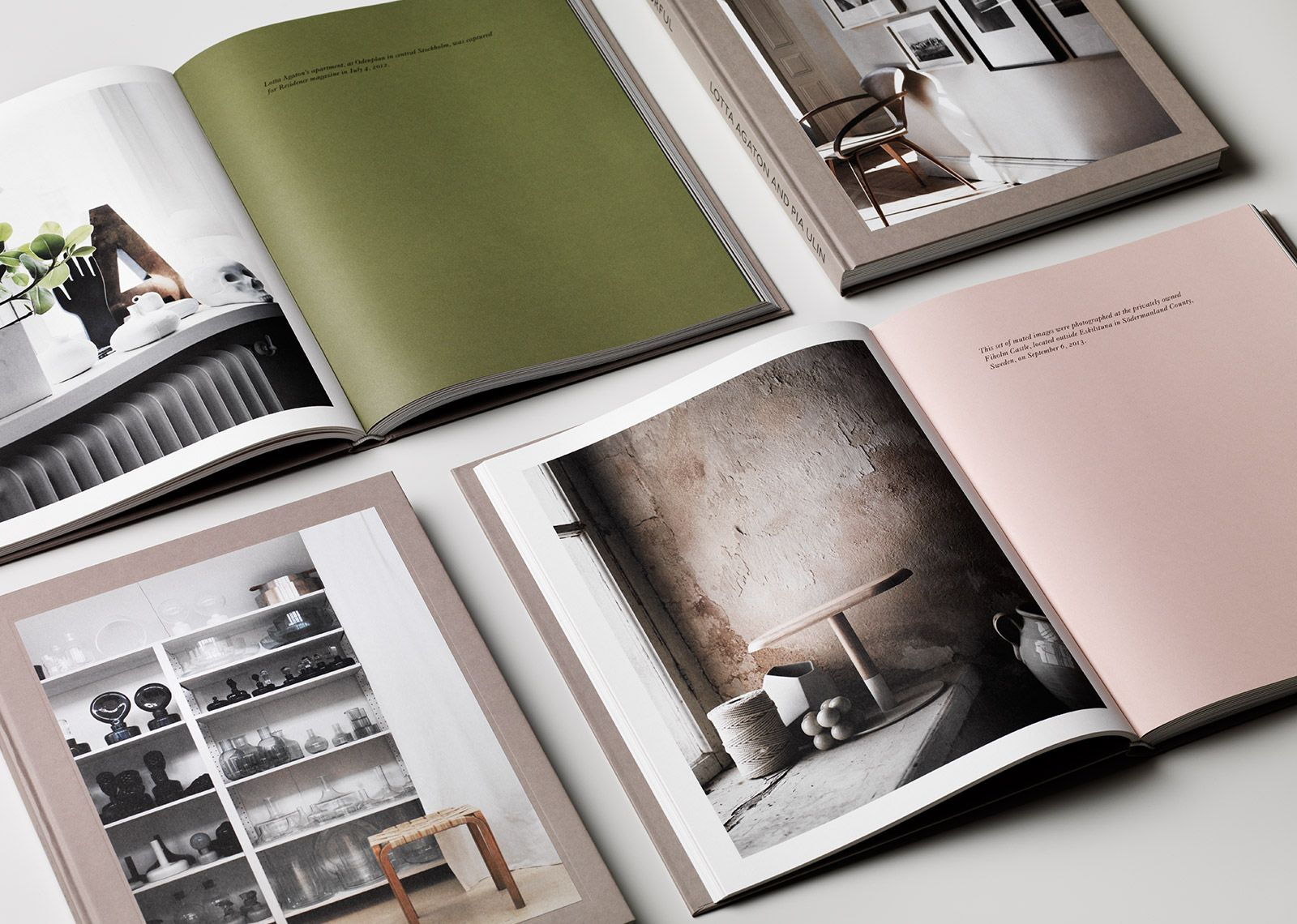
We live in a digital world. We swipe screens all day. So, when we come home, we crave touch. Coffee table books offer a tactile experience that screens can’t match. Designers are leveraging this by focusing on the physical qualities of the books. The cover material matters. Linen-bound spines, embossed leather, or even rough-cut paper edges add layers of texture to the room.
Mixing materials is key. If your coffee table is sleek glass, you need books with warm, organic covers to soften the look. If the table is heavy wood, maybe introduce a book with a glossy, modern finish for contrast. It’s about creating a sensory dialogue. Run your hand over the stack. Does it feel interesting? Does it invite you to pick it up? That’s the goal.
Color plays a huge role here too. While monochromatic stacks were huge in the early 2020s, 2026 is embracing color blocking. Group books by spine color to create a bold visual statement. Or, go the opposite route and mix colors wildly for an eclectic, vibrant vibe. Both work, depending on your style. Just ensure the colors complement the rest of the room’s palette. You don’t want the books to clash with your sofa unless that’s the specific artistic intent.
Integrating Objects: The Art of the Vignette
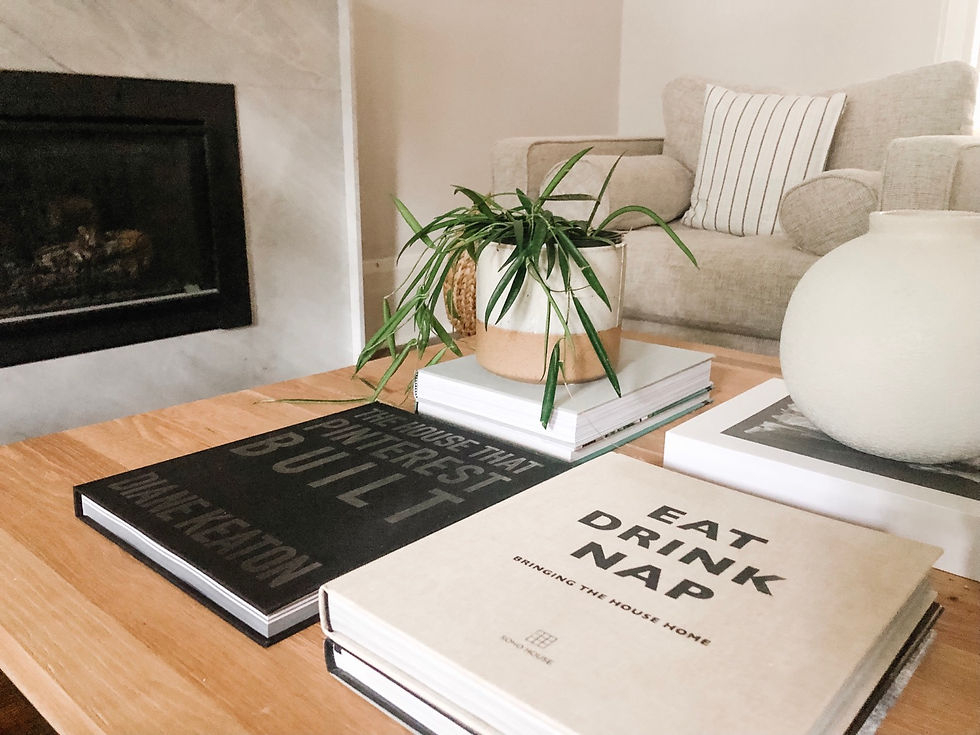
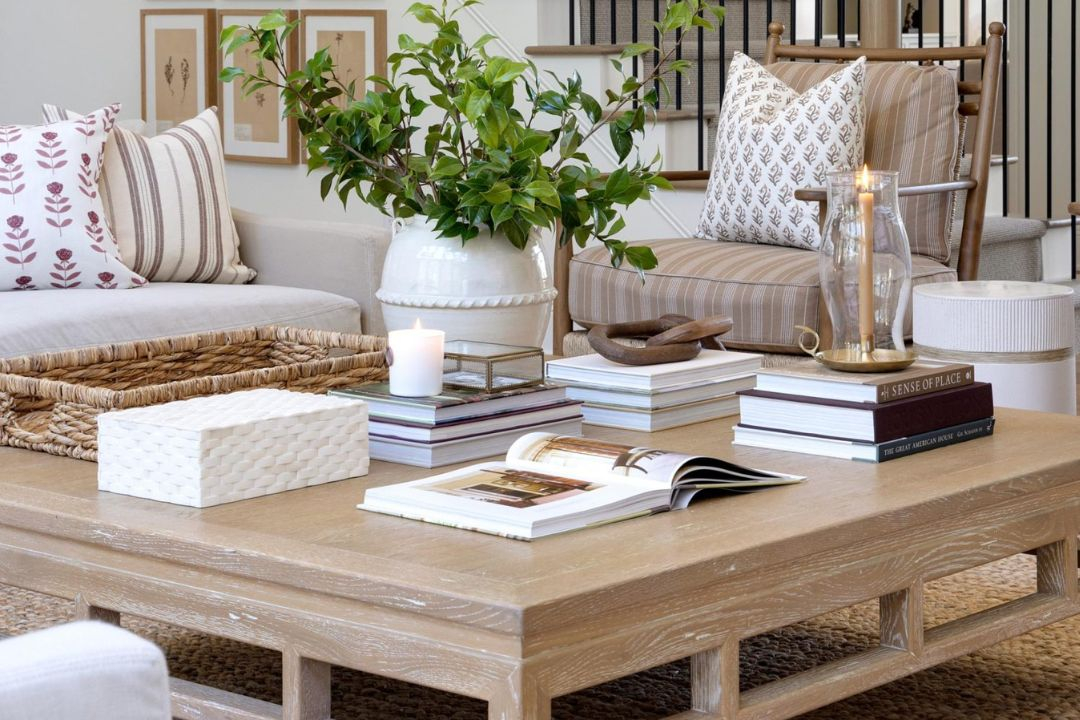
A stack of books alone is fine, but a stack of books with a object on top? That’s a vignette. This is where styling gets fun. Designers use books as pedestals for other decor items. A small ceramic vase, a sculptural candle, or a piece of driftwood can sit atop a book stack. This adds height and draws the eye upward. It creates a focal point.
The rule of thumb is scale. The object should be proportional to the book. A tiny ring on a huge encyclopedia looks lost. A massive bowl on a thin magazine looks precarious. Balance is everything. Also, consider the shape. Round objects soften the hard lines of rectangular books. Organic shapes like stones or branches bring nature indoors, which is a major trend this year.
Seasonal swaps keep the look fresh. You don’t need to buy new books every month. Just change the object on top. In spring, maybe a small potted succulent. In winter, a pinecone or a metallic ornament. This keeps the living room feeling current and engaged with the rhythm of the year. It’s a small effort for a big impact. Plus, it gives you an excuse to play around with your decor whenever you feel bored.
Breaking the Clichés: What’s Out in 2026
Let’s talk about what’s no longer working. The perfectly symmetrical, color-coordinated, untouched stack is out. It looks like a hotel lobby, not a home. People want imperfection. They want signs of life. Don’t be afraid to leave a book open to a favorite page. It invites interaction. It says, "I was just reading this." That’s powerful.
Another cliché to avoid is the "fake book" trend. You know, those hollow boxes made to look like books? Designers are steering clear of these. They lack soul. Real books have weight and history. Even if you don’t read them cover-to-cover, they represent knowledge and culture. Fake books just represent clutter. Stick to the real deal. Your space will feel more authentic.
Also, stop hiding your interests. If you love comic books, feature a high-quality graphic novel anthology. If you’re into science, display a stunning astronomy atlas. There’s no shame in showing what you love. In fact, it’s celebrated. The stigma around "nerdy" topics has vanished. Intellectual curiosity is chic. Embrace it. Let your coffee table reflect your true self, not some idealized version of who you think you should be.
So, how do you actually do this? Start by clearing off your table. Wipe it down. Look at the space with fresh eyes. Gather all your books in a pile on the floor. Sort them by size and color. Play around with different combinations before putting them on the table. Move them around. Step back. Take a photo. Sometimes seeing it through a lens helps you spot imbalances.
Keep it functional. Remember, it’s a coffee table. You need space for your actual coffee cup. Don’t let the books take over so much that you can’t use the surface. Leave a clear zone for drinks and remotes. Styling shouldn’t compromise utility. If you have kids or pets, maybe keep the fragile items higher up or use heavier books as bases to prevent tipping.
Finally, trust your gut. If it looks good to you, it is good. Design rules are guidelines, not laws. If you love a chaotic, colorful mess of magazines and novels, own it. If you prefer minimalism with one single, striking art book, that’s valid too. The best interiors are those that make the inhabitants feel comfortable and happy. So, experiment. Have fun with it. Your living room should be a joy to be in, not a museum to be feared.
In the end, coffee table books are more than just decor. They’re a reflection of who we are and what we value. In 2026, we’re moving away from perfection and toward connection. By styling these books with intention and heart, we create spaces that welcome us home. So go ahead, pull that old travel guide off the shelf. Dust it off. Put it on the table. Let it start a conversation.