Have you ever walked into a tiny room and felt totally hugged by the walls. Most of us admire rich shades in magazines, but bringing them into a single-room home can feel pretty scary.
Living in a compact space often makes people stick to boring whites and soft greys. They fear that bright paint will swallow the floor space and make the room look tiny. But avoiding color altogether means missing a chance to show off your real personality.
Why 2026 Color Trends Favor Bold Choices
Design trends for 2026 are all about purposeful contrast and tactile finishes. Instead of flat walls, modern homes lean into rich textures that interact with light. This shift means you can use deeper tones without making the room feel heavy.
When you mix strong hues with plenty of neutral breathing room, the result reads intentional rather than chaotic. You do not need to fear color just because your square footage is modest. The trick is understanding how light moves across your walls.
Finding the Sweet Spot With Muted Jewel Tones
Bright citrus shades and deep jewel tones pack a massive visual punch. The main secret to keeping things from turning garish is picking shades that stay sophisticated. Muted versions of your favorite vibrant colors are far more visually soothing.
Think of a dusty emerald or a rich terracotta instead of a neon green or bright orange. These toned-down options bring drama and depth without overpowering your furniture. They catch the evening light beautifully and create a cozy atmosphere.
Creating Smart Focal Points Through Accent Walls
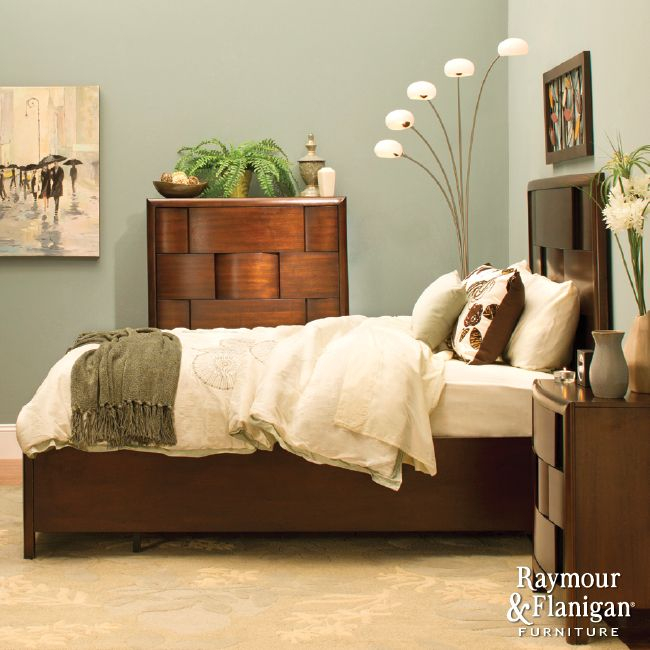
You do not have to paint every single wall a dark color to make an impact. Choosing just one focal wall behind your bed or sofa anchors the whole room. This draws the eye straight to a specific spot and gives the space a sense of order.
Once you set up that main backdrop, keep the surrounding surfaces light and airy. This balance stops the room from closing in on you. It lets you enjoy your favorite shade without feeling trapped inside a brightly colored box.
Layering Textures and Fabrics for Balance
Color is only one part of the puzzle when styling a compact home. Incorporating different textures helps break up solid blocks of paint. Think about adding chunky knit throws, woven baskets, or velvet cushions.
Tactile finishes catch shadows and light in unique ways. This interplay tricks the eye into seeing more depth and dimension. When your walls have a bold hue, soft furnishings help tie the whole look together smoothly.
Using Lighting to Manipulate Mood and Space
Lighting plays a huge role in how we perceive color in small rooms. Natural daylight can make a deep shade look vibrant and lively. Meanwhile, warm evening lamps add a layer of moody drama.
Try layering your light sources instead of relying on just one overhead bulb. Desk lamps, floor lights, and wall sconces let you control which parts of the room stand out. This flexibility keeps your vibrant decor feeling fresh at all times.
If painting walls feels like too big of a commitment, start with your furnishings. A bright velvet armchair or a colorful rug can inject personality into a neutral shell. These pieces are easy to swap out if you want to change things later.
Accessories like artwork, curtains, and ceramics also offer low-risk ways to play with saturation. By distributing these colorful elements evenly around the room, you create a cohesive flow. Everything feels connected instead of random.
Bringing rich hues into a compact home does not have to be an intimidating task. By picking sophisticated shades and balancing them with smart lighting, you can craft a space that feels both personal and open.
Embrace the process of experimenting with your favorite tones. Your studio apartment should reflect who you are and bring you joy every single day.