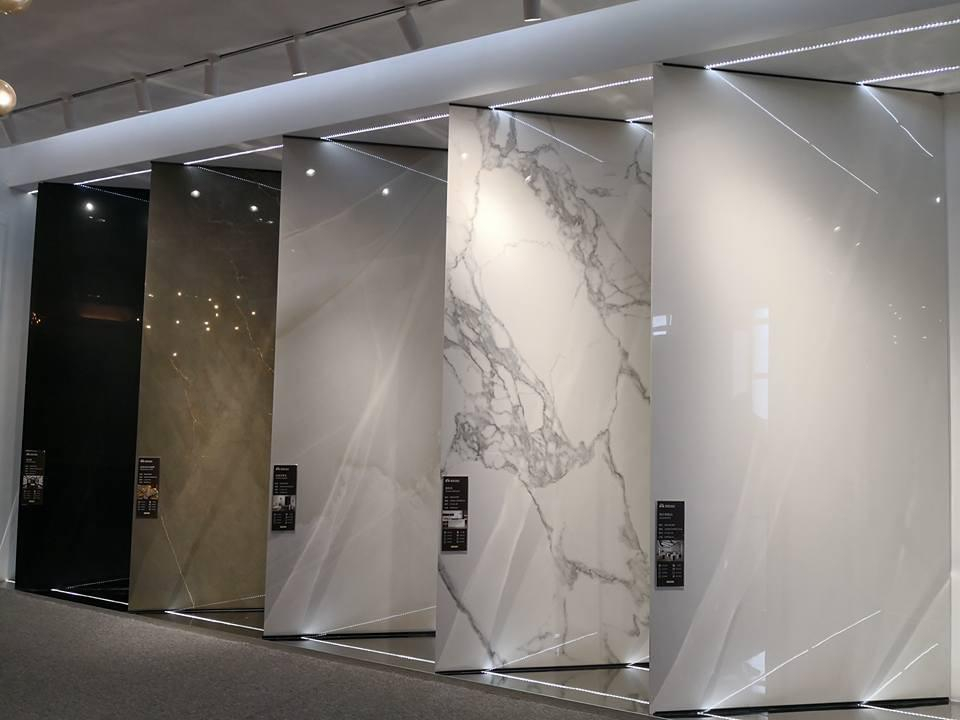
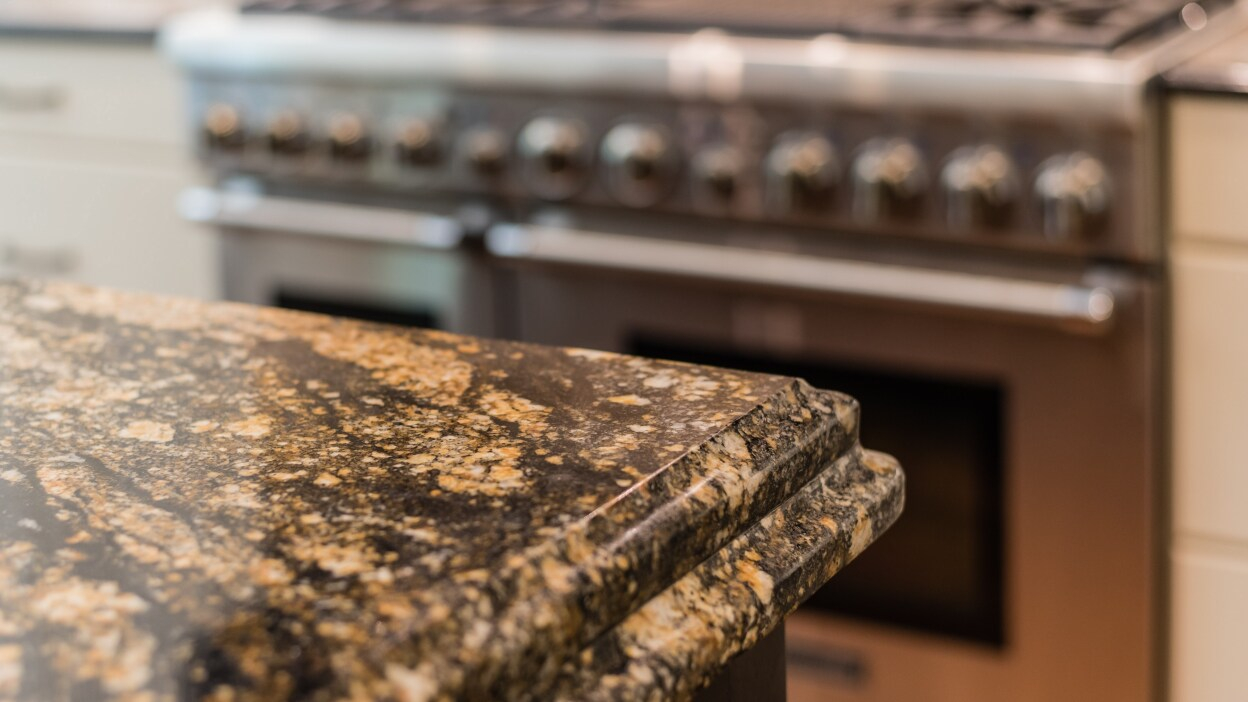
You’re standing in the showroom. The lights are bright, maybe a bit too bright. Your fingers trace the cool surface of a slab that looks like marble but feels like rock. The salesperson is talking about "non-porous" and "heat resistant," words that sound like music to your ears. You want something beautiful. Something that lasts. But there’s a nagging feeling in the back of your mind. Are they all the same? Is one just a fancy name for the other?
Most people think it’s just a choice between price and pretty patterns. They pick the one that matches their backsplash and call it a day. But here’s the thing. That decision is going to live with you for ten, twenty, maybe thirty years. And what looks good on day one might drive you crazy by year three if you didn’t know what you were really buying.
Let’s talk about what’s actually happening under the surface. Because sintered stone, quartz, and granite are not just different rocks. They are different beasts entirely. And missing the subtle details now can cost you a fortune in repairs or regret later.
The Myth of Indestructibility
We love to hear that our countertops are indestructible. It’s a comforting lie. Granite is often sold as the tough guy of the kitchen. And sure, it’s hard. You can drop a cast iron skillet on it, and it’ll probably survive. But granite has a secret weakness. It’s porous. Even when sealed, those tiny microscopic holes are there. Spill red wine? Coffee? Olive oil? If you don’t wipe it up instantly, it’s seeping in. By 2026, we have better sealers than we did ten years ago, but they still require maintenance. You have to re-seal every year or two. Forget that, and you’ve got a stained mess that no amount of scrubbing will fix.
Quartz, on the other hand, is engineered. It’s about 90-95% ground quartz mixed with resin. This makes it non-porous. No sealing needed. That’s a huge win for busy families. But here’s what people miss: the resin is plastic. Basically. And plastic has limits. Put a hot pot directly from the oven onto quartz, and you risk thermal shock. The resin can melt, discolor, or crack. It’s not just a warning label; it’s a real physical limitation. I’ve seen homeowners try to buff out a burn mark, only to make it worse. Quartz is tough against stains, but it’s surprisingly delicate with heat.
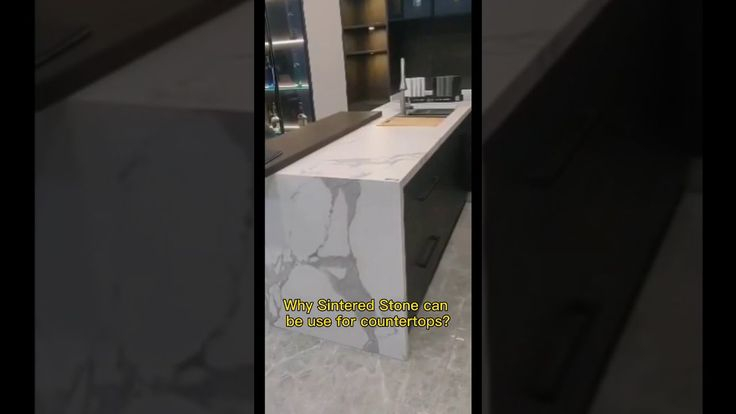
Sintered stone enters the chat as the new contender. It’s made by compressing natural minerals and firing them at incredibly high temperatures. Think of it like super-charged ceramic. It’s non-porous like quartz, so no sealing. But unlike quartz, it doesn’t use resin. This means it can handle extreme heat. You can put a scorching pan right on it. No problem. However, this strength comes with a trade-off that few discuss. Because it’s so hard and rigid, it’s brittle. Drop a heavy object on the edge, and it might chip or crack in a way that granite would just shrug off. It’s not invincible. It’s just invincible in different ways.
The Aesthetic Trap: Looking Real vs. Being Real
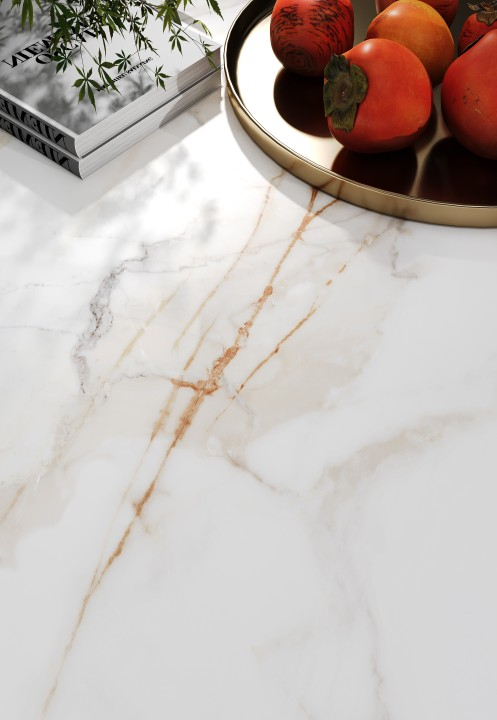
Walk into any high-end kitchen in 2026, and you’ll see slabs that look exactly like Calacatta marble. Veins flowing, soft whites, dramatic grays. It’s stunning. But look closer. With quartz, the pattern is printed or mixed in. Manufacturers have gotten incredibly good at this. Some brands even add depth to the veins so they look like they go through the slab. But if you look at the edge, or if you have a large island, you might notice the pattern repeats. It’s a telltale sign. For some, this doesn’t matter. For others, it feels fake.
Granite is the real deal. Every slab is unique because it’s pulled straight from the earth. No two are alike. This is its biggest selling point and its biggest headache. You can’t just pick "granite." You have to pick the slab. What you see in the showroom might not be what arrives at your house. The variation can be wild. One corner might be dark black, another speckled white. If you’re a control freak, granite might keep you up at night. But if you love organic beauty, nothing beats the random chaos of nature.
Sintered stone tries to bridge this gap. The technology in 2026 allows for full-body veining. This means the pattern isn’t just on the surface; it goes all the way through. If you chip it, the vein continues. This is a game-changer for edges and cutouts. It looks more authentic than quartz because the depth is real. But it can still look too perfect. The patterns are designed by computers, so they lack the random imperfections of granite. It’s a curated beauty. Clean. Controlled. Some find it cold. Others find it reassuring. The mistake homeowners make is assuming sintered stone will look exactly like the sample. Because the printing technology is digital, batch variations can happen, though they are less common than with granite.
The Installation Headache You Didn’t See Coming
Here’s a secret the contractors might not lead with: not everyone can install these materials. Granite has been around forever. Every fabricator knows how to cut it, polish it, and seam it. It’s forgiving. If they make a small mistake, they can often patch it or polish it out. The tools are standard. The knowledge is widespread. This keeps installation costs relatively predictable, though the material itself can vary wildly in price.
Quartz is also widely understood. But it requires specific handling because of the resin. Cutting it creates silica dust, which is a major health hazard. In 2026, regulations around silica dust are stricter than ever. A reputable installer will have wet-cutting saws and serious ventilation. If you hire a handyman who cuts dry in your garage, you’re breathing in dangerous particles. Also, quartz seams can be visible if not done perfectly. The color matching has to be exact. A bad seam on white quartz looks like a scar.
Sintered stone is the diva of installation. It requires specialized tools. Diamond blades that are sharper and more expensive. The material is thin—often only 12mm or 20mm—but incredibly dense. It doesn’t flex. If the cabinets underneath aren’t perfectly level, the slab can crack under its own weight during installation. This means your cabinetry needs to be rock-solid. Literally. Many old homes need cabinet reinforcement before sintered stone can go in. And finding an installer who is certified to work with it? That can be hard. In some cities, you might have to wait weeks for a specialist. This scarcity drives up labor costs. Don’t just budget for the slab. Budget for the expertise.
The Long-Term Maintenance Reality
Let’s talk about your Saturday mornings. Do you want to spend them cleaning? With granite, the answer is yes, occasionally. You need to check the seal. You need to use pH-neutral cleaners. Acidic stuff like lemon juice or vinegar? That’s a no-go. It etches the stone. You’ll see dull spots where the polish has been eaten away. Repairing that means calling a pro to re-polish the whole surface. It’s not a disaster, but it’s a hassle. And over decades, granite can lose its luster if not cared for. It ages. Some people love this patina. Others hate it.
Quartz is the low-maintenance king. Wipe it down. Done. No sealing. No special cleaners. You can use mild soap and water. It resists bacteria better than granite because it’s non-porous. This makes it a favorite for hospitals and kitchens alike. But remember the resin? Over time, usually 10-15 years, quartz can yellow slightly if exposed to direct sunlight. UV rays break down the resin. So if you have a kitchen with massive south-facing windows, quartz might not be the best choice. It’s a slow change, but it’s noticeable. You won’t see it in 2026, but you might in 2035.
Sintered stone is basically bulletproof regarding chemicals. Acid? Bleach? Wine? Doesn’t matter. Wipe it up. No etching. No staining. And because it’s mineral-based, it doesn’t yellow in the sun. You can put it in an outdoor kitchen without worry. This is a huge advantage over quartz. But there’s a catch. Because it’s so hard, it can be difficult to repair if damaged. If you chip a corner of granite, a tech can fill it and blend it. With sintered stone, repairs are tricky. The color match has to be perfect, and the texture is hard to replicate. Prevention is key. You can’t rely on easy fixes.
The Environmental Footprint Question
We care more about where our stuff comes from now. In 2026, sustainability isn’t just a buzzword; it’s a deciding factor. Granite is natural, but it’s quarried. That means heavy machinery, transportation from far-off places like Brazil or India, and significant carbon emissions. Plus, quarrying can disrupt local ecosystems. However, it’s a natural product. It doesn’t contain plastics or synthetic resins. At the end of its life, it can be crushed and used for aggregate. It’s recyclable in a basic sense.
Quartz is engineered. The quartz crystals are natural, but the resin is petroleum-based. Manufacturing quartz requires energy, but it’s often done closer to home than granite is shipped from. Some brands are moving towards bio-based resins or recycled content. Check the specs. Not all quartz is created equal. The durability means it lasts a long time, which is a form of sustainability. But if you replace it in 15 years because it yellowed or cracked, that’s waste. It’s not biodegradable. Recycling quartz is difficult because separating the resin from the stone is complex.
Sintered stone is interesting. It’s made from natural minerals, often including recycled glass or porcelain waste. The manufacturing process uses high heat, which consumes energy. But many factories in 2026 are using solar power or closed-loop water systems to mitigate this. It contains no resins, so no VOCs (volatile organic compounds) off-gassing in your home. That’s a big plus for indoor air quality. And because it’s so durable, it should last decades. At the end of its life, it can be crushed and reused in construction. It’s arguably the most "modern" eco-choice, but you have to look at the specific brand’s practices. Greenwashing is real. Ask for certifications.
You’re not just buying for you. You’re buying for the next person. Real estate trends shift. In the early 2020s, everyone wanted white quartz. It was the safe bet. By 2026, tastes are shifting again. There’s a move towards warmth. Warmer whites, creams, even bold blacks and greens. Granite, especially the busy, speckled kinds from the 90s, is seen as dated. But high-end, exotic granite is making a comeback among luxury buyers who want uniqueness. It’s a niche market, but it pays well if you have the right slab.
Quartz remains a strong seller because it’s predictable. Buyers know what they’re getting. It’s clean. It’s modern. It appeals to the mass market. If you’re flipping a house or planning to sell in five years, quartz is a safe investment. It rarely turns buyers off. But it doesn’t necessarily wow them anymore. It’s expected. To stand out, you need a unique color or a waterfall edge. Standard white quartz is becoming like beige walls. Safe, but boring.
Sintered stone is the wildcard. It’s perceived as high-end. Luxury. If you’re in a high-price-point neighborhood, having sintered stone can signal quality. It shows you invested in the latest technology. But in mid-range markets, buyers might not understand it. They might confuse it with ceramic tile or cheap laminate if they aren’t educated. You have to market it. Leave the brochures out. Explain the benefits. If the buyer doesn’t get it, they won’t pay extra for it. But if they do, it can be a major selling point. It differentiates your home. Just make sure the rest of the kitchen matches that level of finish. A sintered stone countertop on flimsy cabinets looks mismatched.
So, where does that leave you? Standing in the showroom, still confused? Maybe a little less. The truth is, there is no "best" material. There is only the best material for your life.
If you cook like a chef, throw pots around, and hate coasters, sintered stone might be your hero. But be ready to baby the edges. If you have kids who spill juice and you want zero worry, quartz is your friend. Just keep the hot pans on trivets. If you love the idea of a one-of-a-kind piece of earth in your home and don’t mind a little yearly upkeep, granite has soul.
Don’t just look at the price per square foot. Look at the cost of installation. Look at the cost of maintenance. Look at the cost of replacement. Think about how you actually live. Do you entertain? Do you bake? Do you sit in the sun?
Take a sample home. Put it in your kitchen. Spill coffee on it. Put a hot mug on it. See how it feels in your space. Light changes everything. A slab that looks creamy in the store might look pink in your north-facing kitchen.
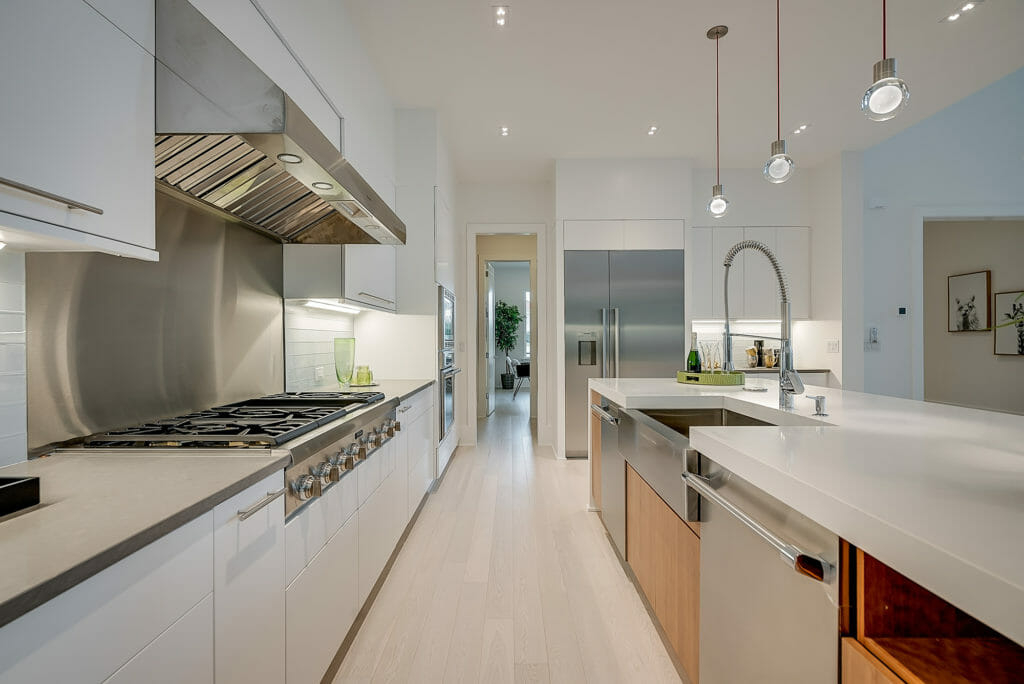
And remember, this isn’t just about rock. It’s about the heart of your home. It’s where you’ll chop vegetables for Thanksgiving dinner. Where your kids will do homework. Where you’ll lean with a cup of coffee in the quiet morning. Choose the surface that supports that life. Not just the one that looks good in a photo.
Because in the end, the best countertop isn’t the hardest or the prettiest. It’s the one you forget about. The one that just works. So take a breath. Ignore the hype. Pick what fits. And enjoy your kitchen.