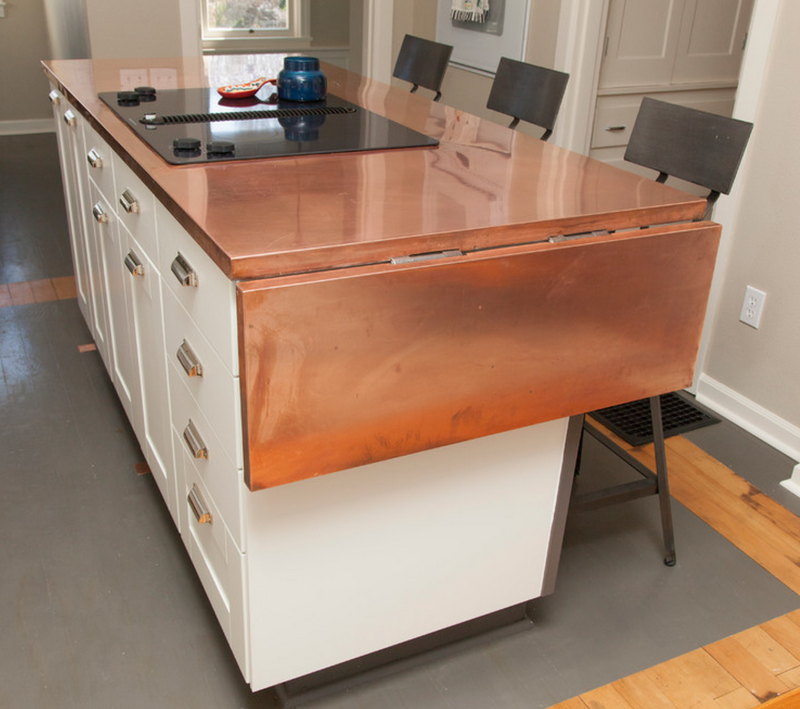
You walk into a kitchen that feels alive. Maybe it’s the smell of garlic hitting hot oil, or the clatter of pans. But then you see it. That copper pot hanging on the wall. It’s not shiny like a new penny. It’s got spots. Dark patches. A dull, greyish haze in some corners, but a warm, deep amber glow in others. Is it dirty? Is it ruined? Or is it… beautiful?
For years, we’ve been told that shiny equals clean. We scrub our sinks until they squeak. We polish our fixtures until we can see our own tired faces staring back. But copper? Copper plays by different rules. It breathes. It changes. It reacts to the steam from your morning coffee and the salt from your pasta water. And if you don’t know the difference between what’s hurting it and what’s helping it, you might be scrubbing away its soul.
Let’s get one thing straight right off the bat. Not all discoloration is created equal. In fact, confusing tarnish with patina is the quickest way to ruin a perfectly good piece of cookware—or worse, keep polishing a surface that’s trying to protect itself. By 2026, more home cooks are ditching the high-gloss industrial look for materials that age with grace. Copper is leading that charge. But to love it properly, you have to understand its language.
The Chemistry of Change: Why Copper Doesn’t Stay Still
Copper is reactive. That’s just a fancy way of saying it likes to make friends with other elements. When you buy a brand-new copper pan, it’s bright, orange-red, and reflective. It’s stunning. But leave it out for a week, and it starts to darken. Leave it for a year, and it might turn green. This isn’t magic. It’s chemistry.
The air around us is full of oxygen, moisture, and tiny particles of sulfur. When copper meets oxygen, it forms copper oxide. This is the first stage of change. It’s usually a dull brown or black. If sulfur is present (which it often is, especially in kitchens where eggs or onions are cooked), it forms copper sulfide, which is also dark. This initial layer is what most people call "tarnish." It’s a surface reaction. It’s thin. And honestly? It’s kind of ugly if you’re expecting mirror-bright metal.
But here’s where it gets interesting. If that layer stays there, and if the copper is exposed to acids (like lemon juice or vinegar) or salts over time, the chemistry shifts. The compounds become more complex. They bond tighter to the metal. This is the beginning of patina. Think of tarnish as a dusting of dirt on a window, while patina is the stained glass itself. One obscures; the other transforms. In 2026, researchers are even looking at how these natural layers can inhibit bacterial growth, adding another layer of appeal to untreated copper surfaces.
Tarnish: The Unwanted Guest
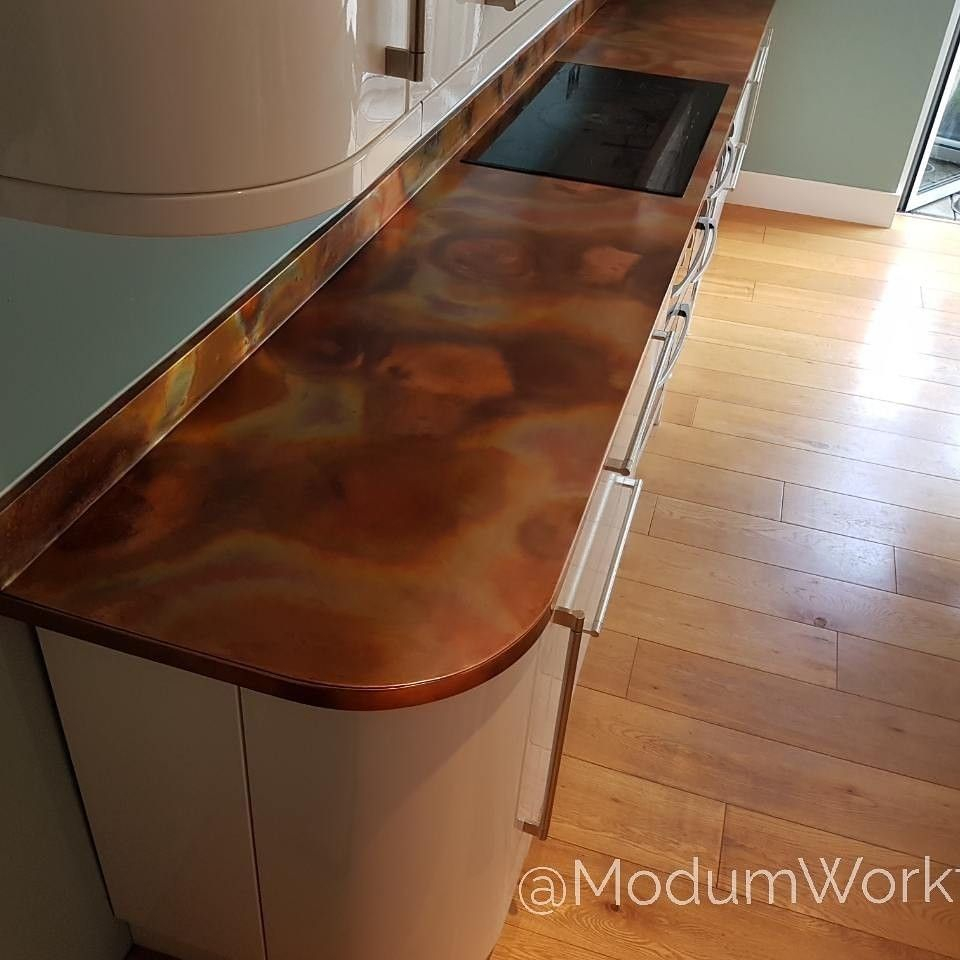
So, what exactly is tarnish? In simple terms, it’s corrosion. But not the scary, structural kind that makes bridges collapse. It’s superficial. Tarnish is that blotchy, uneven darkening that makes your copper look neglected. It happens fast. You wash a pan, don’t dry it thoroughly, and boom—water spots that turn into dark rings overnight.
Tarnish is inconsistent. That’s the key. One day your pot looks fine; the next, it has weird purple or black splotches. It doesn’t add depth. It just looks messy. For many people, this is the "ick" factor. They see those spots and think, "I need to scrub this hard." And that’s the trap. Aggressive scrubbing removes the tarnish, sure, but it also strips away any protective layer that might be forming underneath. You’re resetting the clock, forcing the copper to start its chemical journey all over again.
Why does it matter? Because tarnish can affect taste. If you’re cooking acidic foods in a tarnished pan that isn’t lined (most modern copper cookware is lined with tin or stainless steel, but older pieces might not be), those copper compounds can leach into your food. That metallic tang? That’s not flavor enhancement. That’s chemistry going wrong. Even with lined cookware, heavy tarnish on the exterior can trap grease and grime, making the pot harder to clean and less hygienic over time. It’s not dangerous in small amounts, but it’s certainly not ideal.
Patina: The Badge of Honor
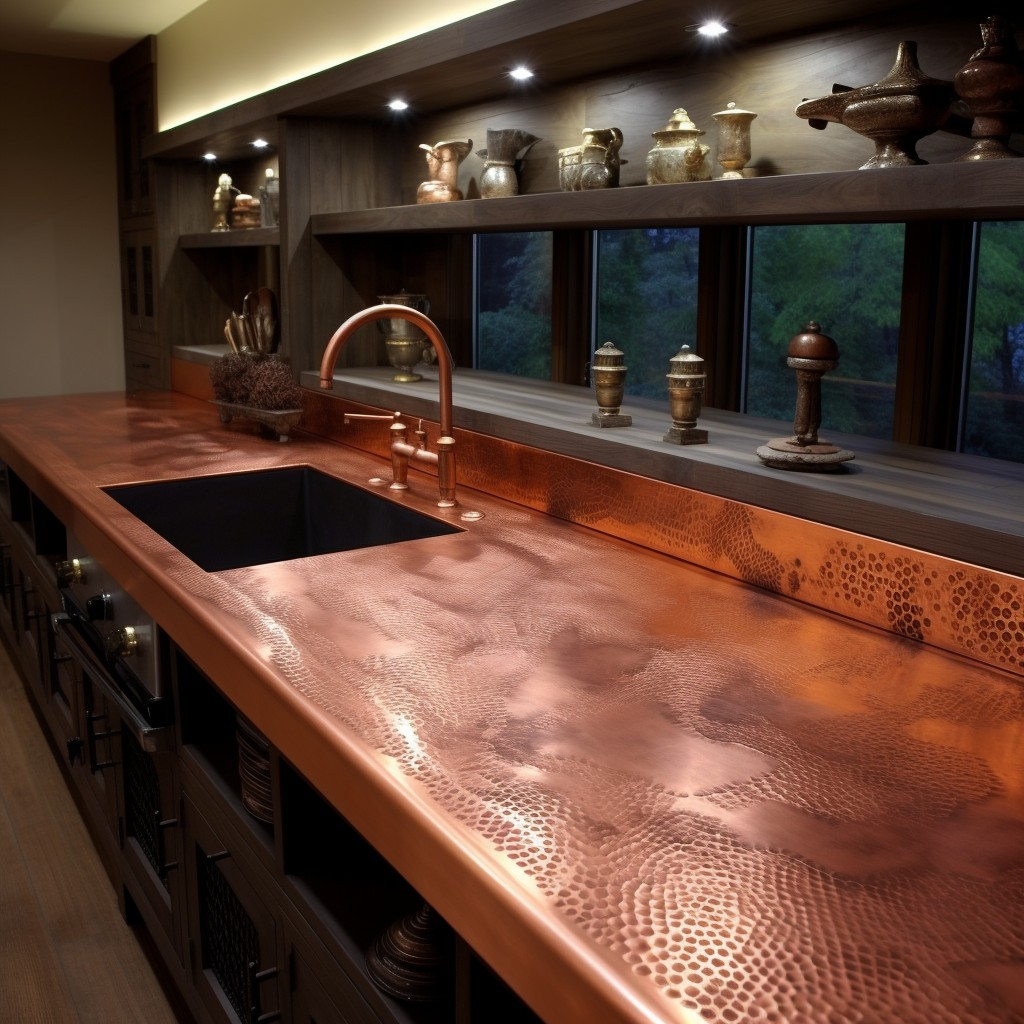
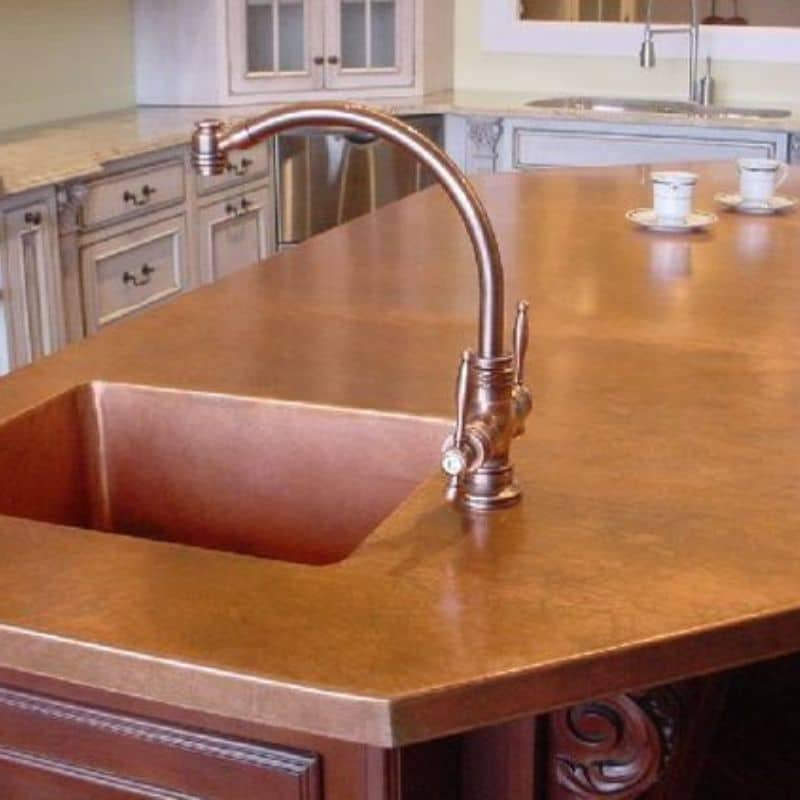
Now, let’s talk about the good stuff. Patina. If tarnish is the unwanted guest, patina is the wise old elder who’s seen it all. Patina is a stable, protective layer that forms over months or years. It’s not blotchy. It’s uniform. It has a richness to it. On a copper sink, it might look like a deep, mellow bronze. On a pot handle, it might be a smooth, dark chocolate brown that feels silky to the touch.
Unlike tarnish, patina doesn’t flake off. It bonds. It becomes part of the metal. This is crucial. While rust eats away at iron, destroying it from the inside out, patina seals copper. It acts as a barrier against further corrosion. Think of it like a natural wax. Once it’s established, it actually protects the copper beneath from the harsh effects of humidity and air. That’s why ancient copper statues survive for centuries. They’re not pristine, but they’re intact.
In the kitchen, a well-developed patina is a sign of use. It tells a story. That darkened spot on the bottom of your saucepan? That’s where the flame hit it most often. The lighter areas on the rim? That’s where your hands grip it. It’s a map of your cooking life. Chefs in 2026 are increasingly proud of this. It shows authenticity. It proves the piece is real copper, not just a cheap plating that will wear off to reveal brass or steel underneath. As one coppersmith put it recently, "Patina is absolute proof that the copper kitchen sink or copper bathtub is made of genuine and authentic pure copper." It’s a living finish.
How to Tell Them Apart: A Visual Guide
Okay, so how do you know what you’re looking at? It can be tricky, especially in the early stages. But there are clues. First, look at the color consistency. Tarnish is patchy. It looks like spills or stains. Patina is even. It might vary in shade depending on heat exposure, but it doesn’t look like someone spilled coffee on it.
Second, feel it. Run your finger over the surface. Tarnish can feel rough or gritty. It might catch on your skin. Patina is smooth. Often, it’s smoother than the original polished metal because the microscopic peaks and valleys of the surface have been filled in by the oxidation layer. It should feel almost oily or waxy, even if it’s dry.
Third, consider the timeline. Did this appear overnight? Probably tarnish. Has it been developing slowly over six months? Likely patina. If you wiped it down with a soft cloth and a little mild soap and the dark spots came right off, it was tarnish. If you scrubbed it and the color stayed, or if it only lightened slightly before darkening again within days, you’re dealing with patina.
Here’s a quick cheat sheet:
- Tarnish: Blotchy, uneven, dull, appears quickly, feels rough, wipes off easily.
- Patina: Uniform, rich/deep color, develops slowly, feels smooth, stays put.
Don’t stress if you get it wrong at first. You’ll learn. Your copper will teach you. Just pay attention. Notice how it changes after you cook a big batch of tomato sauce versus when you just boil water. The metal remembers.
To Polish or Not to Polish? The Great Debate
This is where things get personal. Some people love the shine. They want their kitchen to look like a showroom. Others love the lived-in look. They want their tools to look like tools. There is no right answer, only your answer. But you need to know the consequences of your choice.
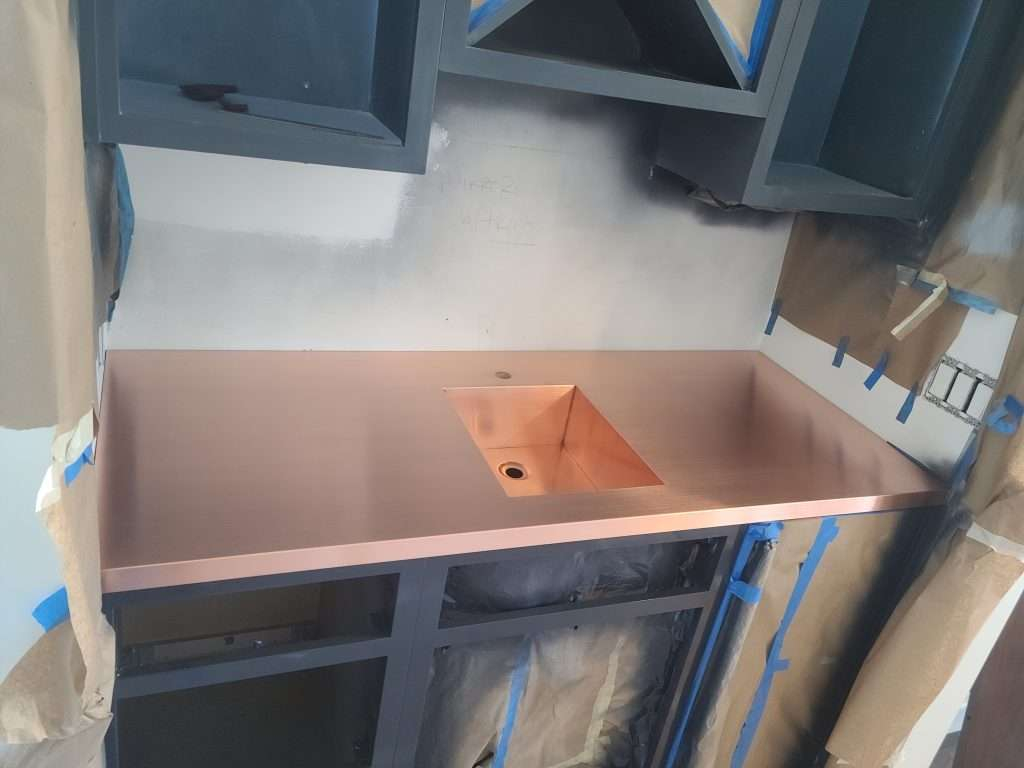
If you choose to polish, you’re choosing maintenance. High maintenance. You’ll need to polish your copper regularly—maybe once a week, maybe once a month, depending on how much you cook. You’ll need a good polish (lemon and salt work wonders, or a commercial copper cleaner). And you need to accept that you’re removing the protective layer every time. This means the copper is always "fresh" and reactive. It will tarnish again quickly. It’s a cycle. Shine, tarnish, shine, tarnish.
If you choose to let it patina, you’re choosing freedom. You wash it, you dry it, you use it. You might wipe it down with a little oil occasionally to keep the patina even, but you’re not scrubbing. You’re letting the metal do its thing. The downside? It won’t sparkle. It won’t reflect the light. It will look dark and moody. Some guests might ask if it’s dirty. You’ll have to explain that no, it’s seasoned. Like cast iron.
In 2026, the trend is definitely shifting toward the latter. People are tired of the perfection trap. They want materials that age well. But if you have a showpiece—a big copper bowl for salads, or a decorative pot rack—you might want to keep those polished. Save the patina for the workhorses. The pots you actually cook in. The sink you wash dishes in. Let them earn their scars.
Regardless of which path you choose, there are some basics you should follow. Copper is durable, but it’s not invincible. Here’s how to keep it happy, whether you’re Team Shine or Team Patina.
First, always dry your copper. Water is the enemy of consistent aging. If you leave water spots, they’ll turn into tarnish spots. Dry it with a soft towel immediately after washing. This is the single most important habit you can build. It takes five seconds. It saves hours of polishing later.
Second, avoid harsh abrasives. Steel wool, scouring pads, harsh chemicals—they’re too aggressive. They scratch the surface. Those scratches become traps for dirt and moisture, leading to uneven tarnishing. Use a soft sponge or cloth. If you need to remove stuck-on food, soak the pan. Don’t scrape.
Third, watch the heat. Copper conducts heat beautifully, but extreme, direct heat can cause discoloration that’s hard to reverse. It’s not necessarily bad, but it can look burnt. Use medium heat whenever possible. Let the copper do its job. It doesn’t need to be cranked up to max.
And finally, embrace the imperfections. If you get a weird spot, don’t panic. Cook with it. Wash it. Dry it. See what happens next week. Copper is forgiving. It’s resilient. It’s been used in kitchens for thousands of years. It can handle your Tuesday night stir-fry.
There’s a quiet joy in owning something that changes. In a world of disposable plastics and coated metals that peel after a year, copper endures. It asks for a little attention, sure. But it gives back so much more. Heat distribution that makes cooking a pleasure. Beauty that deepens with time. And a connection to the history of cooking itself.
So, look at your copper again. Really look at it. Is that dark spot tarnish? Maybe. Is that warm glow patina? Hopefully. Either way, it’s yours. It’s reacting to your life. To your meals. To your home. Don’t fight it. Understand it. Care for it. And let it shine in its own unique, evolving way. After all, a kitchen without a little character is just a room with appliances. Give your copper the space to speak. You might just like what it has to say.