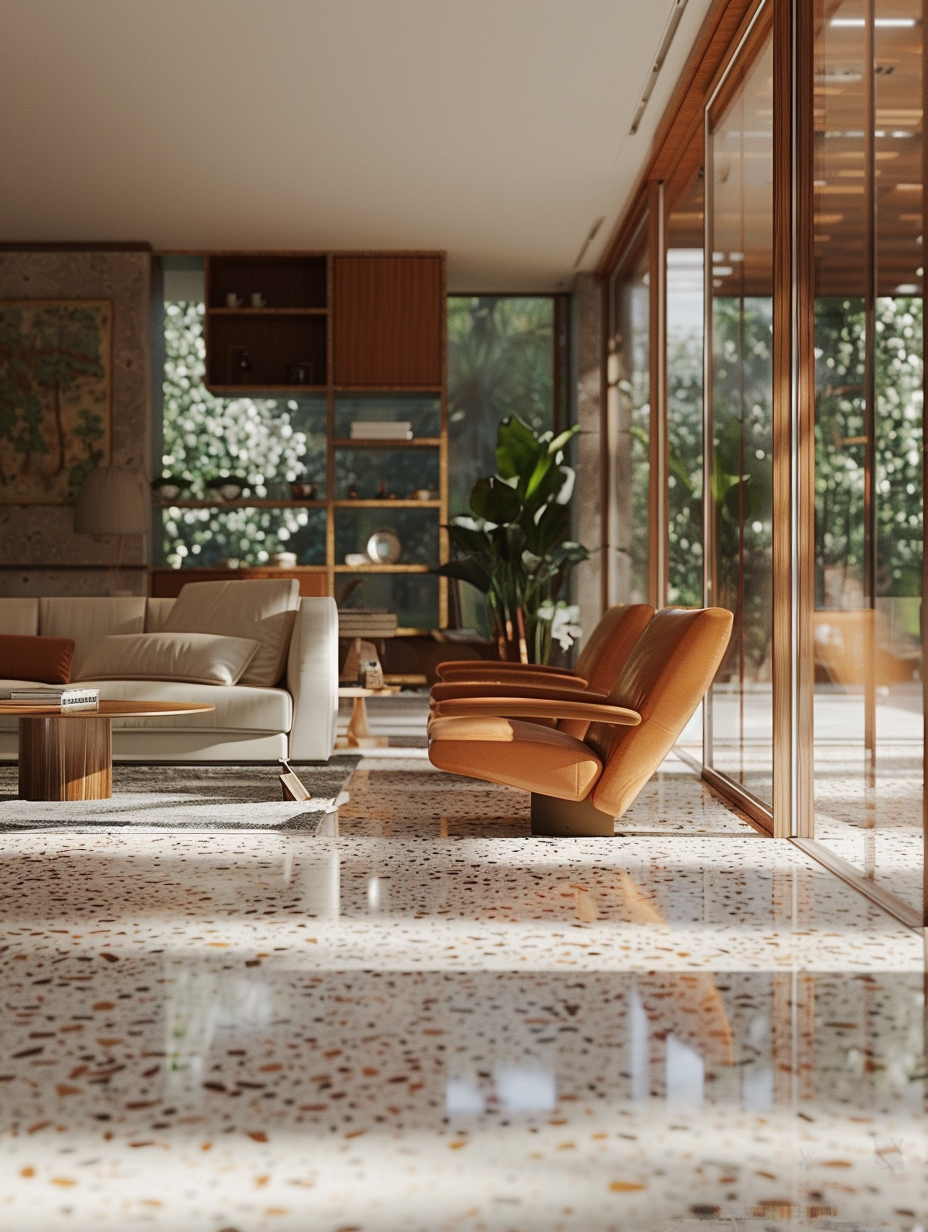
You’ve probably seen it. Maybe in a friend’s kitchen, or scrolling through your feed, or even in that new coffee shop downtown that everyone is talking about. That confetti-like pattern. The chips of stone suspended in concrete or resin. It’s everywhere. And honestly? It’s about time. For a material that spent decades hiding in the background of school hallways and sterile office lobbies, terrazzo has suddenly become the star of the show. But this isn’t just nostalgia talking. This isn’t just because we’re all obsessed with the 1970s again (though, let’s be real, we kinda are). There is something deeper happening here. Something about how we want our homes to feel in 2026.
We are tired of things that feel temporary. We are done with fast furniture and floors that scratch if you look at them wrong. We want substance. We want character. And we want it to last. Terrazzo delivers on all those fronts, but with a twist. It’s not the same gray, boring slab your grandparents had. Today’s terrazzo is vibrant. It’s playful. It’s sustainable. It’s a canvas for personal expression in a world that often feels too uniform. So why is this century-old technique having such a massive moment right now? Let’s dig into the chips, so to speak.
From Institutional Boring to Interior Darling
Let’s address the elephant in the room. For a long time, terrazzo had a reputation problem. If you mentioned it, people thought of cold, institutional buildings. Hospitals. Airports. Places you didn’t want to linger. It was seen as cheap, utilitarian, and frankly, a bit depressing. But design is cyclical, and what was once overlooked is now being rediscovered with fresh eyes. The shift started a few years ago, but by 2026, it has fully matured into a mainstream movement. Designers realized that the very qualities that made terrazzo practical for high-traffic public spaces were exactly what modern homeowners needed.
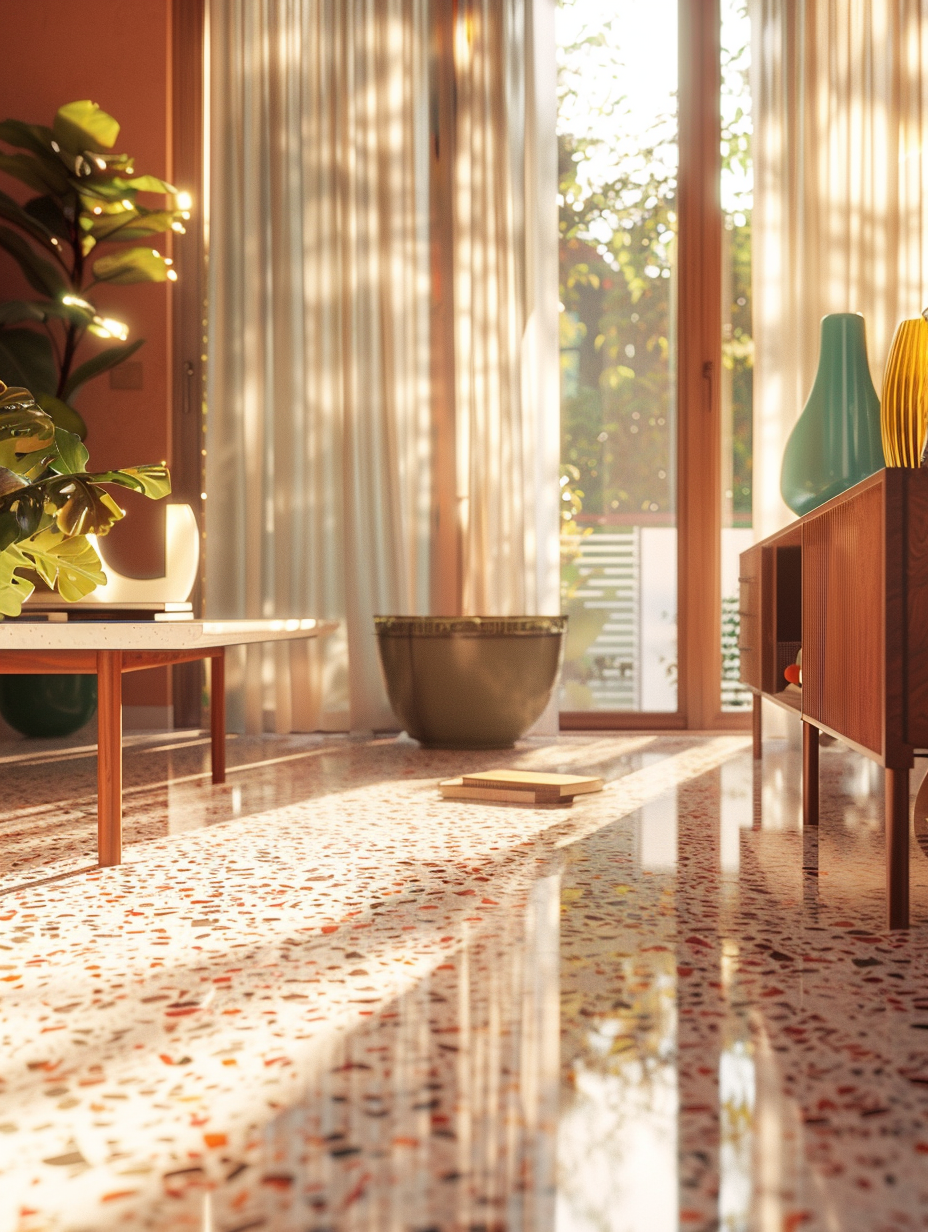
The key change wasn’t just in attitude, but in application. Architects and interior designers began stripping away the sterile aesthetics associated with mid-century institutional use. They started experimenting with color palettes that warmed up the space. Instead of stark white backgrounds with gray chips, we saw creamy beiges, soft blushes, and deep charcoals. The aggregate—the bits of stone mixed in—changed too. No longer just random debris, these became curated elements. Marble, quartz, glass, and even recycled materials were chosen for their aesthetic contribution, not just their availability. This transformed the floor from a surface you walked on into a feature you looked at.
This rebranding worked because it tapped into a desire for authenticity. In an age of digital perfection and AI-generated images, people crave texture. They want surfaces that have depth and history, even if that history is newly created. Terrazzo offers a visual complexity that flat colors simply can’t match. Every tile is slightly different. Every chip catches the light in its own way. It brings a sense of organic randomness into the structured environment of a modern home. It’s controlled chaos, and it feels alive. That’s a huge part of why it resonates so strongly with homeowners today. We don’t just want a floor; we want a conversation starter.
The Game-Changer: Prefabricated Tiles and DIY Freedom
Here is the secret sauce that really accelerated the trend in 2026. Traditional terrazzo was a nightmare to install. It required pouring liquid concrete on-site, grinding it down, polishing it, and sealing it. It was messy, expensive, and required specialized skilled labor. Most homeowners couldn’t afford it, and many contractors didn’t want to deal with the hassle. But then came the innovation of prefabricated terrazzo tiles. This changed everything. Suddenly, you could get the look without the construction site chaos.
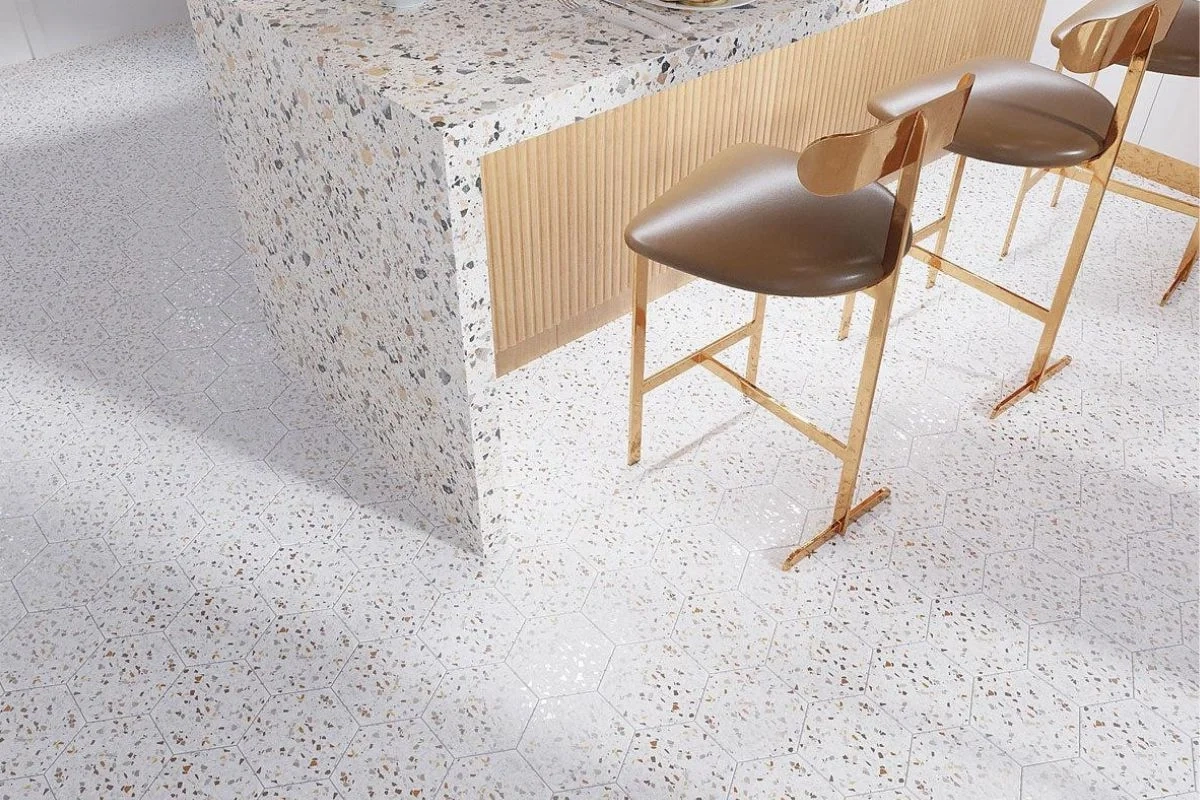
These tiles are manufactured off-site with precision. They come in standard sizes, just like ceramic or porcelain tiles. You can lay them out, cut them to fit, and grout them like any other tile job. This democratized the material. It opened the door for DIY enthusiasts who wanted to tackle a bathroom backsplash or a mudroom floor themselves. It also made terrazzo accessible for smaller projects. You didn’t need to redo your entire house to enjoy the aesthetic. You could just do a powder room. Or a kitchen island. The barrier to entry dropped significantly, and the market exploded.
But it’s not just about ease of installation. The technology behind these tiles has improved dramatically. Modern porcelain terrazzo tiles are incredibly durable. They are resistant to stains, scratches, and moisture. They don’t need the frequent sealing that traditional cementitious terrazzo requires. For a busy family in 2026, this low-maintenance aspect is a huge selling point. You get the high-end look of stone composite without the high-maintenance reality. It’s practical luxury. And let’s be honest, most of us are looking for ways to make our lives easier, not harder. These tiles deliver that promise while still looking sophisticated and custom.
Sustainability Meets Style in Modern Homes
Sustainability isn’t just a buzzword anymore; it’s a requirement. In 2026, homeowners are more conscious than ever about the environmental impact of their choices. They want materials that are responsible, ethical, and eco-friendly. Terrazzo fits this bill perfectly, especially when made with recycled content. Many manufacturers are now using post-consumer glass, recycled marble scraps, and even industrial byproducts as the aggregate in their tiles. This diverts waste from landfills and reduces the need for virgin mining. It’s a win-win situation.
The longevity of terrazzo also contributes to its green credentials. Because it is so durable, it doesn’t need to be replaced often. A well-installed terrazzo floor can last for decades, even centuries. This contrasts sharply with vinyl or laminate options that might need replacing every ten or fifteen years. By choosing a material that lasts, homeowners reduce the cycle of consumption and waste. It’s an investment in the future of the home, both aesthetically and environmentally. This long-term perspective aligns with the values of many buyers in the current market.
Furthermore, the production process for porcelain-based terrazzo tiles has become more efficient. Many companies are adopting cleaner manufacturing techniques, reducing water usage and energy consumption. When you combine this with the fact that terrazzo can be used indoors and outdoors, you have a versatile material that minimizes the need for different products for different spaces. This holistic approach to design and sustainability is appealing to a generation that thinks critically about their footprint. Choosing terrazzo feels like a responsible choice, and that adds a layer of satisfaction to the design process. It’s not just pretty; it’s purposeful.
Bold Colors and Customization Trends of 2026
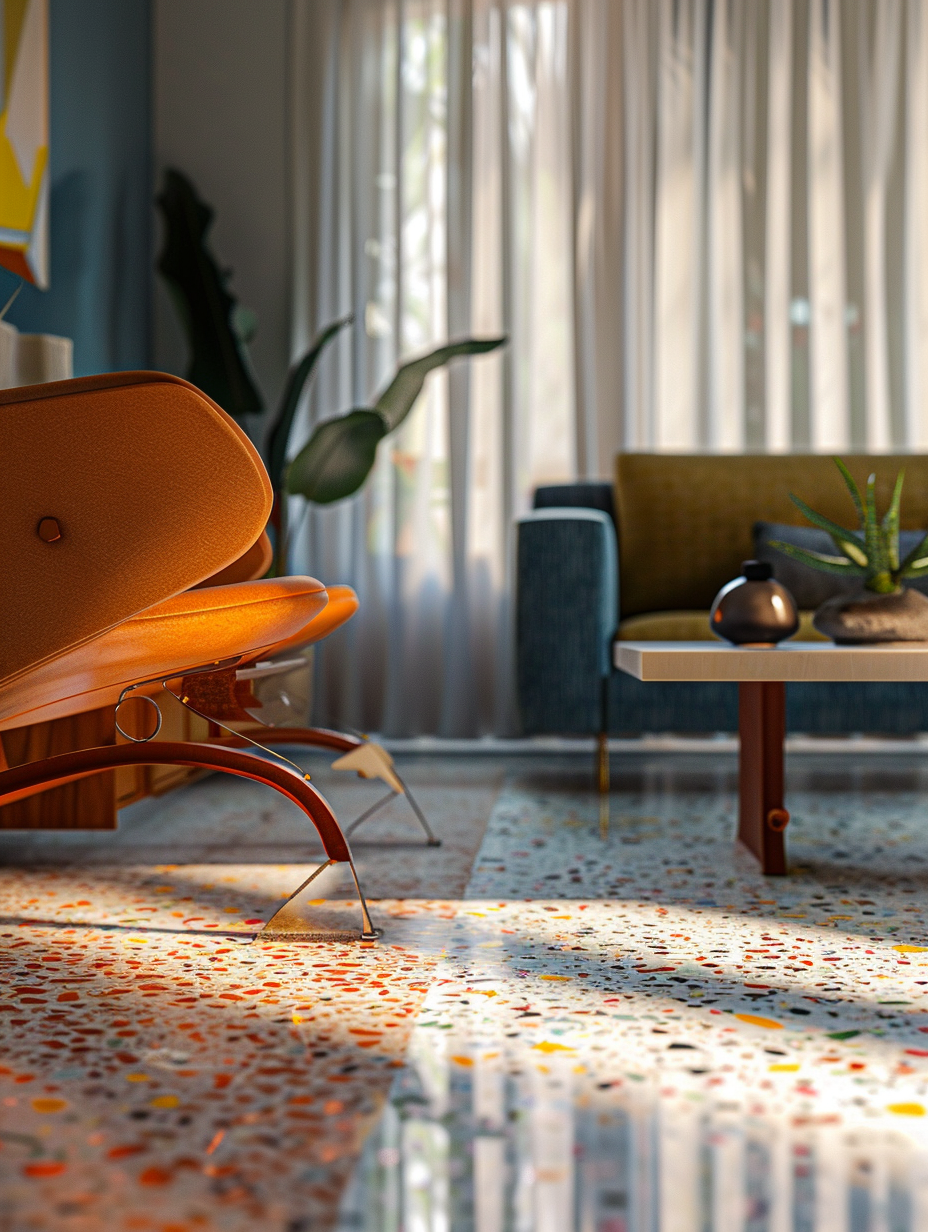
If you think terrazzo is just black and white, think again. The biggest trend in 2026 is bold, unapologetic color. Designers are pushing the boundaries of what terrazzo can look like. We are seeing large, vibrant chips of colored glass and dyed stone set against contrasting backgrounds. Think electric blue aggregates in a deep navy base, or sunny yellow chips in a crisp white field. These aren’t subtle accents; they are statement pieces. This shift reflects a broader move towards maximalism and personalization in interior design. People are no longer afraid of color. They are embracing it.
This customization extends beyond just color. The size of the aggregate is also changing. While fine, sand-like terrazzo still has its place, the trend is moving towards larger, chunkier chips. These bigger pieces create a more dramatic visual impact. They allow for more creativity in pattern and composition. Some homeowners are even commissioning bespoke mixes, choosing specific stones that have personal meaning or complement other elements in their home. This level of customization was once reserved for the ultra-wealthy, but with the tile format, it’s becoming more accessible.
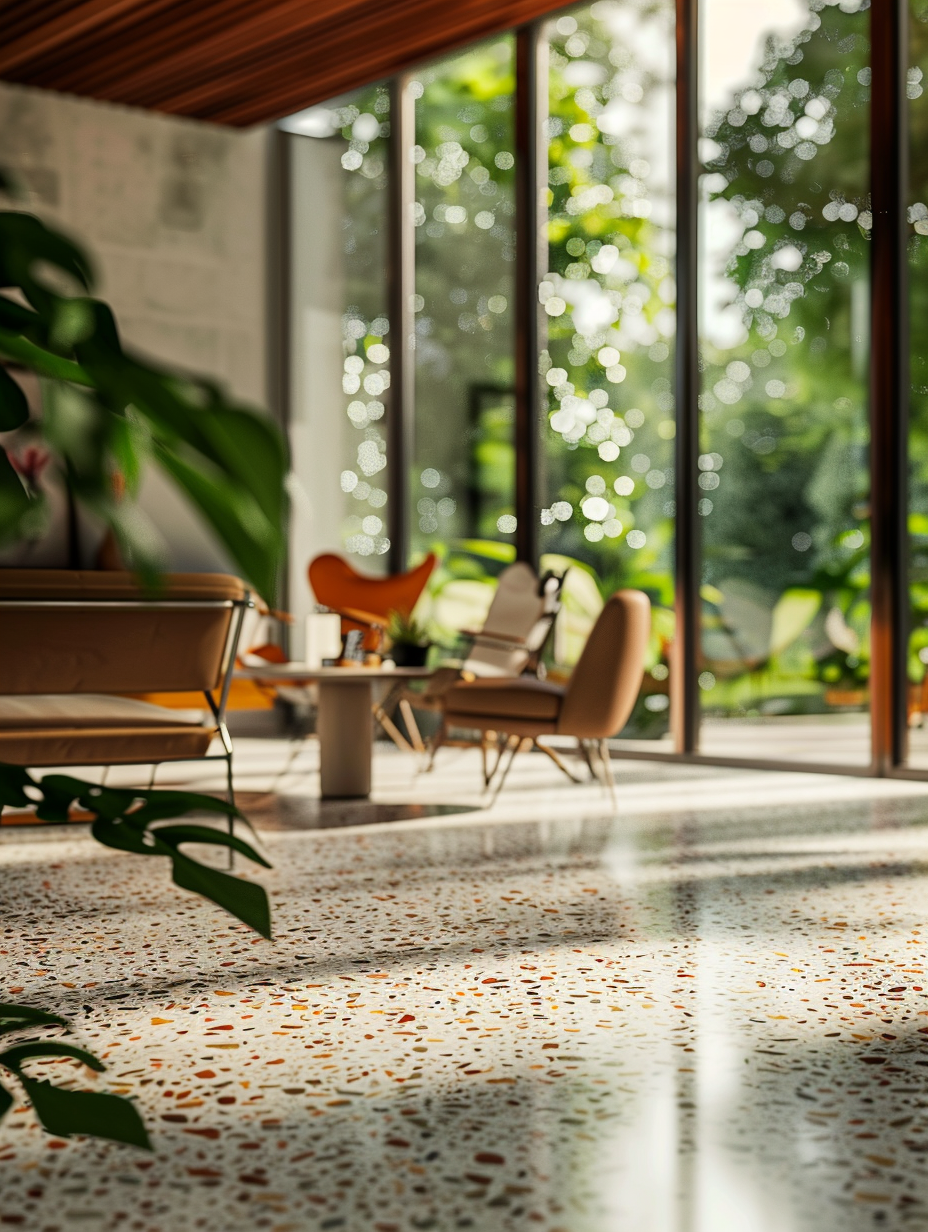
The versatility of these bold designs allows terrazzo to work in various styles. It can anchor a minimalist room by providing a focal point without clutter. It can enhance a bohemian space with its eclectic mix of textures. It can even fit into a traditional setting if the color palette is kept classic. The key is balance. When using bold terrazzo, designers recommend keeping the rest of the room relatively simple. Let the floor or wall be the hero. This approach ensures that the space feels curated rather than chaotic. It’s about intentional design, and terrazzo provides the perfect tool for executing that vision.
Where to Use Terrazzo Beyond the Floor
While floors are the most common application, limiting terrazzo to the ground is a missed opportunity. In 2026, we are seeing it used in creative ways throughout the home. Countertops are a popular choice, especially in kitchens and bathrooms. The non-porous nature of porcelain terrazzo makes it hygienic and easy to clean, which is essential for food preparation areas. Plus, the seamless look of a terrazzo countertop can tie a room together beautifully. It adds a touch of elegance without feeling overly formal.
Showers and wet rooms are another fantastic spot for terrazzo tiles. Their water resistance and slip-resistant options make them practical for these high-moisture areas. Imagine stepping into a shower lined with soft, speckled tiles that mimic the look of natural stone. It creates a spa-like atmosphere that elevates the daily routine. Backsplashes are also trending. A terrazzo backsplash can add interest to a kitchen without overwhelming the space. It’s easier to maintain than some natural stones and offers more design flexibility than standard subway tiles.
Don’t forget vertical surfaces and furniture. Terrazzo-clad fireplace surrounds, accent walls, and even tabletops are appearing in high-end designs. These applications showcase the material’s adaptability. They prove that terrazzo is not just a flooring solution but a comprehensive design element. By using it in unexpected places, homeowners can create a cohesive narrative throughout their space. It’s about repetition and rhythm. When you see the same pattern in different contexts, it creates a sense of harmony. This holistic use of materials is a hallmark of sophisticated interior design in 2026.
Let’s get practical for a minute. How do you actually live with terrazzo? The good news is, it’s easier than you might think. For porcelain terrazzo tiles, maintenance is minimal. Regular sweeping and occasional mopping with a mild detergent are usually sufficient. Unlike natural marble, which can etch from acidic substances, porcelain terrazzo is highly resistant to stains and chemicals. This makes it ideal for families with kids and pets. Spills happen, but they don’t have to be disasters. This resilience is a major factor in its growing popularity among practical homeowners.
However, it’s important to distinguish between porcelain terrazzo tiles and traditional poured terrazzo. The latter requires more care. It needs periodic sealing to protect against stains and moisture. It can also be susceptible to cracking if the substrate moves. Porcelain tiles avoid many of these issues because they are installed with grout lines that allow for slight movement, and the material itself is less porous. For most residential applications in 2026, porcelain tiles are the preferred choice due to this lower maintenance burden. It’s a smart compromise between aesthetics and reality.
In terms of value, terrazzo is an investment that pays off. Homes with high-quality, timeless finishes tend to hold their value better than those with trendy, fleeting styles. Terrazzo has proven its staying power. It’s been around for centuries, and it’s not going anywhere. By installing it, you’re adding a feature that appeals to a wide range of potential buyers. It signals quality and attention to detail. In a competitive real estate market, these details can make a difference. It’s not just about enjoying your home now; it’s about securing its future worth. That’s a compelling argument for any homeowner.
So, where does this leave us? Terrazzo isn’t just a flash in the pan. It’s a return to form. It’s a celebration of craftsmanship, sustainability, and individuality. In 2026, it represents a shift towards homes that are built to last and designed to inspire. Whether you choose a subtle, neutral palette for a serene retreat or a bold, colorful mix for a vibrant social space, terrazzo offers a solution that is both beautiful and functional. It bridges the gap between the past and the future, honoring tradition while embracing innovation.
As you consider your next home project, think about what you want your space to say. Do you want it to be disposable? Or do you want it to have depth and character? Terrazzo invites you to slow down and appreciate the details. It asks you to look closer. And when you do, you’ll see that it’s more than just chips in concrete. It’s a mosaic of possibilities. It’s a reminder that beauty can be durable, and that style doesn’t have to sacrifice substance. That’s a lesson worth learning, and a trend worth embracing.
The comeback of terrazzo is proof that good design never really goes out of style. It just waits for the right moment to shine again. And in 2026, that moment is now. So go ahead. Pick that tile. Mix those colors. Make your mark. Your home deserves it. And who knows? Maybe in another fifty years, someone will be writing about how your choice defined the era. That’s the power of terrazzo. It’s not just for today. It’s for tomorrow, too.