You know that feeling when you walk into a bathroom and it just feels… right? Calm. Clean. Expensive, but not in a flashy way. In 2026, that vibe is everything. We are moving away from the sterile, cold look of pure white quartz or the high-maintenance drama of traditional marble. People want warmth. They want texture. And mostly, they want something that doesn’t ruin their day if they spill a little toothpaste or leave a wet glass on the counter.
That’s where dolomite comes in. It’s been quietly gaining ground for a few years now, but this year? It’s having its moment. If you’ve been scrolling through design feeds or talking to contractors, you’ve probably heard the name dropped. But what actually is it? And why is everyone suddenly obsessed with putting it in their bathrooms? Let’s dig in. It’s not just a trend. It’s a smart shift in how we think about luxury surfaces.
What Exactly Is Dolomite Stone?
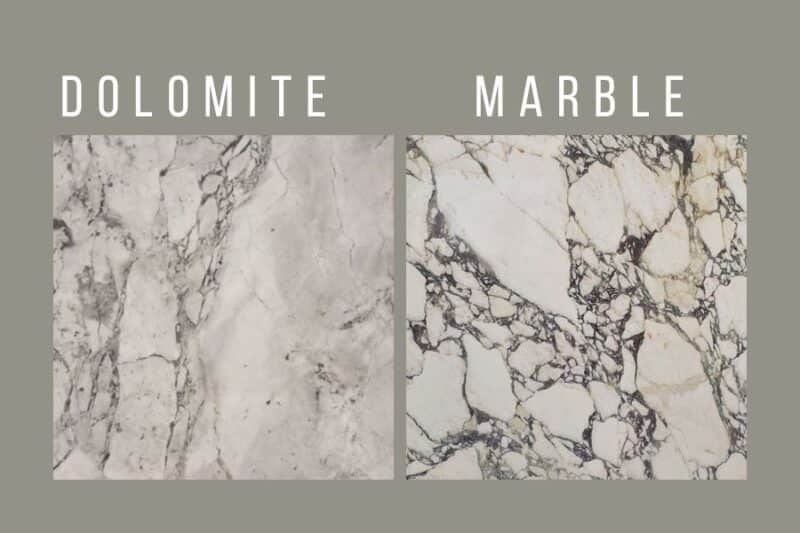
So, first things first. What are we talking about here? Dolomite is a natural stone. It’s often confused with marble because, well, it looks a lot like it. Soft veins, creamy backgrounds, that classic elegant sweep. But geologically, it’s different. Marble is metamorphosed limestone. Dolomite is formed when limestone interacts with magnesium-rich groundwater over millions of years. This simple chemical swap changes everything about how the stone behaves.
Think of it as marble’s tougher cousin. It has the same visual appeal—that luxurious, organic look that makes a space feel curated—but it’s denser. It’s harder. In the past, homeowners had to choose between the beauty of marble and the practicality of granite or quartz. Dolomite bridges that gap. It’s not as soft as marble, which means it doesn’t etch as easily from acids like lemon juice or certain skincare products. That’s a huge deal in a bathroom, where lotions, toners, and cleansers are everywhere.
It’s important to note that not all dolomite is created equal. Some slabs are softer, closer to marble in composition. Others are much harder, almost like quartzite. When you’re shopping in 2026, ask your supplier about the specific hardness of the slab you’re eyeing. "Super White" dolomite is a popular variety, known for its bright background and subtle grey veining. It’s stunning, but knowing what you’re getting helps you care for it properly. Don’t just assume it’s all the same.
The Aesthetic Appeal: Luxury Without the Pretense
Let’s be honest. We choose bathroom materials with our eyes first. We want a space that feels like a retreat. Dolomite delivers that instantly. Its color palette is naturally neutral—whites, creams, soft greys, and sometimes hints of beige or gold. These tones are incredibly versatile. They work with the warm metals (like brushed brass or matte gold) that are still huge in 2026. They also pair beautifully with wood vanities, which are making a big comeback.
The veining in dolomite is usually softer and more diffuse than the bold, dramatic strikes you see in some marbles. This creates a calming effect. In a small bathroom, a dolomite vanity top can make the space feel larger and airier because it reflects light gently rather than absorbing it or creating harsh contrasts. It’s subtle elegance. It doesn’t scream for attention, but it definitely holds its own.
Another thing people love is the uniqueness. Since it’s a natural stone, no two slabs are identical. You’re getting a one-of-a-kind piece for your home. In an era where mass-produced everything is the norm, there’s something deeply satisfying about having a surface that was formed by nature. It adds character. It tells a story. Plus, the matte or honed finishes that are popular right now look incredible on dolomite, highlighting its natural texture without the glare of a high-polish finish.
Durability and Performance in Wet Environments
Now, let’s talk function. A bathroom vanity takes a beating. Water, humidity, cosmetics, hair tools—it’s a tough environment. This is where dolomite really shines compared to traditional marble. Marble is notorious for etching. Put a drop of vinegar or even some acidic face wash on it, and you’ll get a dull spot. Dolomite, thanks to that magnesium content, is much more resistant to this. It’s not invincible, but it’s far more forgiving.
Water resistance is another key factor. While no natural stone is 100% waterproof without sealing, dolomite is less porous than many marbles. This means it absorbs less water, reducing the risk of staining or bacterial growth. In 2026, hygiene and ease of cleaning are top priorities for homeowners. Dolomite fits the bill. It handles splashes from the sink and condensation from showers better than many alternatives. Just wipe it down, and it’s good to go.
However, it’s not indestructible. It can still scratch if you drag heavy ceramic bottles across it. It can still stain if you leave hair dye or strong pigments sitting on it for too long. But compared to the constant anxiety of owning a marble vanity, dolomite offers peace of mind. You can actually use your bathroom without wearing kid gloves. That’s a massive selling point for families or anyone who just wants to live their life without worrying about their countertops.
Maintenance: Realistic Care for Busy Lives
One of the biggest myths about natural stone is that it’s high maintenance. With dolomite, that’s largely untrue. Yes, it needs some care, but it’s minimal. Most experts recommend sealing dolomite once a year. Maybe twice if you have a heavily used family bathroom. The process is simple: clean the surface, apply a penetrating sealer, let it sit, and wipe off the excess. It takes maybe 20 minutes. That’s it.
Daily cleaning is straightforward. Use a pH-neutral cleaner. Avoid harsh chemicals, bleach, or abrasive scrubbers. A soft cloth and some warm soapy water usually do the trick. If you spill something acidic—like a toner with glycolic acid—just wipe it up promptly. Don’t panic. Unlike marble, which might etch instantly, dolomite gives you a bit of a buffer. But prompt cleanup is always best practice for any natural stone.
What about repairs? If you do get a small scratch or a minor stain, dolomite is relatively easy to polish out or treat. Many minor issues can be fixed with a simple polishing powder or a professional touch-up kit. You don’t necessarily need to replace the whole slab if something small happens. This longevity makes it a cost-effective choice in the long run. You’re investing in a surface that ages gracefully, developing a patina that many people find charming rather than damaging.
Cost-Effectiveness and Value in 2026
Let’s talk money. In 2026, budgets are tight for many homeowners. We’re all looking for value. Dolomite sits in a sweet spot in the market. It’s generally more affordable than high-end marbles like Calacatta or Statuario, but it offers a similar aesthetic. It’s also often priced competitively with premium quartz, but you get the authenticity of natural stone. For many, that trade-off is worth it.
When you consider the lifespan, dolomite is a smart investment. It doesn’t go out of style. Trends come and go—colored vanities, unique shapes, smart mirrors—but natural stone is timeless. A dolomite vanity will look just as good in 10 or 20 years as it does today. In fact, it might look better, settling into the space and feeling more integrated. This timelessness adds resale value to your home. Buyers appreciate quality materials that don’t need immediate replacement.
Also, think about the cost of ownership. Because it’s durable and low-maintenance, you’re not spending money on frequent repairs or specialized cleaning products. You’re not replacing it every five years because it’s worn out or looks dated. That long-term savings is significant. It’s not just about the upfront price tag; it’s about the total cost over the life of your home. Dolomite checks that box nicely.
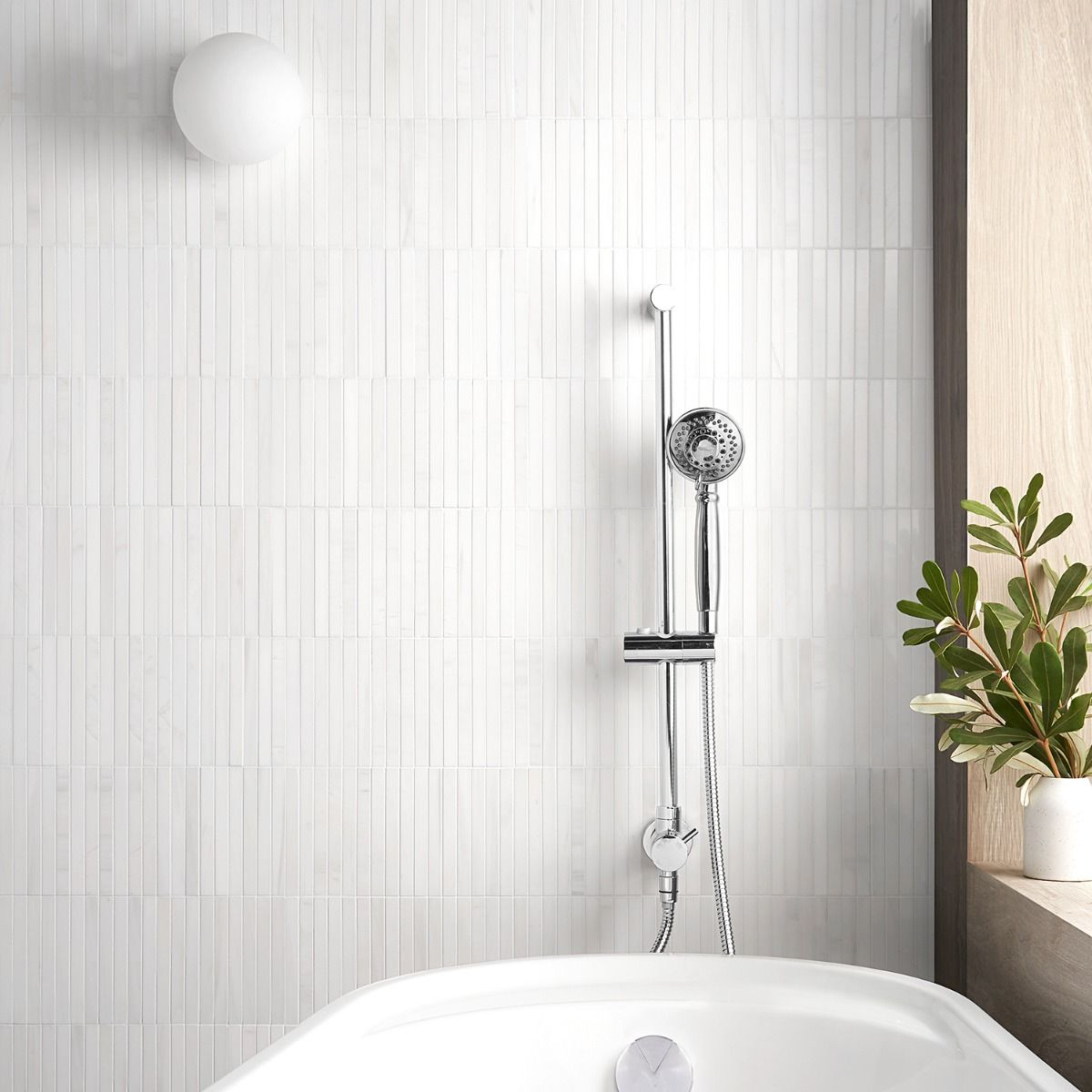
Dolomite isn’t just for traditional spaces. In 2026, we’re seeing it used in sleek, modern minimalist bathrooms as well as rustic, spa-like retreats. Its neutrality allows it to adapt. Pair it with floating vanities for a contemporary look. Combine it with textured tiles and plants for a biophilic, earthy vibe. It works with black fixtures for contrast or warm brass for cohesion. The possibilities are endless.
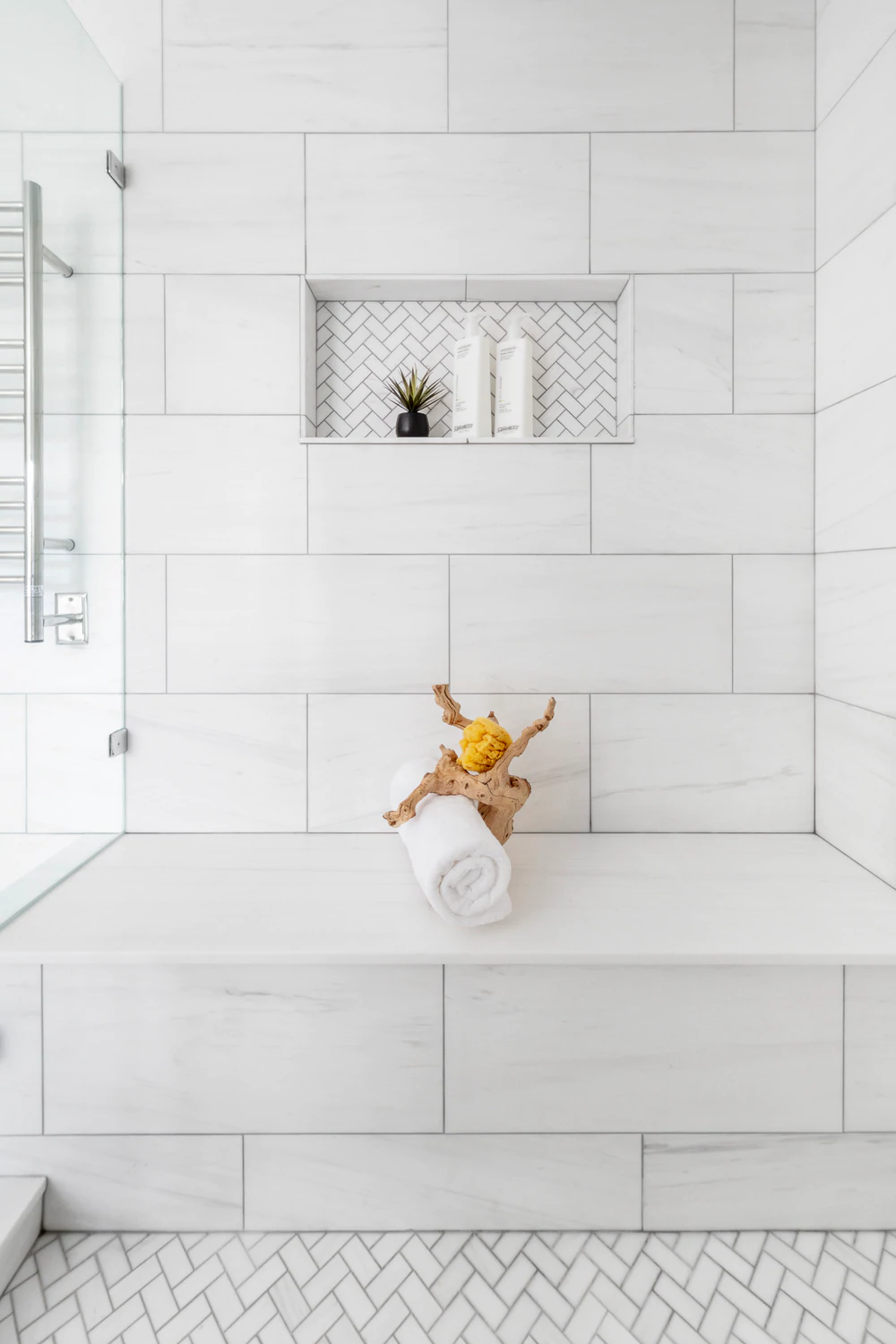
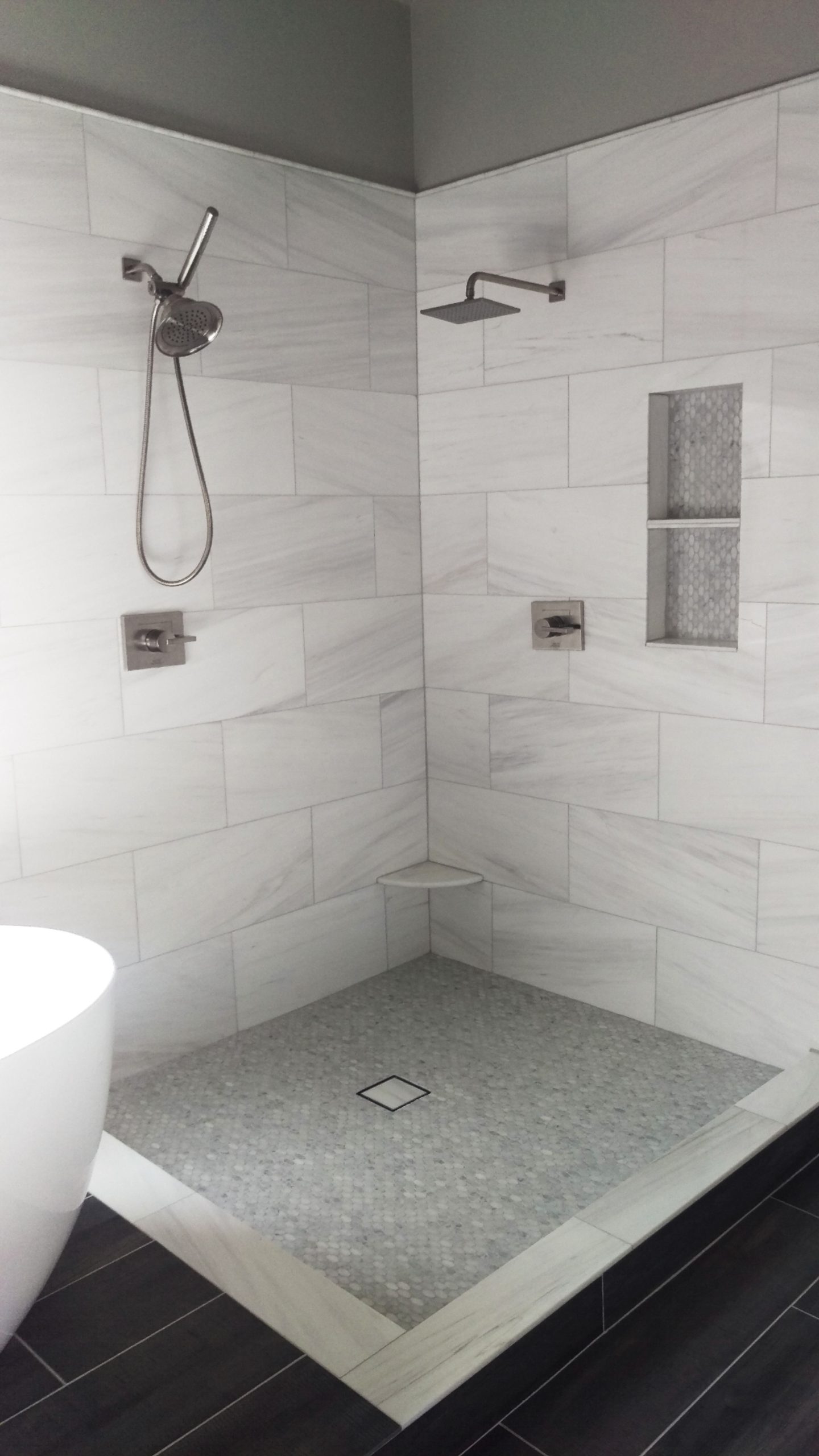
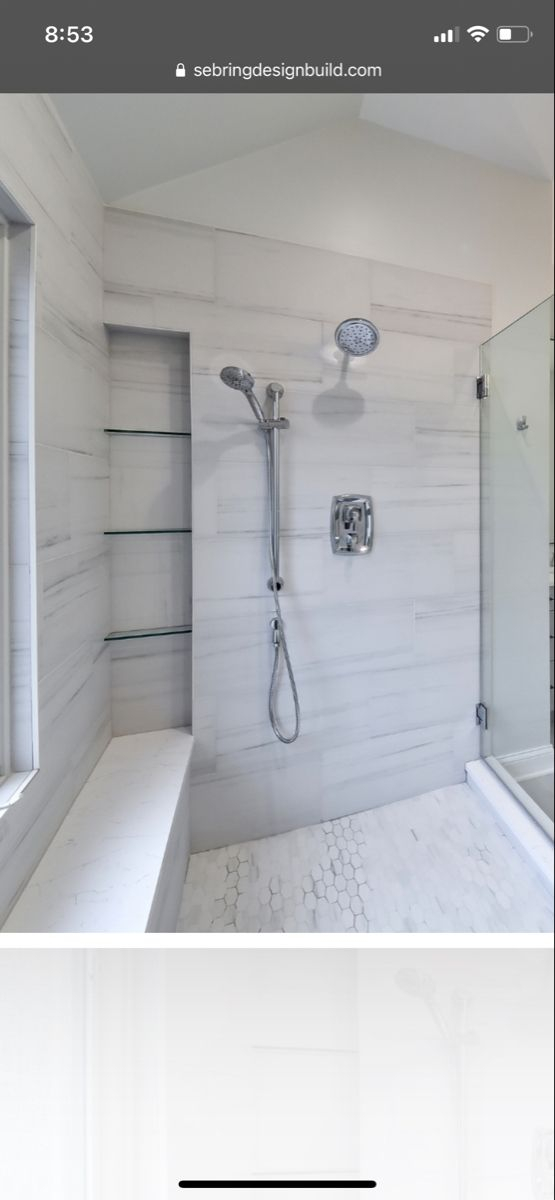
One trend we’re seeing is the use of dolomite in thicker slabs for vanities. A 2cm or 3cm thick edge creates a substantial, luxurious feel. It grounds the space. Another popular application is using dolomite for both the vanity top and the backsplash or even shower walls. This continuous flow of material creates a seamless, expansive look that makes small bathrooms feel much larger. It’s a cohesive design strategy that’s very much in vogue.
Color-wise, while white and grey are dominant, we’re also seeing more varied hues. Soft beiges, warm creams, and even subtle greens are appearing in dolomite selections. These earth tones align perfectly with the broader interior design shift towards warmth and comfort. People want their bathrooms to feel like sanctuaries, not clinical spaces. Dolomite’s natural variations support this emotional connection to the home. It’s not just a surface; it’s part of the atmosphere.
Choosing a bathroom vanity material is a personal decision. It’s about balancing how you want your space to look with how you actually live in it. Dolomite offers a rare combination of beauty, durability, and practicality. It’s not perfect—no natural stone is—but it’s arguably the smartest choice for most homeowners in 2026. It respects your budget, your time, and your desire for a beautiful home.
So, if you’re renovating or building new, give dolomite a serious look. Go to a stone yard. Touch the slabs. See how the light hits them. Ask questions about sealing and care. You might find that this understated stone is exactly what your bathroom has been missing. It’s quiet luxury. It’s smart design. And it’s ready to handle whatever life throws at it, one splash at a time.
In the end, your bathroom should be a place where you can relax. Where you don’t worry about every little drop of water. Dolomite lets you do that. It brings the elegance of nature into your daily routine without the fuss. That’s a win in my book. And judging by the trends this year, it’s a win for plenty of others too.