Ever walked into a room and felt like something was missing? Maybe it was too stiff. Too predictable. You know that feeling when everything is just a little too perfect? It’s sterile. That’s where the magic of the irregular mirror comes in. It’s not just a trend; it’s a shift in how we see our homes. In 2026, we’re done with cookie-cutter rectangles. We want pieces that breathe. Pieces that have a pulse.
Choosing an asymmetrical mirror isn’t like buying a standard piece of furniture. You can’t just measure the wall and click "buy." It’s more intuitive. It’s about flow. It’s about how the light hits that weird little curve at 4 PM on a Tuesday. Whether you’re trying to make a cramped entryway feel like a grand hall or wanting your bedroom to feel like a soft, dreamy retreat, the right shape changes everything. Let’s dive into how you can find that perfect, imperfect reflection.
Why Break the Mold? The Psychology of Shape
We are wired to seek balance. But there’s a difference between symmetry and boredom. Traditional rectangular mirrors are safe. They do the job. But they don’t spark joy. Irregular shapes—those organic, amoeba-like forms or jagged, artistic edges—disrupt the visual monotony of a room. According to recent design insights from sources like DreamyWalls, these asymmetrical pieces are breaking free from traditional limitations. They offer a sense of movement. When your eye travels across a curved, uneven edge, it slows down. You notice details. You pause.
Think about your entryway. It’s the first thing guests see. It sets the tone. A standard mirror says, "I am functional." An irregular mirror says, "I am curious." It invites conversation. "Where did you get that?" is a question you’ll hear often. Beyond aesthetics, there’s a functional benefit. These unique shapes can soften the hard lines of modern architecture. If your home has lots of sharp corners and straight walls, an organic mirror acts as a visual cushion. It makes the space feel safer, warmer, and more inviting. It’s not just decor; it’s emotional regulation through design.
But be careful. Not every irregular shape works everywhere. Some are chaotic. Some are calming. The key is intention. Are you looking for energy? Go for something with sharper, dynamic angles. Want relaxation? Look for soft, flowing curves that mimic water or stones. Understanding this psychological impact helps you choose a piece that doesn’t just hang on the wall, but actually improves how you feel when you walk past it. It’s subtle, but it’s powerful.
Entryway Essentials: Making a Grand First Impression
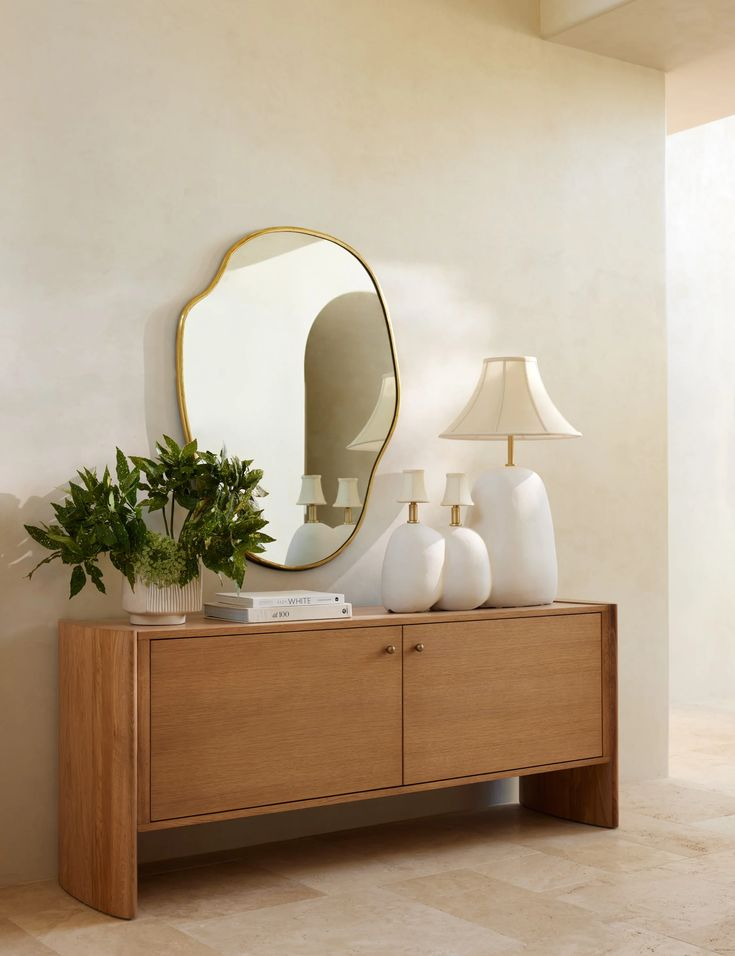
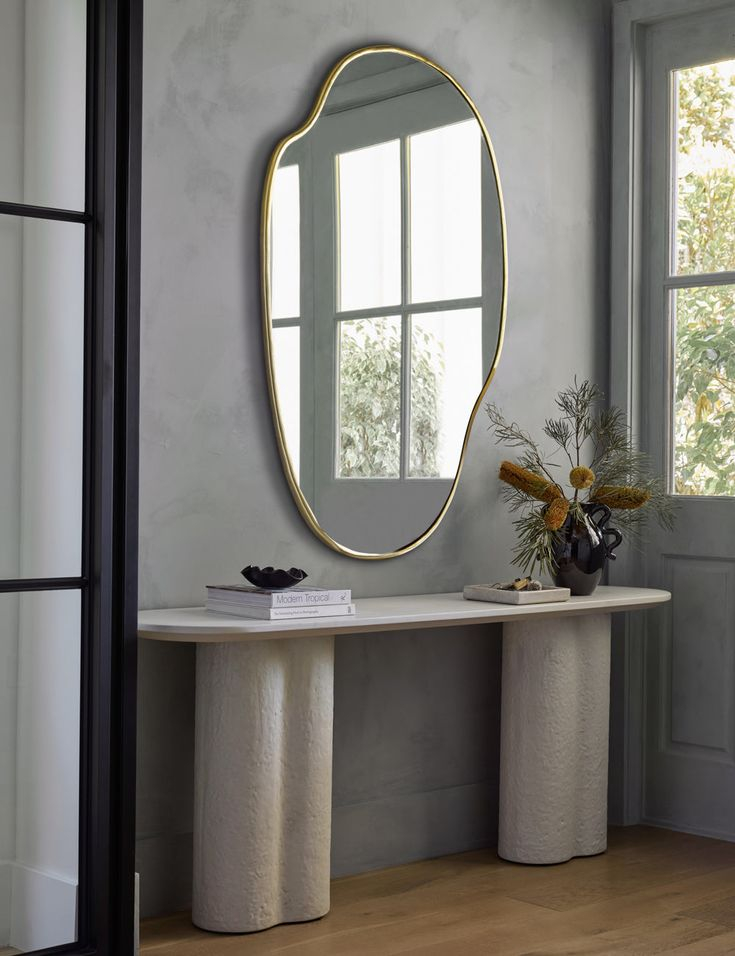
The entryway is tricky. It’s often narrow, dark, or cluttered with shoes and coats. Here, an irregular mirror is a superhero. It doesn’t just reflect your face; it reflects potential. A large, asymmetrical mirror can create the illusion of depth in a tight hallway. As noted by Edward Martin, different shapes affect balance and flow. In an entryway, you want flow. You want people to move through the space easily. A mirror with a vertical elongation draws the eye up, making low ceilings feel higher. A wide, horizontal blob shape can make a narrow corridor feel wider.
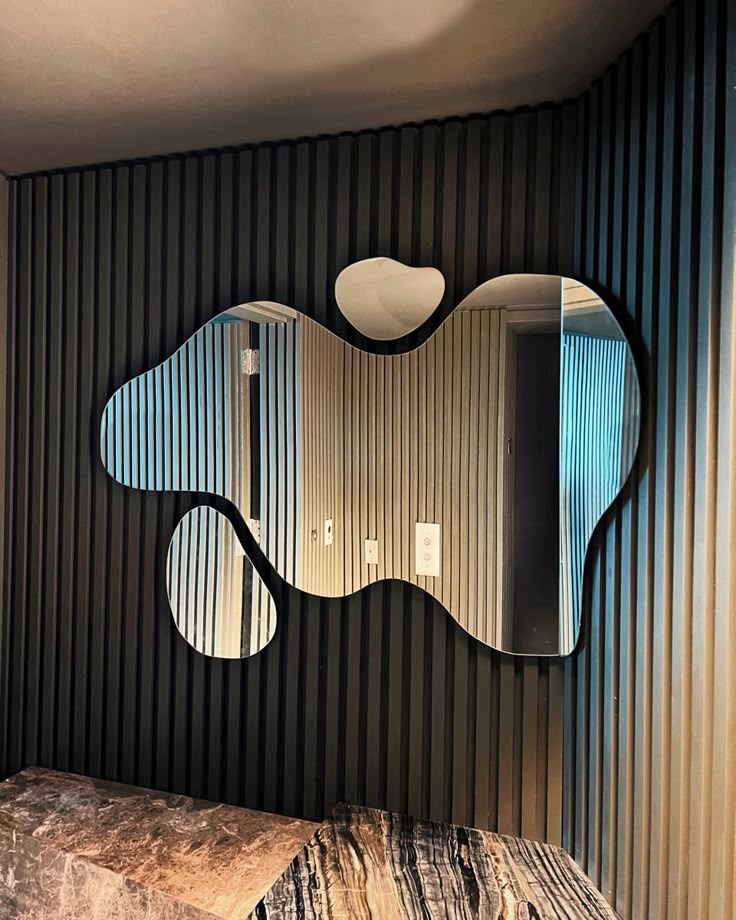
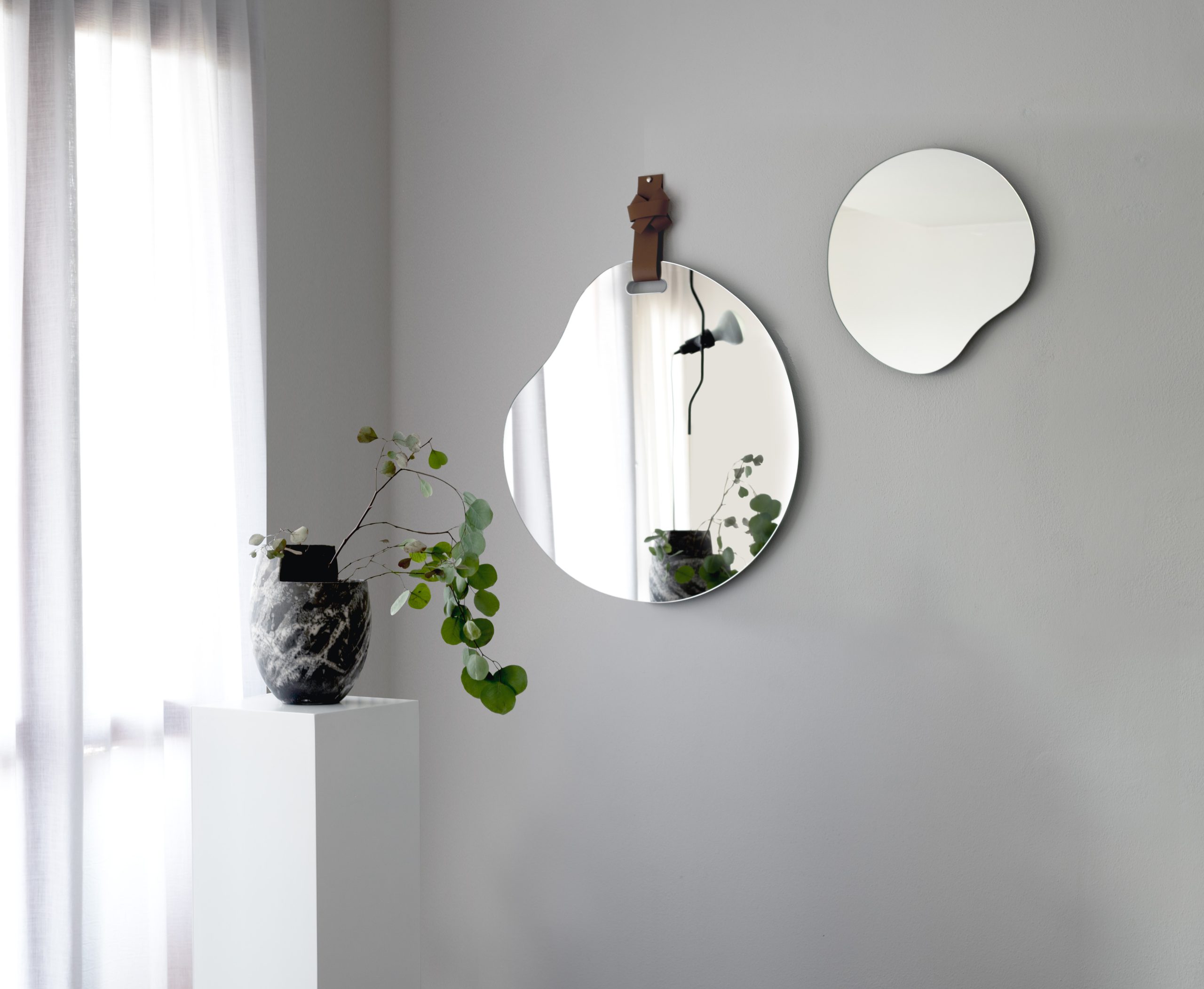
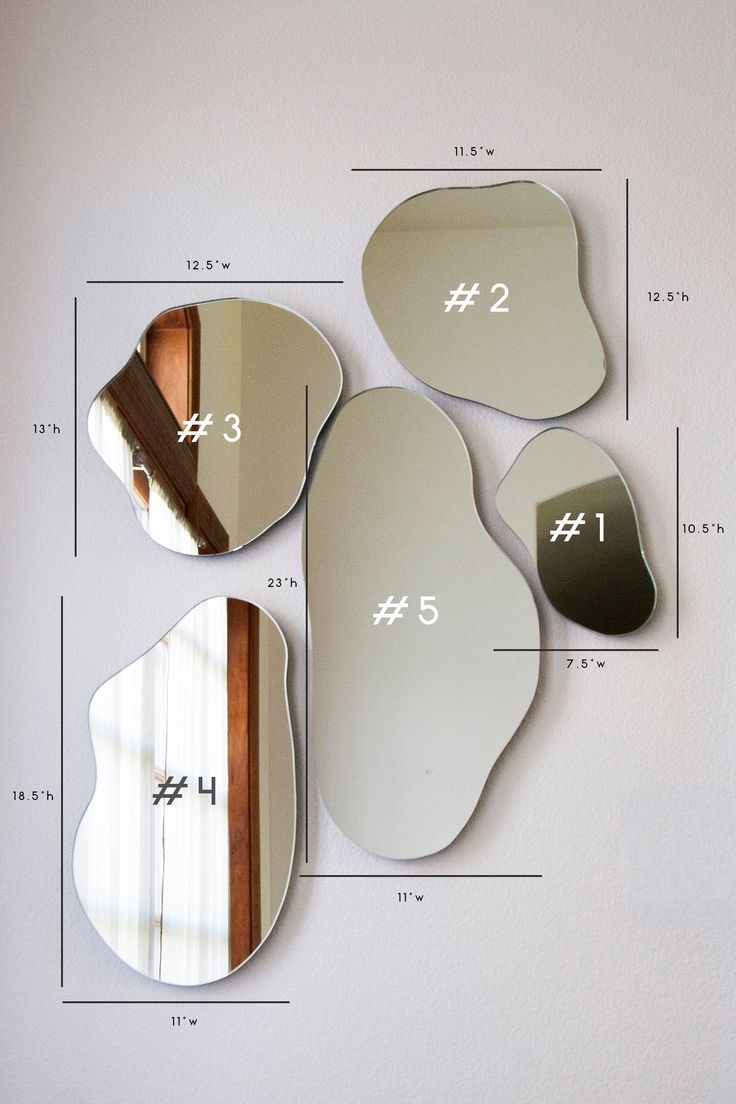
Placement is everything. Don’t just slap it on the center of the wall. Think about what it’s reflecting. If you put it opposite a window, you double the natural light. That’s huge for a dark foyer. But if it reflects a messy coat rack, you’ve just doubled the mess. Try positioning it slightly off-center. This asymmetry in placement complements the asymmetry of the mirror itself. It feels intentional, not accidental. You might also consider grouping several smaller irregular mirrors together. Melanie Jade Design suggests this creates a unique gallery wall effect. It’s playful. It breaks up the monotony of a long wall without committing to one giant statement piece.
Lighting matters too. Entryways rarely have great overhead light. Consider adding a sconce above or beside your irregular mirror. The way light hits those uneven edges creates shadows and highlights that change throughout the day. It turns the mirror into a living art piece. Just remember, since entryways are high-traffic zones, durability counts. Make sure the glass is tempered if you have kids or pets running around. You don’t want a shattered masterpiece on your welcome mat.
Bedroom Sanctuaries: Softening the Space
Your bedroom should be a cave. A sanctuary. It’s where you unwind. So, why would you want a harsh, angular mirror there? You wouldn’t. This is where soft, organic irregular mirrors shine. Literally and figuratively. Shapes that resemble puddles, clouds, or smooth river stones bring a sense of calm. They don’t demand attention; they invite it gently. In 2026, the trend is moving towards mirrors that feel like part of the architecture, not just an accessory. Think frameless, polished edges that blend seamlessly with your wall color.
Positioning in the bedroom is delicate. Many people avoid mirrors facing the bed due to various beliefs, including Vastu principles mentioned in recent design blogs. If that resonates with you, place the irregular mirror on a side wall or inside a closet door. If you’re okay with it facing the bed, ensure it reflects something beautiful, like a plant or a piece of art, rather than a pile of laundry. The goal is serenity. An irregular mirror above the headboard can act like a halo, softening the hard line of the bed frame. It adds height without the heaviness of a large painting.
Size matters here. You don’t want it to overwhelm the room. A bedroom mirror should feel intimate. If you have a small space, a medium-sized asymmetrical mirror can make the room feel airy without taking up floor space like a full-length standing mirror would. Look for pieces with warm tones in the frame or backing. Gold, brass, or even warm wood accents can add coziness. Avoid cold, chrome finishes unless your bedroom is strictly minimalist and cool-toned. You want the reflection to feel flattering, not clinical. After all, this is the first thing you see in the morning and the last thing at night. Make it kind.
Sizing and Scale: Avoiding the "Too Much" Trap
One of the biggest mistakes people make? Going too big. Or too small. It’s a Goldilocks situation. An irregular mirror is a statement. If it’s too large, it dominates the room and makes everything else look insignificant. If it’s too small, it looks like an afterthought. A lost sticker. To get it right, you need to visualize. Sites like Ideal House now offer AI visualizers that let you test-drive mirrors in your room virtually. This is a game-changer. It saves you from the regret of drilling holes for a piece that just doesn’t fit. Use these tools. They’re worth the five minutes it takes to upload a photo.
If you can’t use a visualizer, use painter’s tape. Map out the shape on your wall. Step back. Live with it for a day. Does it block a light switch? Does it crowd a doorway? Does it feel balanced with the furniture below it? A good rule of thumb is that the mirror should be about two-thirds the width of the furniture piece it hangs above. If it’s floating on a blank wall, leave plenty of breathing room. Don’t let it touch the ceiling or the floor unless that’s the specific design intent (like a floor-leaning mirror).
Also, consider the weight. Irregular shapes often have uneven weight distribution. You can’t just hang them on a single nail like a standard rectangle. You need proper anchors. For heavier pieces, use two points of contact. Check the hardware included. If it feels flimsy, replace it. There’s nothing worse than waking up to a crash. And remember, the scale isn’t just about width and height. It’s about visual weight. A thick, chunky frame feels heavier than a thin, frameless edge. Adjust your size choice based on the frame’s bulk. A bulky frame needs more space around it to breathe.
Frame vs. Frameless: Defining the Style
Do you want the mirror to be the star, or the frame? That’s the question. Frameless irregular mirrors are huge right now. They look modern, sleek, and almost liquid. They blend into the wall, creating a seamless look. This is perfect for minimalist spaces or small rooms where you don’t want visual clutter. The edge of the glass becomes the design element. Look for high-quality polishing on the edges. Cheap frameless mirrors have sharp, ugly edges that catch the light poorly. A good frameless mirror looks like a pool of water frozen in time.
On the other hand, framed irregular mirrors add texture and warmth. In 2026, we’re seeing a lot of organic materials. Think rattan, unfinished wood, or even ceramic frames. These add a tactile element. They feel handmade. Etsy is full of artisans creating these unique pieces. A wooden frame softens the reflection and adds a natural vibe. It’s great for bohemian or rustic styles. Metal frames, especially in brushed brass or black matte, add a bit of industrial chic. They define the shape clearly, making the irregularity more pronounced.
Consider your existing decor. If your room is full of patterns and textures, a frameless mirror might provide a nice visual break. If your room is stark and white, a textured frame adds necessary interest. Don’t mix too many metals. If your door handles are brass, try to match the mirror frame to that. Consistency creates harmony. But don’t be afraid to contrast. A black frame in a white room pops. It’s bold. Just make sure the frame style matches the vibe of the room. A ornate, gilded frame on a quirky, modern irregular shape might look disjointed. Keep it cohesive.
Maintenance and Care: Keeping It Sparkling
Here’s the truth no one tells you: irregular mirrors are harder to clean. Those curves and nooks trap dust. Standard Windex-and-paper-towel routines don’t cut it. You need a softer touch. Microfiber cloths are your best friend. They grab dust without scratching. For the edges, especially if they are frameless or have intricate frames, use a soft brush. A makeup brush or a clean paintbrush works wonders for getting into the crevices. Don’t spray cleaner directly on the mirror. Spray it on the cloth. This prevents liquid from seeping behind the glass or into the frame, which can cause damage over time.
Mirrorguide.com points out that asymmetrical designs require extra attention. This is true. Because the shape is non-standard, you can’t just wipe in straight lines. You have to follow the contour. Take your time. Treat it like polishing a car. If you have a framed mirror, check the frame material. Wood needs occasional oiling. Metal might need polishing to prevent tarnish. Ceramic frames can be wiped down like dishes. Know your material. Ignoring it leads to dullness. And a dull mirror defeats the purpose. You want that crisp, clear reflection.
Also, watch out for sunlight. Direct, harsh sunlight hitting a mirror all day can degrade the backing over time, causing black spots or desilvering. This is irreversible. If your entryway gets blazing afternoon sun, consider UV-protective window film or position the mirror slightly out of the direct beam. It’s a small step that extends the life of your piece significantly. Treat your mirror well, and it will stay captivating for years. It’s an investment in your home’s atmosphere. Protect it.
At the end of the day, choosing an irregular mirror is personal. There are no strict rules. Only guidelines. The best mirror is the one that makes you smile when you see it. Don’t get bogged down in trends. Trends fade. Your taste is yours. If you love a jagged, lightning-bolt shape, go for it. If you prefer a soft, pebble-like form, embrace it. Your home should reflect you, not a magazine spread. The beauty of irregular mirrors is their uniqueness. No two are exactly alike. That’s their charm.
Take your time. Visit local shops. Touch the frames. See how the glass quality looks. Online shopping is convenient, but seeing it in person helps you gauge the true scale and finish. If you buy online, check the return policy. Make sure you can send it back if it doesn’t vibe with your space. Remember, it’s okay to live with a blank wall for a while. Wait for the right piece. Don’t settle for "good enough."
Your entryway and bedroom are intimate spaces. They deserve thoughtfulness. An irregular mirror is more than glass. It’s a tool for light, space, and mood. It’s a piece of art that serves a function. By considering shape, size, placement, and care, you’ll find a piece that elevates your home. It’s not just about looking good. It’s about feeling good. So, go ahead. Break the mold. Find that perfect, imperfect reflection. Your walls will thank you.