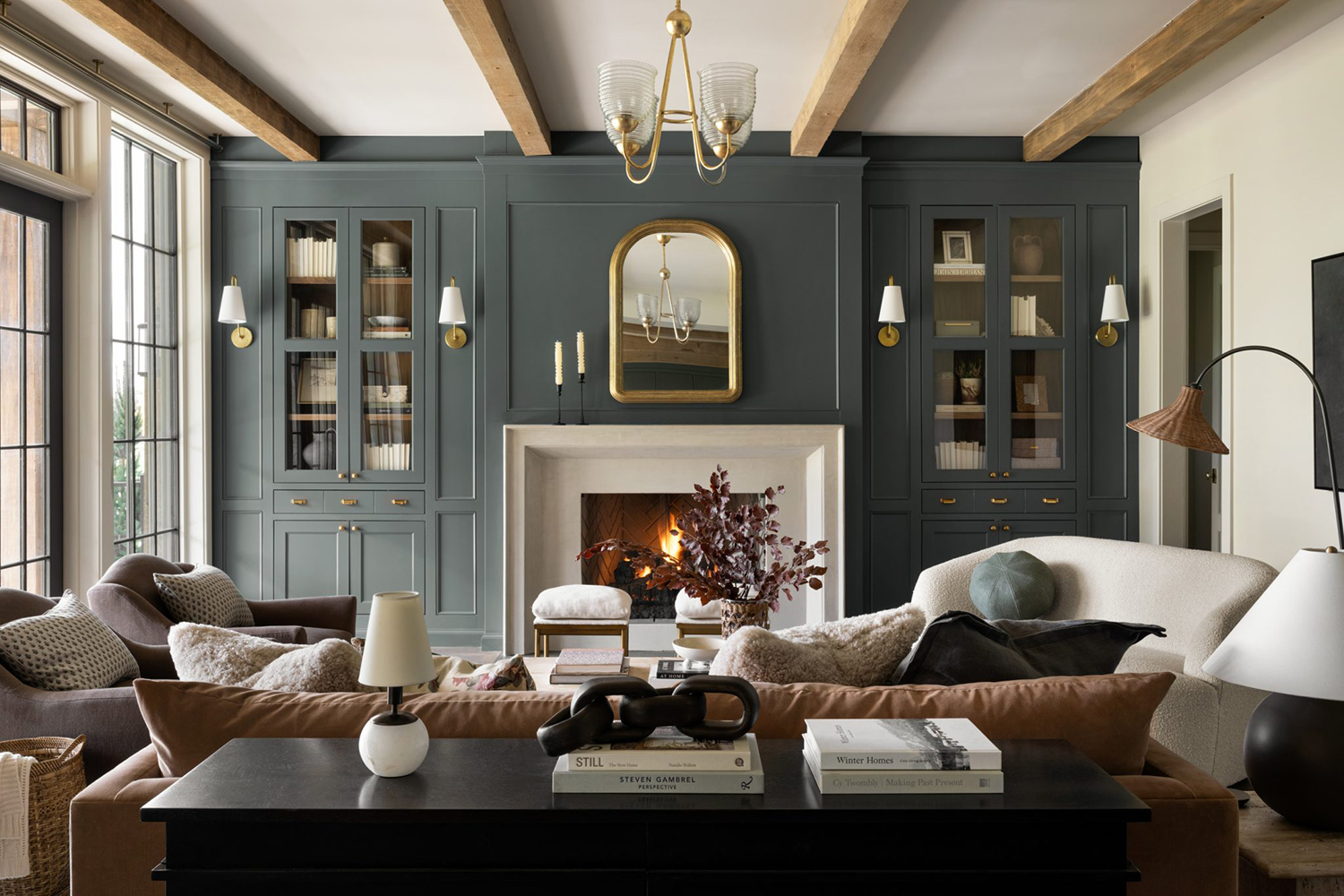
Have you ever walked into a tiny room painted in deep charcoal or midnight blue and felt instantly hugged by the space instead of suffocated. Most of us grew up hearing the old design rule that small spaces need bright white paint to feel bigger. But interior design in 2026 is all about breaking outdated rules and creating spaces that actually feel good to live in.
We have all been there. You buy a tiny apartment or a small bedroom and immediately grab a can of stark white paint. You think it will bounce light around and trick the eye. Yet, many times, it just ends up feeling cold, sterile, and boxy. It highlights every single shadow and corner.
The Illusion of Boundaries and Walls
When you coat a small room in bright white, you see every sharp edge and corner clearly. The eye maps out the exact dimensions instantly. You notice every single square inch of limitation.
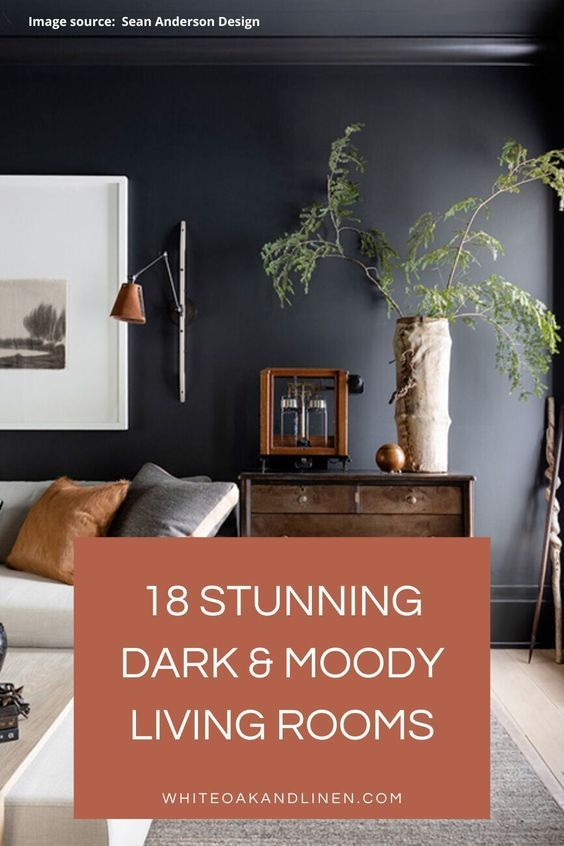
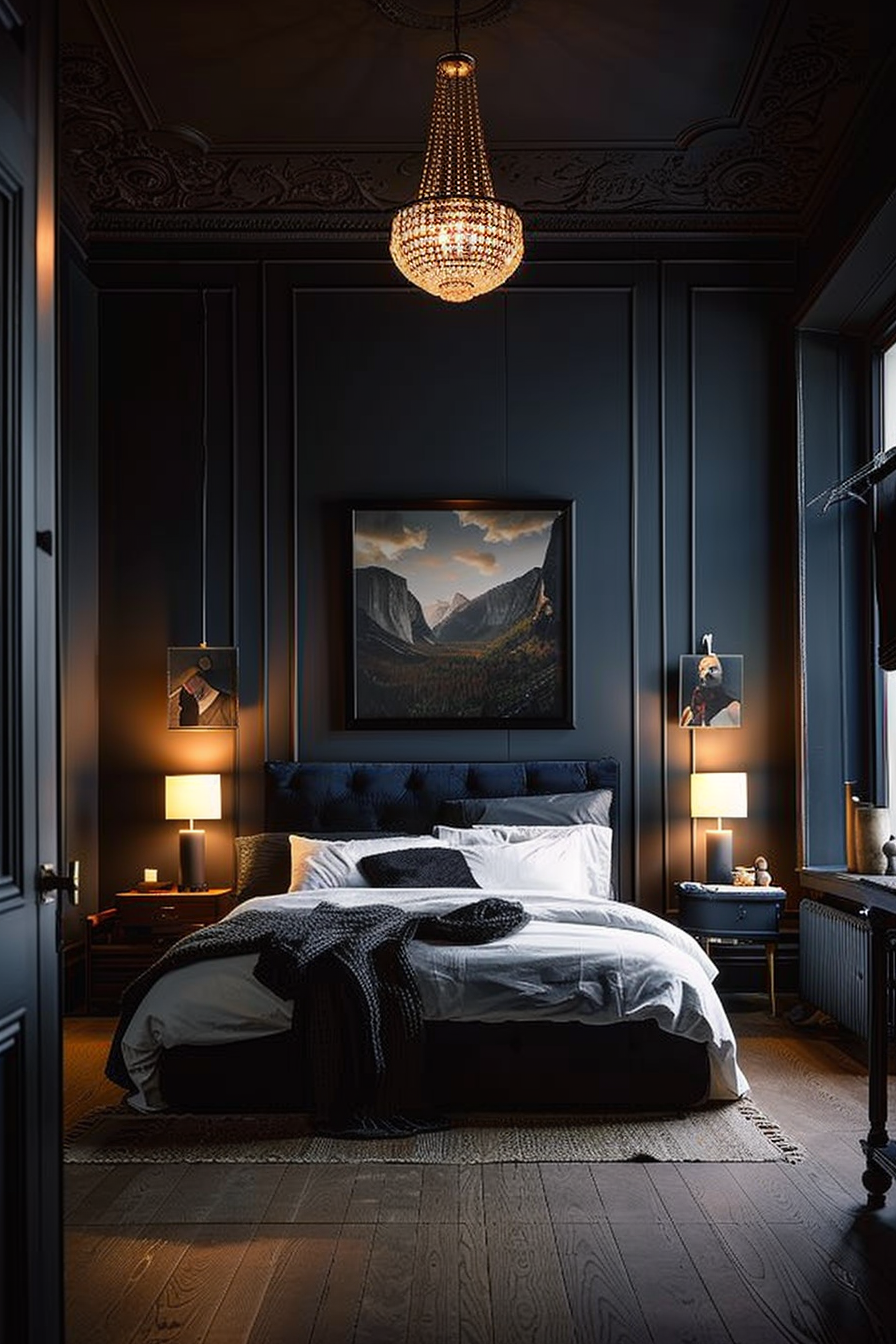
Dark colors like forest green or deep plum do something magical. They blur the edges. Because deep shades absorb light rather than reflecting it fiercely, the corners seem to recede. The boundaries of the room soften and fade away.
Instead of looking like a tiny box with visible walls, the space gains depth. It feels infinite rather than cramped. You stop noticing where the wall ends and the ceiling begins, creating a seamless cocoon effect.
How Light Behaves in Deeply Painted Rooms
It sounds counterintuitive. How can adding less light make a room feel better. Think about how humans naturally seek out cozy, sheltered spots like a shaded nook under a tree or a dimly lit library.
Dark walls catch and play with whatever light is available. Sunlight hitting a navy blue wall creates rich, subtle undertones that shift throughout the day. Lamps cast a warm, inviting glow that bounces softly off matte surfaces.
Instead of bouncing harsh glare into your eyes, dark paint absorbs the chaotic clutter of visual noise. The atmosphere instantly settles down. Your nervous system relaxes the moment you step inside.
Choosing the Right Shade for Your Space
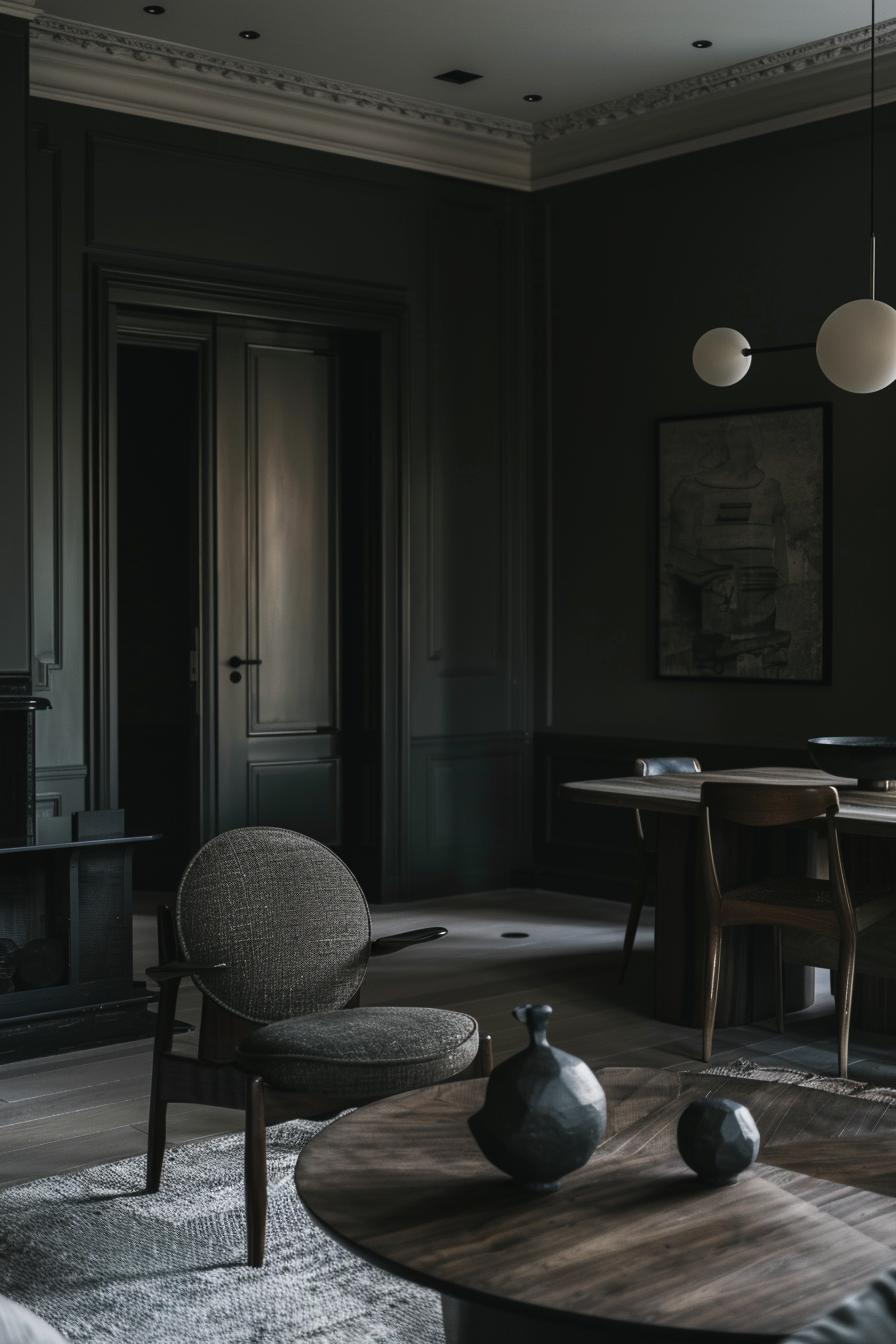
Not all dark colors are created equal. You want to pick a hue with rich undertones rather than flat black. Think of chocolate brown, deep olive, or smoky charcoal.
Test a large swatch on your wall first. Watch how it changes from morning until night. A color that looks dramatic in the store might turn completely different under your warm bulb lighting.
Don’t be afraid to take the plunge. Grab a brush and commit to the pigment. The results will shock you in the best way possible.
Layering Textures to Prevent Flatness
A dark room needs texture to truly sing. If everything is smooth and matte, the space can feel heavy. You want to mix up your materials to keep things dynamic.
Throw in a chunky knit blanket or a woven jute rug. Add rich velvet pillows or a vintage wooden coffee table. These tactile elements catch the light differently and add immense warmth.
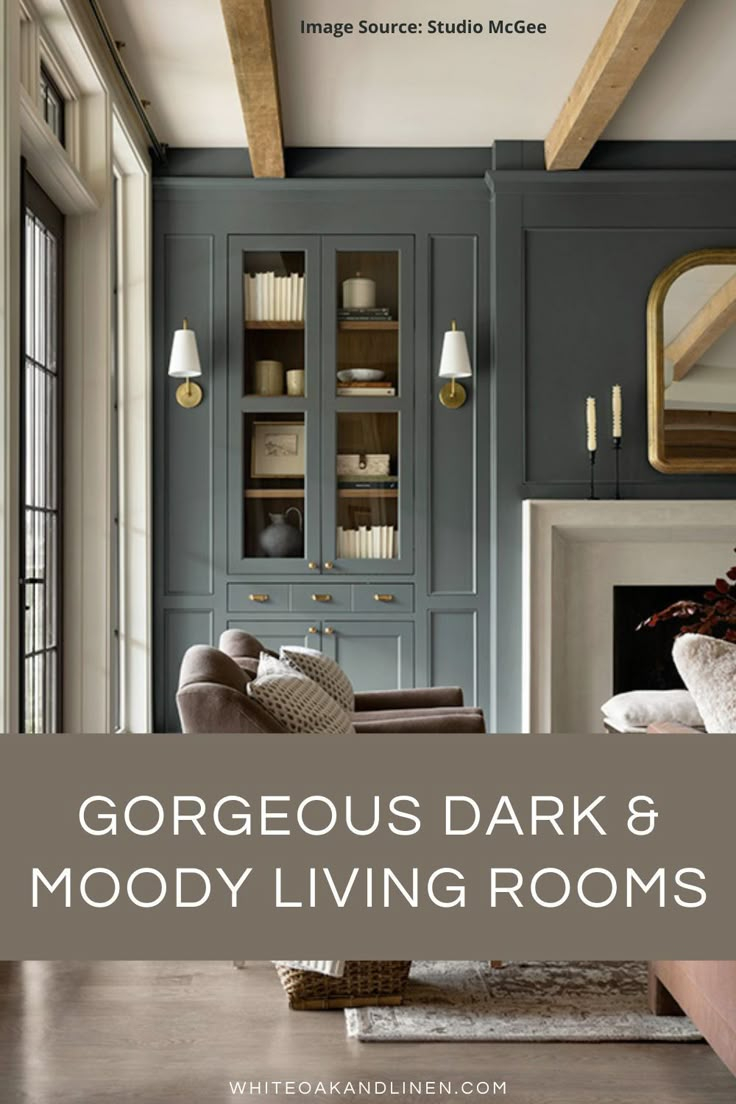
Metal accents also do wonders. A brushed brass lamp or a sleek copper frame pops gorgeously against a moody backdrop. It adds just the right amount of shimmer without overpowering the room.
Psychological Comfort and the Cocoon Effect
Our homes are our safe havens from a noisy world. When you paint a room in a deep, saturated shade, you tap into a primal sense of security. It mimics a cozy cave or a sheltered den.
People often report sleeping better in dark bedrooms. The room naturally tells your brain that it is time to unwind. It creates an intimate atmosphere that fosters deep conversations and pure relaxation.
Small rooms are meant to be intimate anyway. Trying to force them to feel like grand, airy ballrooms usually fails. Lean into the snugness instead of fighting it.
Start small if you are nervous. A powder room or a tiny entryway is the perfect testing ground. You can see how you feel about the drama before tackling a main bedroom.
Choose a satin or matte finish. High gloss will reflect too much light and ruin the moody vibe you are going for. Matte absorbs light best and hides minor wall imperfections.
Balance the dark walls with lighter furniture or bright artwork. Contrast is key. A dark backdrop makes your favorite art pieces and furniture pop with incredible vibrancy.
At the end of the day, your home should reflect how you want to feel. Pushing past the old myth that small rooms must always be white opens up a whole new world of design possibilities. Dark walls do not shrink a room; they elevate it into a cozy sanctuary.
Embrace the shadows and watch your tiny spaces come alive. You might never look at a white wall the same way again.