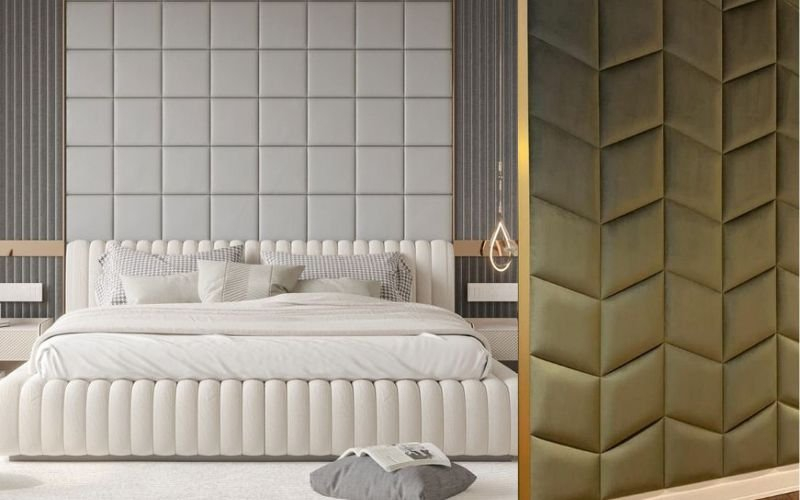
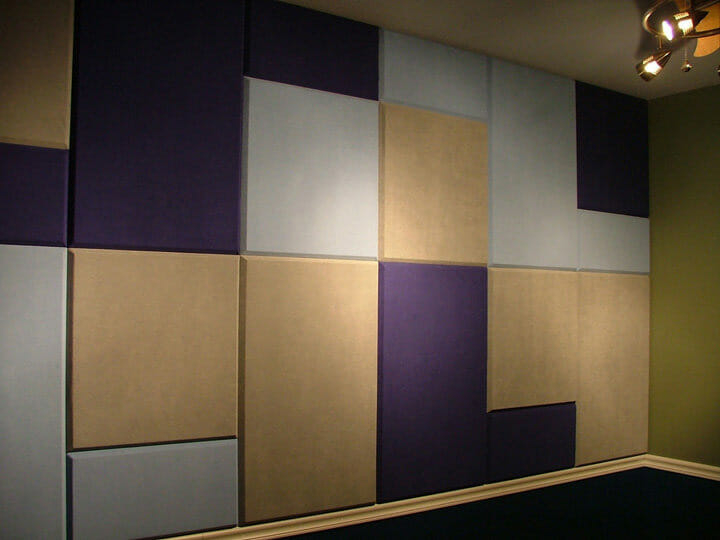
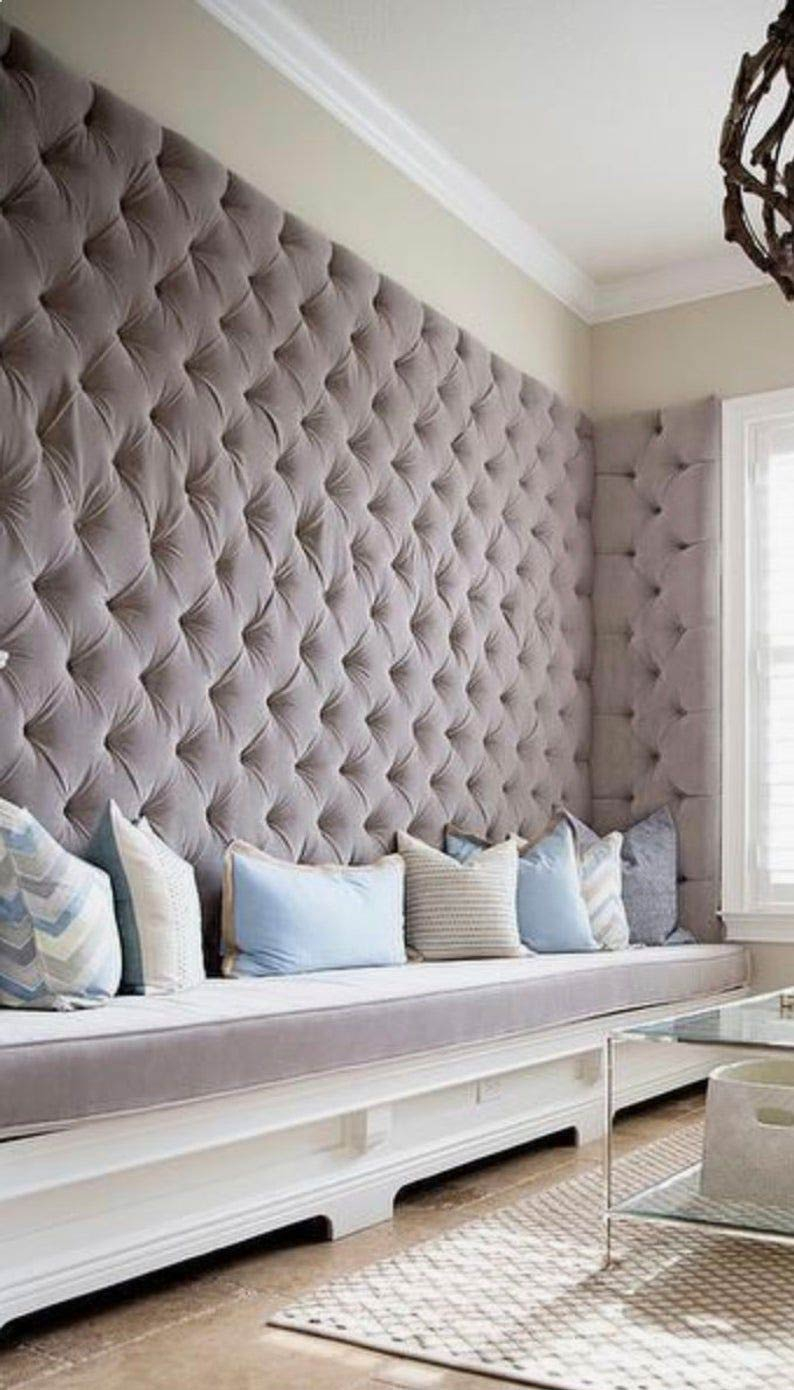
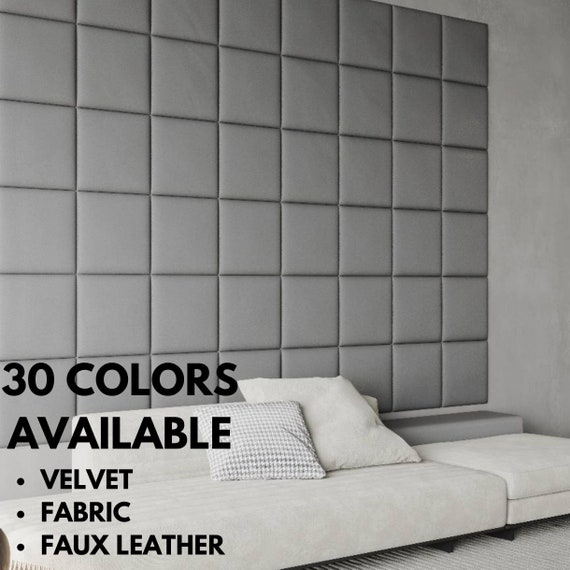
Ever walked into a room that felt… loud? Not because people were shouting, but because the air itself seemed to vibrate with every footstep. You know the feeling. It’s that hollow, echoey sensation that makes conversation feel like work. We’ve all been there. Maybe it was a trendy coffee shop with exposed brick and concrete floors, or perhaps your own living room after you swapped out the plush rug for sleek hardwood. It looks amazing, sure. But god, it’s noisy.
For years, we’ve been told that fixing this means adding ugly foam panels or heavy, drab curtains that look like they belong in a recording studio from the 1970s. But that’s just not true anymore. In 2026, the intersection of acoustics and interior design has never been more exciting. You don’t have to choose between a space that sounds good and one that looks incredible. The secret isn’t just in the material—it’s in the density. And understanding that simple concept can change everything about how your home feels.
Understanding the Physics of Softness
Let’s get technical for a second, but keep it simple. Sound is basically energy moving through the air. When those sound waves hit a hard surface, like glass or drywall, they bounce right back. That’s what creates an echo. Now, when they hit a soft surface, like fabric, two things can happen. The sound can be absorbed, meaning the energy is trapped and turned into a tiny bit of heat, or it can pass right through. This is where density comes in.
Density isn’t just about how thick the fabric feels. It’s about how tightly the fibers are packed together. Think of it like a crowd of people. If they’re standing far apart (low density), sound waves can slip through the gaps easily. If they’re packed tight (high density), the sound hits a wall of fiber and gets stuck. But here’s the catch: if it’s too dense and non-porous, it might just reflect the sound again, like a mirror. You need that sweet spot where the fabric is dense enough to catch the wave, but porous enough to let it enter the material so it can be dissipated.
Most people assume thicker is always better. That’s a common mistake. A thin, high-density wool felt can often absorb mid-range frequencies (like human speech) better than a thick, loose-knit cotton blanket. The key is the mass per square meter, often measured in GSM (grams per square meter). In recent years, manufacturers have gotten really good at engineering fabrics that have high GSM without looking bulky. This allows you to have sleek, modern upholstery that still does the heavy lifting for your room’s acoustics.
The Style vs. Function Dilemma
Here is the real struggle. You want that airy, linen look. You want the light to filter through sheer curtains. You want the velvet sofa to look inviting and smooth. But traditionally, the fabrics that look "light" are acoustic nightmares. They let sound pass right through. For a long time, designers had to hide the acoustic treatment behind the pretty stuff. They’d put heavy batting behind a nice curtain, or use separate acoustic panels that clashed with the decor. It was a compromise.
But in 2026, we’re seeing a shift. The "quiet luxury" trend isn’t just about aesthetics; it’s about sensory experience. People are realizing that a quiet room feels more expensive, more calm, and more luxurious. So, the industry has responded. We now have high-performance textiles that mimic the drape and texture of natural fibers but are engineered with micro-dense structures. Imagine a curtain that looks like lightweight silk but has the sound-absorbing properties of a heavy wool. It’s not magic; it’s material science.
The dilemma usually arises when trying to match these functional fabrics with existing decor. You might find the perfect acoustic velvet, but it’s only available in beige. Or the ideal sound-absorbing panel fabric doesn’t come in the bold geometric print you love. This is where creativity comes in. Instead of looking for one fabric to do it all, think about layering. Use a visually striking, lower-density fabric for the primary visual impact, and pair it with a hidden or secondary layer of high-density acoustic material. It’s about working with the grain of the design, not against it.
Decoding Fabric Weaves and Textures
Not all weaves are created equal when it comes to noise. The way the threads cross over each other changes how sound interacts with the surface. Tight weaves, like twill or satin, tend to be denser and can reflect higher frequencies if they’re too smooth. Looser weaves, like basketweave or open knits, allow sound to penetrate deeper into the material, which is great for absorption. But they can look casual or rustic, which might not fit your vibe.
Consider velvet. It’s a favorite for a reason. The pile (those little upright fibers) creates a huge amount of surface area. When sound hits velvet, it doesn’t just hit a flat surface; it hits thousands of tiny fibers that vibrate and dissipate energy. Plus, it looks lush and sophisticated. In 2025 and 2026, we’ve seen a surge in "acoustic velvets" made from recycled polyester blends that offer even better performance than traditional cotton velvets. They’re durable, stain-resistant, and incredibly effective at taming room reverberation.
On the other hand, you have felted wools. These are non-woven, meaning the fibers are matted together under heat and pressure. This creates a very uniform, high-density material that is excellent for broad-spectrum absorption. The downside? It can look a bit industrial or plain. But newer techniques allow felt to be pressed into shapes, dyed in vibrant colors, and even printed on. You can now find felt wall coverings that look like abstract art pieces while simultaneously killing the echo in your home office. It’s a win-win, provided you pick the right thickness.
Measuring What Matters: NRC and Beyond
So, how do you know if a fabric actually works? You can’t just trust the touch test. You need data. The standard metric is the Noise Reduction Coefficient, or NRC. It’s a number between 0.0 and 1.0. An NRC of 0.0 means the material reflects all sound (like a mirror). An NRC of 1.0 means it absorbs all sound (like an open window). Most fabrics fall somewhere in between. For a typical living room, you’re aiming for materials that help bring the overall room NRC up to a comfortable level, usually around 0.4 to 0.6 for the space as a whole.
But here’s the thing: NRC is an average. It doesn’t tell you which frequencies are being absorbed. A fabric might have a decent NRC but only absorb high pitches (like cymbals or sibilance in speech), leaving the low rumble of traffic or bass from a speaker untouched. In 2026, more manufacturers are providing full frequency spectrum charts. Look for these. If you’re dealing with a noisy street outside, you need something that handles low-mid frequencies. If you’re trying to stop your voice from echoing in a Zoom call, you need high-frequency absorption.
Don’t get bogged down in the numbers too much, though. A general rule of thumb for fabric density is to look for weights above 300 GSM for curtains and upholstery if you want noticeable acoustic benefits. Below that, you’re mostly dealing with decoration. Above 500 GSM, you’re getting into serious acoustic territory. But remember, the fabric is just the face. What’s behind it matters just as much. A 300 GSM fabric mounted with an air gap behind it will perform significantly better than the same fabric stuck directly to a wall. The air gap acts as a spring, enhancing the absorption of lower frequencies.
Practical Applications in Modern Homes
Let’s talk about where to actually put this stuff. The biggest mistake people make is treating all surfaces equally. You don’t need to cover every wall in fabric. That would look like a padded cell. Instead, target the "first reflection points." These are the spots where sound from a source (like your TV or your mouth) hits a wall and bounces directly to your ears. In a living room, this is usually the wall behind the TV and the side walls adjacent to your seating area.
Curtains are the easiest win. Swap out those thin, synthetic sheers for double-layered drapes. Use a decorative, lighter fabric for the front, and line it with a heavy, dense blackout or acoustic lining. This gives you the look you want with the performance you need. In 2026, magnetic lining systems are becoming popular, allowing you to detach the heavy liner for washing or to let more light in during the day. It’s flexible and practical.
For furniture, think about the back of your sofa. If it’s floating in the middle of the room, the back is a huge reflective surface. Choose a sofa upholstered in a high-pile fabric or one with a textured, open weave. If you have a hard-backed chair, throw a chunky knit blanket over it. Not only does it add coziness, but that extra layer of irregular texture breaks up sound waves. Even small touches, like large tapestries or macramé wall hangings, can make a difference. They aren’t as effective as dedicated acoustic panels, but they contribute to the overall "softness" of the room’s acoustic profile.
As we move further into the mid-2020s, sustainability is becoming a huge part of the conversation. Many high-density acoustic fabrics are now made from recycled plastics, ocean waste, or rapidly renewable resources like hemp and bamboo. These materials often have superior acoustic properties because their fiber structures are naturally irregular, which helps scatter and absorb sound. Choosing eco-friendly options isn’t just good for the planet; it’s often good for your ears.
Technology is also playing a role. Smart fabrics are emerging, though they’re still pricey. Imagine curtains that can change their density or porosity based on the ambient noise level. While that’s not quite mainstream yet in 2026, the trend toward adaptive environments is real. For now, you can future-proof your space by choosing neutral, high-quality base layers for your acoustic treatments. Install heavy, dense lining in your window tracks now, even if you only hang light curtains. Later, if you find the room is too noisy, you can swap in heavier drapes without doing any construction work.
Also, consider modularity. Instead of gluing acoustic fabric to walls, use tension rods, frame systems, or freestanding screens. This allows you to change the look of your room as trends evolve. A fabric that feels fresh and stylish today might look dated in five years. By keeping the acoustic infrastructure separate from the decorative surface, you maintain flexibility. You can update the style without losing the sound benefits. It’s a smarter, more sustainable approach to design.
Finding the right balance between how a room sounds and how it looks doesn’t have to be a headache. It’s really about understanding that fabric is more than just a covering; it’s a tool. By paying attention to density, weave, and placement, you can create spaces that feel as good as they look. You don’t need to be an engineer to do it. Just listen to your space. Notice where the echoes live. Then, soften those spots with intention.
Start small. Maybe it’s just adding a heavy throw to a leather chair. Or swapping out one set of curtains. See how it changes the feel of the room. You’ll likely notice a subtle shift—a calmness that wasn’t there before. That’s the power of good acoustic design. It’s invisible, but you feel it. And in a world that’s getting louder every day, that quiet luxury is worth its weight in gold. So go ahead, touch the fabrics, check the weights, and don’t be afraid to mix textures. Your ears will thank you.