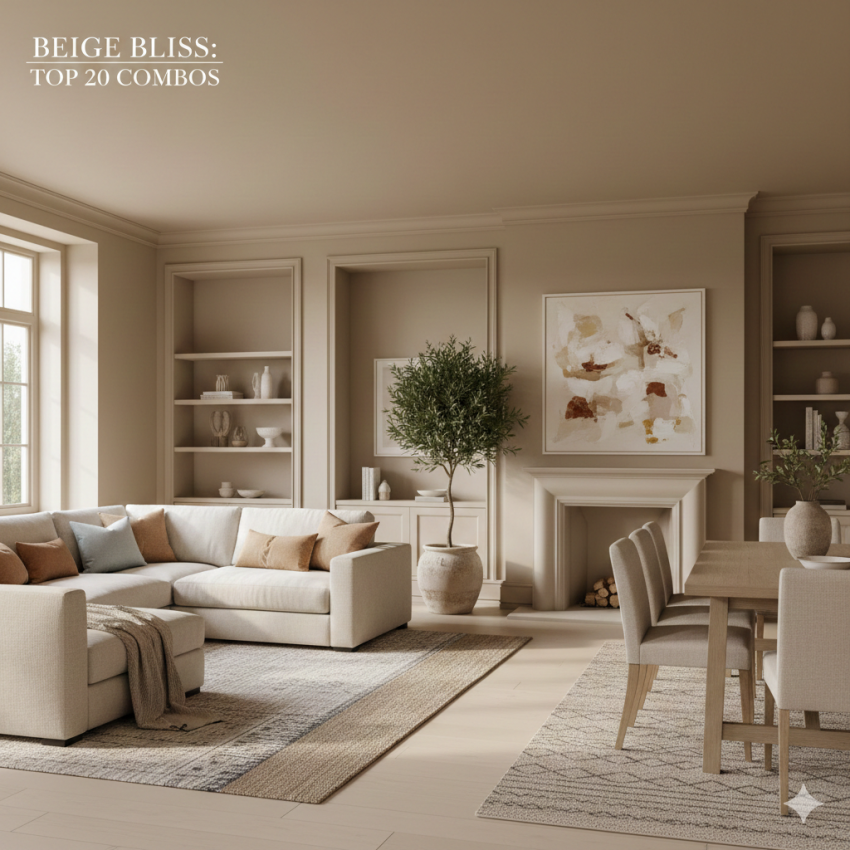
You walk into a room. It’s calm. Not empty, just… settled. The light hits a wooden table that has seen better days, but those days left marks that look like stories, not damage. There’s no logo screaming for attention. No gold plating trying to prove a point. Just things that feel good to touch. This is the vibe we’re chasing now. But somewhere along the way, the internet got confused. It decided that "quiet luxury" meant painting everything beige and buying a cashmere sweater with no tag. That’s it? Really?
By 2026, we’ve moved on. We’re tired of the aesthetic-only approach. It turns out, you can’t just buy silence. You have to cultivate it. The trend isn’t about looking rich in a way that whispers; it’s about living well in a way that breathes. It’s a shift from how things appear to how they make us feel. And honestly? It’s about time. We’re digging into what this actually means for our homes, our wardrobes, and our minds right now.
The Beige Trap and the Aesthetic Fatigue
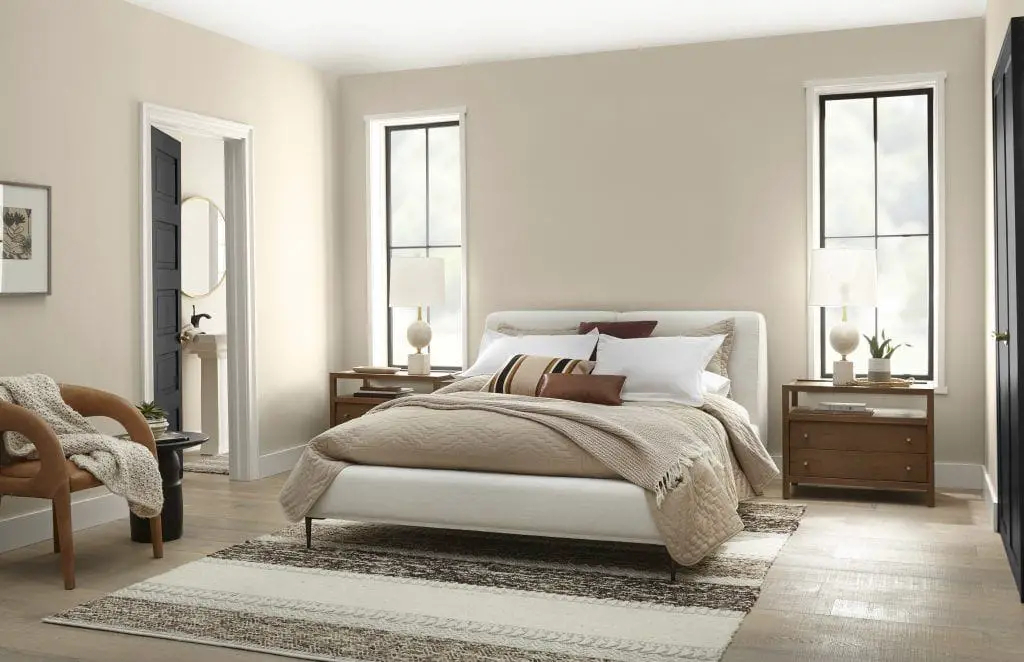
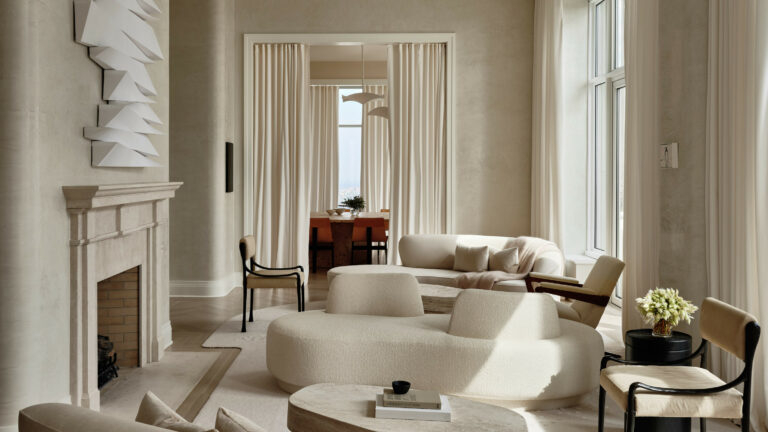
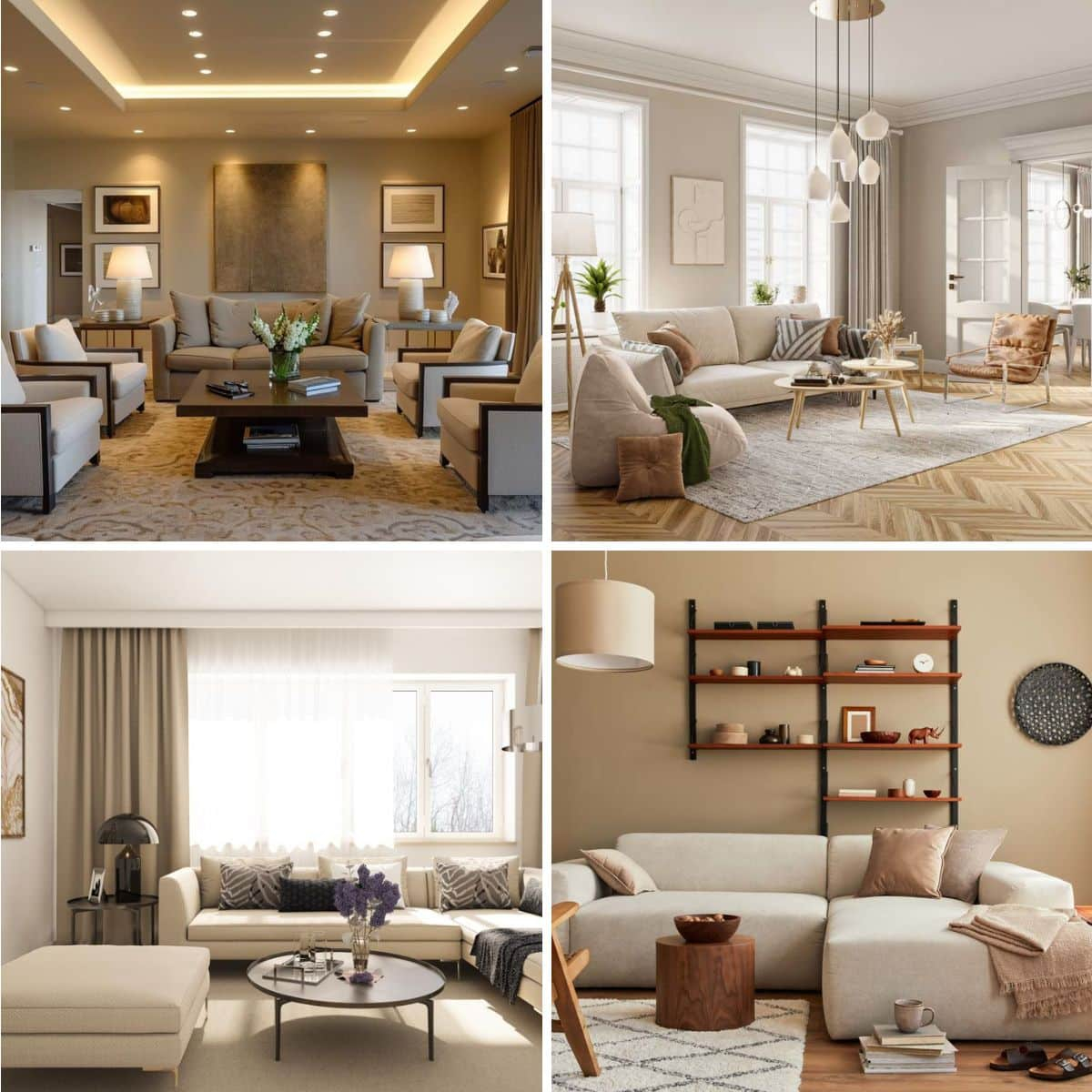
Let’s be real for a second. Around 2023 and 2024, social media feeds were drowned in oatmeal tones. It was everywhere. Cream sofas, taupe walls, sand-colored rugs. It looked nice, sure. But it also felt a bit like living inside a latte. The problem wasn’t the color beige itself—beige is lovely, calming, classic. The problem was that it became a shortcut. People thought if they just removed all color and branding, they had achieved "quiet luxury." They hadn’t. They had just achieved minimalism with a higher price tag.
This aesthetic fatigue hit hard by 2025. Consumers started realizing that a $2,000 beige handbag wasn’t inherently more "quiet" or luxurious than a vibrant, well-made one. The lack of noise didn’t mean there was substance. In fact, many fast-fashion brands jumped on the bandwagon, churning out "quiet" collections that were anything but. They used synthetic fabrics that pilled after two washes and construction that fell apart. The silence was fake. It was a costume. And people could feel the difference, even if they couldn’t articulate it yet.
Now, in 2026, we’re seeing a rebellion against the monochrome boredom. Designers and homeowners are reintroducing texture, pattern, and yes, color. But they’re doing it with intention. The focus has shifted from "does this look expensive?" to "does this feel authentic?" It’s less about blending into the background and more about standing firm in your own values. The beige trap was a phase, a learning curve. We learned that stripping away logos doesn’t strip away consumerism. You have to go deeper.
Craftsmanship Over Branding
So, if it’s not about the logo, what is it about? It’s about the hands that made it. In 2026, the true marker of quiet luxury is provenance. Who stitched this? Where did the wood come from? How long did it take? These are the questions people are asking. There’s a growing appreciation for the imperfect, the human touch. A ceramic mug with a slight wobble feels more luxurious than a perfectly symmetrical factory-made one because it carries the energy of its creator.
This shift is backed by data too. Recent surveys show that consumers under 40 are willing to pay a premium for transparency in supply chains. They want to know the artisan’s name. They want to see the workshop. This isn’t just a nice-to-have; it’s a dealbreaker for many. The luxury is in the knowledge that someone cared enough to spend hours perfecting a detail that most people might never notice. But you know it’s there. That secret knowledge creates a connection between the object and the owner.
Think about a tailored jacket. In the old world of loud luxury, the value was in the brand name on the label. In the new quiet luxury, the value is in the canvas lining, the hand-stitched buttonholes, and the way it drapes specifically on your shoulders. It’s functional art. It’s designed to last decades, not seasons. This durability is key. It’s anti-waste. It’s a statement that says, "I value quality over quantity." And that’s a much louder statement than any logo could ever be, even though it’s said in a whisper.
Sustainability as the New Status Symbol
You can’t talk about quiet luxury in 2026 without talking about the planet. It’s impossible. The two are now intertwined. True luxury is no longer about excess; it’s about responsibility. Buying something cheap and throwing it away is seen as tacky, regardless of how much money you have. The real flex is owning fewer things that are made to last. This is where sustainability moves from a buzzword to a core pillar of the lifestyle.
Materials matter immensely now. We’re seeing a surge in demand for regenerative fibers, recycled metals, and upcycled textiles. It’s not just about being "green"; it’s about respecting resources. A coat made from regenerated wool has a story. It has a past life. That narrative adds depth to the item. It makes it unique. When you wear it, you’re not just wearing fabric; you’re wearing a commitment to a better system. That feels good. It feels substantial.
Moreover, the circular economy is playing a huge role. Vintage and second-hand markets are booming, not just for budget shoppers, but for luxury buyers. Finding a rare, well-preserved piece from the 90s is considered more chic than buying the latest drop. It shows taste, patience, and an eye for quality that transcends trends. This reuse culture is the ultimate form of quiet luxury. It says, "I don’t need the new thing to be valid. I appreciate the enduring thing." It’s a mature approach to consumption that resonates deeply in a world feeling the effects of climate change.
Emotional Durability and Heirloom Mindset
There’s a concept called "emotional durability." It’s the idea that objects become more valuable to us over time because of the memories and experiences attached to them. Quiet luxury in 2026 is heavily focused on this. It’s about creating an environment and a wardrobe that ages with you. Think of a leather bag that gets softer and more scratched with every trip. Those scratches aren’t flaws; they’re milestones. They map your life.
This heirloom mindset changes how we shop. We stop asking, "Is this trendy?" and start asking, "Will I still love this in ten years?" It slows us down. It encourages mindfulness. Instead of impulse buys, we make intentional investments. This shift is refreshing in a fast-paced digital world. It gives us anchors. Physical objects that ground us in reality and history. A wooden dining table where you’ve shared countless meals becomes a centerpiece of family life, not just furniture.
The emotional connection also extends to repair and care. Instead of discarding broken items, there’s a renewed interest in mending. Kintsugi, the Japanese art of repairing broken pottery with gold, is a perfect metaphor. The break is highlighted, not hidden. The object becomes more beautiful for having been broken and healed. This philosophy is spreading to fashion and home goods. Visible mending is stylish. It shows pride in ownership. It rejects the disposable culture. And that pride? That’s a quiet, deep form of luxury.
The Psychology of Calm in a Chaotic World
Why is this happening now? Why 2026? Look around. The world is noisy. Digital notifications, news cycles, political unrest, economic uncertainty. It’s a lot. Our brains are overloaded. Quiet luxury offers a sanctuary. It’s a visual and tactile antidote to chaos. When your home is filled with objects that have meaning and calm, your mind settles. It’s not just interior design; it’s mental health care.
The psychological benefit of decluttering—not just removing stuff, but curating meaningful stuff—is well-documented. But it goes beyond minimalism. Minimalism can feel sterile. Quiet luxury feels warm. It allows for comfort. It invites you to sit, to touch, to breathe. The textures are soft. The lighting is warm. The spaces are designed for living, not just for showing off on Instagram. This focus on well-being is central to the modern definition of luxury.
Furthermore, there’s a sense of control. In a world where so much feels out of our hands, choosing what we bring into our lives is a powerful act. It’s a way to assert our values. By choosing slow, sustainable, and meaningful items, we’re pushing back against the frantic pace of modern life. We’re creating pockets of peace. And in 2026, peace is the ultimate commodity. It’s rare. It’s precious. And it can’t be bought off a rack; it has to be built, piece by piece.
Practical Steps to Embrace True Quiet Luxury
So, how do you actually do this? It’s not about throwing out everything you own and starting over. That’s wasteful and expensive. Start small. Look at what you already have. What items do you truly love? Which ones feel good to use? Keep those. Let go of the rest, either by selling, donating, or gifting. This curation process is the first step. It clears the physical and mental space for what matters.
Next, change your shopping habits. Before buying, ask the hard questions. Who made this? What is it made of? Will it last? If you can’t answer these, put it back. Seek out local artisans, small businesses, and vintage shops. Support makers who are transparent about their processes. It might take longer to find what you need, but the search is part of the joy. You’re hunting for treasure, not just consuming products.
Finally, practice care. Learn to mend a seam. Polish your shoes. Oil your wood furniture. These acts of maintenance build a relationship with your belongings. They slow you down. They teach you to appreciate the material world. And remember, it’s okay to have color. It’s okay to have patterns. Just make sure they speak to you. Don’t follow a rulebook. Follow your intuition. If it brings you calm and joy, it fits. If it feels like a performance, let it go.
Quiet luxury in 2026 isn’t about hiding. It’s about revealing what’s real. It’s a move away from the superficial and toward the substantial. It’s about recognizing that true wealth isn’t in what you show others, but in how you feel in your own skin, in your own home, with your own things. It’s a personal journey, not a public display.
We’ve learned that beige walls don’t make a life luxurious. Intention does. Craftsmanship does. Care does. As we move forward, this mindset will only grow stronger. It’s a response to a world that needs more grounding, more meaning, and more connection. It’s a gentle revolution. One sweater, one chair, one choice at a time.
So, take a breath. Look around you. What speaks to you? What feels right? Trust that feeling. That’s the quiet luxury. It’s been there all along, waiting for you to notice it. Not in the silence of emptiness, but in the richness of presence. And that’s something worth cultivating.