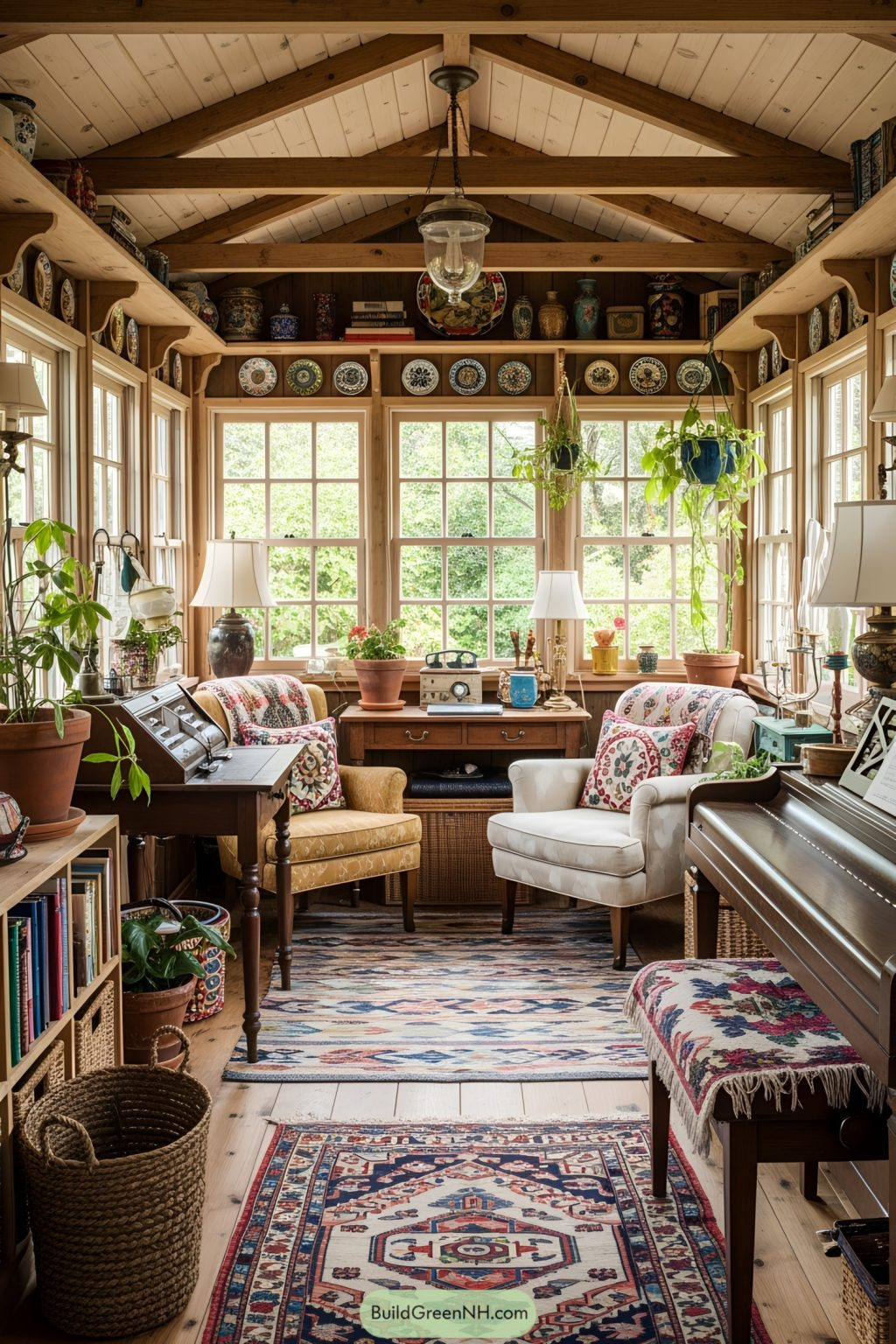
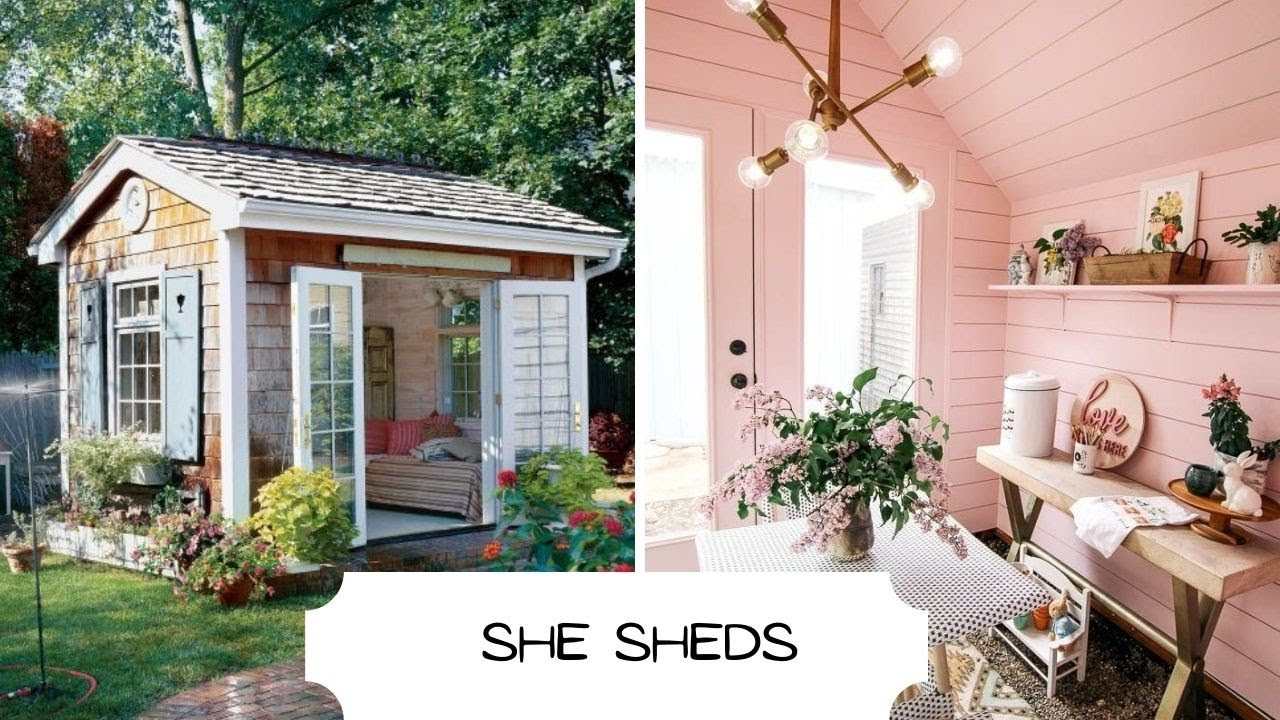
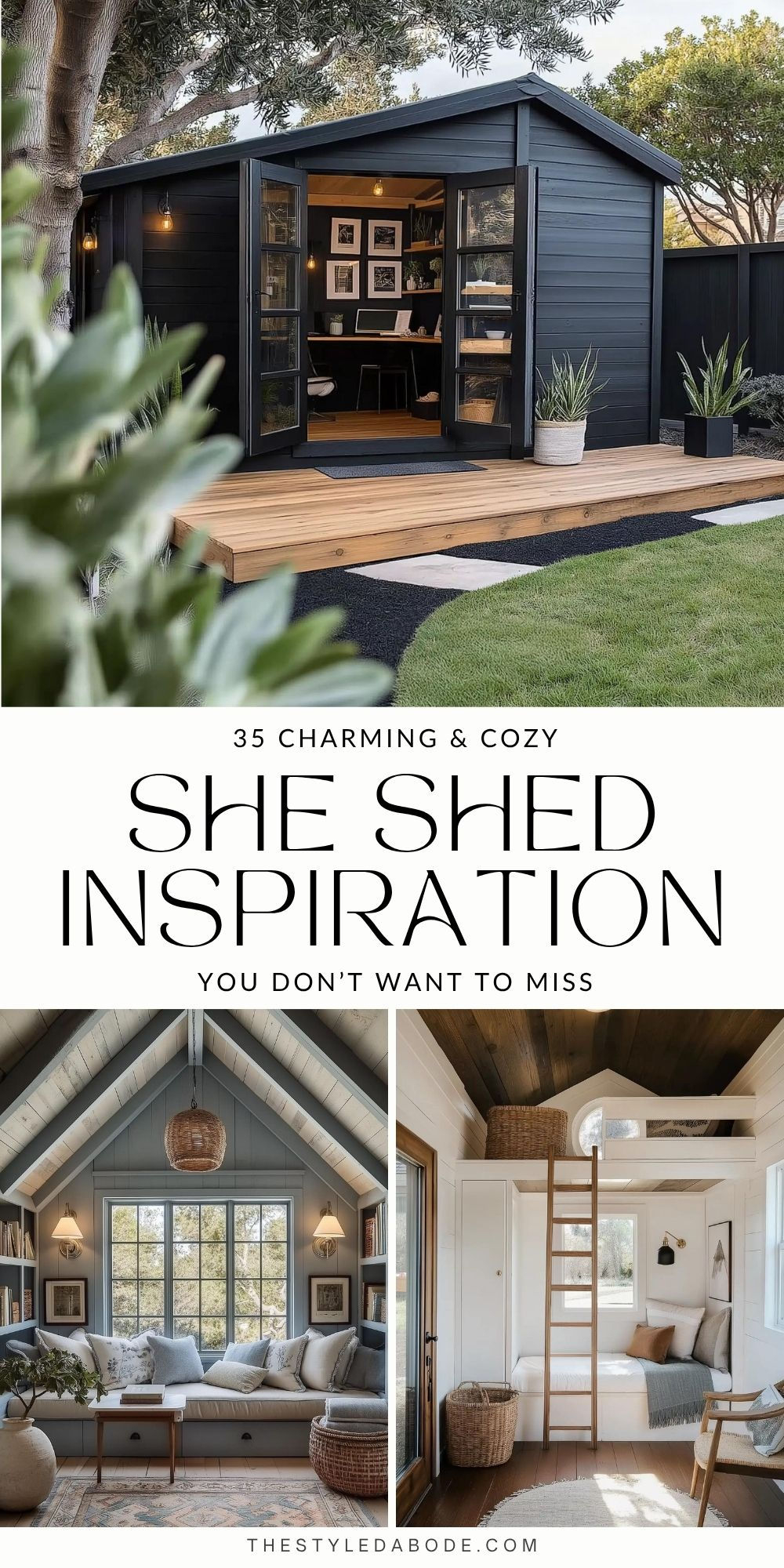
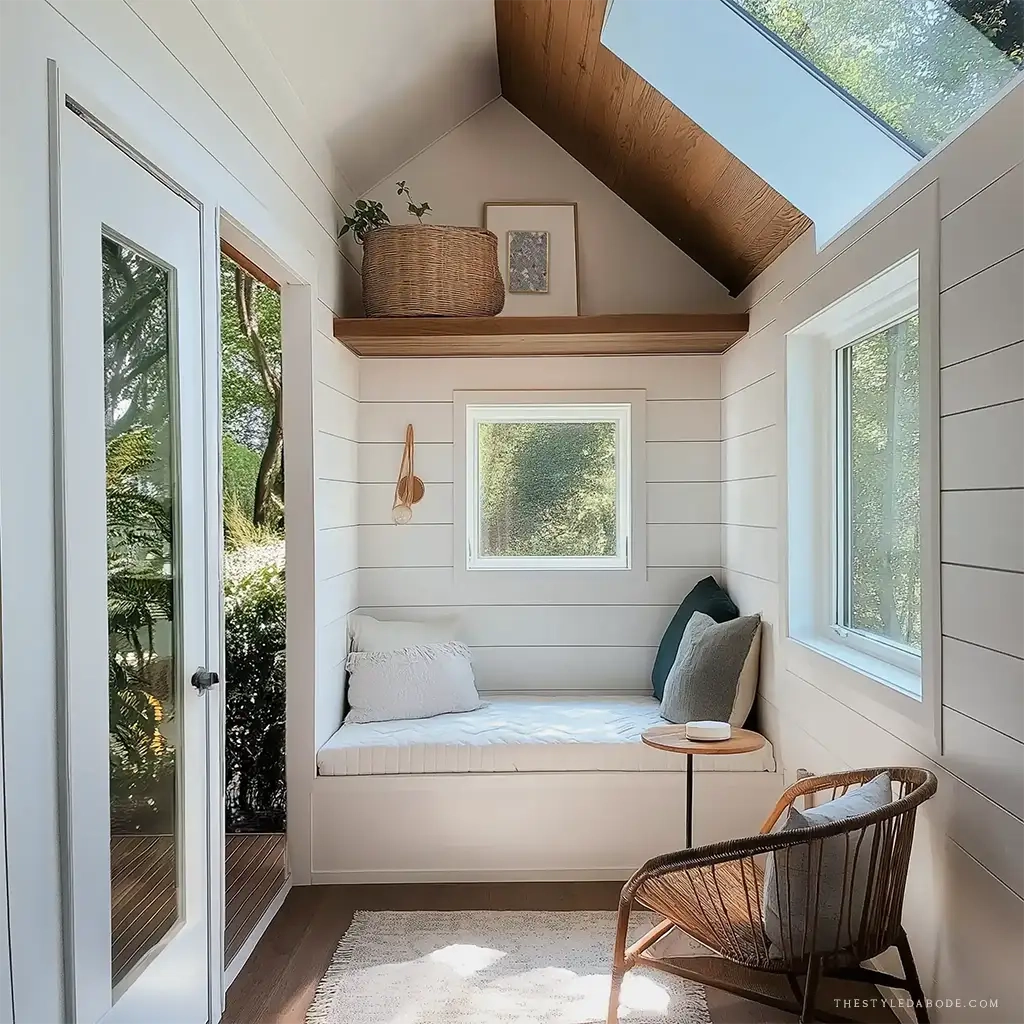
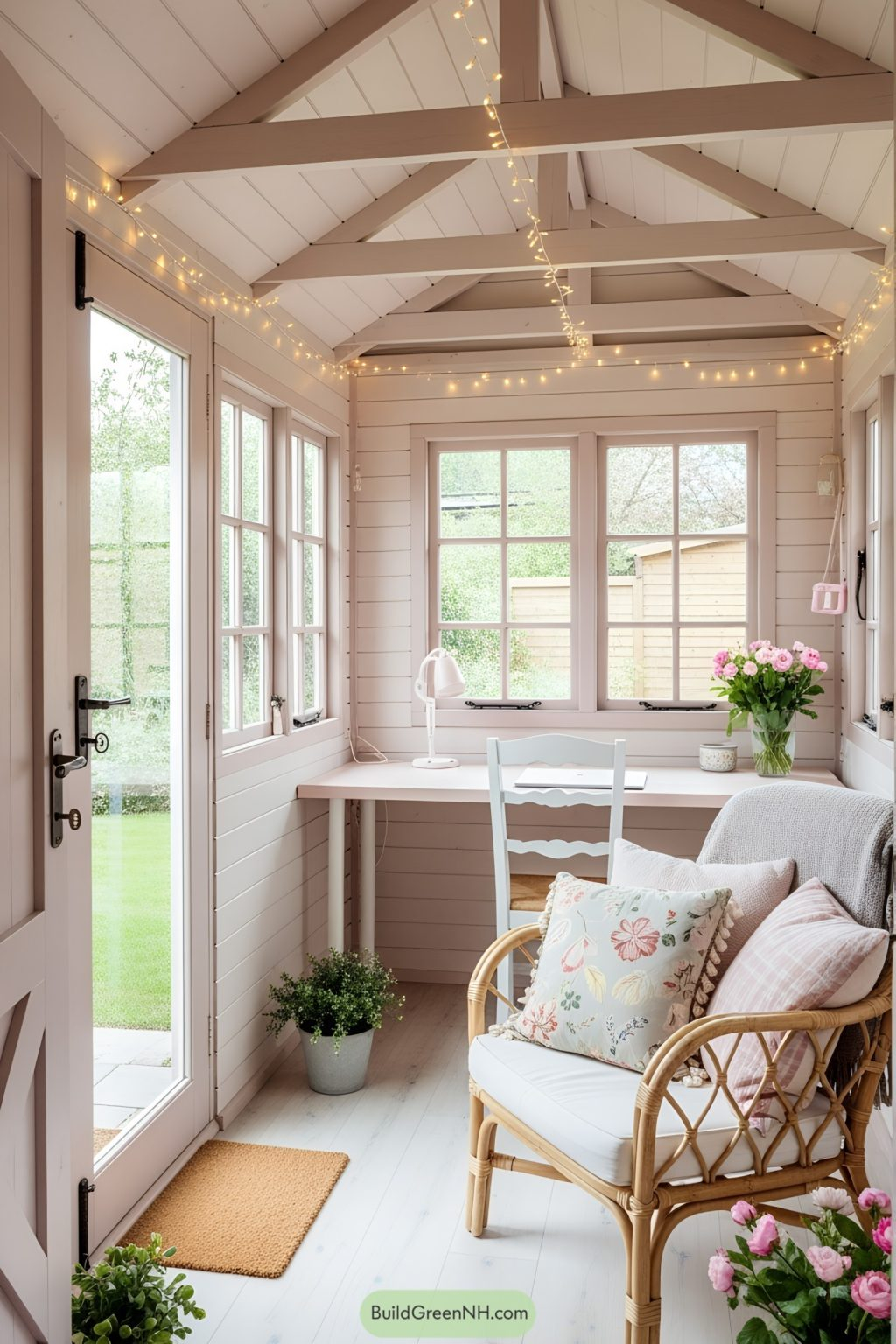
We all have that one spot. Maybe it’s a corner of the garage, a spare bedroom, or that little structure at the bottom of the garden that used to hold lawnmowers and old paint cans. For many women, this space has evolved. It’s no longer just storage. It’s a "She Shed." But here’s the thing most people miss when they start decorating. They treat it like a mini-living room. They copy trends from Pinterest. They buy furniture because it’s on sale.
That’s a mistake. A big one.
Your personal space isn’t just about aesthetics. It’s about psychology. It’s about how your brain processes safety, creativity, and rest. When you walk into a room that feels "off," your body knows it before your mind does. Your shoulders tense up. Your breathing shallow. But when you step into a space that truly reflects you—not the version of you that hosts dinner parties, but the real, messy, creative, tired, vibrant you—something shifts. Your nervous system exhales. This article dives into why your She Shed needs to be a mirror of your inner world, not just a showcase of good taste.
The Brain on Boundaries: Why Physical Walls Matter
Let’s talk about boundaries. In 2026, we are more connected than ever, yet often feel more exposed. Our digital lives bleed into our physical ones. Emails ping while we’re trying to relax. Social media scrolls happen during family time. We rarely get a true break. This is where the concept of "personal space" moves from abstract theory to biological necessity. Psychologists define personal space as the invisible bubble we carry around us. When that bubble is invaded, stress hormones like cortisol spike.
A She Shed provides a physical boundary for that psychological bubble. It’s a tangible line in the sand. When you close that door, you are signaling to your brain that the demands of the outside world are paused. Research in environmental psychology suggests that having a dedicated "refuge" space lowers baseline anxiety levels. It’s not just about being alone; it’s about being alone in a container that you control.
Think about it. In your main house, every room has a function assigned by others or by societal norms. The kitchen is for feeding everyone. The living room is for gathering. The bedroom is for sleep (and maybe work, if you’re unlucky). But the shed? The shed is yours. It has no pre-assigned role. This lack of expectation is liberating. It allows your brain to switch off its "performance mode." You aren’t hosting, parenting, or working. You are just being. That transition is crucial for mental recovery.
Prospect and Refuge: The Primal Need for Safety
There’s an old theory in architecture called "prospect and refuge." It sounds fancy, but it’s actually pretty simple. Humans have a primal need to see what’s coming (prospect) while feeling protected from behind (refuge). Think of our ancestors sitting at the mouth of a cave, looking out at the savanna. They could see predators approaching, but their backs were against the solid rock wall. They felt safe.
Modern interiors often ignore this. We put desks facing walls. We sit with our backs to doors. It creates low-level, subconscious unease. In your She Shed, you have the chance to get this right. If you want this space to be a sanctuary, you need to design for both views. Maybe it’s a window that looks out onto your garden, giving you that "prospect" of nature. Nature is proven to lower blood pressure and improve mood.
But don’t forget the "refuge." You need a spot where you feel enclosed and cozy. A high-backed chair. A nook with curtains. A desk tucked into a corner. When you feel physically secure, your mind opens up. Creativity flows easier. Relaxation comes faster. If you’re feeling anxious in your current setup, check your sightlines. Are you exposed? Can someone sneak up on you? Adjusting your furniture to face the door or window can make a surprising difference in how calm you feel. It’s not superstition; it’s neuroscience.
Color Psychology: More Than Just Pretty Paint
We’ve all heard that blue is calming and yellow is happy. But it’s deeper than that. Color affects our physiology. It changes our heart rate. It influences our perception of temperature. In 2026, we know that personalized color palettes are more effective than generic trends. What calms one person might bore another. What energizes one person might overwhelm someone else.
Start by asking yourself: How do I want to feel in this space? Do you need to decompress after high-stress days? Then look toward cool tones—soft greens, muted blues, earthy terracottas. These colors mimic nature and signal safety to the brain. Do you use this space for creative projects? Maybe you need a pop of stimulation. A vibrant accent wall or colorful art can trigger dopamine release, sparking ideas.
Avoid the trap of painting everything white because it’s "clean." White can feel sterile and clinical. It offers no emotional anchor. Your She Shed should feel like a hug, not a hospital waiting room. If you love bold patterns, use them. If you prefer minimalism, embrace it. The key is authenticity. If you hate beige, don’t paint it beige just because it’s trendy. Your brain will reject the dissonance. Choose colors that resonate with your personal history and preferences. Did you love the ocean as a kid? Bring in those blues. Did you grow up in a house full of warm woods? Incorporate those textures.
Clutter vs. Curated: The Cognitive Load of Stuff
Here’s a hard truth: clutter is visual noise. Every object in your field of vision competes for your attention. This is called "cognitive load." When your eyes scan a messy room, your brain is constantly processing irrelevant information. This drains mental energy. It makes it harder to focus, harder to relax, and harder to think clearly. But—and this is important—minimalism isn’t the only answer.
Some people feel anxious in empty spaces. They need "warmth" provided by objects. The goal isn’t to have nothing; it’s to have meaningful things. Look around your She Shed. Pick up an item. Does it spark joy? Does it serve a purpose? Or is it just there because you felt guilty throwing it away? Be ruthless. Keep the things that tell your story. Display the art you made. Stack the books you actually read.
Organization systems matter too. If you’re a visual person, open shelving might work. You can see everything, so you remember it exists. If you’re easily distracted, closed cabinets are better. Out of sight, out of mind. In 2026, sustainable storage solutions are huge. Use baskets made from natural fibers. Repurpose vintage crates. The act of organizing itself can be therapeutic. It’s a way of saying, "I value this space. I value my peace." Don’t let the shed become a dumping ground for things you don’t want in the house. That defeats the purpose. It becomes a source of stress, not relief.
Sensory Layers: Engaging More Than Just Sight
We often focus on how a room looks. But what about how it smells? How does it sound? How does the fabric feel against your skin? Human beings are multi-sensory creatures. To create a truly immersive sanctuary, you need to engage all five senses. This is where the magic happens. This is where a room becomes a experience.
Start with scent. Smell is directly linked to the limbic system, the part of the brain that handles emotion and memory. Lavender is classic for relaxation, but maybe you prefer the crispness of eucalyptus or the warmth of vanilla. Use essential oil diffusers, scented candles, or even fresh flowers. Avoid synthetic air fresheners; they often contain chemicals that can cause headaches.
Then, consider sound. Is your shed quiet? Too quiet? Sometimes silence is deafening. A small speaker playing ambient noise, rain sounds, or your favorite playlist can mask distracting noises from the neighborhood. Acoustic panels or soft rugs can dampen echoes, making the space feel softer and more intimate.
Touch is underrated. Invest in textiles that feel good. A plush rug under your bare feet. A velvet cushion. A wooden desk with a smooth finish. These tactile experiences ground you in the present moment. They remind your body that it’s safe to settle in. Lighting plays a role here too. Harsh overhead lights are the enemy of relaxation. Use lamps with warm bulbs. String lights for a whimsical touch. Let the light be soft and adjustable.
Finally, let’s talk about identity. Your She Shed is a reflection of who you are. Not who you were ten years ago. Not who you think you should be. But who you are right now, in 2026. Trends come and go. Boho chic, industrial farmhouse, Scandinavian minimalism—they all have their place. But if you force your personality into a trend box, the space will feel alien. It won’t recharge you.
Think about your hobbies. Do you paint? Set up an easel where the light is best. Do you write? Create a cozy nook with a view. Do you practice yoga? Clear enough floor space for a mat. The function should follow your life, not a magazine spread. Include items that have sentimental value. A quilt from your grandmother. A photo of a trip that changed you. These objects anchor you. They remind you of your resilience, your joy, your journey.
Don’t be afraid to mix styles. If you love vintage Victorian chairs and modern abstract art, put them together. It’s your space. There are no rules. The only rule is that it must feel like you. When you walk in, you should feel a sense of recognition. "Ah, this is me." That feeling of alignment is powerful. It boosts self-esteem. It reinforces your identity outside of your roles as partner, parent, or employee. It’s a declaration of independence.
So, take your time. Don’t rush to finish it. Let the space evolve as you do. Add pieces slowly. Test out different arrangements. Listen to your intuition. If something feels wrong, change it. If something feels right, keep it. This is your sanctuary. Your refuge. Your prospect. Make it count. Because in a world that constantly asks for pieces of you, your She Shed is the place where you get to keep the whole thing.