You know that feeling when you finally step out onto your deck, coffee in hand, ready for a quiet morning? And then—bam. A gust of wind knocks over your chair, or worse, you realize the neighbor’s new second-story window gives them a front-row seat to your breakfast routine. It’s frustrating. We all crave that little slice of sanctuary outdoors, a place where we can just breathe without feeling exposed or battered by the elements. But finding a screen that actually stays put and looks good after a harsh winter or a windy spring is harder than it seems.
Most people think any fence attachment will do the job. They buy the cheapest mesh they can find, zip-tie it up, and hope for the best. Spoiler alert: it rarely works out. By mid-summer, that cheap fabric is flapping like a sad flag, faded to a weird translucent gray, or torn to shreds. In 2026, the options have gotten way better, but so has the weather. Whether you’re dealing with coastal salt spray, heavy snow loads, or those relentless prairie winds, you need gear that’s built to last. This isn’t just about blocking views; it’s about creating a space that feels solid and safe, no matter what the sky throws at it.
Let’s be real for a second. A privacy screen that fails is worse than no screen at all. It becomes trash. It becomes a hazard. So, how do you pick one that won’t end up in a landfill after six months? It comes down to materials, engineering, and knowing exactly what your specific climate demands. We’re going to break down the top-rated options that are actually holding up in the real world this year. No fluff, just the stuff that works.
The Science of Standing Strong: Why Material Matters More Than Looks
When you’re shopping for privacy screens, it’s easy to get distracted by colors and patterns. But the secret sauce is always in the material. If you live in an area with intense sun or heavy rain, the wrong material will degrade fast. Right now, High-Density Polyethylene (HDPE) is basically the gold standard for fabric-based screens. Why? Because it’s tough. Like, really tough. Unlike regular polyester or canvas, HDPE doesn’t absorb water. That means it won’t rot, mold, or get heavy and saggy when it rains. It also resists UV rays incredibly well. You know how some plastics get brittle and crack after a year in the sun? HDPE is engineered to stop that. It stays flexible and strong.
But it’s not just about the fabric itself. The weave matters too. Experts recommend looking for screens with about 95% blockage. This might sound counterintuitive if you’re worried about wind, but hear me out. A 95% blockage rate provides optimal privacy while still letting through enough light and breeze to keep the air moving. If you go with 100% solid vinyl or wood, you’re basically building a sail. The wind hits it, has nowhere to go, and rips the screen right off its anchors. HDPE mesh allows just enough air to pass through to reduce wind pressure, which is why it’s so popular in windy areas. It’s a balance. You want privacy, but you don’t want to fight physics.
Then there’s the hardware. You can have the best screen in the world, but if the grommets are made of cheap plastic, they’ll snap. Look for reinforced edges. The best screens have double-stitched hems with brass or stainless steel grommets spaced every few feet. Corrosion-resistant hardware is non-negotiable, especially if you’re near the ocean. Salt air eats metal for breakfast. In 2026, top manufacturers are using alloy steel frames for freestanding units because they offer that same rust resistance while providing the structural integrity needed to hold up large panels. Don’t skimp on the clips and ties either. Use UV-resistant zip ties or stainless steel cable ties. Regular plastic ones will disintegrate in the sun within months.
Taming the Gusts: Engineering for Windy Zones
If you live in a windy spot, you know the struggle. Standard fences often fail because they act as solid barriers. Privacy screens for windy areas need a different approach. The engineering behind wind resistance is all about permeability and anchoring. As mentioned, a mesh that allows some airflow is crucial. But beyond the material, how you attach it makes or breaks its survival rate. Garden Frontier’s recent 2026 guide highlights that proper anchoring is half the battle. You can’t just loop a tie through a fence slat and call it a day. You need to distribute the tension evenly across the entire screen.
One common mistake is pulling the screen too tight. It sounds logical, right? Tight means secure. But in high winds, a tightly stretched screen has no give. When a gust hits, the force transfers directly to the anchor points, causing them to pull out or the fabric to tear. Instead, leave a little slack. Think of it like a trampoline skin rather than a drum head. This slight looseness allows the screen to absorb the energy of the wind rather than resisting it rigidly. Some newer designs even come with bungee-style attachments or elastic cords that stretch slightly under pressure, adding another layer of protection against sudden gusts.
For freestanding screens, the base is everything. A tall, narrow panel is top-heavy and prone to tipping. Look for models with wide, weighted bases or those that can be anchored into the ground with stakes. Backyard Alpha notes that combining high blockage with strong edge reinforcement is key for these setups. If you’re building your own, consider using concrete footings for permanent posts. For temporary solutions, sandbag weights or water-filled bases work wonders. The goal is to lower the center of gravity. The lower and wider the base, the harder it is for the wind to knock it over. It’s simple physics, but it’s often overlooked in favor of aesthetics.
Beyond the Mesh: Metal, Wood, and Composite Options
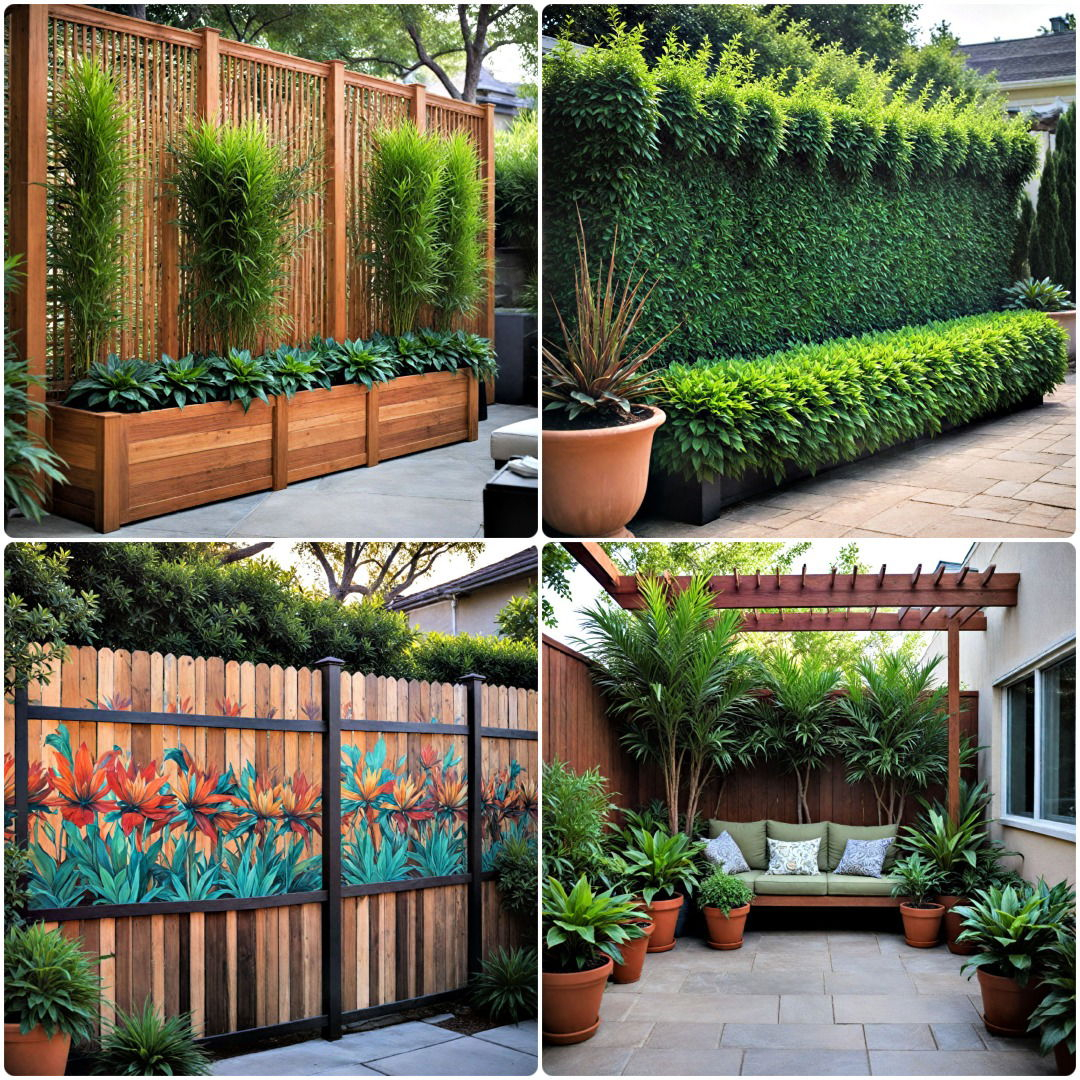
Not everyone wants a mesh look. Sometimes you need something more solid, more architectural. That’s where metal, wood, and composite screens come in. Metal screens, particularly those made from aluminum or powder-coated steel, are fantastic for modern homes. They’re incredibly durable and can be designed with laser-cut patterns that provide privacy while still allowing air to flow through. The perforations act like the mesh in HDPE screens, reducing wind load. Plus, metal doesn’t fade, rot, or warp. It’s a set-it-and-forget-it solution. Just make sure the finish is high-quality. Cheap paint will chip, leading to rust. Powder coating is the way to go for long-term weather resistance.
Wood is classic, but it’s high maintenance. If you love the natural look, you’ve got to commit to the upkeep. Cedar and redwood are naturally resistant to rot and insects, but they still need sealing or staining every couple of years to withstand harsh weather. In wet climates, wood can swell and warp. In dry, hot climates, it can crack. Composite materials offer a middle ground. They look like wood but are made from a mix of wood fibers and plastic. They don’t rot, splinter, or need painting. They’re heavier than wood, which can be a pro or a con depending on your setup. Heavier means more stable in wind, but harder to move around.
Bamboo is another option that’s gained popularity, but it’s tricky. Natural bamboo rolls look great and provide excellent privacy. However, they don’t last long in harsh weather unless they’re treated properly. Untreated bamboo will turn gray and brittle quickly. If you go this route, look for synthetic bamboo or heavily treated natural versions. They offer that tropical vibe without the constant replacement hassle. Vinyl is also out there. It’s cheap and easy to clean, but it can become brittle in extreme cold and warp in extreme heat. For 2026, the trend is definitely shifting towards composites and metals for their low-maintenance durability.
Installation Secrets: Anchoring for Longevity
You’ve bought the perfect screen. Now, how do you put it up so it stays there? Installation is where most people mess up. It’s not just about hanging it; it’s about securing it against the elements. Start by measuring twice. You want the screen to fit snugly but not tightly. If you’re attaching it to an existing fence, use the fence posts as your primary anchor points, not the slats. The posts are structurally sound; the slats are not. Use stainless steel screws or bolts for a permanent fix. If you’re using zip ties, go for the heavy-duty, UV-stabilized kind. Space them out every 12 to 18 inches along the top and bottom edges.
For corner installations, reinforce the corners. This is where the most stress happens. Add extra ties or use corner brackets to distribute the load. If you’re installing a freestanding screen, level the ground first. An uneven base means the screen will lean, putting uneven pressure on the frame. Use a spirit level to make sure it’s straight. Then, anchor the legs. Even if it has a weighted base, adding ground stakes adds an extra layer of security against strong gusts. Drive the stakes in at an angle away from the screen for better hold.
Don’t forget about drainage. If your screen is solid or semi-solid, make sure water can’t pool at the base. Trapped water leads to rot in wood and corrosion in metal. Leave a small gap between the bottom of the screen and the ground. This also helps with airflow, reducing the chance of the screen acting like a sail. And check your installation after the first big storm. Tighten any loose ties, adjust any shifted bases. A little maintenance goes a long way. It’s better to spend ten minutes fixing a loose corner than replacing the whole screen next year.
Real-World Performance: What Users Are Saying in 2026
So, what’s actually working out there? Looking at user reviews and expert tests from this year, a few trends stand out. Homeowners in coastal areas are raving about HDPE mesh screens with aluminum frames. They report that these setups survive salt spray and high winds with minimal fading. One user from Florida mentioned their screen has been up for three years and still looks new, despite hurricane-season gusts. The key was the stainless steel hardware. Another common theme is the appreciation for modular systems. People like being able to replace a single panel if it gets damaged, rather than the whole unit.
In colder climates, composite and metal screens are winning. Users in the Midwest and Northeast appreciate that these materials don’t crack in freezing temperatures. Vinyl screens, on the other hand, are getting mixed reviews. While they’re easy to install, many users report cracking after just one harsh winter. It’s a reminder that price isn’t always an indicator of value. A cheaper vinyl screen might save you money upfront, but if you have to replace it every two years, it’s more expensive in the long run.
There’s also a growing interest in "living screens" or hybrid solutions. These combine a sturdy frame with climbing plants. The frame provides the structure and initial privacy, while the plants add beauty and extra density. However, experts warn that living screens require care. You’ve got to water them, prune them, and make sure the plants don’t add too much weight to the frame in winter. It’s a beautiful option, but it’s not "install and forget." For pure durability and low maintenance, the synthetic options still reign supreme. The consensus is clear: invest in quality materials and proper installation, and you’ll enjoy your private oasis for years.
Let’s bust a few myths. First, you don’t need to take your screen down in winter. In fact, leaving it up is usually fine if it’s installed correctly. HDPE and metal can handle snow and ice. Just brush off heavy snow accumulation if it starts to weigh down the frame. Second, you don’t need harsh chemicals to clean it. A simple hose-down once or twice a year is usually enough. For tougher stains, a mild soap and water solution works wonders. Avoid pressure washers on high settings, as they can damage the weave of mesh screens or chip the coating on metal ones.
Another myth is that darker colors fade faster. While it’s true that dark pigments can absorb more heat, modern UV inhibitors in high-quality screens mitigate this significantly. Whether you choose black, green, or beige, the fade resistance should be comparable if you’re buying from a reputable brand. However, lighter colors do show less dust and pollen, which might mean less cleaning for you. It’s a trade-off between aesthetics and maintenance effort.
Finally, inspect your screen regularly. Look for signs of wear, like fraying edges or loose grommets. Catching these issues early prevents bigger problems later. If you see a small tear in a mesh screen, you can often repair it with a patch kit before it spreads. For metal screens, check for any chips in the powder coating and touch them up with matching paint to prevent rust. A little attention goes a long way. It’s not about babying the screen; it’s about being proactive. Treat it well, and it’ll treat you to years of privacy and peace.
Choosing the right privacy screen is an investment in your comfort and your home’s curb appeal. It’s not just a barrier; it’s a shield that lets you reclaim your outdoor space. By focusing on durable materials like HDPE and alloy steel, understanding the physics of wind resistance, and nailing the installation, you can create a secluded retreat that stands up to whatever nature throws its way. Don’t settle for flimsy fixes. Go for quality. Your future self, sipping coffee in a calm, private yard, will thank you.