You know that feeling when your alarm goes off? That jarring, heart-pounding beep that drags you out of a deep dream and into the cold reality of Tuesday morning. It’s awful. We’ve all been there. But what if your bedroom didn’t scream at you? What if it gently whispered, "Hey, it’s time," by letting the sun creep across your pillow? That’s the magic of waking up naturally. And in 2026, thanks to Alexa and smart blinds, it’s easier than ever to make it happen.
It’s not just about being lazy (though staying in bed a bit longer is nice). It’s about biology. Our bodies are wired to respond to light. When our eyes detect that soft, morning glow, our brains stop making melatonin—the sleep hormone—and start pumping out cortisol and serotonin. This helps us feel alert and happy. Using smart blinds to mimic this process is like hacking your own biology for a better day. No more grogginess. No more hitting snooze five times. Just you, waking up fresh, ready to tackle whatever comes next.
Why Light Beats Noise Every Time
Let’s talk about why this matters. For years, we’ve relied on sound to wake us up. Buzzers, bells, radio stations blasting news about traffic jams. It’s stressful. Studies have shown for a long time that waking up to sudden noise spikes your blood pressure and puts your body in a "fight or flight" mode before you’ve even opened your eyes. That’s not a great way to start the day, is it?
Light is different. It’s gradual. It’s calm. When you use smart blinds controlled by Alexa, you can set them to open slowly over 15 or 20 minutes. This mimics a real sunrise. Even on cloudy days, the change in ambient light is enough to signal to your brain that the night is over. In 2026, the technology has gotten so good that the motors are nearly silent. You won’t hear a whirring gear; you’ll just see the room getting brighter. It’s subtle, but the effect on your mood is huge. People report feeling less anxious in the mornings and more ready to jump out of bed.
Plus, there’s the psychological benefit. Waking up to natural light feels luxurious. It feels like you’re on vacation, even if you’re just getting ready for a Zoom call. It changes your relationship with your bedroom. Instead of a place you escape from, it becomes a sanctuary that cares for you. And the best part? You don’t have to lift a finger. Alexa does the heavy lifting while you drift back into consciousness.
Picking the Right Gear for Your Windows
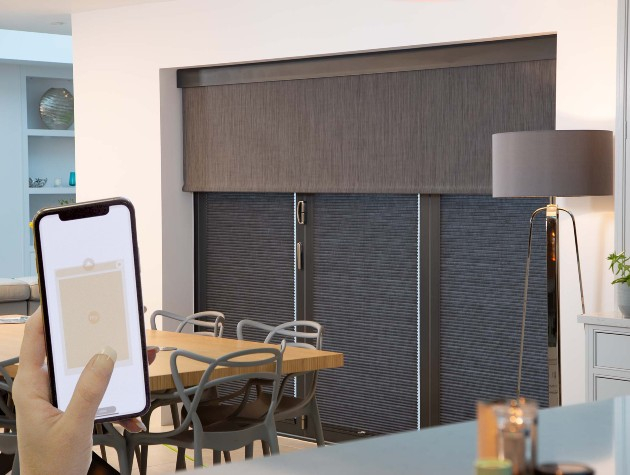
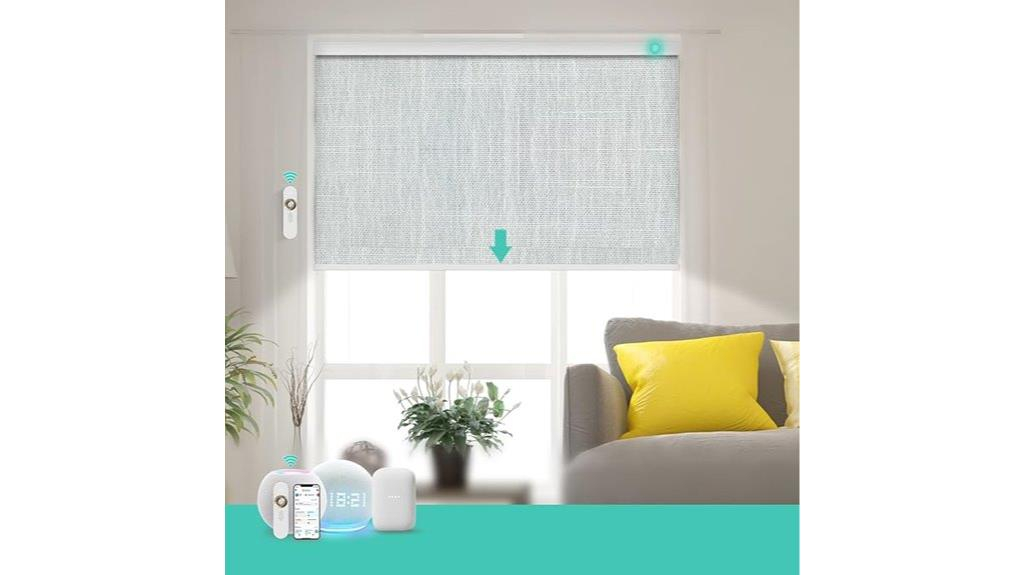
So, how do you actually do this? First, you need the right hardware. The market in 2026 is packed with options, which is great, but it can be overwhelming. You basically have two choices: buy new smart blinds from scratch, or add a smart motor to the blinds you already have. If you’re renting or just don’t want to spend a fortune, retrofitting is the way to go. Devices like the RYSE SmartShade or SwitchBot Curtain are popular because they clip onto your existing rod or track. Installation usually takes about ten minutes. No drills, no screws, no hassle.
If you’re building a new home or renovating, you might want integrated smart blinds. Brands like SmartWings, IKEA, and Aqara offer sleek, built-in motors that look cleaner and often run quieter. The key thing to look for is "Alexa compatibility." Not every blind works with every system. Make sure the box says "Works with Alexa" or supports Zigbee or Matter protocols. Matter is big in 2026—it’s the universal language that lets different smart devices talk to each other without needing a dozen different hubs. If your blinds support Matter, setup is a breeze.
Don’t forget about the Echo device itself. You’ll need an Alexa-enabled speaker in the room, or at least nearby. An Echo Dot or an Echo Show works perfectly. The Show is nice because you can also use it to check the weather or your calendar as the blinds open, creating a full morning dashboard. But for just waking up? The basic Dot is plenty. Just make sure it’s plugged in and connected to your Wi-Fi. That’s the brain of the operation.
Setting Up the Connection Step-by-Step
Okay, you’ve got your blinds and your Echo. Now let’s get them talking. This used to be tricky, but in 2026, it’s pretty straightforward. Start by downloading the app for your specific blind brand. Let’s say you bought IKEA blinds. You’d download the IKEA Home Smart app. Follow the instructions to pair the blinds with your Wi-Fi or their specific hub. Once the blinds are working in their own app, you’re halfway there.
Next, open the Alexa app on your phone. Go to the "More" tab and select "Skills & Games." Search for the brand of your blinds. If it’s IKEA, search "IKEA." If it’s SwitchBot, search "SwitchBot." Click "Enable to Use." You’ll likely be asked to log in to your blind manufacturer’s account. This links the two systems. Once linked, Alexa will discover your devices. You might need to say, "Alexa, discover devices," or just wait a minute for them to pop up in your device list.
Now, test it. Say, "Alexa, open the bedroom blinds." They should move. If they don’t, check your Wi-Fi connection. Sometimes, 2.4GHz networks are better for these devices than 5GHz, so double-check your router settings if you’re having trouble. Also, name your devices clearly. "Bedroom Blinds" is better than "Living Room Shade 2." Clear names make voice commands work better. You want Alexa to know exactly which window you’re talking about.
Creating the Perfect Sunrise Routine
This is where the magic happens. You don’t just want the blinds to open instantly. You want a routine. In the Alexa app, go to "More" and then "Routines." Click the plus sign to create a new one. Name it something like "Good Morning" or "Sunrise Wake-Up." Now, set the trigger. You can choose a specific time, like 7:00 AM. Or, you can use "Sunrise," which adjusts automatically based on your location. This is cool because in winter, it opens later, and in summer, it opens earlier, matching the actual sun.
Under "Actions," add your blinds. Select "Control Device," find your blinds, and choose "Open." But here’s the trick: many 2026 models allow you to set the speed or percentage. Instead of 100% open, set them to open to 10% first. Then, add another action two minutes later to open to 30%. Keep going until they’re fully open after 15 or 20 minutes. This gradual increase is key. It tricks your brain into thinking the sun is rising naturally.
You can also add other actions to this routine. Want your Philips Hue lights to turn on to a warm, dim orange color? Add that. Want your coffee maker to start brewing? If it’s smart, add that too. By stacking these actions, you create a sensory experience. Light, smell, maybe even some soft music. It transforms waking up from a chore into a ritual. And remember, you can save different routines for weekdays and weekends. Maybe on Saturdays, the blinds open an hour later. Flexibility is the beauty of smart homes.
Troubleshooting Common Hiccups
Even in 2026, tech isn’t perfect. Sometimes things go wrong. The most common issue? Wi-Fi drops. If your blinds stop responding, check your internet first. Restart your router. It sounds cliché, but it works half the time. Another issue is calibration. Sometimes the blinds forget where "open" and "closed" are. Most apps have a "calibrate" or "set limits" feature. Run that, and the blinds will relearn their range of motion. It takes a minute, but it fixes weird stopping points.
Battery life is another thing to watch. If you’re using retrofit motors like SwitchBot or RYSE, they run on batteries. In 2026, battery tech is better, lasting six months or more, but they will die eventually. Set a reminder in your phone to check them every few months. Nothing worse than planning a nice wake-up and finding your blinds stuck halfway because the battery died. Some newer models have solar charging strips, which are worth considering if you have sunny windows.
Voice command misunderstandings can also happen. If Alexa keeps opening the wrong blinds, rename them. Avoid similar names. Don’t have "Kitchen Blinds" and "Kitchen Window." Pick distinct names. Also, keep your Alexa app updated. Amazon pushes updates frequently to improve device compatibility. If a routine stops working, delete it and recreate it. Sometimes the code gets glitchy. It’s annoying, but it’s a quick fix. Patience is key when setting up any smart home system.
Once you’ve mastered the morning wake-up, you’ll find other uses for your Alexa-controlled blinds. Privacy is a big one. Say you’re working from home and the sun is glaring on your screen. Just say, "Alexa, lower the blinds to 50%." Done. No getting up, no walking across the room. It’s small, but those small conveniences add up. They make your home feel more responsive to your needs.
Security is another angle. When you’re on vacation, you can set routines to open and close your blinds at random times. This makes it look like someone is home, deterring potential burglars. In 2026, these security features are built right into the Alexa Guard system. You can activate "Away Mode" with a single voice command, and your blinds, lights, and locks all sync up. It’s peace of mind in a package.
And let’s not forget energy savings. In the summer, closing your blinds during the hottest part of the day keeps your house cooler. You can automate this too. "Alexa, close the blinds when the temperature reaches 80 degrees." This reduces the load on your AC, saving you money on electricity bills. It’s eco-friendly and wallet-friendly. Smart blinds aren’t just a luxury; they’re a practical tool for managing your home environment efficiently. They pay for themselves over time, especially with rising energy costs.
Waking up naturally with Alexa-controlled smart blinds is one of those upgrades that seems small but changes everything. It’s not about the tech for tech’s sake. It’s about using technology to support your well-being. By aligning your wake-up time with natural light, you’re respecting your body’s rhythms. You’re starting your day with calm instead of chaos. And in a world that’s always rushing, that’s a gift worth giving yourself.
The setup might take an afternoon, but the benefits last every single morning. Whether you choose retrofit motors or brand-new shades, the result is the same: a gentler, brighter start to your day. So, ditch the jarring alarm clock. Let the sun do the work. Your future self, sipping coffee in a sunlit room, will thank you. It’s simple, it’s effective, and honestly, it’s just nice. Give it a try. You might never hit snooze again.