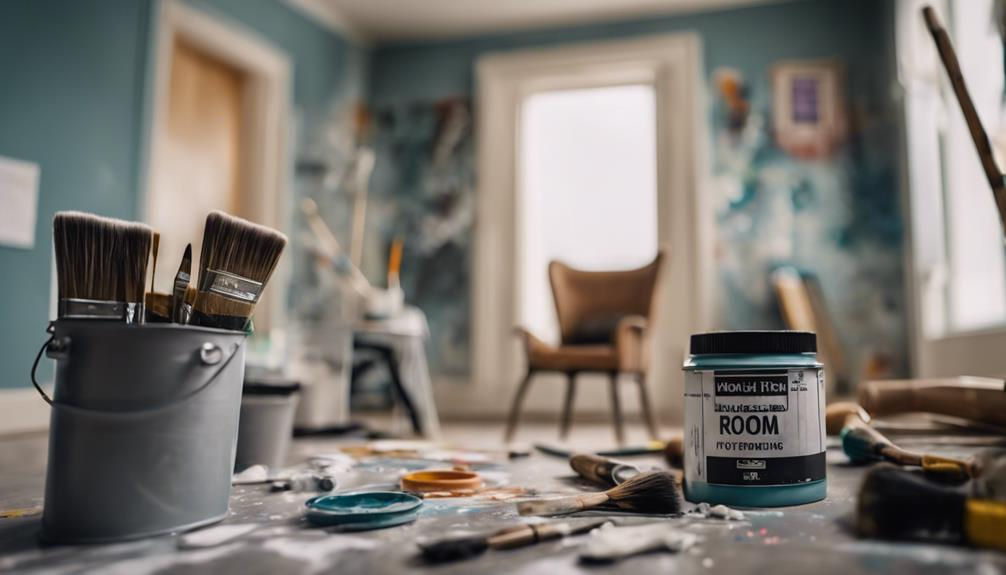
You’re standing in the paint aisle, staring at two buckets that look suspiciously similar. One says "Distemper." The other says "Emulsion." They both promise a beautiful white wall. But one costs half as much as the other. Why? And more importantly, which one won’t make you regret your life choices six months from now when your toddler decides the living room wall is a canvas?
It’s a question I hear all the time. Painting isn’t just about slapping color on plaster. It’s about protection, mood, and honestly, your budget. In 2026, the options are clearer than ever, but the confusion remains. Let’s cut through the noise. We’re going to look at what these paints actually are, how they behave, and which one deserves a spot in your home. No jargon. Just real talk.
What Actually Is Inside the Bucket?
Let’s start with the basics. Distemper is the old-school cool of the paint world. It’s been around for decades, mostly because it’s cheap and easy to make. At its core, distemper is water-based, but it uses chalk or lime as the base material, mixed with glue or casein (that’s a milk protein) as the binder. Think of it like a temporary tattoo for your walls. It sits on the surface, breathes well, and gives a matte, flat finish. It’s simple chemistry. Because it’s so basic, it doesn’t have a lot of fancy additives.
Emulsion, on the other hand, is the modern workhorse. It’s also water-based, but instead of chalk and glue, it uses synthetic resins like acrylic or vinyl. These resins form a tough, flexible film when they dry. This film is what makes emulsion so durable. It sticks to the wall better, resists cracking, and can handle a bit of abuse. When you buy emulsion in 2026, you’re usually getting a mix of high-quality polymers designed to last years, not just months. It’s a bit more complex, sure, but that complexity buys you performance.
The key difference here is the binder. Glue versus plastic resin. That single ingredient changes everything about how the paint behaves. Distemper is porous. It lets moisture pass through, which is great for older buildings that need to "breathe," but terrible if you spill coffee on it. Emulsion creates a barrier. It seals the wall. This makes it resistant to dampness and stains, but it also means if there’s trapped moisture in your walls, it might bubble up eventually. Knowing this helps you understand why they’re used in different places.
The Look and Feel: Finish Matters More Than You Think
Have you ever walked into a room and felt like the walls were closing in? Or maybe a space felt airy and bright? A huge part of that is the paint finish. Distemper dries to a completely matte, non-reflective surface. It absorbs light rather than bouncing it back. This can make colors look soft and muted. It’s charming in a rustic, vintage kind of way. But it also highlights every imperfection. If your plastering job wasn’t perfect, distemper will show every bump and crack. It’s unforgiving.
Emulsion offers a range of finishes, from matte to satin to semi-gloss. Most people go for a soft sheen or satin finish because it strikes a balance. It reflects a little light, making rooms feel brighter and larger. It also hides minor wall flaws better than distemper. The texture is smoother to the touch. Run your hand over an emulsion-painted wall, and it feels sleek. Distemper feels slightly chalky or powdery, especially if you rub it hard. That’s the chalk base coming through.
In terms of color retention, emulsion wins hands down. The pigments in emulsion are locked into that resin film, so they stay vibrant for years. Distemper tends to fade faster, especially in sunny rooms. The UV rays break down the simpler binders, and the color can look washed out after a couple of summers. If you’re picking a bold blue or a deep green, emulsion will keep it looking fresh. Distemper is best suited for whites and pastels where fading is less noticeable.
Durability and Maintenance: Can You Wipe It Down?
Here’s the deal breaker for most families. Life is messy. Kids draw on walls. Dogs lean against them. You accidentally splash tomato sauce while cooking. With distemper, you’re in trouble. It is not washable. If you try to wipe a stain off a distemper wall, the paint comes off with the dirt. You’ll end up with a clean spot surrounded by a dirty wall, or worse, a bare patch of plaster. To fix it, you often have to repaint the entire wall. It’s a hassle.
Emulsion is washable. Most modern emulsions in 2026 are designed to withstand gentle scrubbing. You can use a damp cloth and mild soap to remove most everyday stains. Higher quality emulsions, often labeled as "washable" or "scrubbable," can handle even tougher messes. This makes them ideal for high-traffic areas like hallways, kitchens, and kids’ bedrooms. You don’t have to baby them. They take a beating and keep looking good.
Longevity is another big factor. Distemper typically lasts 3 to 5 years before it starts looking tired or chalking excessively. Emulsion can easily last 7 to 10 years, sometimes longer if it’s a premium brand. That means less frequent repainting. Sure, you pay more upfront for emulsion, but you save money and time in the long run because you aren’t repainting every few years. For renters, distemper might be fine since they move out quickly. For homeowners, emulsion is the smarter investment.
Cost Comparison: Upfront Price vs Long-Term Value
Let’s talk money. Distemper is significantly cheaper. You can often buy it for half the price of standard emulsion. If you’re on a tight budget, painting a large rental property, or just need a quick refresh for a sale, distemper is attractive. The labor cost is also lower because it’s easier to apply. It doesn’t require as much surface preparation. You can slap it on relatively rough walls and it’ll cover them.
Emulsion costs more per liter. But remember the longevity? If you paint with distemper, you might repaint twice in the time it takes for one coat of emulsion to wear out. When you do the math over a decade, emulsion often comes out cheaper or equal in cost. Plus, the value addition to your home is higher. Buyers in 2026 expect modern, washable walls. Distemper can signal "old" or "neglected" to some potential buyers, whereas emulsion signals "maintained."
There’s also the cost of mistakes. If you spill something on distemper, you pay to repaint. If you spill something on emulsion, you pay for a sponge. That adds up. And let’s not forget the aesthetic value. A smooth, shiny emulsion finish looks more premium. It elevates the look of your furniture and decor. Distemper can look flat and dull if not maintained perfectly. So, while the sticker price of distemper is lower, the total cost of ownership tells a different story.
Best Uses: Where Should Each Paint Go?
So, where do you actually use these paints? Distemper is still relevant in specific scenarios. It’s great for ceilings. Ceilings don’t get touched, so the lack of washability isn’t an issue. The matte finish helps hide minor imperfections in the ceiling plaster. It’s also good for temporary structures, sheds, or storage rooms where appearance doesn’t matter much. In very old heritage buildings with lime plaster, distemper is sometimes preferred because it allows the walls to breathe, preventing moisture trap issues that can damage historic masonry.
Emulsion is the go-to for almost everything else. Living rooms, bedrooms, kitchens, bathrooms (with specific moisture-resistant formulas), and hallways. It’s versatile. If you want a feature wall with a bold color, use emulsion. If you have kids or pets, use emulsion. If you want your home to look modern and clean, use emulsion. In 2026, most interior designers recommend emulsion for 90% of residential interiors. It’s just safer and more reliable.
Exterior walls are a different ballgame. Neither standard distemper nor interior emulsion is great for exteriors. You need specialized exterior emulsions or weatherproof coatings. But if you had to choose, emulsion-based exterior paints are the standard. Distemper would wash away in the first heavy rain. So, for indoors, think of distemper as a niche player and emulsion as the star. Don’t try to use distemper in a kitchen unless you enjoy repainting every year.
Whether you choose distemper or emulsion, prep is key. For distemper, the wall needs to be clean and dry. Since it’s porous, any dust or grease will show through. You don’t need a primer usually, but a sealant can help if the wall is very absorbent. Apply it with a broad brush or a roller. It dries fast, so work quickly. Don’t over-brush it, or it might lift. Two coats are usually enough. Keep the room ventilated, though it doesn’t smell as bad as oil-based paints.
For emulsion, surface prep is crucial. Fill any cracks with putty and sand it smooth. Emulsion highlights smoothness, so take your time here. Apply a primer if the wall is new or has patches. This ensures even absorption and better adhesion. Use a high-quality roller for a smooth finish. Cut in the edges with a brush first. Apply two thin coats rather than one thick one. Thick coats can drip and take forever to dry. Let each coat dry completely before applying the next. In humid weather, this might take longer, so be patient.
One common mistake with emulsion is using cheap tools. A bad roller leaves lint and streaks. Invest in good quality brushes and rollers. They make a huge difference in the final look. Also, stir the paint thoroughly. Emulsion separates if it sits. Distemper needs to be mixed well too, as the chalk settles. And always test a small patch first. Colors look different on your wall than in the can. Lighting changes everything. Don’t skip this step. It saves heartache later.
Choosing between distemper and emulsion isn’t just about price. It’s about how you live. Do you want a low-maintenance, long-lasting finish? Go with emulsion. Are you on a shoestring budget for a temporary fix? Distemper might work. But for most homes in 2026, emulsion is the clear winner. It offers durability, ease of cleaning, and a polished look that stands the test of time. Don’t let the higher upfront cost scare you. Think of it as an investment in your peace of mind.
Take a moment to assess your walls. Are they smooth? Do they get dirty? Who lives there? Answer these questions, and the choice becomes obvious. Paint is more than color. It’s protection. It’s style. It’s the backdrop to your life. Make sure it’s up to the task. Whether you pick the humble distemper or the robust emulsion, make sure you know what you’re getting into. Your walls will thank you.