
You’re sitting on your couch. It’s Friday night. The popcorn is warm, the lights are dimmed, and you’re about to press play on that new sci-fi flick everyone’s talking about. But then you pause. You glance at your soundbar. You remember reading something about "Dolby Atmos" and wonder if you’re missing out. Is it just marketing hype, or is it actually going to change how you watch movies?
In 2026, spatial audio isn’t new anymore. It’s everywhere. From high-end theaters to the smartphone in your pocket, the promise of sound coming from above you is a standard selling point. But for the casual watcher—the person who loves a good movie but doesn’t spend weekends calibrating speakers—does it matter? Let’s cut through the noise and figure out if opening your wallet for an Atmos upgrade is smart or just unnecessary.
What Actually Is Dolby Atmos Anyway?
Forget the technical jargon for a second. Traditional surround sound, like 5.1 or 7.1, works on channels. You have a speaker for the left, one for the right, one for the center, and maybe some behind you. The sound engineer decides which speaker plays what. It’s flat. It’s two-dimensional. Imagine a painting where everything is on the same plane.
Dolby Atmos changes the game by adding height. It treats sound as "objects." Instead of saying "play this sound in the left rear speaker," the mixer says "put this helicopter sound here, moving from left to right, overhead." Your system then figures out how to play that using whatever speakers you have. It creates a bubble of sound. A dome. When rain falls in a movie, you don’t just hear it; you feel like it’s falling on your roof. That’s the core difference. It’s not just louder or clearer; it’s spatial.
By 2026, this tech has matured. It’s no longer a weird experiment. It’s the baseline for premium streaming on platforms like Netflix, Disney+, and Apple TV+. But knowing how it works doesn’t automatically mean you need it. The question is whether that extra dimension adds enough magic to justify the hassle and cost for someone who just wants to relax and watch a film.
The Gear Trap: Do You Need a Whole New System?
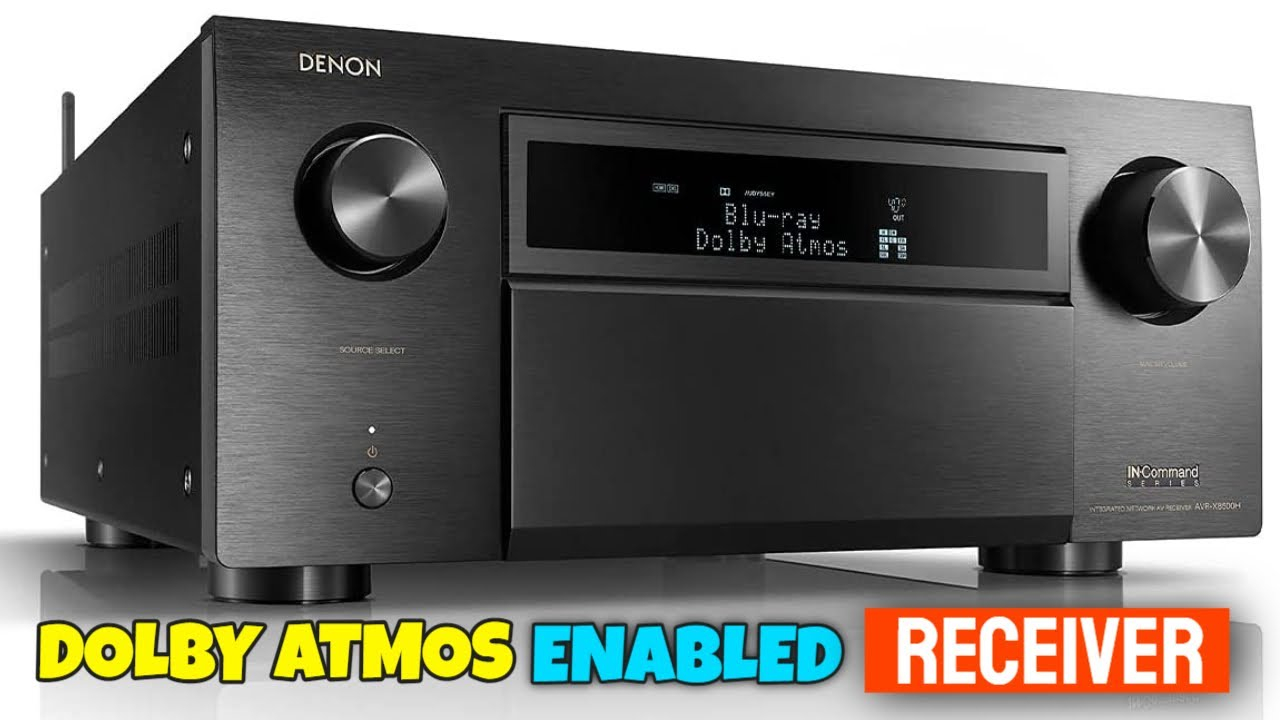
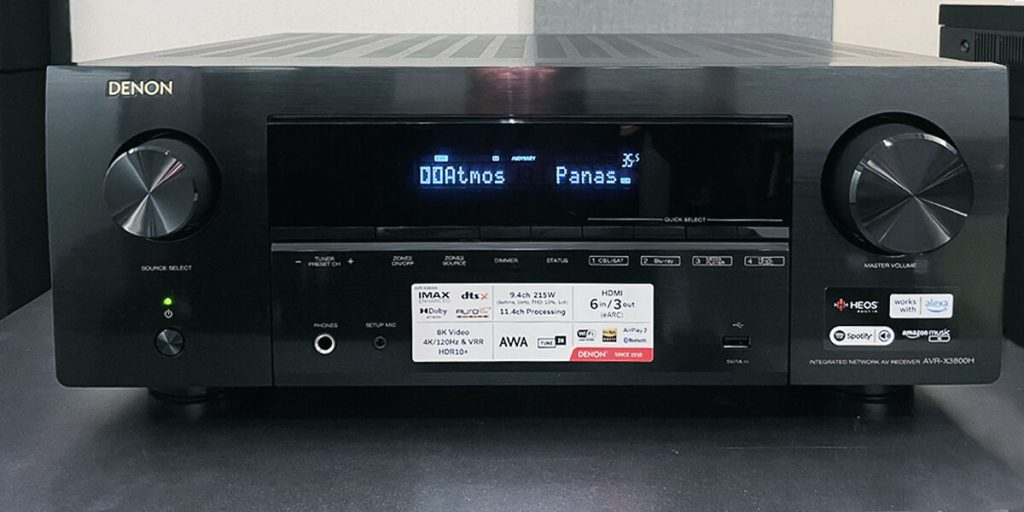
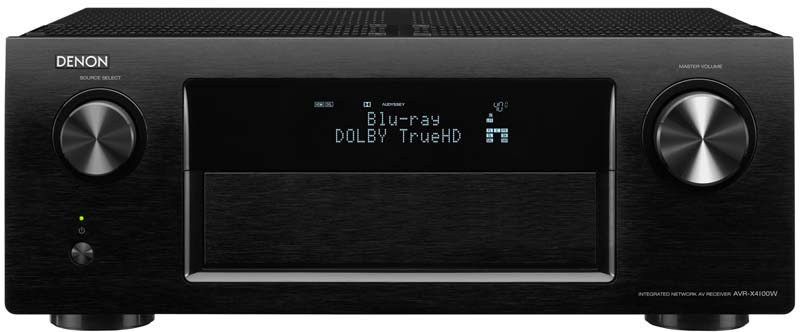
Here is where things get tricky. You can’t just flip a switch to get Atmos. You need hardware that supports it. In the early days, this meant buying a massive AV receiver and drilling holes in your ceiling for dedicated upward-firing speakers. That’s still the gold standard, sure. But it’s also expensive and complicated. Most casual watchers don’t want wires running across their living room floor.
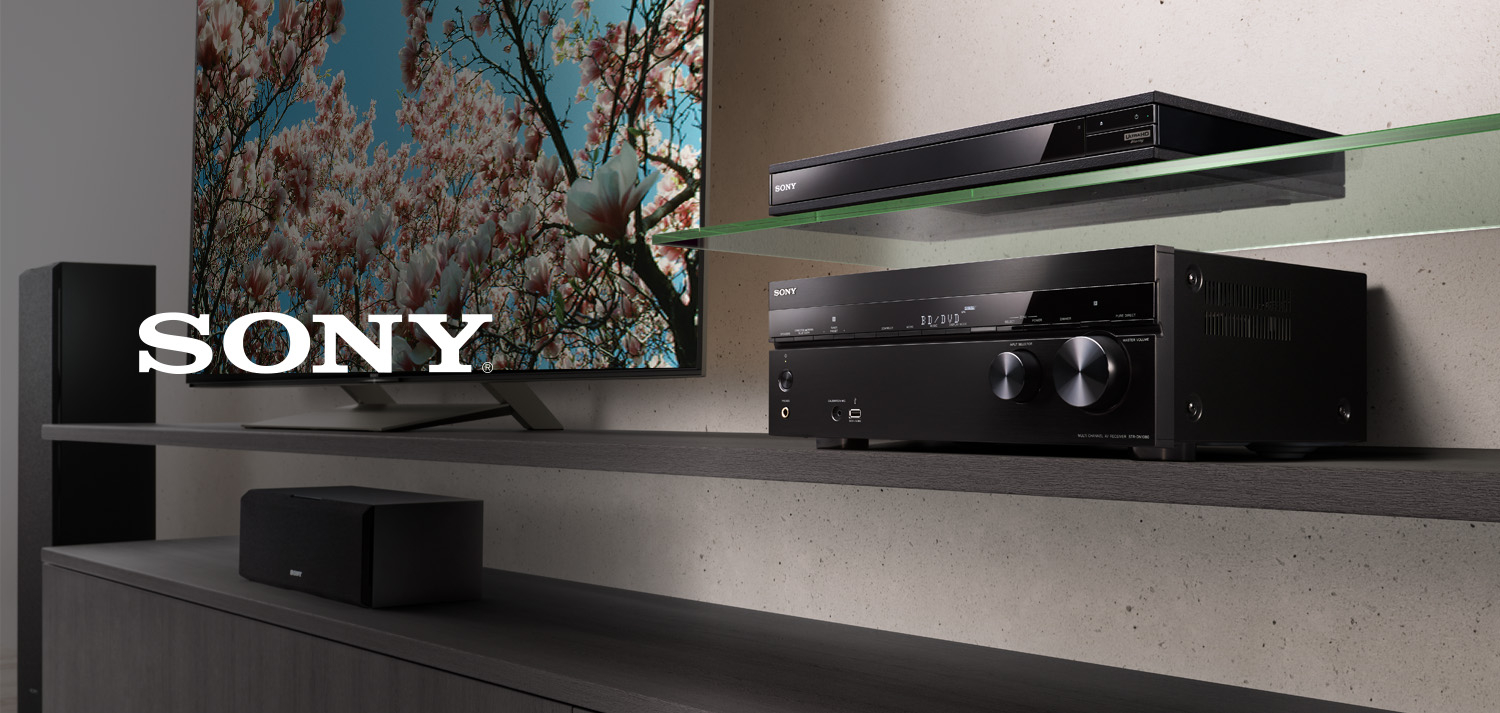
Thankfully, the market has shifted. Soundbars have gotten really good. In 2026, you can buy a mid-range soundbar with upward-firing drivers that bounce sound off your ceiling to simulate height. It’s not perfect. If you have vaulted ceilings or too much clutter, the effect gets muddy. But for a typical apartment or suburban living room? It’s surprisingly effective. You plug it in, maybe run one cable to your TV, and you’re done. No receiver rack. No speaker stands.
However, there’s a catch. Not all "Atmos-ready" bars are created equal. Some cheap models just slap a logo on the box but lack the physical drivers to create the effect. You need to look for specific specs, like dedicated up-firing channels. And if you already have a decent 5.1 system, upgrading might mean replacing your entire setup. That’s a big investment. For a casual viewer, dropping $500 to $1,000 on a soundbar is a lot. Is the jump in quality worth that price tag compared to your current setup?
Content Availability: Is There Anything to Watch?
Having the gear is useless if there’s nothing to play. This used to be a huge problem. Five years ago, you had to hunt for specific Blu-rays or dig deep into streaming menus to find Atmos tracks. Today, in 2026, the landscape is totally different. Almost every major blockbuster released in the last three years has an Atmos mix. Streaming services have made it standard for their top-tier plans.
But here’s the thing: not all movies benefit equally. Action films, sci-fi epics, and horror movies use Atmos to its fullest potential. Think of Dune or Top Gun. The sound design is aggressive. Jets fly over your head. Explosions rumble from all directions. These are the titles that make you go "wow." But what about that romantic comedy or the old classic drama you love? Most dialogue-heavy films don’t use height channels much. The sound stays mostly front-and-center.
So, if your watch list is mostly light dramas, sitcoms, or older films, you might not notice much difference. The content has to match the tech. Also, check your streaming subscription. Some services still lock Atmos behind their most expensive tiers. If you’re on the basic plan, you might be getting stereo or standard 5.1 anyway. Make sure you’re actually accessing the format before you blame your speakers.
The Room Factor: Why Your Space Matters
You can buy the best Atmos soundbar in the world, but if your room fights you, you’ll lose. Physics is stubborn. Dolby Atmos relies on sound bouncing off your ceiling to create that overhead illusion. If your ceilings are higher than 9 or 10 feet, the sound might dissipate before it reaches your ears. If you have textured popcorn ceilings, the sound scatters unpredictably. Open-concept living rooms with no walls to reflect sound? That’s a challenge too.
For casual watchers, this is often the biggest hurdle. We don’t treat our living rooms like acoustic labs. We have rugs, curtains, furniture, and open doorways. All these things absorb or leak sound. In a treated home theater, Atmos is magical. In a typical family room with hardwood floors and high ceilings, it can feel underwhelming. You might hear a slight widening of the soundstage, but that "helicopter overhead" moment might just sound like it’s coming from the top of your TV.
This doesn’t mean it’s worthless. It just means the experience is diluted. If you can’t control your room environment, the upgrade might feel subtle rather than transformative. Some people are fine with subtle. Others feel cheated. It depends on your expectations. If you expect cinema-grade immersion in a space designed for dining and playing with kids, you’re setting yourself up for disappointment.
Cost vs. Benefit: The Casual Viewer’s Dilemma
Let’s talk money. A decent Atmos-capable soundbar in 2026 runs between $400 and $800. A full discrete speaker system with a receiver? Easily $1,500 to $3,000+. For a cinephile, that’s an investment in their passion. For a casual watcher who sees two or three movies a week, is it justified?
Compare that to other upgrades. A better 4K TV? You see that every single second. Better internet speed? That helps everything. Atmos only helps when the content supports it and when you’re paying attention. If you’re scrolling on your phone while watching, you won’t notice. If you’re eating dinner with the family talking, you won’t notice.
The benefit is purely experiential. It’s about those few moments where the sound pulls you deeper into the story. For some, that’s priceless. For others, it’s a nice-to-have feature they rarely use. If you’re on a tight budget, spending hundreds on audio might not give you the same daily satisfaction as upgrading your visual setup or just saving the cash. It’s not a necessity. It’s a luxury. And luxuries are hard to justify when you’re just trying to unwind after work.
So, is it worth it? The answer isn’t a simple yes or no. It depends on who you are. If you love action movies, play video games, or occasionally host movie nights where friends comment on the sound, then yes. Go for it. A good Atmos soundbar will add a layer of polish and immersion that makes those experiences more fun. It’s a noticeable step up from standard TV speakers or basic stereo bars.
But if you’re strictly a casual viewer who watches mostly comedies, dramas, or news, and you don’t care about audio fidelity, skip it. Stick with a solid 2.1 or 5.1 system. You’ll save money and likely won’t miss the height channels. The tech is cool, but it’s not essential for enjoying a story. Don’t let the marketing fool you into thinking your current setup is "broken." It’s just different.
In 2026, Atmos is accessible, but it’s still a premium feature. Treat it like one. If you have the extra cash and the right room, give it a try. You might love it. But if you’re stretching your budget or living in a tricky acoustic space, hold off. There’s no shame in preferring simplicity. At the end of the day, the best audio system is the one that lets you forget about the tech and just enjoy the movie.
![Best Dolby Atmos Receivers 2024 [Top 5 Atmos-Ready Avr] with The Hidden Features in Modern Atmos Receivers That Change Everything](https://cdn.royslade.com/2026/05/best-dolby-atmos-receivers-2024-top-5-atmos-ready-avr-with-the-hidden-features-in-modern-atmos-receivers-that-change-everything.jpg)


