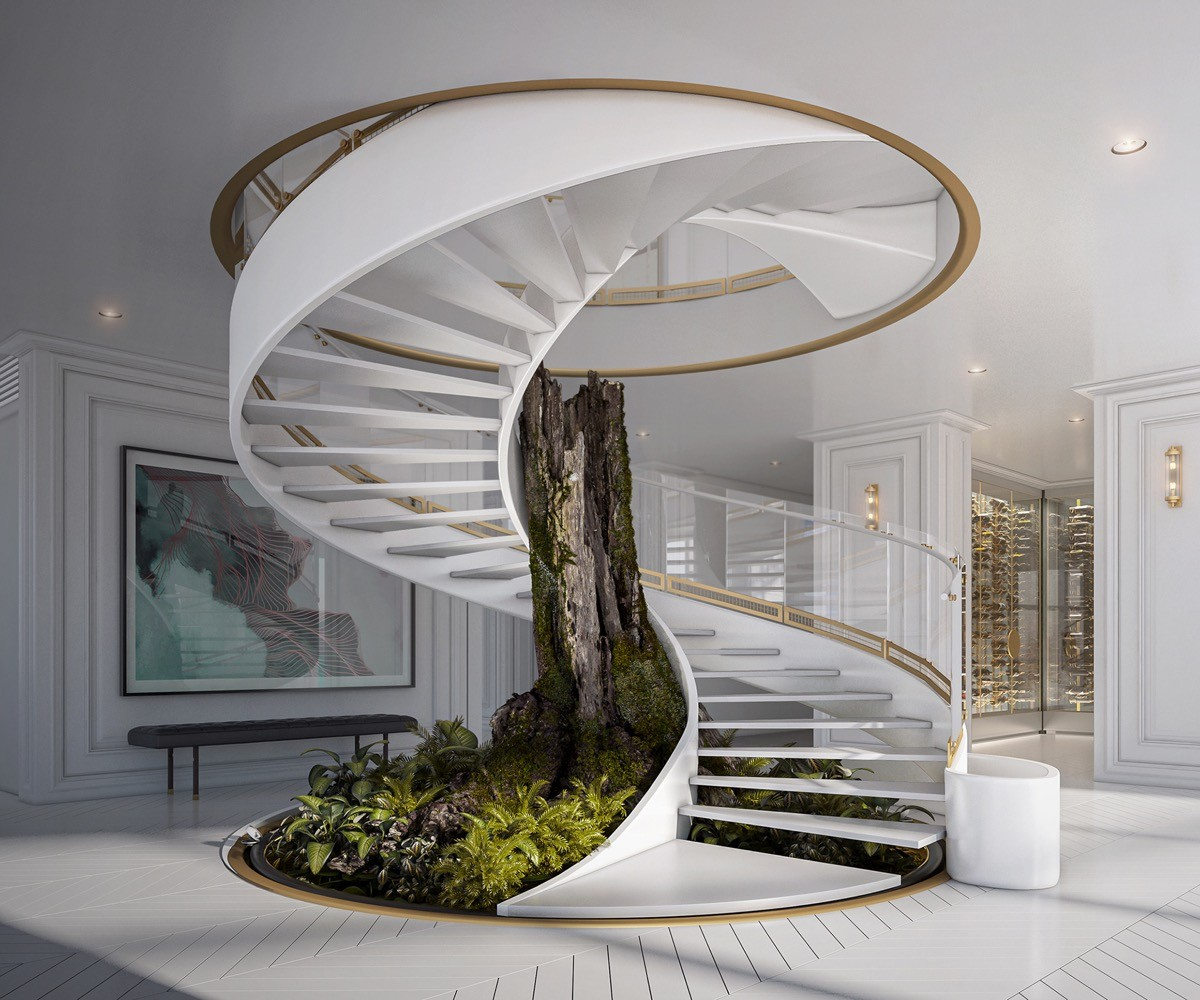
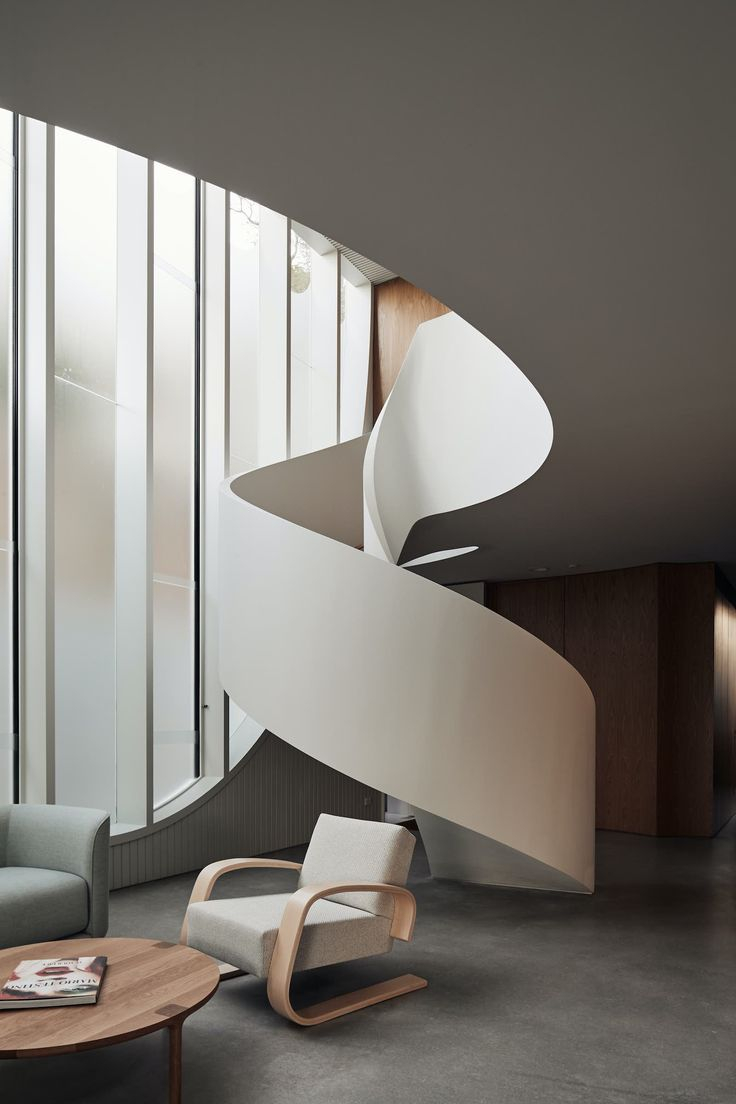
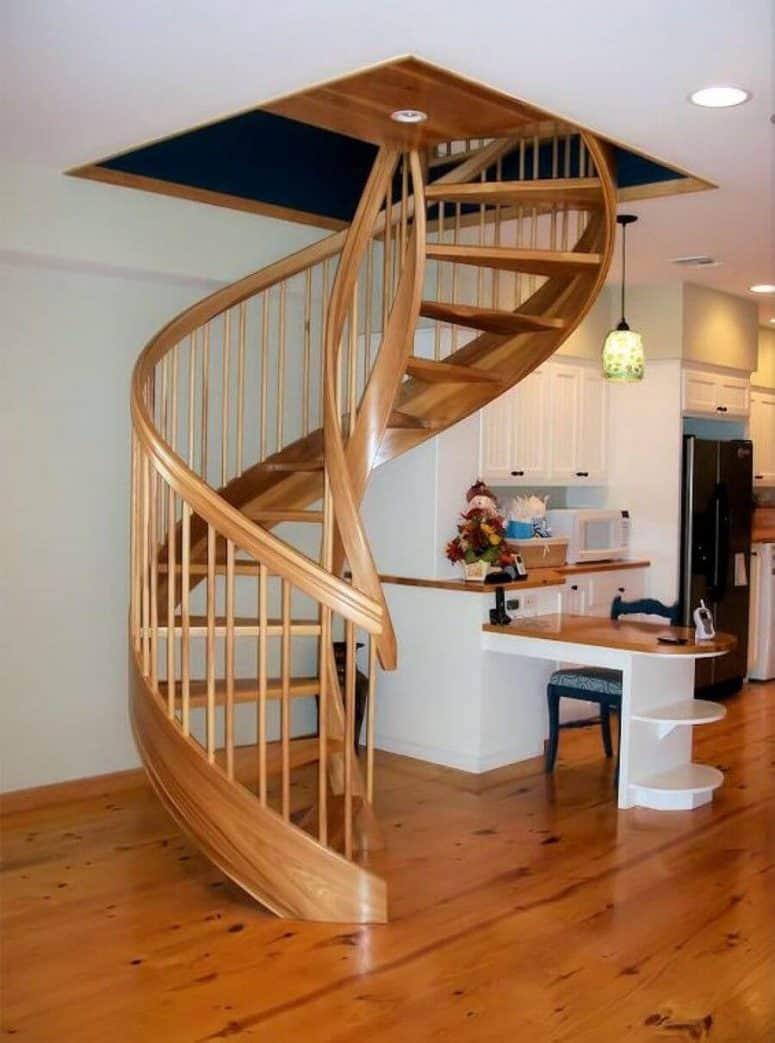
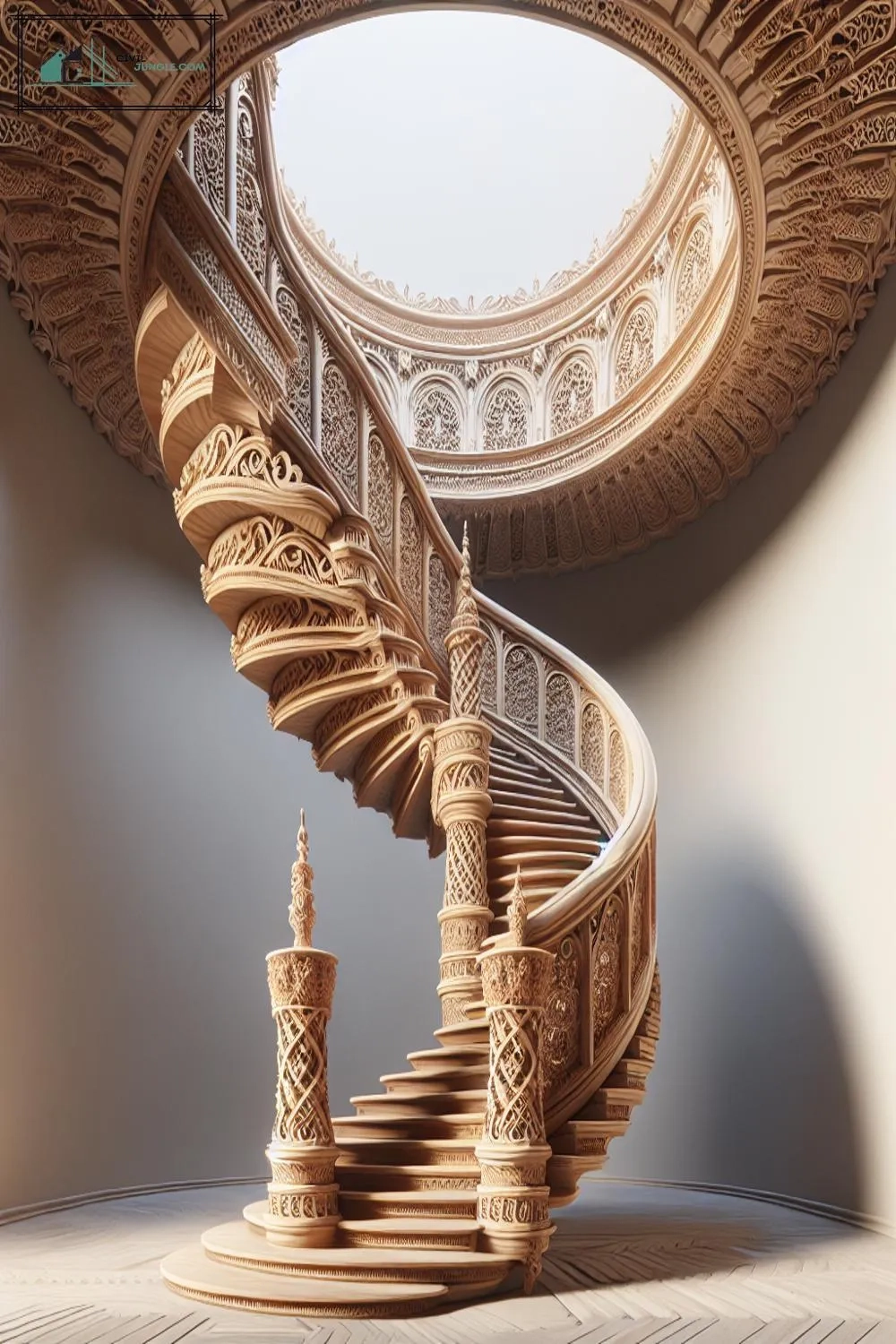
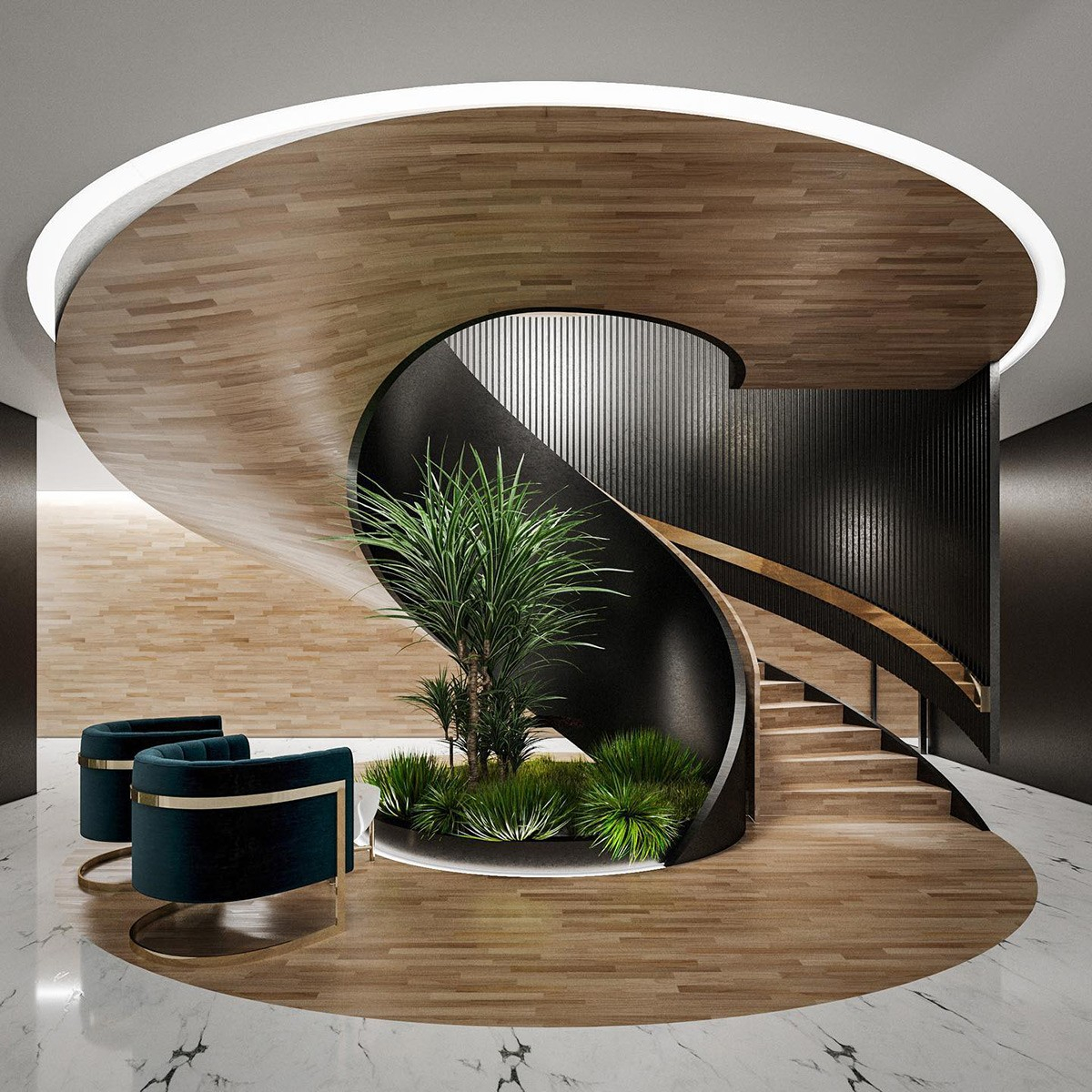
We often walk past them without a second thought. Up and down, day in and day out. They are just there. A means to an end. But what if that vertical journey became the most beautiful part of your house? What if the stairs weren’t just a way to get to the bedroom, but the reason people linger in the entryway? It sounds dramatic, maybe even a bit extra. Yet, in 2026, the home is no longer just a shelter. It is a sanctuary. And the heart of that sanctuary needs to beat with rhythm and style.
Think about the last time you walked into a hotel lobby or a high-end boutique. Where did your eyes go first? Chances are, it wasn’t the reception desk. It was likely a sweeping curve of marble or a floating wooden structure that seemed to defy gravity. That is the power of a statement staircase. It anchors the space. It defines the character of the entire build. For years, we treated stairs as an afterthought, something to be tucked away or covered with a beige runner to hide the wear. Those days are gone. Today, the staircase is a canvas. It is a sculpture you live with. And designing one that truly sings requires more than just picking a nice wood stain. It demands vision.
The Architecture of Movement and Flow
Before you pick a single material, you have to look at the bones of your home. A staircase is not an island. It is a bridge between levels, yes, but it is also a major structural element that dictates how energy moves through a house. In modern design, particularly in the open-concept layouts that remain popular in 2026, the stairwell often acts as a visual void if not handled correctly. You want to fill that void with intention. Start by asking yourself: How do I want to move through this space? Do you want a grand, slow ascent that feels ceremonial? Or do you prefer a tight, efficient spiral that saves floor space but adds vertical drama?
The shape you choose sets the tone. Straight runs are classic and clean, offering a sense of order and linearity. They work beautifully in minimalist homes where less is more. But they can feel a bit rigid if not softened with texture. Curved staircases, on the other hand, invite the eye to dance. They soften the hard angles of a room and create a sense of fluidity. If you have the square footage, a curved design becomes an instant focal point. It draws people in. It makes the act of climbing feel graceful rather than utilitarian. For smaller homes, consider a floating design. By removing the risers (the vertical part of the step), you allow light to pass through. This makes the staircase feel lighter, almost ethereal. It doesn’t block the view, which is crucial in compact spaces where every inch of visibility counts.
Don’t forget the landing. Often overlooked, the landing is a pause button in the journey. It is a chance to reset. In many contemporary designs, the landing is expanded into a small nook. Maybe it holds a reading chair. Maybe it features a large window that frames a view of the garden. Treating the landing as a destination rather than just a turning point changes the entire experience. It slows you down. It encourages you to look around. When you design with flow in mind, the staircase stops being a chore and starts being a feature you actually enjoy using. It becomes part of the daily ritual of home life.
Material Matters: Texture and Warmth
Once the shape is settled, the conversation shifts to touch. What does the staircase feel like under your bare feet? What does it look like when the morning light hits it? Materials are the language of texture, and in 2026, there is a huge push towards authenticity. People are tired of plastics and laminates that try to look like something else. They want real wood. Real stone. Real metal. Each material brings its own personality to the table. Hardwoods like oak and walnut remain timeless choices. They offer warmth and durability. Oak is tough and takes stain well, making it versatile for both rustic and modern looks. Walnut is richer, darker, and feels more luxurious. It ages beautifully, developing a patina that tells the story of your family’s life.
But wood doesn’t have to stand alone. Mixing materials is where the magic happens. Imagine warm timber treads paired with sleek, black steel stringers. The contrast is striking. The steel provides industrial edge and structural strength, while the wood softens the look, making it inviting. This combination is incredibly popular right now because it balances cool and warm tones perfectly. Glass is another powerful player. Using glass balustrades instead of traditional spindles creates a sense of openness. It allows light to flood the stairwell, making the area feel larger and airier. Just remember, glass requires maintenance. Fingerprints show up easily. So, if you have young kids or pets, you might want to weigh the aesthetic benefits against the cleaning reality.
Stone and concrete are making a comeback too, especially in homes with an industrial or brutalist vibe. A concrete staircase can be poured in place, creating a seamless, monolithic look that feels grounded and solid. It is heavy, visually and physically. To prevent it from feeling cold, pair it with soft textiles. A plush runner. A woven basket on the steps. These small touches add humanity to the hard surfaces. Tiles are also an option, particularly for the risers. Patterned tiles can add a pop of color or intricate detail without overwhelming the space. They turn each step into a mini work of art. The key is balance. Don’t let one material dominate unless that is the specific look you are going for. Usually, a harmony of two or three materials creates the most engaging and layered result.
Lighting the Way Up
Lighting can make or break a staircase design. Seriously. You can have the most expensive marble in the world, but if it is lit poorly, it will look flat and uninviting. Conversely, simple pine steps can look stunning if illuminated with care. The goal is to highlight the architecture, not just provide enough light to see where you are stepping. Safety is important, obviously. No one wants to trip in the dark. But safety lighting doesn’t have to be boring. In fact, integrated lighting has become one of the biggest trends in 2026. LED strips tucked under the nose of each tread create a floating effect. They guide the eye upward and provide a soft, ambient glow that is perfect for late-night trips to the kitchen.
Pendant lights are another fantastic option, especially for double-height stairwells. A cluster of pendants descending alongside the stairs creates a vertical chandelier effect. It draws the eye up and emphasizes the height of the ceiling. Choose fixtures that complement the style of your home. Crystal for glamour. Brass for mid-century warmth. Matte black for modern minimalism. The scale is important here. Too small, and they get lost in the vastness of the space. Too large, and they overwhelm the stairs. Aim for a arrangement that feels balanced from multiple viewpoints. You want it to look good from the bottom, the top, and the middle landing.
Wall sconces are a more subtle approach. Placed at regular intervals along the wall, they create a rhythm. They wash the wall with light, highlighting any artwork or texture you have added. This is a great way to add drama without cluttering the visual field. Dimmers are non-negotiable. You need control over the intensity. Bright light for cleaning or moving furniture. Soft, low light for evening relaxation. Think about the color temperature too. Warm white (around 2700K-3000K) is generally best for homes. It feels cozy and welcoming. Cool white can feel sterile and clinical, which is rarely the vibe you want in your living space. Light is the brushstroke that paints the mood of your staircase. Use it wisely.
The Art of the Railing and Balustrade
The railing is the jewelry of the staircase. It is the part you touch. The part you hold onto. It needs to be comfortable, safe, and beautiful. Traditional wooden balusters are charming, but they can feel dated if not styled correctly. In 2026, we are seeing a shift towards simpler, cleaner lines. Thin metal rods, either vertical or horizontal, create a modern, airy feel. Horizontal cables are particularly effective in contemporary homes. They offer an unobstructed view and a sleek, nautical vibe. However, check your local building codes. Some areas have strict rules about horizontal elements due to climbability concerns for children. Always prioritize safety regulations before aesthetics.
For a more organic look, consider using rope or leather wraps on the handrail. This adds texture and warmth. It makes the railing feel softer to the touch. It is a small detail, but it makes a big difference in how the space feels. If you love the idea of a solid barrier, a half-wall with a wooden cap is a timeless choice. It provides a surface for displaying objects. Small sculptures. Vases. Books. It turns the staircase into a gallery ledge. This is a great way to inject personality into the design. You can change the display with the seasons, keeping the look fresh and dynamic.
Glass panels are still a top choice for maximizing light. Frameless glass creates a seamless look that is incredibly sophisticated. It disappears, allowing the stairs themselves to take center stage. If you go this route, ensure the glass is tempered and thick enough to meet safety standards. The hardware holding the glass should be minimal and high quality. Brushed nickel or matte black fittings look sharp and modern. Avoid shiny chrome unless you are going for a very specific retro-glam look. The railing should feel like an extension of the stairs, not an add-on. It should flow naturally from the newel post to the handrail, creating a continuous line that guides the eye and the hand.
Color and Pattern: Making It Pop
Who said stairs have to be neutral? While wood tones and whites are safe, adding color can transform a staircase into a true statement piece. In 2026, homeowners are bolder. They are using the stairwell as a place to experiment with hues that might be too intense for a whole room. Paint the risers a deep navy or emerald green. Leave the treads natural wood. The contrast is striking and adds depth. Or, go monochromatic. Paint the entire structure—treads, risers, and walls—the same bold color. This creates a immersive, box-like effect that is very trendy in modern interior design. It blurs the boundaries between structure and space.
Wallpaper is another unexpected but brilliant tool. Applying wallpaper to the wall adjacent to the stairs, or even on the risers themselves, adds pattern and intrigue. Floral prints can soften a modern space. Geometric patterns can add energy to a traditional home. Just be careful with scale. Large patterns can look chaotic on small steps. Smaller, repetitive patterns often work better. If you are nervous about committing to wallpaper, start with a runner. A colorful, patterned rug runner adds softness underfoot and introduces color without permanent changes. It also helps with noise reduction, which is a practical bonus in multi-story homes.
Don’t forget the ceiling above the stairs. It is often painted white by default, but painting it a contrasting color can add surprising drama. A dark ceiling can make the space feel cozier and more intimate. A bright color can add a playful touch. The key is to view the stairwell as a complete volume, not just a set of steps. Every surface is an opportunity. Every angle is a chance to express your style. Use color to guide the eye. Darker colors recede, making the space feel larger. Lighter colors advance, making features stand out. Play with these effects to create the illusion of space or intimacy, depending on what your home needs.
A statement staircase is not just about architecture and materials. It is about life. It is about the photos you hang on the wall. The books you leave on the landing. The scent of the candles you place on the steps. These personal touches are what make the space feel like home. In 2026, there is a strong emphasis on curated imperfection. It doesn’t have to look like a showroom. It should look lived-in. Hang a gallery wall along the staircase. Mix framed photos with prints and mirrors. The varying heights and frames create visual interest as you climb. It tells your story. It invites guests to pause and look.
Plants are essential for bringing life to the stairwell. A large fiddle leaf fig on the landing. Trailing pothos on the upper rail. Greenery softens the hard lines of the architecture and adds a breath of fresh air. It connects the indoors with the outdoors. If natural light is limited, choose low-light tolerant plants or high-quality faux options. The goal is to add vitality. Scent is another layer. A diffuser with essential oils near the entrance can set the mood as soon as you walk in. Lavender for calm. Citrus for energy. These small sensory details elevate the experience from visual to holistic.
Finally, keep it clutter-free. A statement staircase needs room to breathe. Too many objects can make the space feel cramped and chaotic. Edit your decor. Choose a few meaningful pieces rather than many trivial ones. Regular maintenance is also key. Keep the steps clean. Polish the wood. Dust the railings. A well-cared-for staircase shows respect for the design and for the people who use it. It remains a source of pride and joy. When you combine thoughtful design with personal expression, the staircase becomes more than a structure. It becomes the heart of your home. It beats with your rhythm. It welcomes you home.
Designing a statement staircase is a journey. It takes time. It takes consideration. But the reward is a space that inspires you every single day. It is a place where form meets function in the most beautiful way. So, look at your stairs. Really look at them. See the potential. See the art. And then, start creating. Your home is waiting.