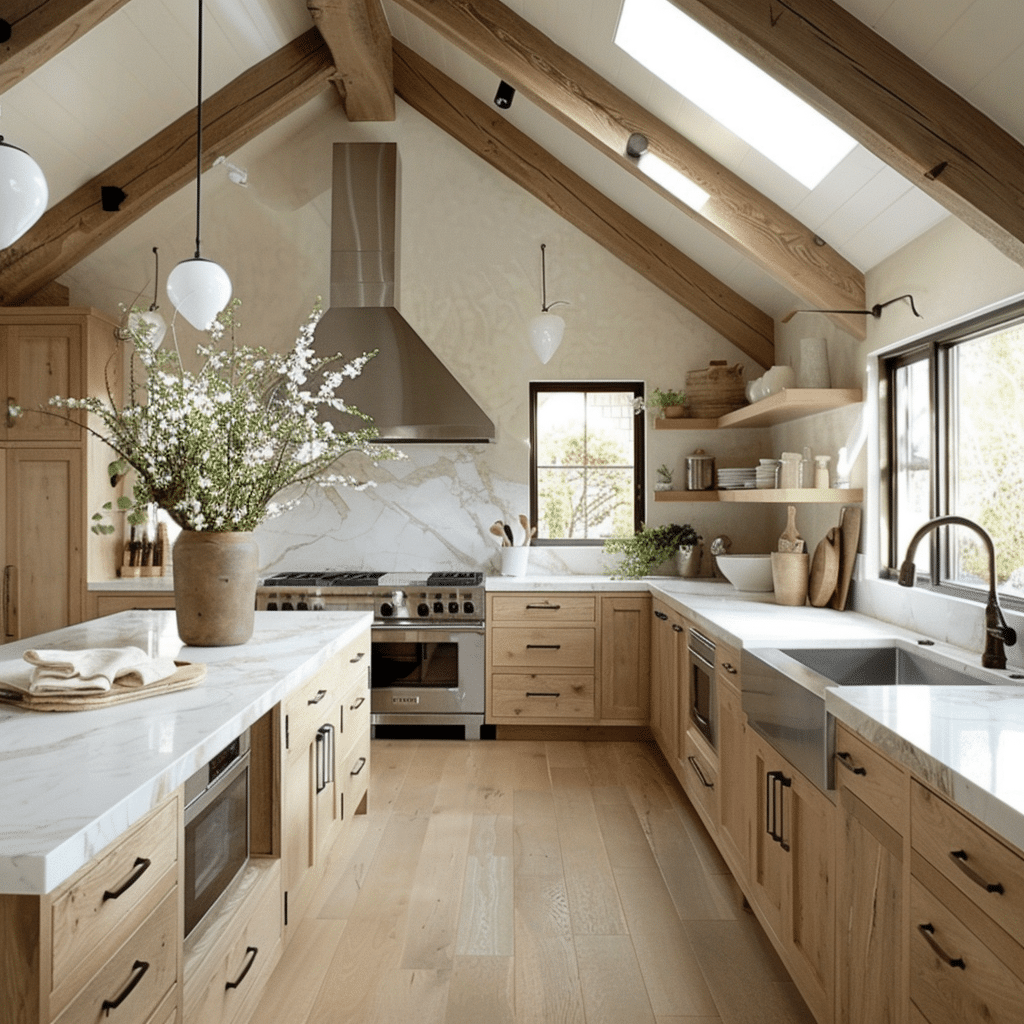
We all crave that fresh, open-air feeling, don’t we? There is something deeply soothing about the sight of a leaf unfurling or the rough texture of bark under your fingertips. It grounds us. But let’s be honest—life in 2026 is fast. Really fast. Between work deadlines, family obligations, and just trying to keep our heads above water, the last thing most of us need is another chore. And unfortunately, traditional indoor gardening often feels like exactly that: a chore.
You buy a beautiful fern. You promise to mist it daily. Three weeks later, it’s a brown, crispy reminder of your best intentions gone wrong. Or maybe you’ve tried the jungle look, only to find yourself tripping over pots and wiping up soil spills every time you vacuum. It doesn’t have to be this way. Bringing the outdoors in isn’t about creating a high-maintenance botanical garden. It’s about curating moments of calm. It’s about intention, not accumulation.
The goal here isn’t to fill every corner with potted plants that demand your attention. Instead, it’s about weaving subtle threads of the natural world into your existing space. Think of it as adding seasoning to a meal, not dumping the whole spice rack in at once. When done right, these touches boost your mood, lower stress, and make your home feel like a sanctuary. And the best part? You don’t need a green thumb, a big budget, or hours of free time. You just need a slightly different perspective on what "nature indoors" actually looks like.
The Art of the Seasonal Swap
One of the biggest mistakes people make is thinking nature decor has to be permanent. It doesn’t. In fact, some of the most impactful designs are temporary. By rotating elements based on the season, you keep your space feeling fresh and alive without the burden of long-term care. This approach also helps prevent clutter because you aren’t accumulating items year-round; you’re cycling them out.
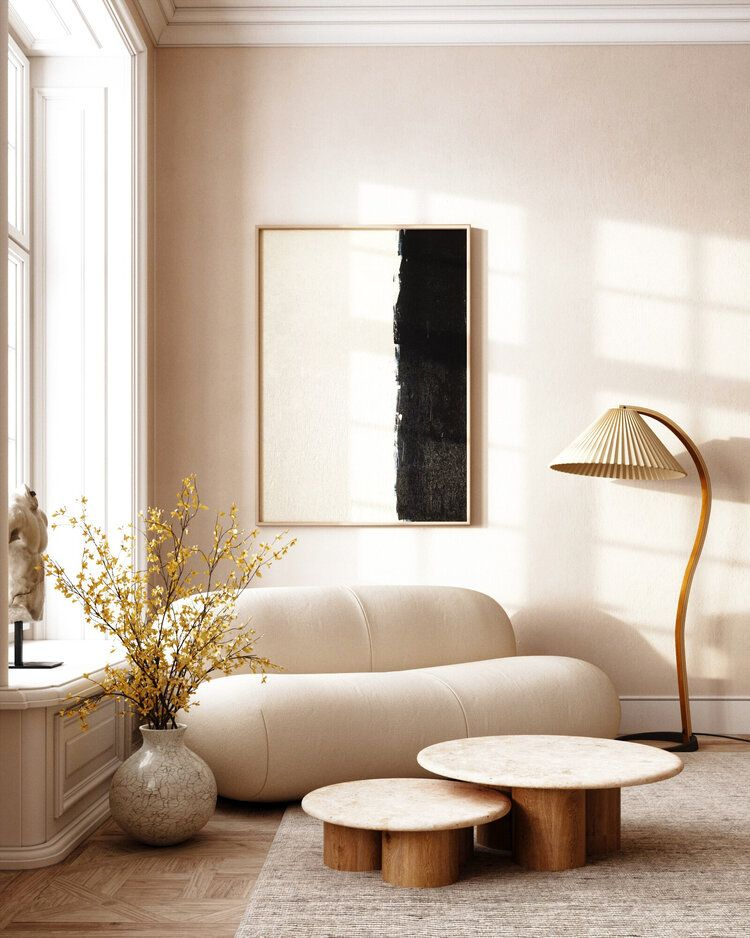
In the winter, skip the expensive holiday decor stores and look to your local park. A vase filled with bare birch branches or pine boughs creates a striking, sculptural focal point. They require zero water if they’re dried, or just a little bit if you want them to stay green for a few weeks. Come spring, swap those out for forced bulbs like daffodils or hyacinths. They grow in water or simple gravel, meaning no soil mess. When summer hits, driftwood, smooth stones, or even a bowl of seashells can bring that coastal, airy vibe inside. Autumn is perfect for dried leaves, acorns, or wheat stalks.
This method keeps your home connected to the rhythm of the year. It’s a gentle reminder that time is passing, which can be surprisingly comforting in our digital, always-on world. Plus, because these items are often foraged or inexpensive, there’s no guilt if they break or fade. They’re meant to be transient. If you live in an apartment with no garden, this is your best friend. You can find beauty in a single oak leaf pressed in a frame just as easily as in a full-sized tree.
Embracing the Beauty of Dried and Preserved
Fresh flowers are lovely, but they die quickly. That’s a lot of waste and money down the drain if you’re busy. Enter the world of dried and preserved botanicals. This trend has exploded in recent years, and for good reason. Dried flowers, grasses, and branches offer the same organic shapes and earthy tones as their fresh counterparts, but they last for months or even years with absolutely no maintenance.
Think pampas grass, statice, lavender, or eucalyptus. These can be arranged in a simple ceramic vase and left alone. No watering. No trimming. No worrying about whether you left them in the sun too long. They add texture and height to a room without demanding anything from you. If you’re worried about them looking dusty, a quick blast with a hairdryer on the cool setting once a month is all it takes. It’s that easy.
Preserved moss is another fantastic option. Unlike live moss, which needs constant humidity and care, preserved moss is treated to keep its color and softness without any water. You can buy small panels of it to hang on walls, or use loose pieces in terrariums alongside stones and figurines. It brings that vibrant, forest-floor green into your space without the risk of mold or decay. It’s particularly great for bathrooms or darker corners where live plants would struggle to survive. You get the visual benefit of lush greenery without the biological baggage.
Smart Greenery for the Busy Life
Okay, so maybe you do want something alive. That’s fair. There’s a primal comfort in caring for a living thing. But you don’t need a dozen high-diva plants. The key is choosing the right species and the right delivery system. In 2026, we have more options than ever for low-effort greenery that still feels authentic.
Start with the unkillables. Snake plants, ZZ plants, and pothos are classics for a reason. They tolerate neglect, low light, and irregular watering. But here’s the trick to avoiding clutter: limit yourself. Choose one or two statement plants rather than twenty small ones. A single, large fiddle-leaf fig in a beautiful, simple pot makes more impact than a shelf crowded with tiny succulents that collect dust. Fewer plants mean fewer pots to clean, less soil to spill, and a cleaner visual line.
Consider self-watering pots. These aren’t new, but the designs have gotten much sleeker. They hold a reservoir of water at the bottom, wicking it up to the roots as needed. This means you can fill them up once every few weeks and forget about them. No more guessing games. No more saucers overflowing onto your hardwood floors. Another option is air plants (Tillandsia). They don’t need soil at all. You can mount them on pieces of wood, place them in glass orbs, or just set them on a shelf. A quick soak once a week is all they need. They’re lightweight, portable, and virtually mess-free.
Texture and Materials: The Silent Connectors
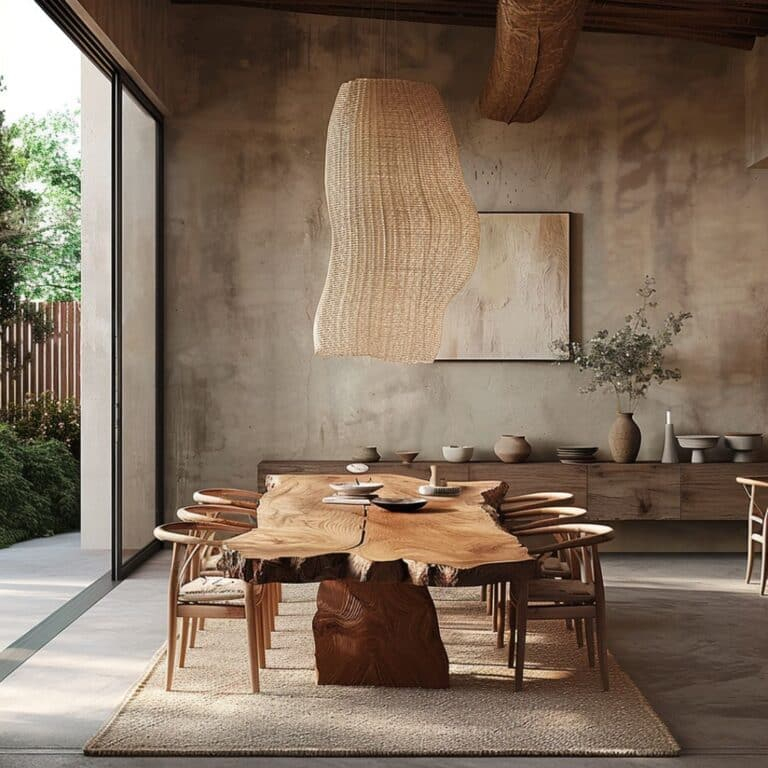
Nature isn’t just about plants. It’s about materials. It’s about how things feel and look. You can bring the outdoors in simply by choosing furniture and decor made from natural, raw materials. Wood, stone, linen, wool, rattan, and clay all carry the energy of the earth. When you surround yourself with these textures, your brain registers a connection to nature, even if there isn’t a single leaf in sight.
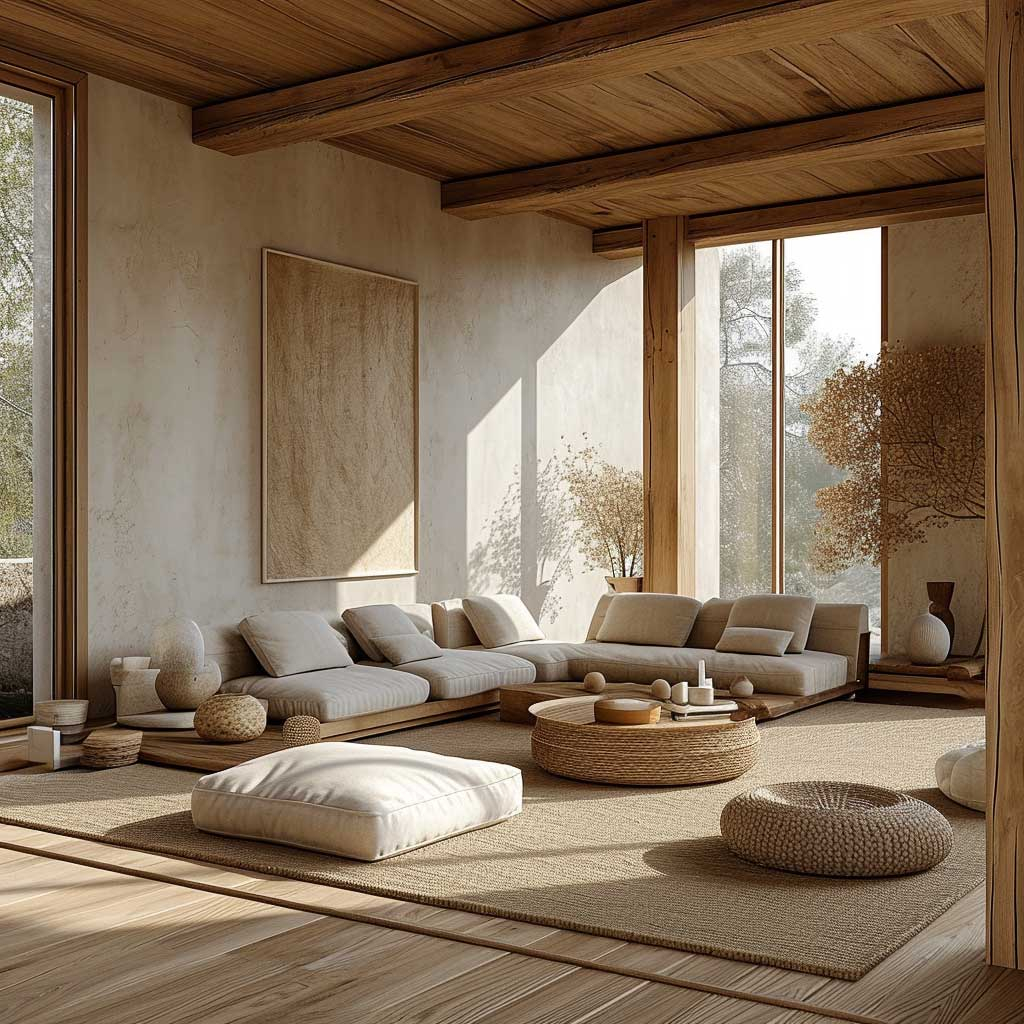
Swap out synthetic rugs for jute or wool. Replace plastic accessories with wooden bowls or stone coasters. Use linen curtains instead of polyester. These changes add warmth and depth to a room. They also age beautifully. A wooden table develops a patina over time. A linen sofa gets softer. This imperfection is part of the appeal. It contrasts with the sterile, perfect surfaces of our tech-heavy lives.
Layering these textures is key. Don’t be afraid to mix rough with smooth. A sleek marble countertop looks stunning next to a rough-hewn wooden cutting board. A soft wool throw draped over a leather chair creates a cozy, inviting nook. These combinations mimic the diversity found in nature, where smooth river stones sit next to jagged rocks. It creates visual interest without adding "stuff." You’re not adding clutter; you’re enhancing what’s already there. And since these are functional items, they serve a purpose beyond just looking pretty.
Light and Air: The Invisible Elements
We often forget that light and air are part of nature too. In fact, they might be the most important parts. Natural light regulates our circadian rhythms, boosts our mood, and makes spaces feel larger and more open. If you can, maximize the natural light in your home. Keep windows clean. Use sheer curtains that filter light softly rather than blocking it out. Mirrors placed opposite windows can bounce light around the room, making it feel brighter and more connected to the outside world.
But what if your space is dark? Or what if you live in a city where the view is mostly brick walls? You can still manipulate light to create a natural feel. Use warm-toned bulbs (around 2700K-3000K) to mimic the glow of sunset. Avoid harsh, cool white lights that feel clinical. Layer your lighting with floor lamps, table lamps, and perhaps a few candles. This creates pockets of warmth and shadow, mimicking the way light falls in a forest or a meadow. It’s softer on the eyes and more relaxing for the mind.
Air quality matters too. While plants do help, they aren’t magic air purifiers. Opening windows regularly, even for just ten minutes a day, brings in fresh oxygen and flushes out stale indoor air. If that’s not possible due to pollution or noise, consider a high-quality air purifier. Clean, fresh-smelling air is a huge part of the "outdoor" experience. You can also use essential oil diffusers with scents like pine, cedar, or citrus to evoke the smell of a walk in the woods. It’s a sensory hack that tricks your brain into feeling more connected to nature.
Finally, let’s talk about placement. Clutter happens when we put things everywhere. Nature, in its wild state, isn’t cluttered—it’s organized by growth patterns and light. We can mimic this by being intentional about where we place our natural elements. Less is more. A single branch in a tall vase on a mantel is more powerful than a dozen small vases scattered around.
Use the rule of odds. Groupings of three or five items tend to look more natural and balanced than even numbers. Try placing a small cluster of stones, a candle, and a small plant together on a side table. Leave plenty of negative space around them. This allows the eye to rest and appreciate each item. Don’t fill every surface. Let some shelves stay empty. Let some walls stay bare. This breathing room is essential for creating a calm, uncluttered feel.
Vertical space is your friend. If floor space is limited, look up. Hang a single trailing plant from the ceiling. Mount a piece of driftwood on the wall as art. Use floating shelves to display a few curated natural objects. This draws the eye upward and makes the room feel larger. It also keeps surfaces clear for daily use. Remember, the goal is to invite nature in, not to let it take over. Each item should have a reason to be there. If it doesn’t spark joy or calm, let it go. Your home should feel like a exhale, not a storage unit.
Bringing nature indoors doesn’t have to be complicated. It doesn’t require a degree in horticulture or a housekeeper to manage the mess. It’s about noticing the small things—the way light hits a stone, the curve of a dried branch, the softness of linen. It’s about slowing down enough to appreciate these details. By focusing on seasonal swaps, low-maintenance greens, natural textures, and intentional placement, you can create a home that feels grounded and peaceful.
Start small. Pick one corner. Add one natural element. See how it makes you feel. Does it calm you? Does it make you smile? If yes, keep it. If not, try something else. There’s no right or wrong way to do this. It’s your space, your sanctuary. And in a world that’s constantly shouting for our attention, having a quiet corner that whispers of the outdoors is a gift worth giving yourself. So go ahead. Bring a little bit of the outside in. You might just find that you breathe a little easier.