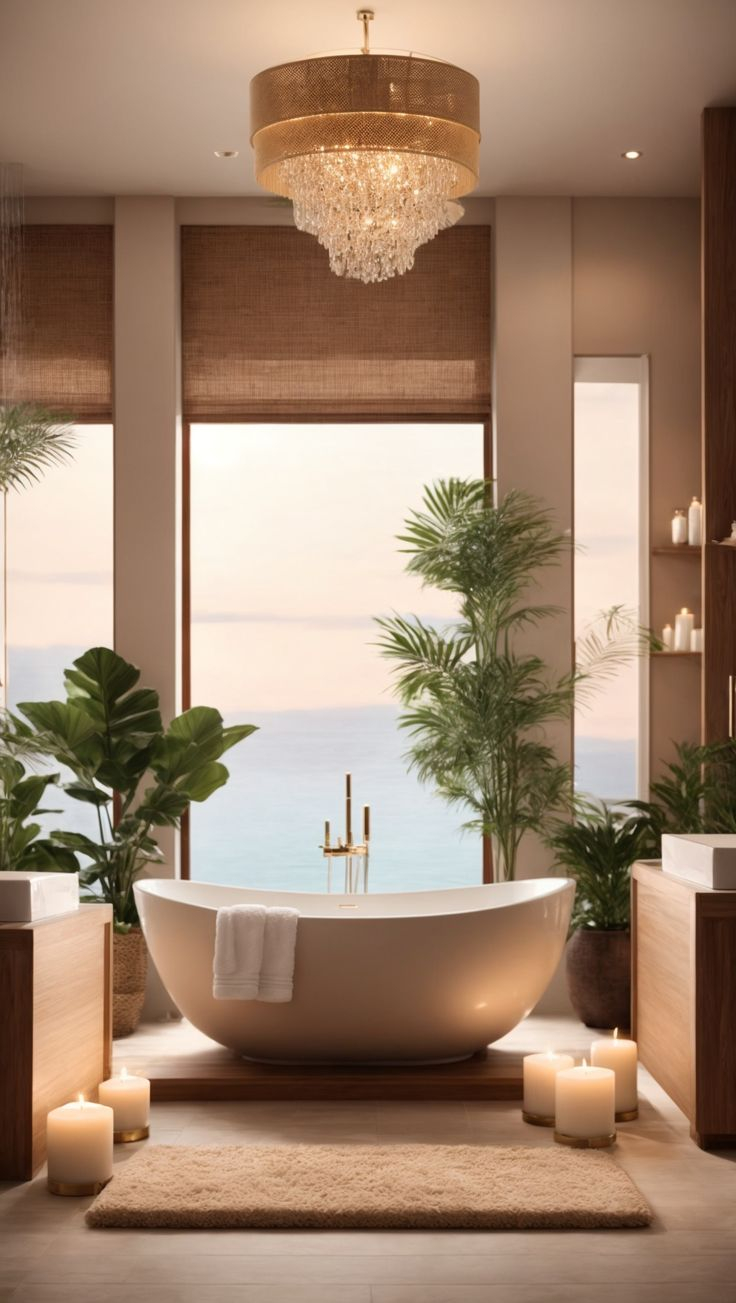
You know that feeling when you walk into a room and it just… hits you? Not in a bad way. In a "oh, this is nice" kind of way. Like a hug from an old friend. That’s exactly what’s happening in bathrooms across the country right now. We’re trading in the cold, sterile shine of chrome for something softer. Something that glows. Rose gold isn’t just a trend anymore; by 2026, it’s become a staple. It’s the difference between a hospital waiting room and your favorite cozy cafe. And honestly? It makes sense. We’ve spent years staring at screens and living in high-tech, cool-toned spaces. Our homes need to breathe. They need warmth.
For decades, chrome was the default. It was safe. It was clean. But let’s be real—it was also kinda cold. Literally and figuratively. If you’ve ever touched a chrome faucet on a winter morning, you know the shock. It bites. Rose gold doesn’t do that. Well, okay, the metal is still cold to the touch, but visually? It invites you in. It reflects light differently. It plays with shadows in a way that feels organic. This shift isn’t just about aesthetics; it’s about how we want to feel in our most private spaces. In 2026, the bathroom isn’t just a utility room. It’s a retreat. And rose gold is leading the charge.
The Psychology of Warmth in Design
Let’s talk about why our brains react so differently to these two metals. It’s not magic. It’s science. Chromes and silvers sit on the cool end of the color spectrum. They reflect blue and white light. Our ancestors associated these tones with ice, water, and stone. Useful? Sure. Comforting? Not really. Rose gold, on the other hand, is a mix of copper and gold. Copper is earthy. It’s found in the ground. It’s warm. When you add that pinkish hue, you’re introducing a tone that mimics human skin, sunset light, and fire.
Think about it. When you look in the mirror under rose gold lighting or surrounded by rose gold fixtures, your skin tone looks healthier. It’s flattering. Chrome can sometimes make us look washed out, especially under harsh overhead lights. But rose gold acts like a natural filter. One designer called it the "wedding-ring moment" because it adds that subtle, precious glow to everything it touches. It’s dramatic, but in a quiet way. You don’t notice it shouting at you; you just notice that you feel better.
This psychological shift is huge for 2026. We are prioritizing wellness in our homes. We want spaces that lower our cortisol levels, not raise them. A bathroom with warm metals feels safer. It feels grounded. It’s an antithesis to the "basic white T-shirt" vibe of standard hardware. It’s intentional. When you choose rose gold, you’re choosing a mood. You’re saying, "This space is for me to relax." And your brain listens. It’s a small change, but the impact on your daily routine—those early mornings and late nights—is profound.
How Light Interacts With Metal Finishes
Light is the secret ingredient in any room. But it behaves wildly different depending on what it hits. Chrome is highly reflective. It’s like a mirror. It bounces light around sharply. This can create glare. It can make a small bathroom feel even smaller if the reflections are chaotic. It’s high contrast. High energy. Sometimes that’s what you want, but often, it’s exhausting. Rose gold absorbs some of that light. It diffuses it. The result is a softer glow. It’s less about reflection and more about illumination.
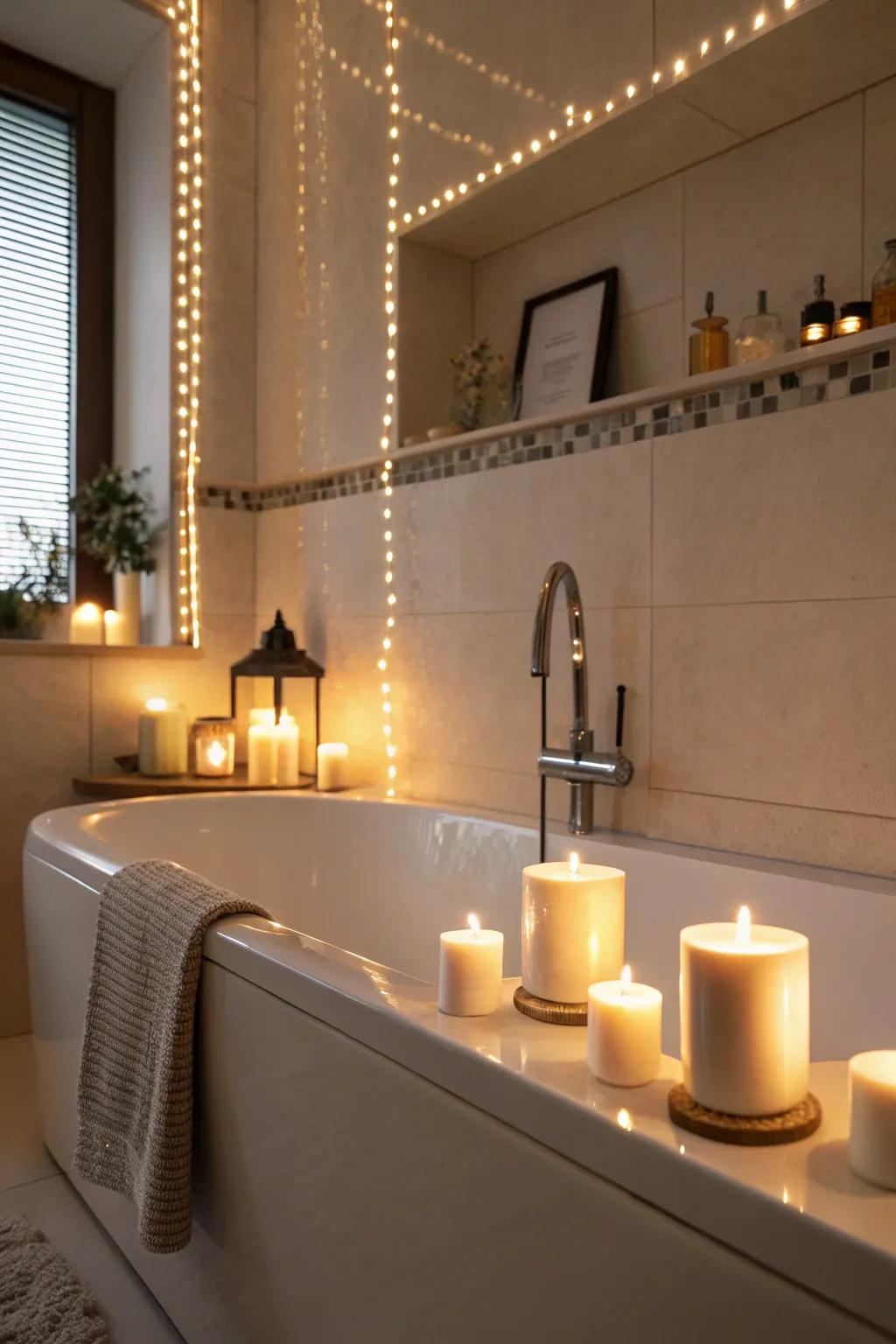
In 2026, lighting design has evolved. We’re using fewer harsh overhead cans and more layered lighting. Sconces, vanity lights, even candlelight. Rose gold complements this perfectly. It doesn’t compete with the light source; it enhances it. If you have warm-white bulbs (which most of us do now), rose gold fixtures will amplify that warmth. Chrome, conversely, can clash with warm bulbs, creating a weird visual dissonance. The metal says "cool," but the bulb says "warm." Your eyes get confused. Rose gold harmonizes.
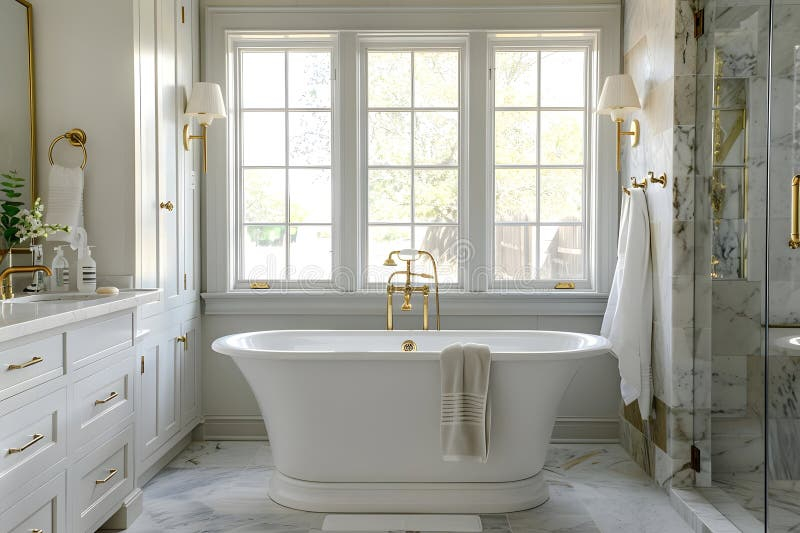
Consider the time of day too. Morning light is cooler. Evening light is warmer. Chrome looks great at noon but can feel stark at night. Rose gold looks good all day, but it truly shines (pun intended) in the evening. Imagine taking a bath after a long day. The lights are dim. The rose gold tub filler catches the flicker of a candle or the soft glow of a dimmer switch. It creates an ambiance that chrome just can’t replicate. It’s the difference between a spotlight and a sunset. One demands attention; the other invites you to linger.
The Shift From Sterile to Sanctuary
For a long time, "clean" meant "sterile." We wanted bathrooms that looked like they belonged in a five-star hotel or a medical facility. Shiny. Spotless. Cold. But post-2020, our definition of clean changed. We still want hygiene, obviously. But we also want comfort. We want our homes to feel lived-in and loved. This is where the "soft luxury" trend comes in. Rose gold fits this bill perfectly. It’s luxurious, yes, but it’s not ostentatious. It’s understated. It’s elegant without being intimidating.
Look at the materials we’re pairing with rose gold in 2026. We’re seeing a lot of natural stone. Marble with warm veining. Terrazzo with earthy aggregates. Wood vanities. These materials have texture. They have history. Chrome often feels disconnected from these natural elements. It feels manufactured. Rose gold, with its copper base, feels like it belongs in the earth. It bridges the gap between the modern fixture and the natural stone. It ties the room together.
This shift is also about maintenance, believe it or not. Chrome shows every water spot. Every fingerprint. It demands constant wiping to keep that perfect shine. Rose gold, especially in brushed or matte finishes, is forgiving. It hides minor imperfections. It ages gracefully. Some rose gold finishes even develop a slight patina over time, adding character. This aligns with the 2026 mindset of sustainability and longevity. We’re tired of things that look perfect for a day and terrible the next. We want durability. We want beauty that lasts. Rose gold offers that ease. It lets you enjoy your bathroom instead of constantly cleaning it.
Mixing Metals Without the Chaos
One of the biggest fears people have is mixing metals. "Will it look messy?" "Will it look like I couldn’t decide?" In 2026, the answer is a resounding no. Mixing metals is not just accepted; it’s expected. But there’s a right way to do it. The key is balance. You don’t want a circus. You want a curated look. Rose gold is the perfect anchor for this because it’s versatile. It pairs beautifully with black matte fixtures. It looks stunning against brushed nickel. It even works with chrome, if you’re careful.
The rule of thumb? Pick a dominant metal and an accent metal. If you’re going rose gold, maybe make your faucets and showerhead rose gold, but keep your cabinet pulls in a contrasting black or dark bronze. This creates depth. It adds visual interest. It stops the room from feeling flat. Chrome rooms often feel one-note. Everything matches, so nothing stands out. By mixing, you create focal points. You guide the eye.
Another tip: consider the undertones. Rose gold has pink and copper undertones. Pair it with colors that complement those. Creams, warm grays, soft greens, even blush tiles. Avoid pairing it with cool blues or stark whites unless you’re going for a very specific, high-contrast look. The goal is harmony. Think of it like outfit coordination. You wouldn’t wear a neon orange shirt with a pastel pink suit unless you were making a statement. Same here. Keep it cohesive. Use rose gold to warm up the cooler elements in the room. It’s the jewelry of the bathroom. And just like jewelry, a little goes a long way.
Real Estate Value and Modern Appeal
Let’s talk money. Because at the end of the day, renovations are an investment. In the speculative real estate market of 2026, buyers are savvy. They’ve seen every flip house with cheap chrome fixtures. They’re bored. They’re looking for character. They’re looking for move-in-ready spaces that feel special. A bathroom with rose gold fixtures photographs better. Period. The warm tones pop on camera. They look inviting in listings. This can increase the perceived value of the property.
It’s not just about the sale price, though. It’s about the speed of the sale. Homes with updated, trendy bathrooms sell faster. Buyers are willing to pay a premium for finishes that feel current and luxurious. Rose gold signals that the home has been cared for. It signals that the owner has taste. It’s a subtle cue that the rest of the house might be just as well-maintained. Chrome, while classic, can sometimes signal "dated" or "builder-grade," even if it’s high quality. Rose gold feels custom.
But don’t just take my word for it. Look at the data. Luxury homes in 2026 are overwhelmingly featuring warm metals. It’s the dominant finish language. It’s not a fad that’s fading; it’s a structural shift in design preference. People are realizing that their environment affects their well-being. They’re investing in spaces that make them feel good. Rose gold is a relatively small upgrade compared to ripping out tiles or moving walls, but the impact is massive. It’s a high-return, low-effort change. For homeowners looking to refresh without a full gut renovation, swapping out hardware is the smartest move they can make.
So, you’re convinced. You want the warmth. You want the glow. Where do you start? Don’t panic. You don’t need to redo your entire bathroom tomorrow. Start small. Swap out the faucet. Change the showerhead. Replace the towel bars and toilet paper holder. These are easy DIY projects. Most hardware is standard size. You can do this in a weekend. And the difference? Immediate. It’s like putting on a new coat of paint, but easier.
If you’re building new or doing a full remodel, think about the bigger picture. Choose a rose gold tub filler. Consider rose gold accents in your lighting fixtures. Maybe even a rose gold framed mirror. But remember the balance. Don’t overdo it. Too much shiny metal can feel overwhelming. Mix in some matte textures. Add some wood. Bring in plants. Greenery looks incredible against rose gold. The contrast between the organic leaves and the metallic sheen is chef’s kiss.
Also, pay attention to the finish. Polished rose gold is glamorous. It’s sparkly. Brushed rose gold is more subdued. It’s modern. It’s easier to maintain. Choose the finish that matches your lifestyle. If you have kids, go brushed. If you’re single and love hosting, maybe go polished. There’s no wrong choice, only what works for you. And don’t forget the samples. Order a few. Hold them in your bathroom. Look at them in the morning light and the evening light. See how they feel. Trust your gut. If it makes you smile, it’s the right choice.
Wrapping it all up, the move toward rose gold in 2026 isn’t just about following a trend. It’s about reclaiming warmth in our lives. It’s about creating spaces that nurture us. Chrome had its time. It served us well. But now, we’re ready for something softer. Something that feels like home. Rose gold offers that. It’s practical. It’s beautiful. And most importantly, it’s warm. So go ahead. Make the swap. Your morning self will thank you.