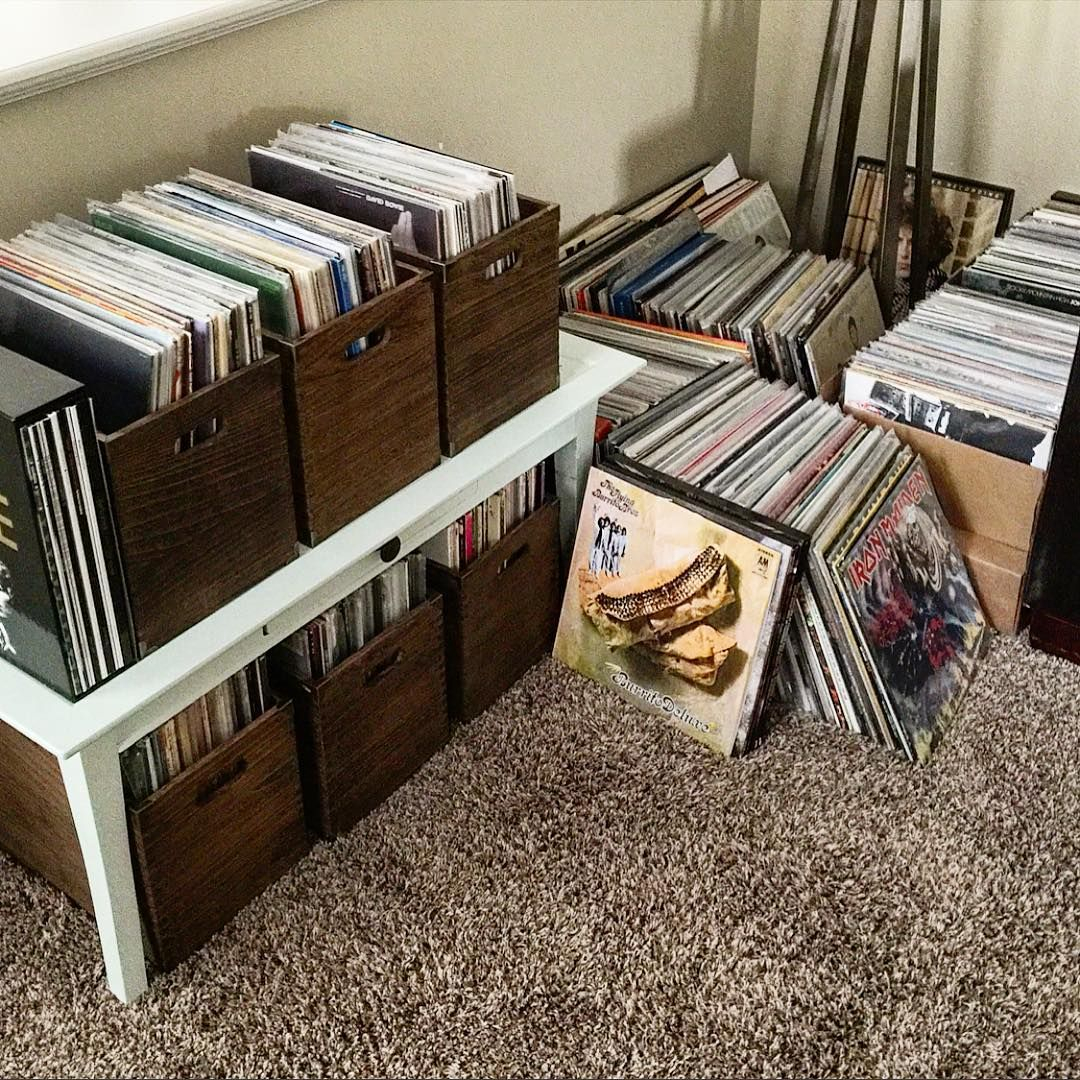
There is a specific feeling you get when you walk into a record store. You know the one. It’s that quiet hum of anticipation as you slide your fingers along the spines of hundreds of albums. You pull one out, flip it over, and suddenly, you’re holding more than just plastic and paper. You’re holding a memory, a mood, or a moment in time. For years, we’ve tried to replicate that magic at home, but most of us have failed miserably. We shove our prized possessions into cardboard boxes under the bed or stack them vertically on cheap bookshelves where the cover art is hidden away like a secret.
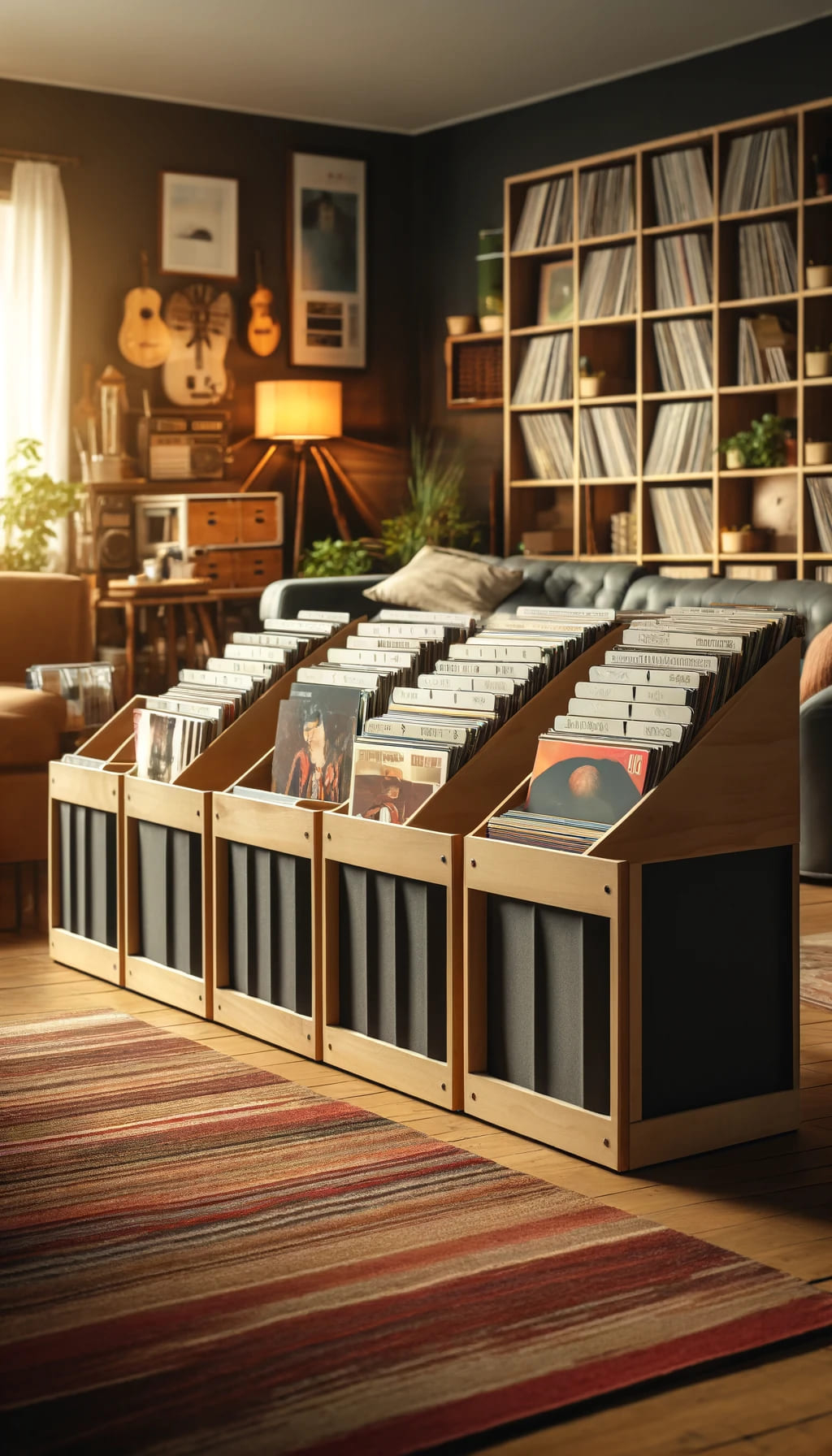
But what if storing your records didn’t mean hiding them? What if the way you kept them was just as important as the music inside? In 2026, the conversation around vinyl storage has shifted dramatically. It’s no longer just about finding a place to put them; it’s about creating an experience. Forward-facing bins, often called flip-bins, have emerged not just as a trendy option, but as the absolute gold standard for serious collectors and casual listeners alike. They bridge the gap between practical preservation and the joy of discovery.
Let’s be honest. Most traditional storage methods are kind of a pain. You have to pull a whole box out, dig through it, and then try to shove it back without knocking everything over. It’s clumsy. It’s frustrating. And frankly, it takes the fun out of browsing your own collection. Forward-facing bins change the game entirely. They bring the record store vibe right into your living room, bedroom, or studio. It’s about visibility, ease, and treating your vinyl with the respect it deserves.
The Psychology of Visual Discovery
Think about how you choose what to listen to. Do you really sit down and read the tracklist on the back of every album before deciding? Probably not. We are visual creatures. We connect with art before we connect with sound. When your records are stored spine-out, you’re relying on memory or small text to make a choice. It’s inefficient and, let’s face it, a bit boring. Front-facing storage flips this dynamic on its head. It puts the artwork front and center, literally.
This isn’t just about aesthetics, though that’s a huge part of it. It’s about rekindling the relationship you have with your music. When you can see the cover of Dark Side of the Moon or Rumours staring back at you, it triggers an emotional response. It reminds you why you bought it in the first place. According to recent insights from home organization experts, this visual accessibility encourages people to listen to their collections more often. Instead of leaving records to gather dust, you’re invited to interact with them daily. It turns storage into a display, and a display into an invitation.
Moreover, this method respects the intent of the artists. Album covers are designed to be seen. They are part of the complete package. By hiding them away, we’re ignoring half of the artistic expression. Forward-facing bins allow the full experience to shine. You get the tactile joy of flipping through records, the visual stimulation of iconic artwork, and the auditory pleasure of the music itself. It’s a holistic approach to enjoying vinyl that spine-out storage simply can’t match.
Preservation Meets Practicality
One of the biggest myths about vinyl storage is that you have to sacrifice protection for accessibility. People worry that if records are easy to grab, they’ll get damaged. But modern forward-facing solutions are engineered with preservation in mind. High-quality bins, like those from industry leaders such as LPBIN, are built with sturdy materials that support the weight of the records without warping them. The key is proper support. Unlike flimsy cardboard boxes that can collapse or bend, these bins maintain their shape, ensuring your records stay flat and safe.
Another critical aspect is airflow and cleanliness. When records are packed tightly into deep boxes, dust settles in, and air doesn’t circulate. This can lead to mold or mildew in humid environments. Forward-facing bins often feature open designs or breathable materials that allow air to move around the sleeves. Plus, because you’re only handling one record at a time rather than digging through a stack, you reduce the risk of accidental scratches or drops. It’s a safer way to handle your collection, plain and simple.
Let’s talk about the "GrooveMat" concept for a second. Some premium storage solutions include rubber mats at the bottom of the bin. This might seem like a small detail, but it’s a game-changer. It prevents the records from sliding forward and getting dog-eared or crushed against the front of the bin. It keeps everything upright and aligned. These little engineering touches show that forward-facing storage isn’t just a pretty face; it’s thoughtfully designed to protect your investment. After all, vinyl is fragile. Treating it well means choosing storage that understands its needs.
Ergonomics and Ease of Access
Have you ever tried to reach a record at the bottom of a deep crate? It’s awkward. You have to contort your body, maybe kneel down, and risk pulling the whole stack over. It’s not ergonomic, and it’s definitely not enjoyable. Forward-facing bins solve this problem by bringing your collection up to a comfortable browsing level. Whether it’s a wall-mounted unit or a freestanding cabinet, the design prioritizes human interaction. You stand or sit comfortably, and the records are right there, within easy reach.
This accessibility is crucial for people with mobility issues or back problems. Traditional floor-level crates can be a barrier to enjoying music for many individuals. By elevating the collection and making it easy to flip through, forward-facing storage makes vinyl more inclusive. It removes the physical strain associated with digging through heavy boxes. You can browse for hours without feeling like you’ve worked out. It’s leisurely. It’s relaxed. And it invites you to spend more time with your music.
Furthermore, the organization becomes intuitive. You can arrange your records by genre, artist, or color, and actually see the pattern emerge. It’s easier to spot gaps in your collection or find that one specific album you’ve been looking for. No more pulling out three different boxes to find a single LP. Everything is visible at a glance. This efficiency saves time and reduces frustration, making the act of choosing music a pleasure rather than a chore. In 2026, where convenience is king, this level of ease is non-negotiable for many collectors.
Aesthetic Integration in Modern Homes
Let’s address the elephant in the room: space. Not everyone has a dedicated music room. Most of us live in apartments or houses where every square foot counts. Traditional record crates are bulky and often eyesores. They don’t blend well with modern decor. Forward-facing storage units, on the other hand, are designed with interior design in mind. They look like furniture. They look like art installations. They integrate seamlessly into living rooms, bedrooms, and even offices.
Recent trends in home decor emphasize multifunctional pieces. A forward-facing bin isn’t just storage; it’s a statement piece. It adds warmth and personality to a room. The colorful array of album covers acts as a dynamic wallpaper that you can change whenever you want. Want a minimalist look? Arrange your records by color. Want a vibrant vibe? Mix them up. The flexibility allows you to adapt your storage to your changing tastes and decor styles. It’s versatile in a way that static shelving never could be.
Moreover, these units come in various sizes and finishes to match any aesthetic. From sleek mid-century modern wood to industrial metal frames, there’s a style for every home. This variety ensures that you don’t have to compromise on your interior design goals to accommodate your hobby. Instead, your hobby enhances your design. It becomes a focal point that sparks conversation. Guests love browsing through a well-displayed collection. It breaks the ice. It shares your story. And it makes your home feel more lived-in and authentic.
Comparing Storage Solutions in 2026
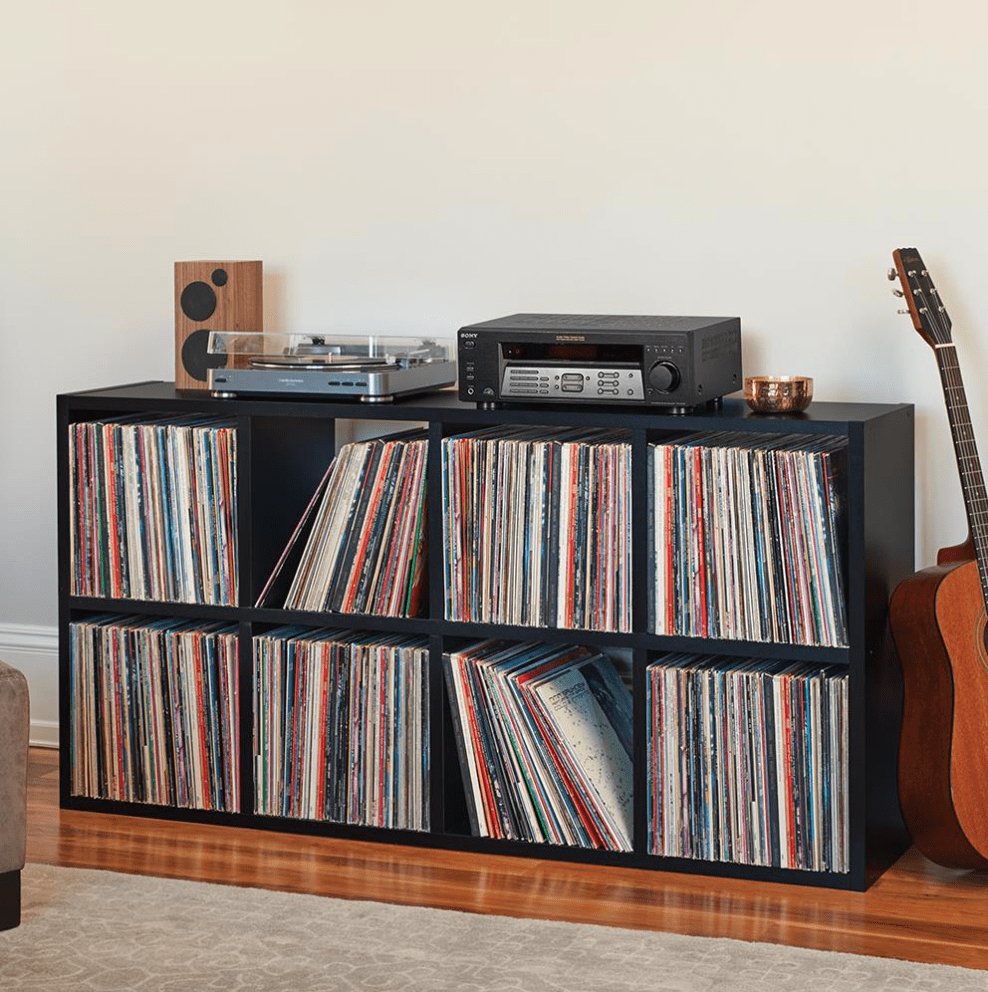
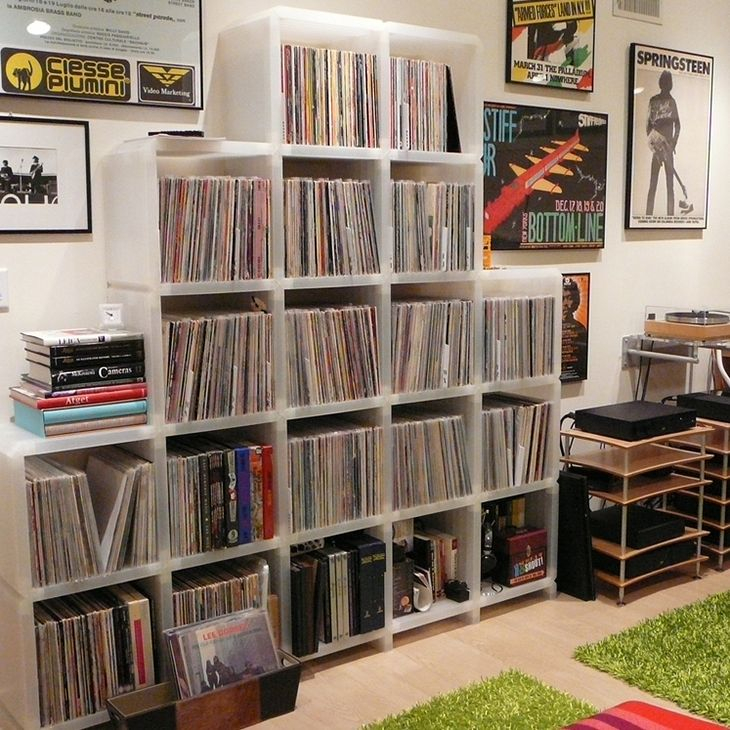
So, how do forward-facing bins stack up against other options? Let’s look at the alternatives. Spine-out shelving is common, but as we’ve discussed, it hides the art. It’s also prone to leaning if the shelves aren’t perfectly level. Cardboard boxes are cheap, but they offer zero protection against moisture, pests, or physical damage. They’re temporary solutions that often become permanent headaches. Then there are vertical stackers, which can warp records if stacked too high. Each method has its flaws.
Forward-facing bins address these issues directly. They provide structural integrity, visual appeal, and ergonomic access. While they might cost more upfront than a cardboard box, the long-term value is undeniable. You’re investing in the longevity of your collection and your enjoyment of it. Brands like LPBIN have been leading this charge since 2008, refining their designs to meet the evolving needs of collectors. Their focus on quality materials and user-friendly features sets them apart from generic storage options.
It’s also worth noting the community aspect. Online forums and social media groups are filled with enthusiasts sharing their setups. The consensus is clear: forward-facing storage is the preferred choice for those who take their collections seriously. It’s not just a trend; it’s a standard. People are willing to pay for solutions that work because they understand the value of their vinyl. In a market flooded with cheap imitations, sticking to proven, high-quality designs ensures you get what you pay for. Don’t settle for less when your music deserves better.
If you’re convinced that forward-facing bins are the way to go, how do you start? First, assess your collection. How many records do you have? Are you planning to grow? Choose a unit that fits your current size but allows for some expansion. It’s better to have a little extra space than to cram records in. Measure your space carefully. Consider wall-mounted options if floor space is limited, or freestanding units if you want flexibility.
Next, think about organization. Before you load up your new bins, take the time to sort your records. This is a great opportunity to declutter. Get rid of duplicates or albums you no longer love. Arrange them in a way that makes sense to you. Alphabetical is classic, but genre or mood-based sorting can be more fun for browsing. Use dividers if needed to keep sections distinct. The goal is to make finding what you want as easy as possible.
Finally, maintain your setup. Dust your bins regularly. Check for any signs of wear or damage. Keep your records clean before putting them back. A little maintenance goes a long way in preserving both your storage unit and your vinyl. And remember, it’s okay to experiment. Try different arrangements. See what feels right. Your collection is personal, and your storage should reflect that. Enjoy the process. It’s not just about organizing; it’s about curating an experience that brings you joy every single day.
In the end, the shift toward forward-facing bins is about more than just storage. It’s about reclaiming the ritual of vinyl. It’s about slowing down and appreciating the physical medium in a digital world. It’s about making your music visible, accessible, and beautiful. As we move further into 2026, this approach continues to gain traction because it works. It honors the music, the art, and the listener. So, why hide your records away? Bring them out. Let them shine. You might just fall in love with your collection all over again.