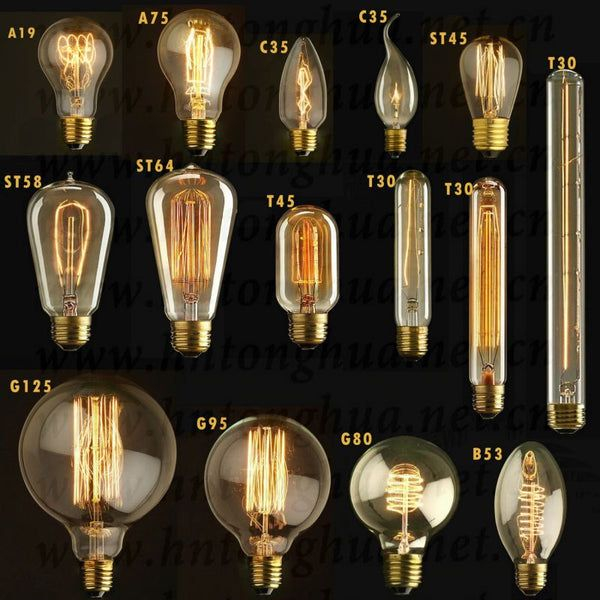
You know that feeling when you walk into a room lit by those old-fashioned Edison bulbs? It’s different. It’s softer. Warmer. There’s a certain rhythm to the light, a tiny, almost imperceptible pulse that feels alive. In an age where everything is sharp, bright, and efficient, these bulbs feel like a hug from the past. But have you ever stopped to wonder why they do that? Why does that filament dance?
It’s not just your imagination. And it’s definitely not a defect. That gentle flicker is a complex interplay of electricity, heat, and human perception. It’s physics putting on a show. As we move further into 2026, with LED technology dominating every corner of our lives, the appeal of these "imperfect" lights has only grown. We crave the authenticity. We want the science that feels human. Let’s pull back the glass envelope and see what’s really happening inside.
The Heart of the Matter: Tungsten and Heat
At the core of every antique-style bulb is a simple, yet brilliant piece of engineering: the tungsten filament. This thin wire is the star of the show. When you flip the switch, electricity rushes through it. Tungsten is chosen because it has an incredibly high melting point, allowing it to get white-hot without turning into a puddle of metal. But here’s the thing—it doesn’t just glow instantly. It has to heat up.
This heating process is called incandescence. As the electrons bump into the tungsten atoms, they create friction, which generates heat. Once the filament reaches about 4,500 degrees Fahrenheit, it starts emitting visible light. But this isn’t a steady state. It’s a constant battle between heating up and cooling down. The filament is so thin that it reacts quickly to changes in energy. This thermal inertia—or lack thereof—is the first clue to understanding the flicker.
Think of it like a cast-iron skillet. If you turn the burner on and off rapidly, the pan’s temperature will fluctuate. The filament is similar, but much faster. It’s constantly trying to reach equilibrium with the electrical current feeding it. Because the current isn’t perfectly smooth, the heat isn’t either. And since light output is directly tied to temperature, the light pulses. It’s a direct, physical response to the energy it’s receiving. No computers, no chips. Just raw thermodynamics.
The Rhythm of the Grid: Alternating Current
Now, let’s talk about the power coming out of your wall. In North America, and many other parts of the world, we use Alternating Current (AC). This means the flow of electricity reverses direction 60 times per second. That’s 60 Hertz (Hz). In Europe and other regions, it’s 50 Hz. This reversal isn’t just a technical detail; it’s the heartbeat of the flicker.
Every time the current crosses zero—switching from positive to negative or vice versa—the power delivery drops to nothing for a split second. For a brief moment, no energy is hitting the filament. During these zero-crossings, the filament begins to cool. It doesn’t go dark completely, thanks to that thermal inertia we mentioned, but it dims slightly. Then the current surges back, heating it up again. This happens 120 times per second in a 60Hz system (since there are two peaks per cycle).
So, technically, the light is flickering at 120Hz. But here’s the kicker: our eyes don’t usually see it as a strobe effect. Why? Because the filament doesn’t cool down enough between cycles to go fully dark. It’s a subtle modulation of brightness, not an on-off switch. However, if you were to record it with a high-speed camera, you’d see the wave clearly. It’s a sinusoidal dance of light intensity. This rhythmic pulsing is baked into the very infrastructure of our homes. It’s unavoidable with standard AC power and incandescent tech.
Thermal Inertia: The Buffer Against Darkness
If the current drops to zero 120 times a second, why doesn’t the light just strobe like a disco ball? The answer lies in thermal mass. Tungsten holds heat. It takes time to heat up, and it takes time to cool down. This delay is called thermal inertia. It acts as a buffer, smoothing out the sharp edges of the AC waveform.
Imagine pushing a child on a swing. You don’t push them continuously; you give them a shove, then wait, then shove again. But the swing keeps moving during the pause. The filament is like that swing. The electrical "pushes" come 120 times a second, but the heat (the motion) persists through the gaps. The filament stays hot enough to keep glowing, even when the power dips.
However, this smoothing isn’t perfect. In modern LEDs, the electronics can convert AC to DC (Direct Current), which provides a constant flow. But in a vintage bulb, there are no capacitors or drivers to smooth the line. It’s just the wire and the gas. So, while the flicker is softened, it’s still there. The thickness of the filament matters too. Thicker filaments have more thermal mass and flicker less. Thinner filaments, often used in decorative bulbs for their delicate look, cool faster and flicker more noticeably. It’s a trade-off between aesthetics and stability.
The Human Eye: Perception and the Purkinje Effect
Here’s where it gets psychological. Even if the physics causes a flicker, do we actually see it? Sometimes yes, sometimes no. The human eye and brain are complex processors. We have something called the Critical Fusion Frequency (CFF). This is the rate at which a flickering light appears steady to us. For most people, under normal lighting, this is around 50-90 Hz. Since incandescent bulbs flicker at 120 Hz (in 60Hz regions), they usually appear continuous.
But wait. If you move your eyes quickly across the room, you might see a "strobe" effect with older bulbs. This is because your retina captures images in snapshots. If the light dims between snapshots, your brain registers the variation. This is more common with fluorescent lights, but it can happen with incandescents too, especially if you’re sensitive.
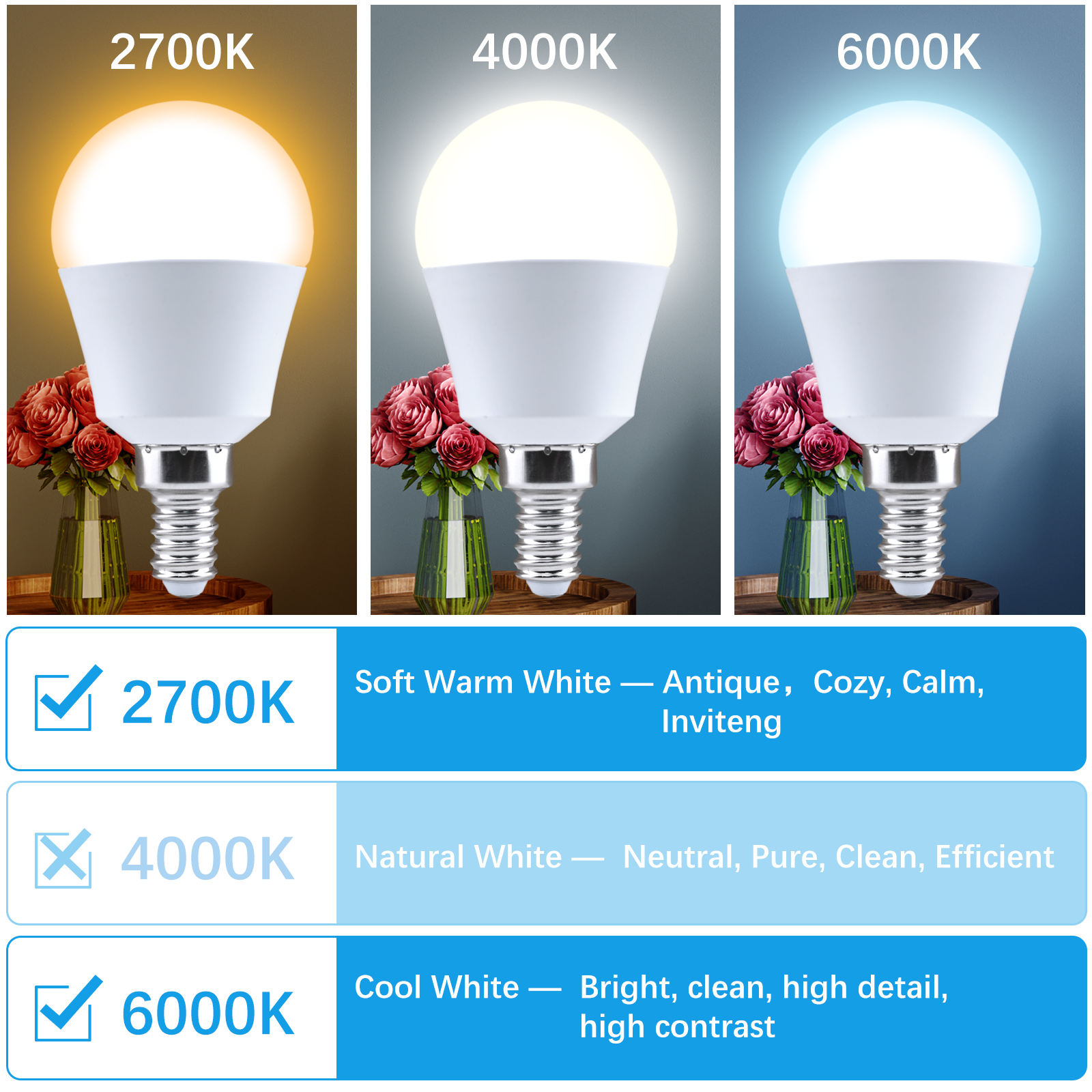
There’s also the color aspect. As the filament cools slightly during the dip in current, its color temperature shifts. It gets redder. Hotter is whiter/bluer; cooler is redder/orange. This subtle shift in hue, combined with the brightness change, creates that "warm" feeling. It’s dynamic. Modern LEDs often lack this spectral shift, making them feel flat or sterile. Our brains associate this dynamic, warm, slightly pulsing light with fire, candles, and sunset. It triggers a relaxation response. It’s not just light; it’s a biological cue.
Design Choices: Filament Shape and Gas Fill
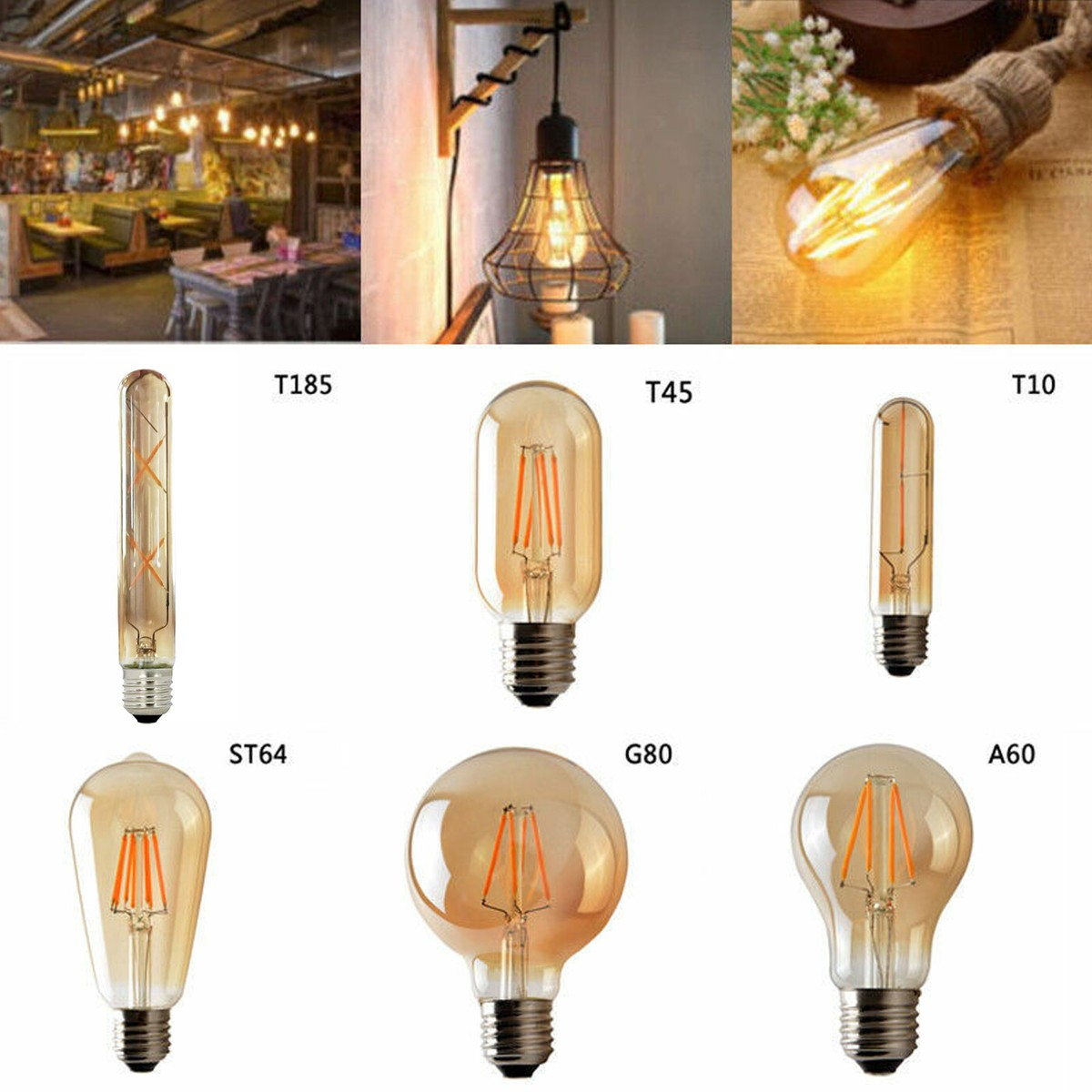
Not all antique bulbs flicker the same way. The design of the bulb plays a huge role. Look at the filament shape. Some are straight lines, others are intricate spirals or "squirrel cage" designs. These shapes aren’t just for looks. They affect how heat is distributed and radiated. A coiled filament packs more length into a small space, increasing resistance and heat retention. This can reduce the perceived flicker compared to a straight, thin wire.
Then there’s the gas inside. Early bulbs were vacuums, but modern reproductions often use inert gases like argon or nitrogen. These gases slow down the evaporation of the tungsten, making the bulb last longer. But they also conduct heat away from the filament differently than a vacuum. This convection current inside the bulb can cause minor fluctuations in cooling rates, adding another layer of complexity to the light output.
In 2026, manufacturers are tweaking these variables to balance nostalgia with performance. Some "vintage" LEDs try to mimic this flicker using software algorithms, pulsing the diode to simulate the thermal lag of tungsten. But purists argue it’s not the same. The random, organic nature of true thermal flicker is hard to replicate digitally. The imperfections in the filament, the slight variations in gas pressure, and the aging of the bulb all contribute to a unique signature. No two bulbs flicker exactly alike.
A common question pops up: Is that flicker bad for you? For most people, no. The 120Hz modulation of incandescent bulbs is generally considered safe and non-intrusive. Unlike some cheap LEDs that can flicker at lower frequencies due to poor driver quality, incandescent flicker is high-frequency and low-amplitude. It’s unlikely to trigger headaches or seizures in sensitive individuals.
However, context matters. If you’re using these bulbs for task lighting—like reading or detailed craft work—the slight modulation might cause eye strain over long periods. Your pupils are constantly adjusting to the tiny changes in brightness. For ambient lighting, though, it’s perfectly fine. In fact, many people find it soothing.
From a safety standpoint, the heat is the bigger concern. These bulbs are inefficient. Most of the energy becomes heat, not light. In 2026, energy regulations are stricter, pushing consumers toward LEDs. But antique-style incandescents still have a niche. They’re safe if used in fixtures rated for their wattage and heat output. Just don’t enclose them in tight, unventilated spaces. And remember, while the flicker isn’t dangerous, the fragility of the filament is. Vibrations can break them. So, keep them away from heavy footfalls or slamming doors. It’s part of their charm, but also their weakness.
So, what’s the takeaway? That nostalgic flicker isn’t a bug. It’s a feature. It’s the visible signature of a 19th-century technology interacting with our modern grid. It’s the glow of heated metal, breathing in rhythm with the alternating current. It connects us to a slower time, literally and figuratively.
As we surround ourselves with smart, static, hyper-efficient lighting, these bulbs offer a reminder of the physical world. They remind us that light is energy, that energy has a cost, and that beauty often lies in the imperfections. Whether you’re designing a cozy cafe in 2026 or just upgrading your living room lamp, understanding the science helps you appreciate the art.
Next time you see that gentle pulse, don’t worry about it. Lean into it. Let it relax you. It’s just physics, doing its best to make your evening a little warmer. And honestly? We could all use a bit more of that warmth.