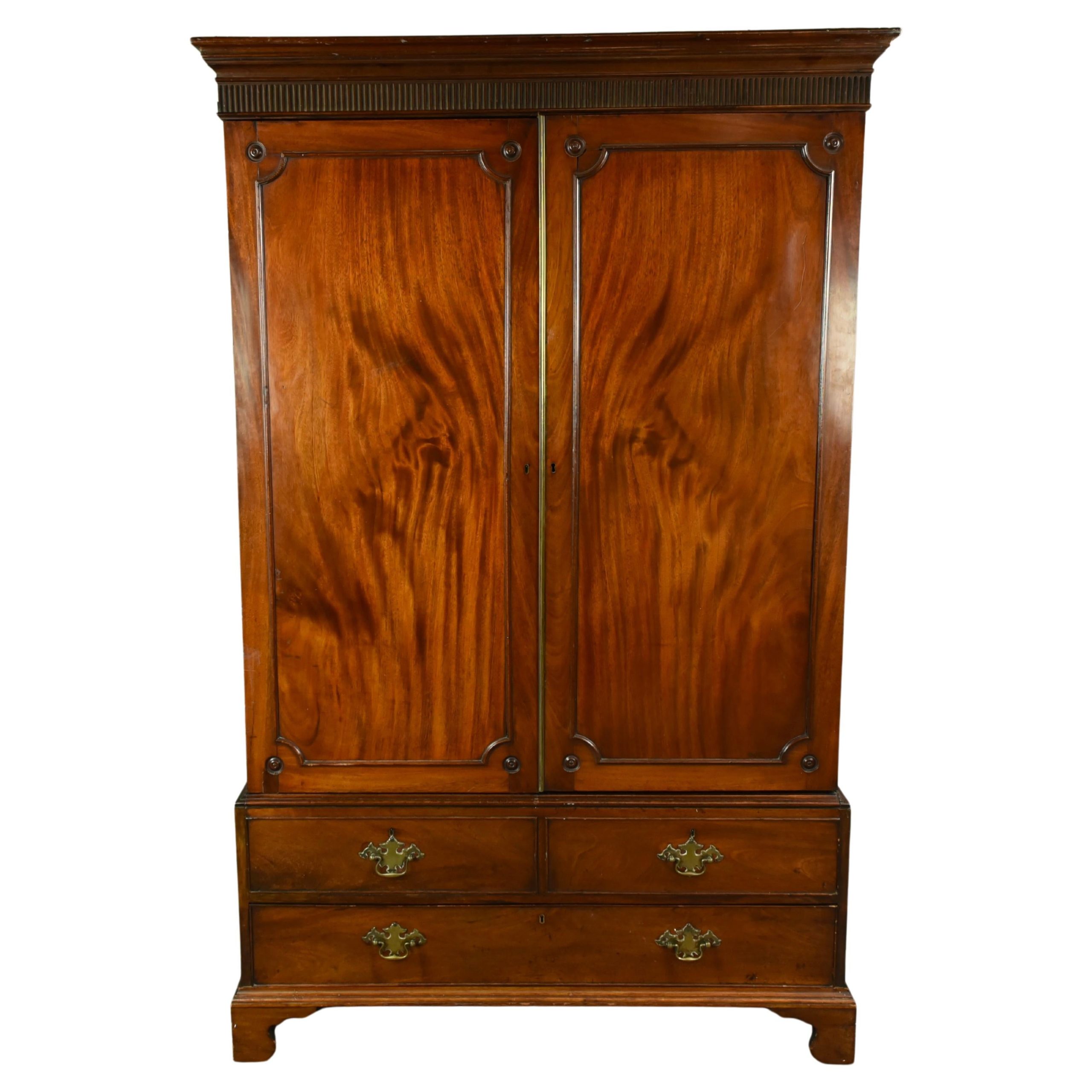
You know that feeling when you walk into your bedroom and it just feels… off? Maybe the closet door sticks. Or maybe you’re tripping over piles of clothes because there’s simply nowhere else for them to go. It’s frustrating. We’ve all been there. In 2026, with homes getting smaller and our lives getting busier, the way we store our stuff matters more than ever. It’s not just about hiding mess; it’s about creating a sanctuary.
But here’s the kicker: standing in front of two beautiful, large wooden pieces, you might freeze. One is an armoire. The other is a wardrobe. They look similar, sure. But they aren’t the same. Choosing the wrong one can mean years of regret, awkward angles, and wasted space. So, how do you pick? It comes down to your life. Not just your room size, but how you actually live. Let’s dive in.
Understanding the Core Differences
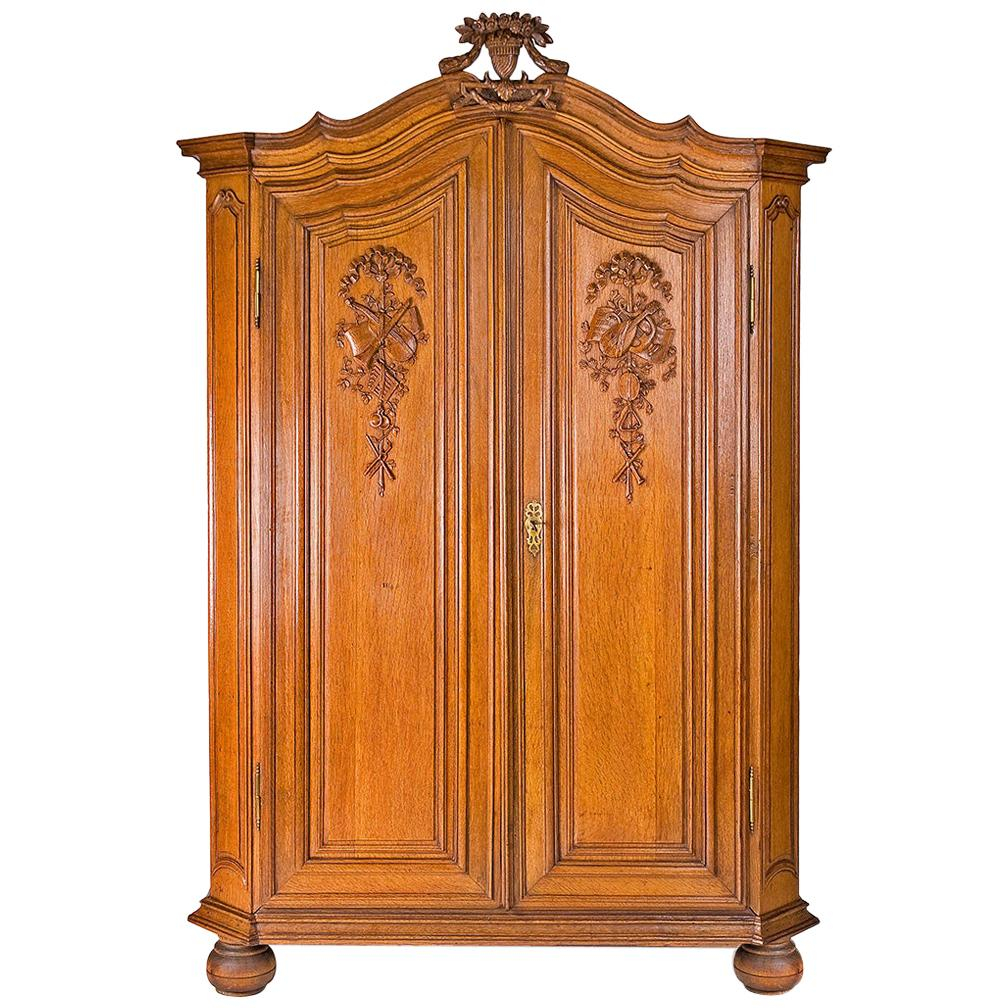
First things first. Let’s clear up the confusion. What exactly is the difference? Historically, an armoire was a tall, ornate cabinet used for storing weapons or armor (hence the name). Today, it’s evolved. It’s often deeper, heavier, and more decorative. Think of it as a statement piece. It might have shelves, drawers, and sometimes even a mirror inside. It’s meant to be seen.
A wardrobe, on the other hand, is purely functional. Its main job? Hanging clothes. It’s usually shallower than an armoire and focuses on a hanging rod. Sure, it might have a drawer or two at the bottom, but the primary design is for hangers. It’s the workhorse of the bedroom. If you have a lot of suits, dresses, or coats that wrinkle easily, the wardrobe is your best friend.
The distinction has blurred a bit in recent years, especially with flat-pack furniture trends. But the soul of each piece remains. An armoire says, "Look at me." A wardrobe says, "I’ve got your back." Knowing this helps you decide what your room needs. Do you need art? Or do you need utility?
Assessing Your Space and Layout
Before you buy anything, grab a tape measure. Seriously. Don’t guess. In 2026, urban living spaces are compact. Every inch counts. An armoire is typically deeper—often 24 inches or more. It protrudes into the room. If your bedroom is narrow, an armoire might block walkways or make the room feel cramped. You need to visualize the footprint.
Wardrobes are generally slimmer. Many modern designs are only 20-22 inches deep. This makes them ideal for tight corners or alongside beds where space is premium. Also, consider the doors. Armoires often have solid, heavy doors that swing out wide. Do you have room for that swing? If not, you might hit your nightstand or wall.
Some wardrobes come with sliding doors. These are lifesavers in small rooms because they don’t require clearance to open. If you’re dealing with a quirky layout—like a sloped ceiling or an awkward nook—an armoire might fit better vertically due to its height, while a wardrobe fits better horizontally. Measure twice. Buy once. It’s cliché because it’s true.
Matching Your Clothing Habits
Let’s talk about your clothes. Be honest. What’s in your closet right now? If you’re someone who lives in jeans and t-shirts, you probably fold most of your items. You don’t need a massive hanging rod. You need shelves and drawers. An armoire usually offers more versatile internal configurations. You can stack sweaters, store shoes on lower shelves, and keep accessories in smaller compartments.
But if you’re a professional who wears blazers, silk shirts, or long dresses every day, folding isn’t an option. Wrinkles are the enemy. A wardrobe is designed specifically for this. The hanging space is optimized. Some even have double rods to maximize vertical space for shorter items like shirts and pants.
Think about your seasonal rotation too. Do you swap out entire wardrobes (the clothes, not the furniture) every few months? An armoire with deep shelves is great for storing off-season bins or bulky winter coats. A wardrobe might struggle with bulk unless it’s extra wide. Your lifestyle dictates the function. Don’t fight your habits. Work with them.
Aesthetic and Design Preferences
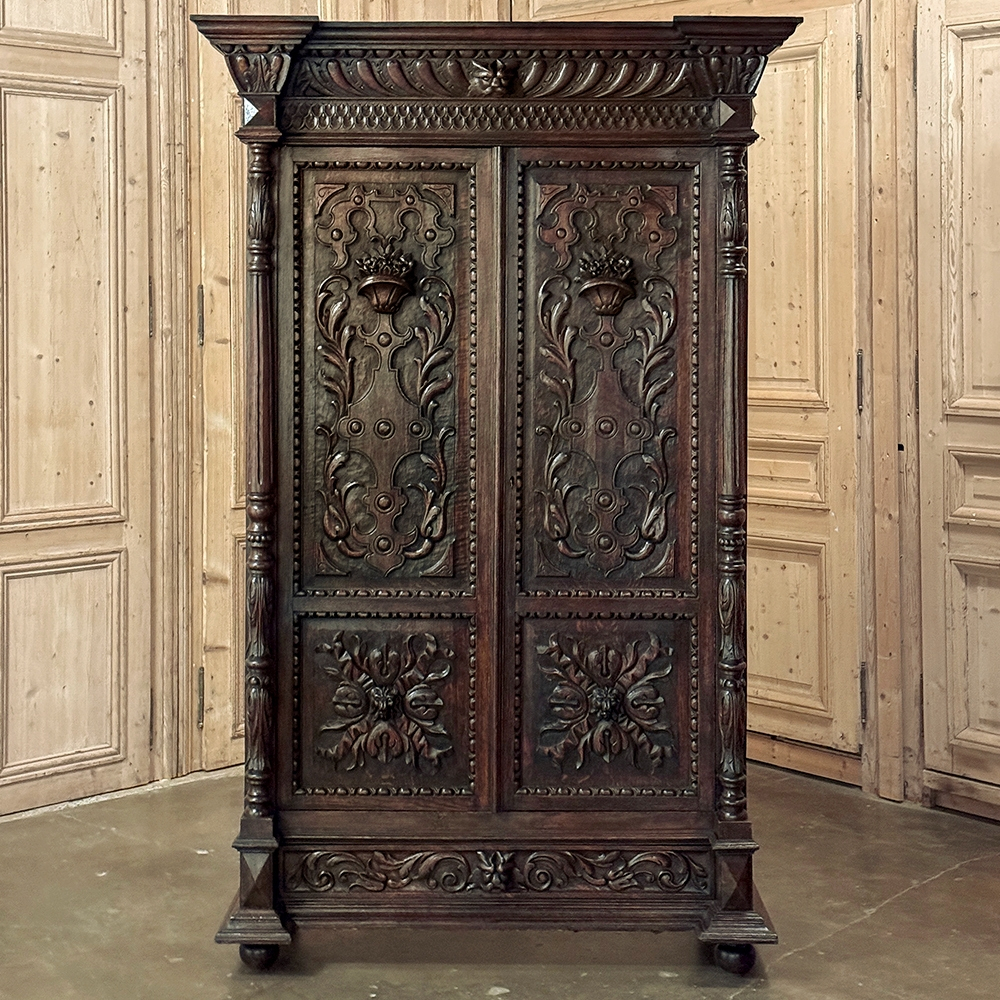
Style matters. We can’t ignore it. Furniture is part of your home’s personality. Armoires are often the divas of the room. They feature intricate carvings, rich woods, and bold hardware. If you love vintage, rustic, or maximalist decor, an armoire anchors the space. It adds warmth and character. In 2026, there’s a huge trend toward "heirloom" pieces that feel timeless. An armoire fits this bill perfectly.
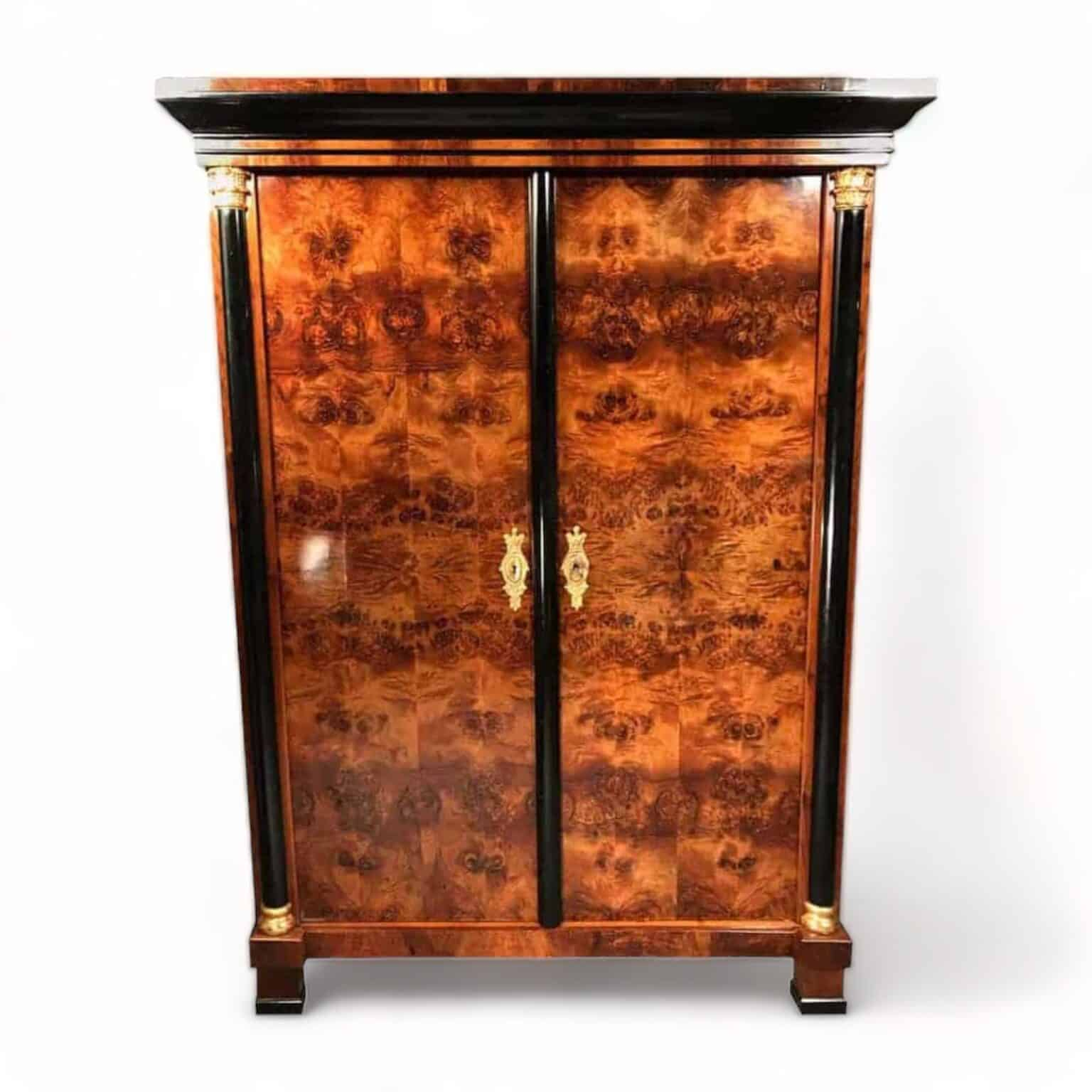
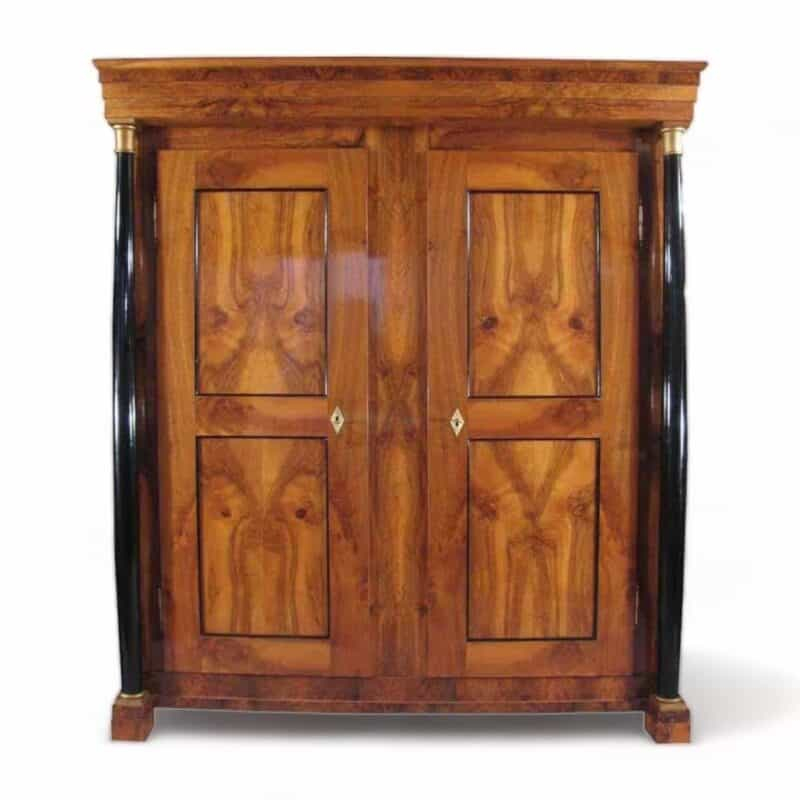
Wardrobes tend to be simpler. Clean lines. Minimal ornamentation. They blend in. If your style is modern, minimalist, or Scandinavian, a wardrobe won’t compete with your other decor. It stays quiet. It lets your bed or artwork shine. However, don’t think wardrobes have to be boring. Many contemporary designs use mixed materials—glass, metal, light oak—to create a sleek look.
Consider the finish too. An armoire often looks best as a standalone focal point. A wardrobe can be part of a built-in look. If you plan to add more storage later, a modular wardrobe system might be easier to expand. An armoire is usually a one-and-done purchase. Which vibe feels more like you?
Budget and Long-Term Value
Let’s talk money. Generally, armoires are more expensive. Why? More material. More craftsmanship. Heavier construction. If you’re on a tight budget, a basic wardrobe might be the smarter choice. You can find affordable, flat-pack wardrobes that do the job well. They’re practical and easy to replace if you move.
However, think long-term. An armoire is an investment. High-quality wood armoires can last decades. They often hold their value or even appreciate if they’re antique or well-made. In a resale market, a beautiful armoire can be a selling point for your home. It shows attention to detail.
Wardrobes, especially cheaper ones, might wear out faster. Hinges can loosen. Sliding tracks can jam. If you plan to stay in your home for ten plus years, spending more on a sturdy armoire might save you money in the long run. But if you’re renting or moving soon, a lightweight wardrobe is easier to disassemble and transport. Know your timeline.
Still stuck? Here’s a cheat sheet. First, audit your current storage pain points. What annoys you most? Lack of hanging space? Go wardrobe. Too much clutter on surfaces? Go armoire. Second, bring photos of your room to the store. Or use an AR app on your phone. Most major retailers in 2026 offer augmented reality tools to visualize furniture in your space. Use them.
Third, check the interior. Don’t just look at the outside. Open the doors. Are the shelves adjustable? Can you move the hanging rod? Flexibility is key. Life changes. Your storage should adapt. Fourth, read reviews specifically about durability. Look for comments on hinges and drawer slides. These are the first things to break.
Finally, trust your gut. When you stand in front of the piece, does it feel right? Does it make you feel organized and calm? Or does it feel imposing? Furniture should serve you, not stress you out. Take your time. Sleep on it. It’s a big decision, but it’s also an exciting one. You’re curating your space.
Choosing between an armoire and a wardrobe isn’t just about wood and hinges. It’s about how you want to live. It’s about ease, beauty, and function. By looking at your space, your clothes, your style, and your budget, you’ll find the perfect match. Don’t rush. The right piece will make your mornings smoother and your evenings calmer. And honestly? That’s worth getting right.