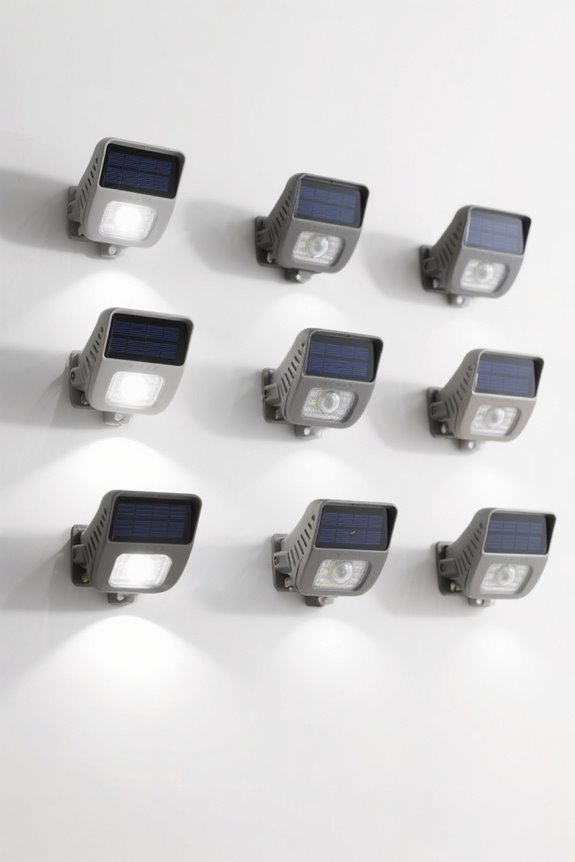
You know that feeling when you pull into your driveway at dusk? The sky is turning that deep, bruised purple, and the streetlights are just flickering on. But your house? It’s a dark silhouette. You fumble for your keys, maybe trip over a garden hose you forgot to coil up. It’s not exactly the warm welcome home you were hoping for. Now imagine if those porch lights had already glowed to life, perfectly timed to the fading light, guiding you to your door without you lifting a finger. That’s the quiet magic of an astronomic timer.
For years, we’ve relied on clunky mechanical dials or simple photocells that guess when it’s dark enough to turn on the lights. But those old methods have flaws. Photocells can get confused by a passing car’s headlights or a sudden storm. Mechanical timers need constant tweaking as the days get longer or shorter. Enter the astronomic timer. It’s a small device with a big brain, one that knows exactly when the sun rises and sets at your specific location, every single day of the year. It’s like having a personal astronomer living in your electrical panel.
This isn’t just about convenience, though that’s a huge part of it. It’s about creating a home that feels alive and responsive. It’s about security, energy savings, and taking one more tiny mental load off your plate. In 2026, with smart home tech everywhere, the astronomic timer remains a unsung hero because it’s reliable, simple, and doesn’t require Wi-Fi or an app to function. Let’s dive into how these devices work and why they might be the simplest upgrade you make to your home this year.
What Exactly Is an Astronomic Timer?
So, what makes an astronomic timer different from the regular timer you might buy at the hardware store? A standard timer is dumb. It operates on a fixed schedule. You set it to turn on at 6 PM and off at 10 PM. That works fine in December when it gets dark early. But come June? Your lights turn on while it’s still bright out, wasting electricity and looking silly. You’d have to manually adjust the timer every few weeks to keep up with the changing seasons. Who has time for that?
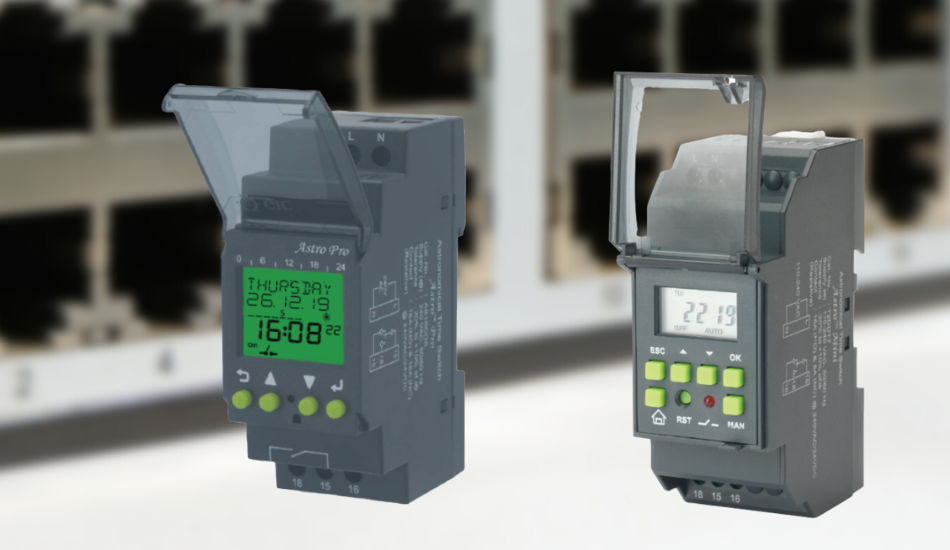
An astronomic timer, also known as an astronomical time switch, is smart. It contains a microprocessor loaded with algorithms that calculate sunrise and sunset times based on two things: the date and your geographical coordinates (latitude and longitude). Once you input your location during setup, the device does the rest. It automatically adjusts the on and off times every single day, shifting by minutes as the seasons change. It knows that in summer, sunset might be at 8:45 PM, but in winter, it’s at 4:30 PM. And it handles the transition seamlessly.
Think of it as a "set it and forget it" solution. You install it, tell it where you live, and maybe set a slight offset (like turning lights on 15 minutes before sunset), and then you never touch it again. It’s a hands-off approach to automation that doesn’t rely on internet connectivity or complex smart home hubs. It’s robust, reliable, and just works. For homeowners who want automation without the hassle of troubleshooting Wi-Fi connections or updating apps, this is the gold standard.
How It Works: The Science Behind the Simplicity
The technology inside isn’t rocket science, but it is clever. When you first install an astronomic timer, you’ll typically use a small interface—either buttons on the device itself or a companion app—to enter your zip code or specific latitude and longitude. Some newer models even use GPS or internet connectivity once during setup to pinpoint your location automatically. Once that data is stored, the internal clock takes over.
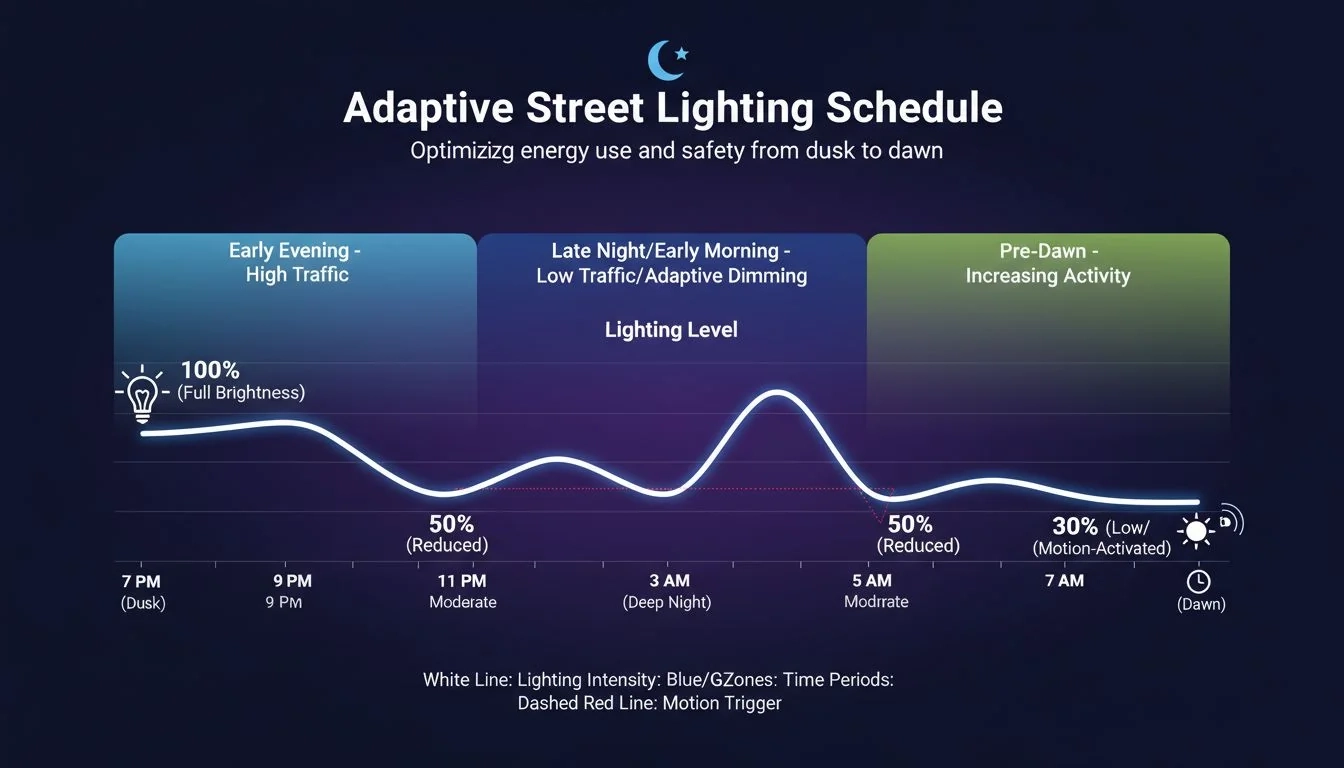
The device references a built-in table of solar data. Every day at midnight (or whenever its internal cycle resets), it calculates the exact times for dawn and dusk for that specific day at your location. It then triggers the relay switch to turn your connected devices on or off at those calculated times. You can usually add offsets too. For example, you might want your landscape lights to turn on 20 minutes before sunset so they’re already glowing as the light fades. Or you might want your porch light to stay on until 11 PM regardless of when sunrise is. These preferences are easy to program.
Unlike photoelectric sensors (dusk-to-dawn sensors), which react to ambient light levels, astronomic timers are predictive. This is a key distinction. A photocell might turn on your lights during a heavy thunderstorm at noon because it’s dark, or fail to turn them on if a streetlamp nearby casts a glow on the sensor. An astronomic timer ignores weather conditions. It sticks to the schedule dictated by the earth’s rotation and your position on it. This consistency is crucial for security lighting and maintaining a consistent aesthetic for your home’s exterior.
Beyond the Porch Light: Versatile Applications
Most people think of astronomic timers solely for outdoor lighting, and sure, that’s the most common use case. Your porch light, pathway lights, floodlights, and decorative landscape lighting are perfect candidates. But why stop there? These devices can control any electrical load within their capacity. In 2026, homeowners are getting creative.
Consider your irrigation system. While many modern sprinkler controllers have their own smart scheduling features, an astronomic timer can be used to control pump systems or specific zones that benefit from watering at optimal times relative to daylight. For instance, you might want a misting system on your patio to turn on only during the hottest part of the day, but an astronomic timer can help manage evening watering cycles to ensure plants aren’t sitting in moisture overnight, reducing fungal issues. It provides a hard-wired reliability that wireless smart valves sometimes lack.
They’re also great for signage and commercial applications. If you run a small business from home or have a backyard studio, an astronomic timer can ensure your exterior signage or security lights are always on during darkness, enhancing visibility and safety without you remembering to flip a switch. Some users even connect them to indoor lamps via smart plugs or hardwired circuits to simulate occupancy when they’re away on vacation, making it look like someone is home by syncing with natural light patterns rather than arbitrary clocks.
Astronomic Timers vs. The Competition
It’s worth comparing astronomic timers to other common automation tools to see where they fit. First, there’s the basic mechanical timer. These are cheap and simple, with little pins you push in to set on/off times. But they’re inaccurate, prone to breaking, and require manual adjustment for seasonal changes. They’re a relic of the past. Then there are digital 7-day timers, which allow different schedules for weekdays and weekends. These are better, but you still have to manually update them twice a year for daylight saving time and seasonal shifts.
Next, we have photocells or dusk-to-dawn sensors. These are popular for porch lights because they’re incredibly easy to install—often just screwing a bulb into a socket with a built-in sensor. However, they’re reactive, not predictive. As mentioned, they can be fooled by external light sources. They also don’t offer the flexibility of turning lights off at a specific time; they stay on until dawn. If you want your landscape lights off at midnight to save energy and reduce light pollution, a photocell won’t help you.
Finally, there are smart home systems (Wi-Fi or Zigbee/Zwave enabled). These offer immense flexibility and remote control via apps. You can change schedules from your phone, integrate with voice assistants, and create complex routines. But they depend on your home network. If your Wi-Fi goes down, your automation might fail. They also require setup, maintenance, and occasional troubleshooting. An astronomic timer is a middle ground: it offers the automatic seasonal adjustment of a smart system but with the rock-solid reliability of a hardwired device. No Wi-Fi? No problem. It just keeps working.
Choosing the Right Timer for Your Needs
Not all astronomic timers are created equal. When shopping in 2026, you’ll find several form factors. The most common is the in-wall switch replacement. These look like standard light switches but have the astronomic functionality built-in. They’re perfect for controlling a single circuit, like your front porch or backyard lights. Installation is straightforward if you’re comfortable with basic electrical work, but always consult a licensed electrician if you’re unsure.
For more robust needs, consider a panel-mounted astronomic timer. These install directly into your main electrical breaker panel. They’re ideal for controlling multiple circuits or high-load applications, like entire landscape lighting systems, parking lot lights, or large signage. They’re more expensive and require professional installation, but they offer centralized control and higher durability. Brands like GEYA and Anssin offer reliable options in this category.
There are also plug-in astronomic timers. These are less common but exist for specific uses, like controlling low-voltage landscape lighting transformers or holiday decorations. They plug into an outdoor-rated outlet and provide the switched output to your device. They’re a good retrofit option if you don’t want to mess with wiring. When choosing, check the amperage rating to ensure it can handle your load, look for weather-resistant ratings (IP65 or higher) for outdoor units, and verify that the interface is user-friendly. Some models now include battery backups to retain settings during power outages, a handy feature.
Installing an astronomic timer doesn’t have to be daunting. If you’re replacing an existing switch, start by turning off the power at the breaker. Double-check it’s off with a voltage tester. Safety first, always. Remove the old switch, note which wires are connected (take a photo if it helps), and connect the new timer according to the manufacturer’s instructions. Most will have line (power in), load (power out to lights), neutral, and ground wires. Ensure your box has a neutral wire, as most digital timers require it.
Once wired, power it back on and proceed with setup. Enter your location accurately. Even being a few miles off can result in timing errors of several minutes over the course of a year. Set your desired offsets. A common recommendation is to turn lights on 15-30 minutes before sunset and off at a fixed time (like 11 PM) or at sunrise. Test the system. You can often manually override the timer to test the lights immediately.
Maintenance is minimal. Check the device annually to ensure the time and date are correct, especially after power outages if it lacks a battery backup. Clean any photocells if your unit has a hybrid sensor (some allow manual override based on light levels). Keep the firmware updated if it’s a smart-connected model. Otherwise, just enjoy the fact that your lights are now perfectly synced with the rhythm of the sun, year-round, without another thought from you. It’s a small change that makes a big difference in how your home feels and functions.
In the end, an astronomic timer is about reclaiming a bit of ease in your daily life. It’s one less thing to remember, one less switch to flip, one less worry about whether the house looks welcoming when you arrive. It blends technology with nature, using the predictable movement of the earth to simplify your routine. Whether you’re illuminating a path for late-night guests, securing your perimeter, or just adding a touch of warmth to your evening, these devices deliver consistent, effortless performance.
They represent a shift towards smarter, more intuitive home maintenance. Instead of fighting against the changing seasons, you work with them. The timer adapts, so you don’t have to. In a world full of complex smart home gadgets that demand attention, the astronomic timer stands out for its simplicity and reliability. It’s a testament to the idea that the best technology is often the kind you don’t notice—it just works.
So, if you’ve been tripping over hoses in the dark or wasting energy on lights that turn on too early, consider making the switch. It’s a small investment for a significant improvement in comfort, security, and peace of mind. Your future self, arriving home to a perfectly lit porch on the shortest day of winter, will thank you.