You know that feeling. You’re standing in your kitchen, staring at your beautiful butcher block island. It looks a bit dry. Maybe there’s a water ring from last night’s dish drying. You reach for that bottle of oil sitting under the sink—the one you bought six months ago on a whim because the label said "natural." But then you pause. Is it actually safe? If you slice bread on this surface tomorrow, are you eating wood finish? It’s a weird thought, but it sticks. We’ve all been there, hovering with a rag, unsure if we’re protecting our investment or just making a greasy mess that might be harmful.
The market is flooded with options. Some promise miracle protection. Others claim to be "food grade" but list ingredients you can’t pronounce. In 2026, the push for non-toxic living isn’t just a trend; it’s a standard. People want clarity. They don’t want to spend hours researching chemical compounds just to keep their kitchen counters looking nice. You deserve a straightforward answer. No fluff. No marketing jargon. Just the truth about what works, what’s safe, and how to keep your wood happy without compromising your health.
Let’s cut through the noise. This isn’t about selling you a specific brand. It’s about understanding the science of wood and oil so you can make a choice that feels right. Whether you have maple, walnut, or oak, the principles remain the same. We’ll look at the top contenders, debunk some persistent myths, and give you a clear path forward. By the end of this, you won’t be guessing anymore. You’ll know exactly what to reach for.
The Big Three: Mineral, Tung, and Walnut
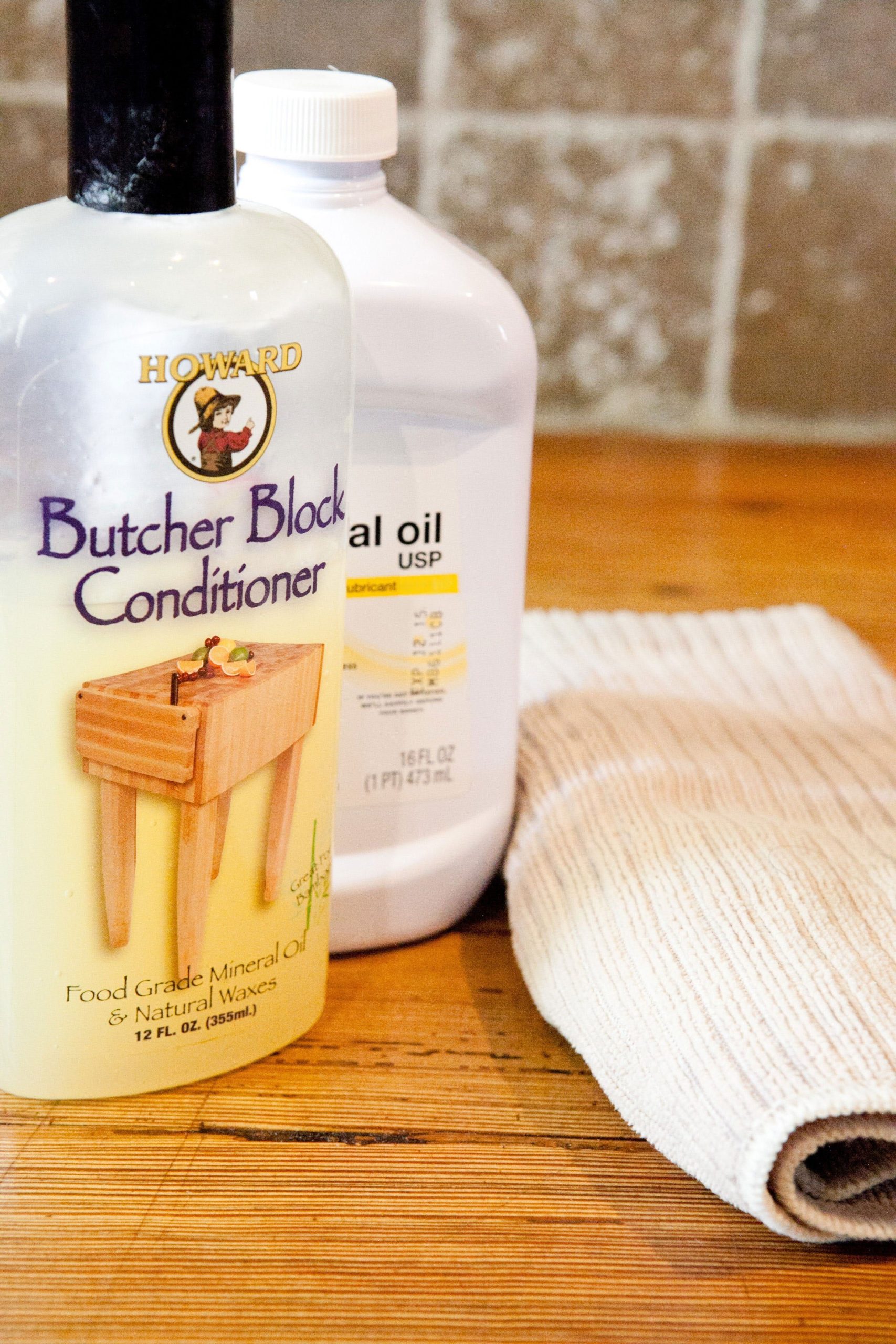
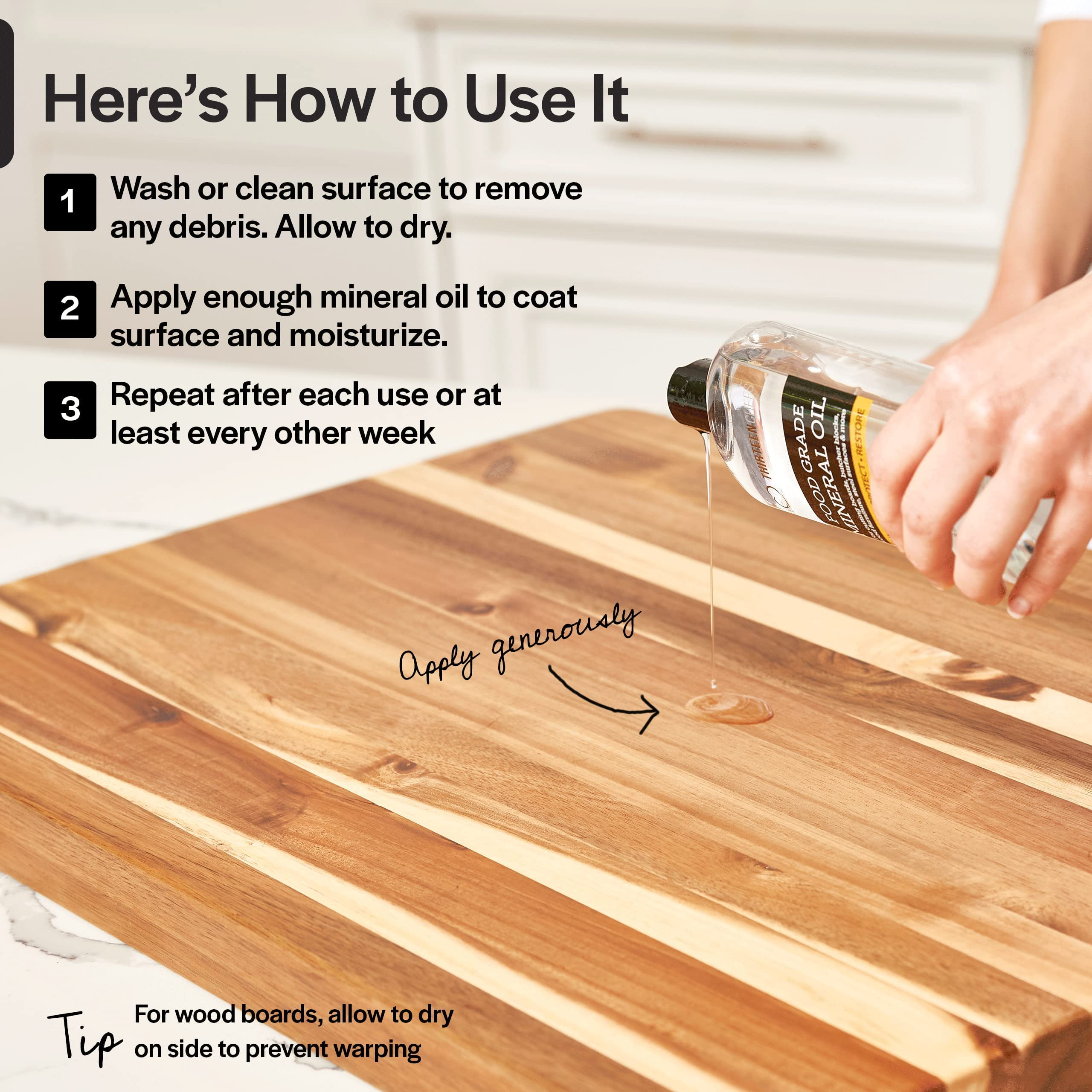
When it comes to food-safe finishes, three names come up again and again. Mineral oil, tung oil, and walnut oil. These aren’t just random choices; they represent different approaches to wood care. Mineral oil is the classic. It’s cheap, easy to find, and completely inert. That means it doesn’t go bad. It doesn’t oxidize. It just sits in the wood fibers, repelling water. But here’s the catch: it never hardens. Because it stays liquid, it needs frequent reapplication. If you forget to oil your counter for a month, it might look parched again. It’s low maintenance in terms of application ease, but high maintenance in terms of frequency.
Then there’s tung oil. This is a favorite among woodworkers for a reason. Unlike mineral oil, pure tung oil polymerizes. That’s a fancy word meaning it hardens when exposed to air. It creates a more durable barrier against water and stains. It gives wood a warm, amber glow that many people love. However, you have to be careful. Not all "tung oil" products are pure. Many are blends with varnishes or solvents that aren’t food-safe. You need to look for 100% pure tung oil. It takes longer to cure—sometimes days—and it has a distinct smell while drying. But once it’s set, it’s tough. Really tough.
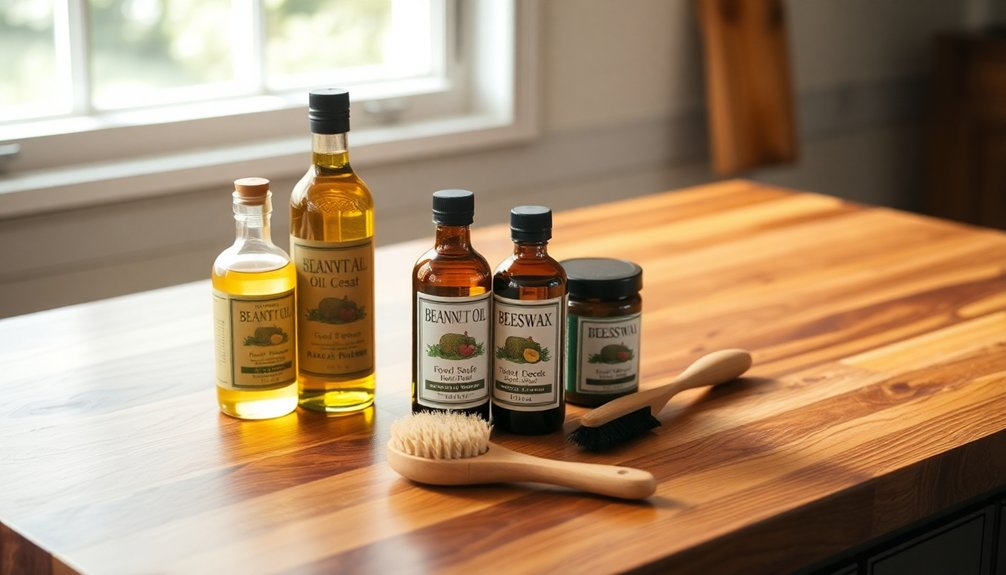
Walnut oil is the middle ground. It’s a natural, food-grade option that penetrates well and offers a rich color. Refined walnut oil is key here because unrefined versions can go rancid. That’s the biggest risk with nut-based oils. If they aren’t processed correctly, they can spoil inside the wood, leading to unpleasant odors and potential bacterial growth. But high-quality, refined walnut oil is stable. It’s allergen-free in its refined state, making it safe for most households, though those with severe nut allergies might still want to steer clear just to be safe. It’s easier to apply than tung oil and lasts longer than mineral oil.
Understanding "Food Safe" vs. "Non-Toxic
Here is where things get tricky. You’ll see labels saying "non-toxic" and "food safe." Are they the same thing? Not exactly. "Non-toxic" usually means the product won’t harm you if you touch it or breathe in the fumes during application. It doesn’t necessarily mean you should eat off it. "Food safe," on the other hand, implies that once cured, the finish is safe for direct contact with food. This is a crucial distinction for countertops. You’re chopping veggies, rolling dough, and setting down hot plates. You need a finish that can handle that intimacy.
In 2026, regulations are tighter, but confusion persists. Some finishes are labeled "indirect food contact" safe. This means they’re okay for tables or chairs, but maybe not for cutting boards. For a countertop, especially one you use as a prep surface, you want direct food contact safety. Look for certifications or explicit statements from the manufacturer. If a product says "complies with FDA regulations for indirect food contact," dig deeper. Does it say "direct"? If it’s vague, it’s probably best to avoid it for your main workspace.
Another angle is the curing process. A finish might be made of safe ingredients, but if it doesn’t cure properly, it can leach chemicals or remain tacky. Tackiness attracts dirt and bacteria. That’s why proper application matters as much as the product itself. Rushing the process can turn a food-safe oil into a hygiene hazard. Patience is part of the safety protocol. Letting the oil fully harden ensures that what’s on your counter stays in the wood, not on your salad.
The Myth of "One Coat Fits All
We love quick fixes. We want to wipe something on, wait five minutes, and be done. But wood isn’t uniform. Different species absorb oil differently. Maple is dense and tight-grained. It drinks oil slowly. Oak is open-grained and thirsty. If you treat them the same, you’ll end up with uneven results. Maple might look streaky if you apply too much oil at once, while oak might soak it up and still look dry. The "one coat" idea is a myth sold by marketers who want you to buy less product. In reality, multiple thin coats are always better than one thick glop.
Climate plays a huge role too. If you live in a dry environment, your wood will lose moisture faster. You might need to oil more often. In humid climates, wood swells and holds moisture, so you might not need to oil as frequently, but you need to watch for mold or mildew if the finish isn’t breathable. Ignoring your local environment is a common mistake. Your neighbor in Arizona and your cousin in Seattle will have different maintenance schedules, even if they have the same type of wood.
Also, consider usage. A countertop near the sink gets splashed constantly. A section used for chopping gets abused. These high-traffic zones need more attention. You can’t just oil the whole surface uniformly and forget it. Spot-treating worn areas is a smart strategy. It saves time and product. Pay attention to how your specific counter behaves. Does it feel rough after a week? Does water bead up or soak in? Let the wood tell you what it needs. It’s a conversation, not a monologue.
Application Mistakes That Ruin Protection
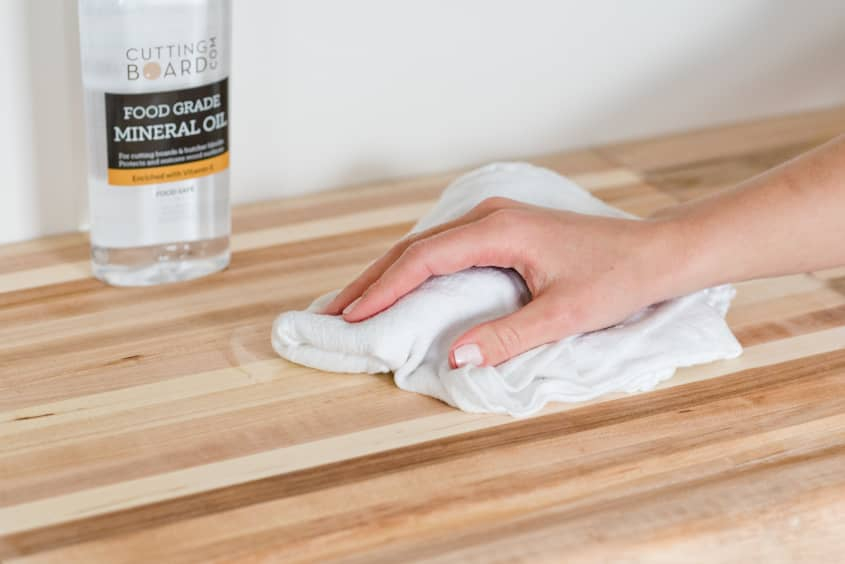
Even the best oil can fail if applied poorly. The most common error? Applying too much. People think more oil equals more protection. Wrong. Excess oil sits on the surface, attracting dust and becoming sticky. It never cures properly. The goal is saturation, not pooling. Apply a generous amount, let it soak in for 15-20 minutes, and then wipe off every drop of excess. I mean every drop. Use a clean, lint-free cloth. If you leave residue, you’re inviting problems.
Temperature matters during application. Most oils cure best at room temperature, around 70°F (21°C). If it’s too cold, the oil thickens and won’t penetrate. If it’s too hot, it might dry too fast on the surface before soaking in. Don’t oil your counters in a freezing garage or a sweltering attic. Bring the wood to a comfortable indoor climate first. Also, ensure the surface is clean and dry. Oil won’t penetrate dirt or old wax. Sanding lightly between coats can help open up the pores, especially for older counters that have built-up grime.
Timing is another pitfall. Rushing the cure time between coats leads to a weak finish. If the instructions say wait 24 hours, wait 24 hours. I know, it’s annoying. You want to use your kitchen. But layering wet oil over semi-cured oil creates a gummy mess that’s hard to fix. Plan your project for a weekend when you can cook elsewhere. Or work in sections. It’s inconvenient, yes, but the result is worth it. A properly cured finish lasts months. A rushed one fails in weeks.
When to Skip Oil Entirely
Is oil always the answer? No. Sometimes, oil isn’t enough. If you have a heavy-duty kitchen where you cook daily, spill wine, and chop aggressively, oil might not provide sufficient protection. Oil finishes are penetrating, meaning they’re inside the wood. They don’t form a hard shell on top. For high-abuse scenarios, you might consider a hard-wax oil or a durable varnish. Hard-wax oils combine the natural look of oil with the protective qualities of wax. They’re more resistant to stains and water rings.
Water-based polyurethanes are another option, though they’re less "natural." They create a plastic-like barrier on top of the wood. They’re incredibly durable and easy to clean, but they can look artificial. Some purists hate the look. But if durability is your top priority and you don’t mind a slightly less organic feel, it’s a valid choice. Just ensure it’s fully cured and certified food-safe before using the surface for food prep.
Epoxy resins are also gaining popularity for a modern, seamless look. They’re completely waterproof and impervious to stains. But they’re not breathable. If moisture gets trapped underneath, it can cause issues. And once epoxy is on, it’s hard to remove. It’s a commitment. For most home cooks, a high-quality oil or hard-wax blend strikes the right balance between aesthetics and function. But don’t be afraid to step outside the oil box if your lifestyle demands more armor.
Oiling your counter isn’t a one-and-done task. It’s a relationship. You need to check in regularly. A simple test: splash a few drops of water on the surface. If it beads up, you’re good. If it soaks in and darkens the wood, it’s time to oil. This visual cue is reliable and easy. Don’t rely on a calendar. Rely on the wood’s appearance. In winter, when heating dries out the air, you might oil every month. In summer, maybe every three months. Listen to the material.
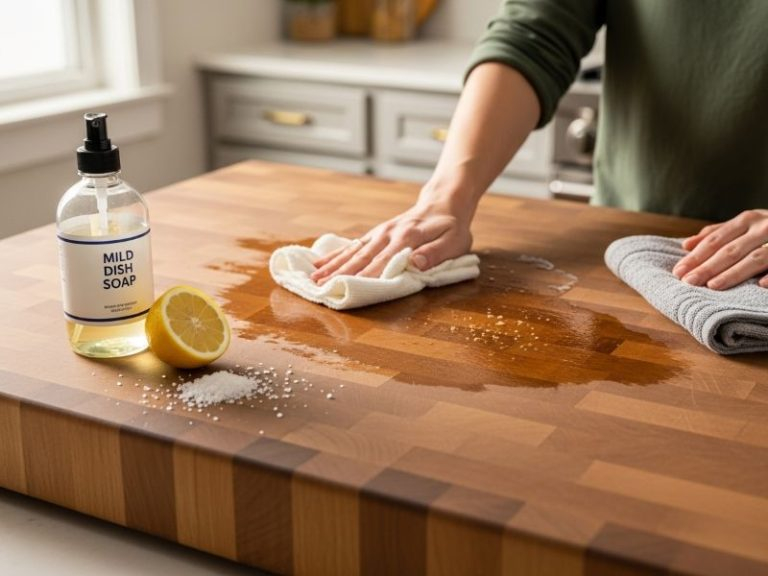
Cleaning matters too. Avoid harsh chemicals. Bleach and ammonia strip oil finishes. Stick to mild soap and water. For disinfecting, a vinegar solution works well, though don’t let it sit too long as acid can degrade some finishes over time. There are specific wood cleaners available that are gentle and pH-balanced. Using the right cleaner extends the life of your oil job. It’s a small habit that pays off.
Finally, embrace the patina. Wood changes. It darkens, it develops character marks, it tells the story of your meals. Don’t try to keep it looking brand new forever. That’s a losing battle. Aim for healthy, protected, and loved. Scratches can be sanded out and re-oiled. Stains can often be lifted with gentle abrasives. Your countertop is a living surface. Treat it with care, but don’t stress over every little mark. It’s supposed to be used. That’s the point.
Choosing the right oil doesn’t have to be a headache. By understanding the options—mineral for simplicity, tung for durability, walnut for balance—you can pick what fits your life. Remember that "food safe" means direct contact safety, and application technique is just as important as the product itself. Don’t fall for the one-coat myth, and be willing to adapt based on your wood type and climate. If oil feels too fragile, consider hard-wax blends or other sealers. Ultimately, regular maintenance and gentle cleaning will keep your counters beautiful and safe for years. Stop guessing. Start knowing. Your kitchen—and your health—will thank you.