You’ve probably seen them. Those lush, carpet-like patches of green sitting atop suburban garages, city townhouses, or even the flat roof of a local library. They look peaceful. Almost magical. Like nature decided to take a nap on someone’s shingles. But here’s the thing most people don’t realize right away: not all green roofs are built the same. In fact, there’s a huge difference between the kind you can walk around in with a cup of coffee, and the kind that just sits there, doing its job quietly without asking for much attention.
If you’re thinking about adding some greenery to your roof, you’ve likely stumbled across two terms that sound like they belong in a botany textbook: intensive and extensive. It sounds complicated, doesn’t it? But it’s actually pretty simple once you break it down. And if you talk to enough homeowners who’ve actually done it, you’ll hear a very clear trend emerging. Most of them aren’t building rooftop parks. They’re choosing the lighter, cheaper, easier option. They’re going extensive.
Why? Well, imagine you want a garden, but you don’t want to spend your weekends weeding, watering, and worrying about whether your tomato plants are getting enough sun. Now imagine that garden is on your roof, where carrying bags of soil up a ladder is a nightmare. That’s the vibe. People are busy. Life is expensive. And while the idea of a rooftop oasis is dreamy, the reality of maintaining one is often too much for the average household. So, they pick the path of least resistance. The extensive green roof. Let’s dig into why this choice makes so much sense for regular folks just trying to make their homes a bit greener.
The Weight of the World (and the Soil)
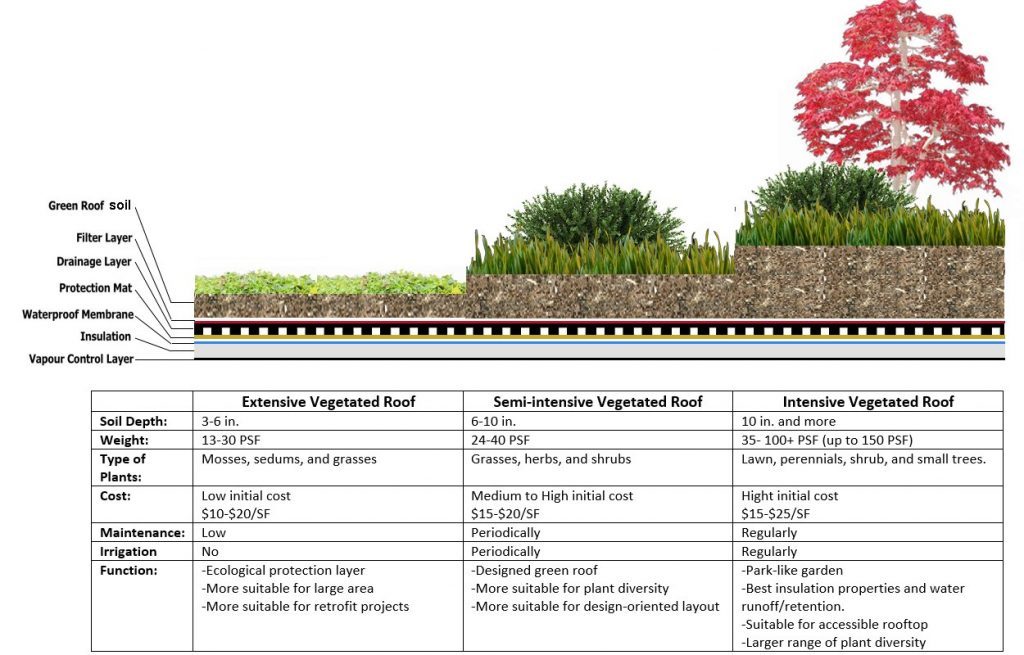
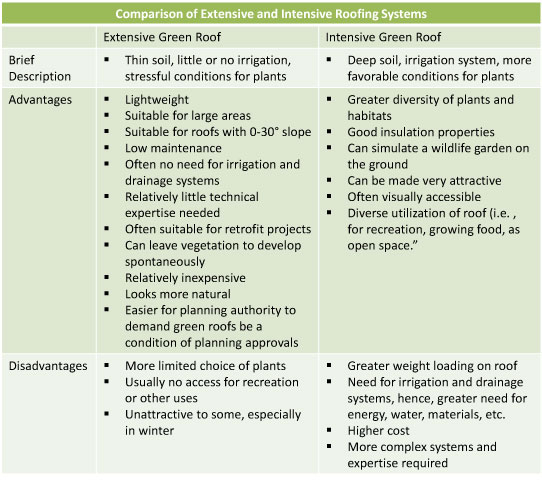
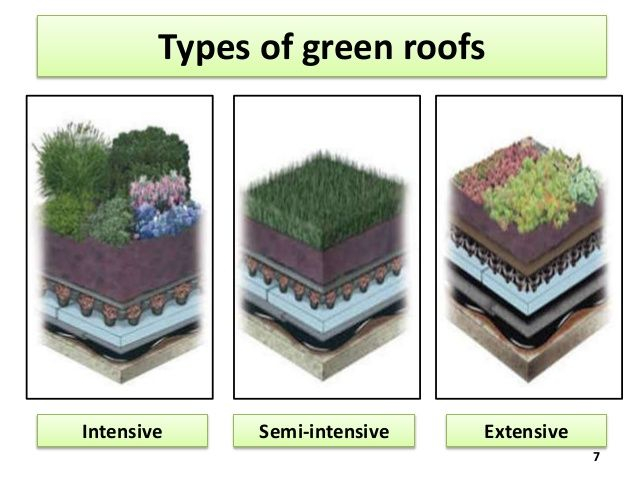
Let’s start with the most boring but arguably most important part: physics. Your house was built to hold up a roof, sure. But was it built to hold up a forest? Probably not. Intensive green roofs, the ones that look like traditional gardens, need deep soil. We’re talking anywhere from 15 centimeters to over 60 centimeters of dirt. That’s heavy. Really heavy. When you add water to that soil, plus the weight of shrubs, small trees, and maybe even a bench or two, the load on your structure skyrockets.
For many existing homes, this is a dealbreaker. To support an intensive system, you’d likely need to reinforce your roof joists, maybe even add steel beams. That’s not just a weekend DIY project; that’s a major construction overhaul. It requires engineers, permits, and a budget that can easily spiral out of control. In 2026, with construction costs still hovering near historic highs, few homeowners are eager to take on that kind of structural risk.
Extensive green roofs, on the other hand, are lightweights. They use shallow substrates, usually only about 7 to 15 centimeters deep. Instead of heavy topsoil, they use specialized lightweight mixes often containing volcanic rock or expanded clay. The plants? Mostly sedums, mosses, and hardy grasses. These guys have shallow roots and don’t need much depth. The total weight is a fraction of an intensive system. For most standard residential structures, an extensive roof can be installed without any major structural reinforcements. It’s a plug-and-play situation. You get the green benefit without the engineering headache.
The Wallet Factor: Upfront and Ongoing Costs
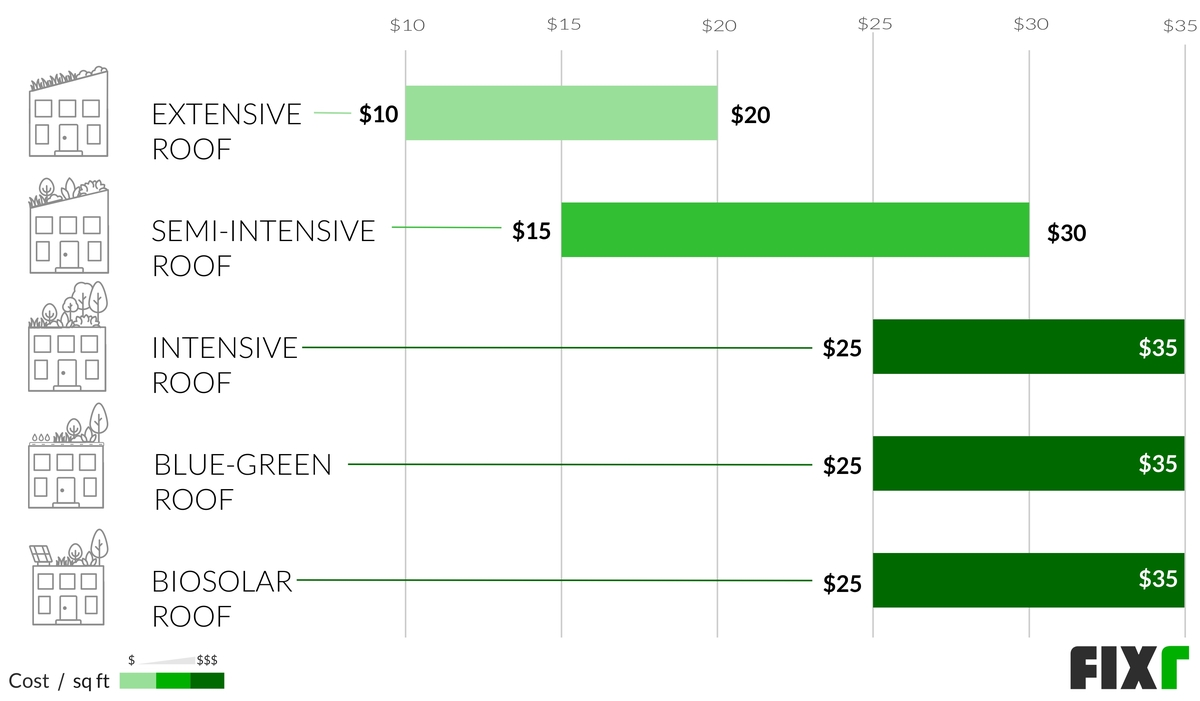
Let’s be real for a second. Money matters. A lot. When you’re looking at home improvements, the price tag is usually the first thing that stops you in your tracks. Intensive green roofs are expensive. Like, really expensive. Because they require deeper soil, more complex drainage layers, stronger waterproofing membranes, and often irrigation systems to keep those thirsty shrubs alive, the installation cost per square foot is significantly higher. You’re basically building a garden in the sky, and gardens are pricey.
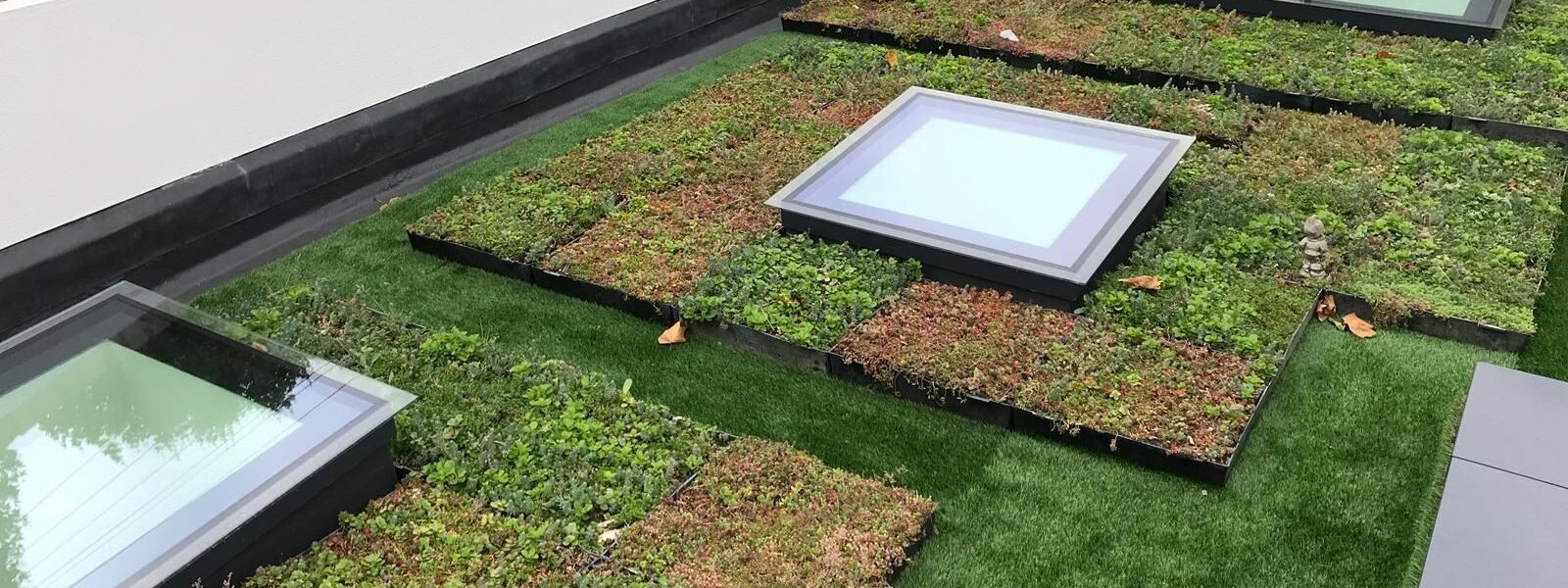
Extensive systems are far more budget-friendly. The materials are simpler. The installation is faster because you’re often dealing with pre-grown modular trays or mats that can be rolled out or clicked into place. Labor costs drop because you don’t need a team of landscapers planting individual specimens. You’re laying down a carpet of succulents. It’s efficient. For a homeowner in 2026 looking to boost their property’s energy efficiency or manage stormwater runoff, the lower entry price of an extensive roof makes it an accessible option rather than a luxury splurge.
But it’s not just about the initial bill. It’s about what happens next year, and the year after that. Maintenance costs for intensive roofs are ongoing and significant. You need to prune, fertilize, replace dead plants, and check irrigation lines. It’s essentially hiring a gardener for your roof. Extensive roofs? They’re designed to be self-sustaining. Once established, they need maybe one or two check-ups a year. Maybe some weeding if a bird drops a seed in the wrong spot. That’s it. The long-term savings are massive. You’re not paying for upkeep; you’re just enjoying the view.
The "Set It and Forget It" Lifestyle
We live in a world that’s constantly demanding our time. Between work, family, social obligations, and just trying to relax, who has hours to spend tending to a rooftop garden? This is where the lifestyle factor comes into play. Intensive green roofs are high-maintenance relationships. They need love. They need attention. If you go on vacation for two weeks in the middle of summer and your irrigation system fails, you come back to a dead garden. The stress alone isn’t worth it for many people.
Extensive green roofs are the opposite. They’re built for neglect. Well, not total neglect, but close. The plants used—mostly sedums and drought-resistant species—are tough cookies. They store water in their leaves. They can handle extreme heat, cold, and wind. They don’t care if you forget to water them. In fact, they prefer it dry. This "set it and forget it" nature aligns perfectly with the modern homeowner’s desire for sustainability without the hassle. You install it, and then you just let it be.
Think about it. Do you really want to climb onto your roof every month to check on your plants? Or would you rather know that your roof is silently working to cool your house and absorb rain, while you’re inside watching a movie? For most people, the answer is obvious. The extensive roof fits into their life without taking over. It’s a passive improvement, not an active hobby. And in 2026, passive is king.
Environmental Bang for Your Buck
Here’s a common misconception: that intensive roofs are "better" for the environment because they have more plants. Sure, they have more biodiversity. You can grow flowers that attract bees, or small trees that provide shade. But extensive roofs punch way above their weight class when it comes to core environmental benefits. And for most homeowners, those core benefits are what matter most.
First, stormwater management. Both types help, but extensive roofs are incredibly efficient at absorbing rainfall. That shallow substrate acts like a sponge, holding onto rain during a storm and releasing it slowly afterward. This reduces the strain on city sewer systems and helps prevent flooding. Since extensive roofs cover a larger area for less money, you can often green more of your roof surface, maximizing this effect.
Second, the urban heat island effect. Cities get hot. Really hot. Dark roofs absorb heat and radiate it back out, making everything warmer. Green roofs reflect sunlight and cool the air through evaporation. Extensive roofs, with their wide coverage of reflective sedums, do a fantastic job of lowering ambient temperatures. Plus, they insulate your home. In the summer, they keep your attic cooler, reducing your AC bill. In the winter, they add an extra layer of insulation. You get these energy savings without the complexity of a deep-soil garden. It’s efficient ecology.
Structural Simplicity and Retrofitting Ease
A huge portion of homeowners interested in green roofs aren’t building new houses. They’re retrofitting existing ones. Maybe you’ve got an old garage with a flat roof that’s leaking. Or perhaps you have a mid-century modern home with a low-slope roof that’s just begging for some character. Retrofitting an intensive green roof onto an existing structure is risky. As mentioned before, the weight is a major concern. You might find out halfway through the project that your roof can’t handle it, leaving you with a half-finished mess and a hefty bill.
Extensive systems are the retrofit hero. Because they’re so light, they can often be installed on roofs that were never designed for greenery at all. There are even ballasted systems that don’t require penetrating the roof membrane, which preserves the warranty on your existing roofing material. This ease of installation opens up green roofs to a much wider audience. You don’t need a custom-built architectural marvel to have one. You just need a sturdy, flat(ish) surface.
This accessibility has driven the surge in popularity. In 2026, we’re seeing extensive green roofs on everything from suburban sheds to urban row houses. It’s democratizing green architecture. It’s no longer just for wealthy eco-warriors with custom-built sustainable mansions. It’s for anyone who wants to make a small, positive change to their home’s footprint. The barrier to entry is low, both financially and structurally.
Some people worry that extensive green roofs will look messy or unkempt. They imagine a patchy, brown mess of weeds. But that’s rarely the case. Modern extensive systems are designed to be visually appealing. Sedums come in a variety of colors—greens, reds, yellows, and purples. When they bloom, they create a beautiful, textured tapestry that changes with the seasons. It’s a different kind of beauty than a manicured lawn or a flower bed. It’s wilder. More natural.
Intensive roofs offer more design flexibility, sure. You can create paths, seating areas, and diverse plant zones. But that requires design skill and ongoing effort to maintain that look. An extensive roof offers a consistent, uniform aesthetic that many homeowners find calming. It looks intentional. It looks like a piece of the landscape was lifted and placed on the roof. There’s a minimalism to it that fits well with contemporary design trends.
Plus, let’s not forget the psychological benefit. Knowing your roof is green, even if you can’t walk on it, provides a sense of connection to nature. You see it from your upstairs window. You see it from the street. It softens the hard lines of your home. It signals to your neighbors and your community that you care about the environment. It’s a quiet statement. And sometimes, quiet is louder than a flashy rooftop garden that costs a fortune to keep alive.
So, why do most homeowners pick extensive green roofs over intensive gardens? It’s not because they don’t love plants. It’s because they love practicality. They love saving money. They love knowing that their home is helping the planet without requiring a second job to maintain it. Extensive green roofs offer the perfect balance of benefit and burden. They give you the environmental wins—the cooling, the stormwater management, the insulation—without the heavy lift of structural reinforcement or weekly gardening chores.
In a world that’s increasingly complex and expensive, simplicity is a luxury. And for the average homeowner in 2026, an extensive green roof is the simplest way to go green. It’s affordable. It’s easy. It works. And honestly, isn’t that what we all want? A little bit of nature, a lot less stress. If you’re considering a green roof, don’t feel pressured to build a rooftop paradise. Sometimes, the best garden is the one you don’t have to tend to. Just let it grow.