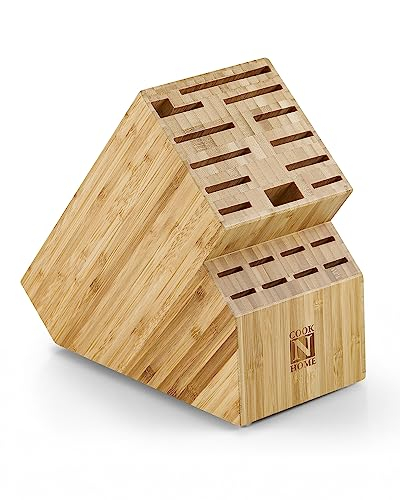
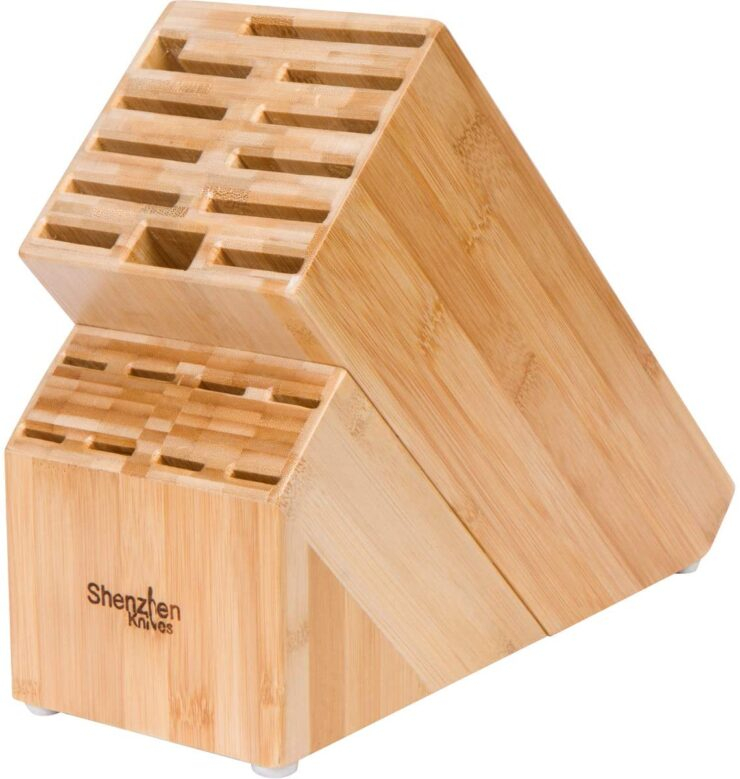
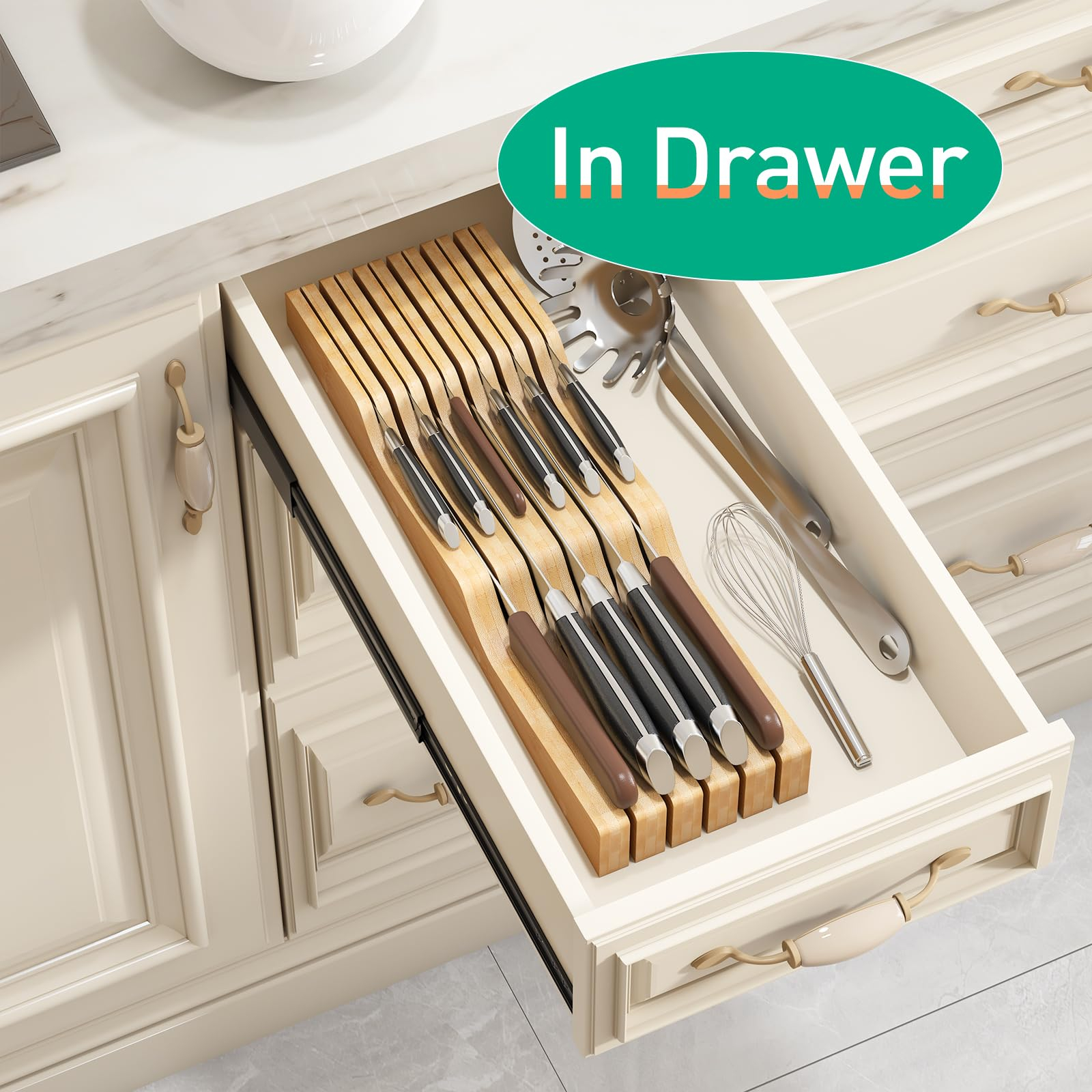
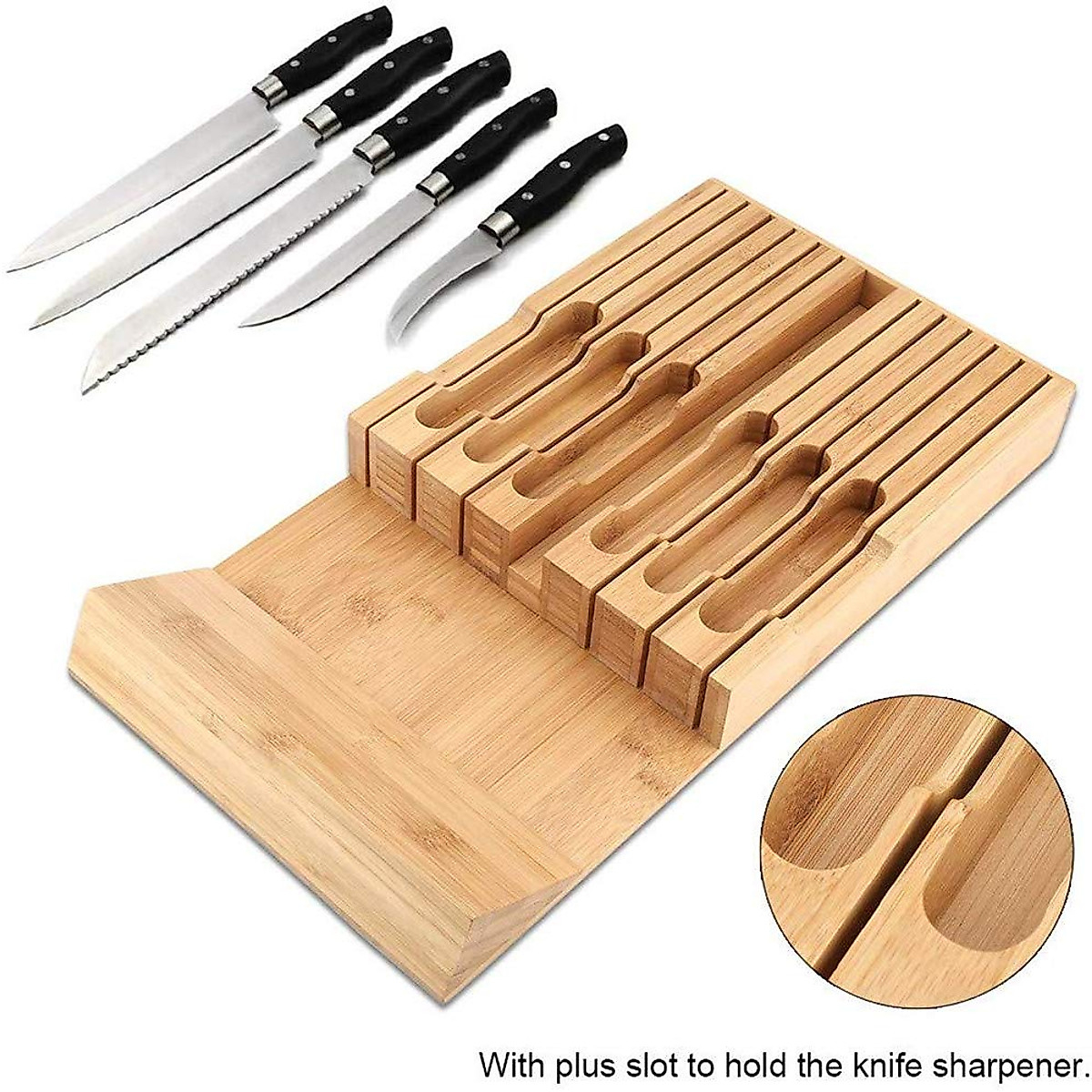
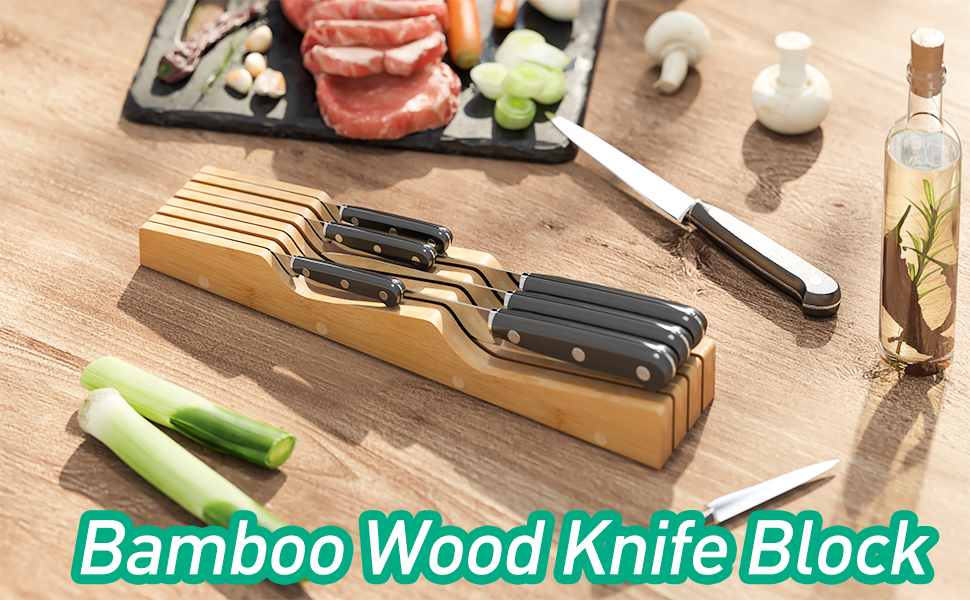
You know that feeling. You reach into the drawer for your chef’s knife, but instead of a smooth glide, you get a tangle of steel. Forks clatter against blades. It’s chaotic. It’s dangerous. And honestly? It makes cooking feel like a chore before you’ve even chopped an onion. We’ve all been there. The countertop block was taking up too much space, so you shoved everything in a drawer. Now, it’s a mess.
But here’s the thing. It doesn’t have to be this way. In 2026, in-drawer knife storage isn’t just about tossing in a plastic tray. It’s about precision. It’s about safety. And most importantly, it’s about fit. If you’ve ever bought an organizer only to find it wobbles, doesn’t close properly, or leaves your favorite eight-inch blade hanging out like a sore thumb, you know the frustration. The secret isn’t buying the most expensive block. It’s measuring twice. Seriously. That extra minute with a tape measure saves you hours of regret.
Let’s fix this. Together. We’re going to walk through exactly how to find the perfect home for your knives. No more jumbled drawers. No more dulling your best edges by letting them bang against each other. Just clean, safe, accessible storage that actually works with your kitchen, not against it.
The Hidden Dangers of a Jumbled Drawer
Why does this matter so much? It’s not just about aesthetics. Sure, a tidy drawer looks nice. But the real issue is safety and blade health. When knives are loose, they move. Every time you open or close that drawer, metal hits metal. Micro-chips form on the edge. That razor-sharp finish you paid for? Gone. Within months, your premium Japanese steel feels like a butter knife. You end up sharpening it constantly, which shortens the life of the blade. Nobody wants that.
Then there’s the human element. Reaching into a dark drawer for a paring knife is a gamble if you don’t know where it is. A slip means a cut. It’s that simple. Kids rummaging for a spoon? Even riskier. An organized drawer keeps blades separated and secured. It creates a predictable environment. You know exactly where your serrated bread knife is. You don’t have to dig. This peace of mind is worth more than the cost of any organizer.
Think about the last time you cooked a big meal. Were you fighting your tools? Or were they helping you? A messy drawer adds friction to your workflow. It slows you down. It adds stress. By securing your knives, you’re not just organizing; you’re upgrading your entire cooking experience. It’s a small change with a huge impact on how your kitchen feels. And let’s be honest, we spend enough time in there. It should feel good.
Step One: Measuring Like a Pro (Not a Guesswork Amateur)
Here is where most people mess up. They eyeball it. Don’t do that. Your eyes lie. Grab a tape measure. You need three specific numbers: width, depth, and height. Start with the width. Measure from the inside left wall to the inside right wall. Not the outside of the cabinet. The inside. Write it down. Now, measure the depth. From the front edge (where the handle is) to the back wall. Again, inside dimensions. This is crucial because many organizers are designed to fit standard depths, but "standard" varies wildly in older homes.
The height is the tricky one. Most guides forget this. You need to measure from the bottom of the drawer box to the underside of the countertop or the drawer above it. But wait. There’s more. You have to account for obstructions. Look at the back of your drawer. Is there a pipe? A hinge? A weird bump? Measure around it. If you ignore that two-inch pipe running along the back, your beautiful new bamboo block won’t sit flat. It’ll tilt. And then your knives slide out. Disaster.
Also, check the drawer clearance. Open the drawer fully. Does it hit the cabinet door frame? Some deep organizers require the drawer to open 100%. If yours only opens halfway, you need a shallower unit. This is the stuff that returns happen over. Don’t skip the double-check. Measure side-to-side, front-to-back, and top-to-bottom. Then measure again. It takes thirty seconds. It saves you a trip to the post office. Trust me on this one.
Understanding Your Knife Collection
Now that you have your box dimensions, look at your knives. What do you actually own? Be honest. Do you have a massive German chef’s knife with a thick bolster? Or a slim, lightweight Japanese gyuto? These differences matter. Slot width is key. Many universal organizers have slots that are too narrow for heavy Western handles or too wide for delicate blades, causing them to rattle. If you have a cleaver, you need a wide slot. Standard slots won’t fit it. You’ll force it, crack the wood, and ruin the organizer.
Count your blades. How many do you use weekly? Maybe you have ten knives, but only use four. You don’t need a fifty-slot monstrosity. You need a compact four-to-six slot block. Overbuying capacity leads to wasted space. Underbuying leads to clutter. Find the sweet spot. Also, think about future purchases. Are you planning to buy a santoku soon? Leave room. But don’t buy for a collection you don’t have yet. That’s just hoarding space.
Handle height is another silent killer of good fits. Some organizers are low-profile. They hold the blade but leave the handle sticking up. If your drawer has a shallow interior height, those handles might hit the countertop when you close the drawer. Measure your tallest knife handle. Add an inch for clearance. Compare that to the organizer’s total height. If the organizer is two inches tall and your handle sticks up three inches, you need a deeper drawer or a lower-profile block. It’s simple physics, but easy to overlook.
Material Matters: Wood, Plastic, and Bamboo
Once you know the size, pick the material. This isn’t just about looks. It’s about hygiene and durability. Wood, like maple or walnut, is classic. It’s gentle on blades. The fibers give slightly, protecting the edge. But wood needs care. It can warp if it gets wet. Don’t soak it. Wipe it down. In 2026, sustainable sourcing is big. Look for FSC-certified wood. It feels better to know your kitchen gear isn’t harming forests. Plus, wood looks warm. It invites you to cook.
Bamboo is the popular cousin of wood. It’s harder, more resistant to moisture, and usually cheaper. It’s a great choice for humid kitchens. However, some chefs argue it’s too hard and can dull blades faster than soft maple. It’s a trade-off. Durability vs. edge retention. For most home cooks, bamboo is fine. It’s tough. It lasts. Just don’t expect it to age with the same patina as hardwood.
Plastic and acrylic options exist too. They’re easy to clean. Dishwasher safe, often. But they can feel cheap. And if the plastic is rigid, it doesn’t cushion the blade. Look for high-quality polymers if you go this route. Avoid flimsy trays that crack under pressure. There are also hybrid options now. Wood bases with removable plastic liners for easy washing. Best of both worlds? Maybe. Consider your lifestyle. Do you hate hand-washing? Go plastic or hybrid. Do you love the ritual of care? Go wood. There’s no wrong answer, only the right fit for you.
Types of Organizers: Fixed, Modular, and Trim-to-Fit
Not all blocks are created equal. Fixed blocks are solid pieces. They look great. They’re sturdy. But they demand exact measurements. If your drawer is 18.5 inches and the block is 19, it won’t fit. Period. Modular systems are different. They let you arrange slots. Want a wide gap for a cleaver on the left? Move it. Need more room for paring knives? Adjust. These are forgiving. They adapt to your changing collection. They’re ideal if your drawer has odd obstructions. You can work around them.
Then there’s the "trim-to-fit" option. These are genius for non-standard drawers. You buy a unit that’s slightly larger than your space, and you literally saw off the excess. Sounds scary? It’s not. Most come with guides. You measure, mark, cut, and sand. Suddenly, a generic product becomes custom-made for your kitchen. It’s satisfying. It ensures zero wasted space. Brands like Rev-A-Shelf offer these with dozens of slots. You get the precision of custom without the price tag.
Magnetic strips inside drawers are another trend. They save horizontal space. Knives stick to a metal bar. No slots needed. This is great for thin drawers. But beware. If the magnet isn’t strong enough, knives slide when the drawer opens. Test the strength. Also, ensure the magnetic field doesn’t interfere with other items. It’s a sleek, modern look. Very 2026. But it requires precise installation. If you’re handy, it’s a cool project. If not, stick to blocks. Safety first.
You’ve bought it. You’ve measured it. Now, install it. Don’t just drop it in. Clean the drawer first. Crumbs underneath cause wobbling. A wobbly block is unsafe. Use non-slip padding if the fit isn’t snug. Small rubber feet or a shelf liner can work wonders. They prevent sliding when you yank the drawer open. Test it. Open and close the drawer ten times. Does it shift? If yes, adjust. Don’t assume it’s fine. Verify.
Maintenance is simple but essential. Keep it dry. Never put a wet knife in a wooden block. The moisture gets trapped. Mold grows. Bacteria thrive. Wipe your blades dry before storing. It’s a good habit anyway. It prevents rust. For bamboo and plastic, occasional deep cleaning is fine. Use mild soap. Rinse well. Dry completely. Don’t use harsh chemicals. They break down the materials over time.
Check your organizer every few months. Are the slots getting loose? Is there debris buildup? A quick vacuum with a brush attachment clears out crumbs. Inspect for cracks. If a wooden block splits, replace it. A cracked block doesn’t hold knives securely. It’s a hazard. Treat your organizer like a tool, not just furniture. It protects your most dangerous kitchen items. Respect it, and it will serve you for years. It’s a small effort for a lot of safety.
So, there you have it. The path to a peaceful, safe knife drawer isn’t complicated. It just requires attention. Measure your space. Know your knives. Pick the right material. Choose the right style. Install it with care. It’s straightforward. But the result? Transformative. You’ll reach for your tools with confidence. Your blades will stay sharper longer. Your kitchen will feel calmer.
Don’t rush this. Take the afternoon. Measure twice. Buy once. It’s a mantra for a reason. In a world of quick fixes and disposable goods, taking the time to get it right is radical. It’s about valuing your tools. Valuing your space. Valuing your safety. And honestly? It feels pretty good to open that drawer and see everything in its place. Ready to go. No chaos. Just order. Go grab that tape measure. Your knives are waiting.