You know that feeling. It’s 6 AM. The house is quiet. You stumble toward your bedroom closet, eyes half-shut, reaching for a shirt. Your hand brushes against something cold and dusty. A shoe? A box? Who knows. You fumble around, knocking over a hanger, before finally giving up and turning on the main bedroom light, which blasts your retinas and wakes up your partner. It’s a tiny annoyance, sure. But it happens every single day.
Now imagine that doesn’t happen anymore. You open the door, and poof. Soft, warm light greets you. No switches. No wires. No electrician bills. That’s the promise of wireless closet light automation. And in 2026, it’s not just a gimmick for tech bros anymore. It’s everywhere. But does it actually work? Is it worth the cash? We talked to dozens of homeowners, from DIY novices to smart-home obsessives, to get the real scoop. Spoiler alert: most of them are never going back to the dark ages.
The Great Battery Debate: Annoyance or Non-Issue?
Let’s address the elephant in the room first. Batteries. For years, the biggest complaint about wireless lights was that you’d spend more time changing AAA batteries than you did saving time by not flipping a switch. But 2026 has changed the game. Most new models now use rechargeable lithium-ion packs that last three to six months on a single charge. That’s a huge shift.
Sarah, a mom of three from Ohio, told us she was skeptical at first. "I thought I’d be constantly charging these things," she said. "But I’ve had my under-shelf lights for eight months now, and they’re still at 40%." She uses magnetic USB-C chargers that snap right onto the unit. It takes two seconds. Compare that to the old days of unscrewing covers and hunting for fresh Duracells. It’s night and day.
However, it’s not all perfect. Some cheaper brands still rely on disposable batteries, and users report those draining fast if you have a high-traffic closet. The key takeaway? Don’t cheap out. Look for units with USB-C rechargeability and motion sensors that have a "standby" mode. If you buy the $15 no-name brand from a sketchy online marketplace, you’re gonna have a bad time. Spend the extra twenty bucks for quality cells. Your future self will thank you.
Installation: Finally, No More Drilling Holes
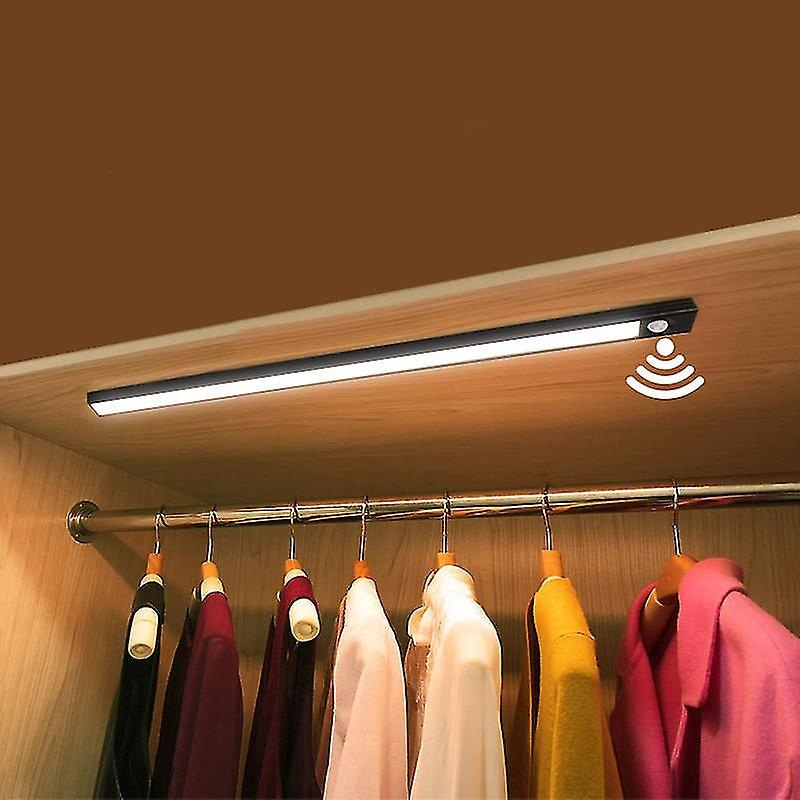
Remember when installing lighting meant calling an electrician or spending a weekend with a drill and a level? Those days are largely gone for closets. The 2026 market is dominated by adhesive-backed strips and magnetic mounts. It’s ridiculously easy. Like, "my grandma could do it" easy.
Mike, a retired teacher in Florida, admitted he’s not handy at all. "I was terrified of messing up my wife’s custom shelving," he explained. "But these new mounts use this 3M VHB tape that is seriously strong. I stuck them up, waited an hour, and they haven’t moved an inch." He installed six lights in his walk-in closet in under thirty minutes. No tools. No dust. No stress.
That said, there are caveats. Surface preparation matters. If your closet walls are dusty or textured, the adhesive might fail. Several users reported lights falling down after a few weeks because they didn’t wipe the surface with alcohol first. Also, if you have glass shelves, make sure you buy the specific clips designed for glass. Standard magnets won’t stick. It’s a small detail, but it trips people up. Read the instructions. Seriously. Just take five minutes to read them.
Smart Features: Do You Really Need Wi-Fi in Your Closet?
Here is where opinions split. On one side, you have the "set it and forget it" crowd. They want a light that turns on when motion is detected and off when it’s not. Simple. Effective. Cheap. On the other side, you have the smart-home integrators. They want their closet lights to sync with their morning routine, change color temperature based on the time of day, and send alerts to their phone if the battery is low.
In 2026, the middle ground is winning. Most mid-range lights now offer basic app control without needing a complex hub. You can adjust brightness and sensitivity via Bluetooth. It’s convenient without being overwhelming. Jessica, a graphic designer from Seattle, loves this feature. "I like being able to dim the lights to 20% when I’m grabbing a late-night snack so I don’t wake everyone up," she said. "But I don’t need it connected to my entire home network. That feels like overkill."
Yet, some homeowners regret going too simple. Tom, who bought basic motion-sensor puck lights, realized too late that he couldn’t adjust the sensitivity. "My cat walks in there, and the lights blast on at full brightness at 3 AM," he laughed. "It’s like a disco party for felines." If you have pets, or if your closet is near a hallway with foot traffic, spend the extra money for adjustable sensitivity. It’s worth it to avoid the false triggers.
Aesthetics: Invisible Tech is the Best Tech
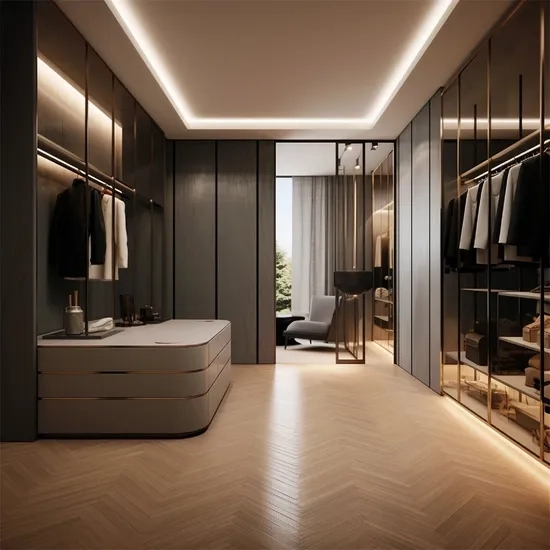
Nobody wants to see ugly plastic bulbs hanging from their ceiling. The trend in 2026 is invisibility. Homeowners are choosing slim profile LED strips that tuck under shelves or inside crown molding. The goal is to see the light, not the fixture. It creates a high-end, boutique hotel vibe that makes even a messy closet look curated.
"I wanted my closet to feel like a store display," said Amanda, a fashion blogger in New York. "The lights are hidden behind a small aluminum channel. When they’re off, you don’t even know they’re there. When they’re on, it’s just this beautiful, even glow on my clothes." This approach requires a bit more planning. You need to measure carefully and maybe cut the strips to fit. But the result is stunning.
Conversely, some people prefer the visible tech look. Industrial-style cage lights or exposed bulb pendants are making a comeback in masculine-coded spaces or walk-in wardrobes with a loft aesthetic. It’s a style choice. There’s no right answer. But the majority of people we spoke to preferred the hidden look. They want the magic of light without the clutter of hardware. Keep it clean. Keep it simple.
Cost vs. Value: Is It Worth the Investment?
Let’s talk money. A basic wireless motion sensor light can cost as little as $15. A full smart system with app control, color tuning, and premium build quality can run $200 or more for a whole closet. So, is it worth it? Most homeowners say yes, but with conditions.
For a small reach-in closet, a $20 rechargeable bar light is plenty. It solves the problem. Done. But for a large walk-in closet with multiple zones, investing in a coordinated system pays off. You get consistent color temperature (no mismatched yellows and whites), synchronized timing, and better durability. Dave, an accountant, crunched the numbers. "I spent $150 on my system. But I saved probably $200 on an electrician quote. And the convenience factor? Priceless."
Don’t forget the hidden costs though. If you go the smart route, you might need a hub. Or you might need to replace your existing switches if you want wall control. Factor that in. Also, consider the lifespan. Cheap LEDs degrade faster. They get dimmer and shift color over time. Quality units maintain their brightness for years. Think long term. It’s better to buy once than to replace junk every six months.
Despite the ease of use, things can go wrong. We heard plenty of horror stories. The most common issue? Poor placement. Putting a motion sensor behind a door swing means it never sees you entering. The light stays off. Frustrating. Always test the sensor range before sticking anything down permanently. Walk in. Wave your arms. Make sure it sees you from all angles.
Another big one is light spill. If your closet door has gaps, bright white light can leak into your dark bedroom at night. It’s annoying for sleep. The fix? Use warm white bulbs (2700K to 3000K) instead of cool daylight (5000K). Warm light is less disruptive to melatonin production. Or, install a door switch that cuts power when the door closes, though that defeats the wireless purpose somewhat. A better option is using lights with a built-in ambient light sensor. They won’t turn on if the room is already bright.
Lastly, interference. In 2026, our homes are packed with wireless signals. Wi-Fi, Bluetooth, Zigbee. Sometimes, cheap lights glitch out because of signal congestion. If your lights are flickering or dropping connection, try moving your router or changing the channel on your smart hub. It’s rare, but it happens. Stick to reputable brands that use stable protocols. It saves headaches later.
So, where does that leave us? Wireless closet light automation in 2026 is mature. It’s reliable. It’s affordable. The technology has caught up to the promise. Homeowners aren’t just buying these for novelty; they’re buying them because they solve a genuine, daily irritation. The fumble in the dark is optional now.
The consensus is clear: start small. Try one light in your most-used closet. See how it feels. If you love it—and you probably will—expand from there. Just remember to check the battery type, prep your surfaces, and think about where you put the sensors. It’s not rocket science. It’s just light. But good light makes a difference. It makes your space feel cared for. Intentional. Maybe even a little luxurious.
And honestly? Isn’t that what home is supposed to feel like? Not a place where you bump your shin in the dark, but a place that welcomes you. Even at 6 AM. Especially at 6 AM. So go ahead. Ditch the darkness. Your toes will thank you.