You’ve finally done it. You’ve pulled the trigger on that shiny new pair of speakers or those expensive headphones. You’ve signed up for the premium tier of your favorite music app, ticked the box for "Lossless" or "Hi-Res," and hit play. You sit back, close your eyes, and wait for the magic. But instead of a soundstage that wraps around you like a warm blanket, you hear… well, mostly the same thing you heard before. Maybe a bit clearer. Maybe a bit brighter. But not the revelation you were promised.
It’s frustrating, isn’t it? You did everything right. Or at least, you thought you did. The truth is, the world of high-fidelity audio in 2026 is a minefield of marketing hype, technical jargon, and subtle pitfalls that can drain the life out of your system before you even realize what’s happening. It’s not your fault. The industry makes it complicated on purpose sometimes. But here’s the good news: fixing these issues doesn’t always require spending more money. Often, it just requires knowing where to look.
Let’s talk about the five big mistakes that are likely holding your setup back. These aren’t just minor tweaks; they are fundamental errors that prevent you from hearing what your gear is actually capable of. By avoiding them, you’ll not only save cash but also finally get that goosebump-inducing experience you’ve been chasing.
Mistake 1: Assuming "Hi-Res" Means Better Sound Automatically
Here is the biggest lie told in audio today: that higher numbers equal better quality. In 2026, streaming services are fighting a war over specs. You see labels like "24-bit/192kHz" or "MQA" or "FLAC" thrown around like confetti. It’s easy to think that if you’re not streaming at the highest possible bitrate, you’re missing out. But here’s the kicker: most people can’t hear the difference between a high-quality MP3 (like 320kbps) and a true lossless file in a blind test. And even fewer can distinguish between CD quality (16-bit/44.1kHz) and ultra-high-res formats.
The problem isn’t just that the differences are subtle. It’s that chasing the highest spec often leads to ignoring the source material itself. A poorly mastered track streamed in 24-bit/192kHz will still sound bad. In fact, it might sound worse because the high resolution reveals all the flaws in the recording process. Many newcomers spend hours tweaking their network settings to ensure they’re getting the "max bandwidth," only to listen to a compressed, dynamic-range-crushed pop song from 2015. The file size is huge, but the musical value is low.
So, what should you do? Stop obsessing over the numbers on the screen. Instead, focus on finding well-mastered albums. Look for reviews that mention "dynamic range" or "mastering quality." Try listening to jazz, classical, or acoustic folk records where the production is often more natural. You’ll find that a well-recorded CD-quality stream sounds infinitely better than a badly recorded hi-res one. Save your bandwidth for music that deserves it.
Mistake 2: Ignoring the Network Bottleneck
You bought a top-tier streamer. You have fiber internet. So why does your music occasionally stutter or drop out? Or worse, why does it sound thin and congested? The issue is often your local network, not your internet connection. Streaming hi-fi audio, especially in multi-room setups or when using heavy formats, requires a stable, consistent data flow. Wi-Fi, while convenient, is notoriously unstable for critical listening. Interference from microwaves, neighbors’ routers, and even thick walls can cause packet loss.
In 2026, we have Wi-Fi 7 and advanced mesh systems, but they aren’t magic. Many newcomers plug their streamer into a cheap powerline adapter or rely on a weak Wi-Fi signal in the corner of the room. This introduces jitter and noise into the digital signal. While modern DACs (Digital-to-Analog Converters) are good at smoothing this out, they can’t fix a severely degraded signal. The result is a lack of clarity in the highs and a muddy, undefined bass. It’s like trying to drink a milkshake through a straw that’s been stepped on.
The fix is simpler than you think. If possible, use an Ethernet cable. Yes, it’s ugly. Yes, it’s a hassle. But a direct wired connection eliminates almost all network-related audio issues. If you absolutely must use wireless, invest in a high-quality mesh system with a dedicated backhaul, or use a Wi-Fi extender that supports the latest standards. Don’t treat your network as an afterthought. It’s the highway your music travels on. If the road is full of potholes, the ride will be rough.
Mistake 3: Poor Speaker Placement and Room Acoustics
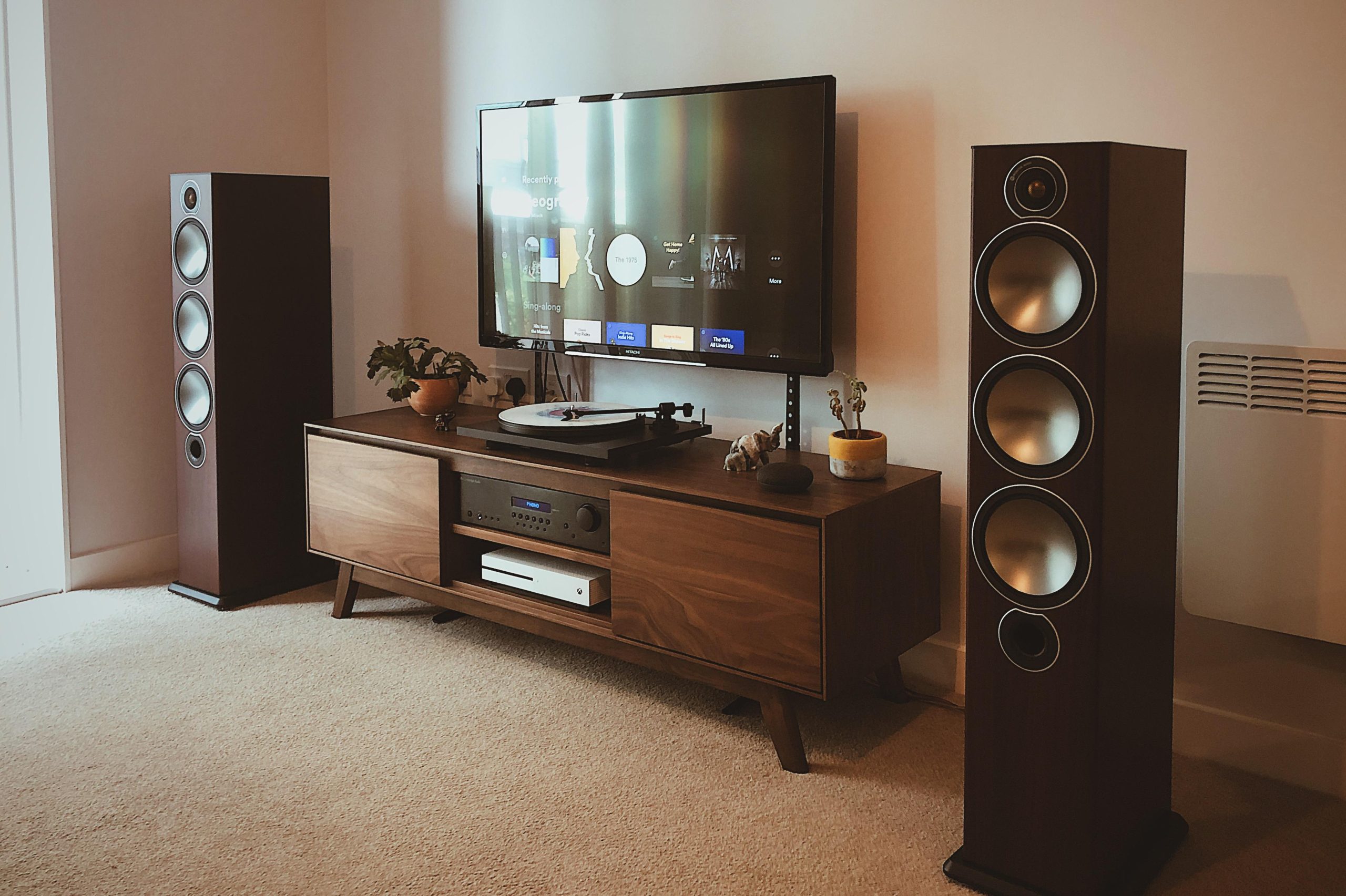
This is the mistake that hurts the most because it costs nothing to fix, yet everyone ignores it. You can have the best speakers in the world, but if you shove them into a corner or place them directly against a wall, you’re throwing away 50% of their performance. Sound waves bounce. When they hit a wall behind your speaker, they reflect back and interfere with the direct sound coming from the driver. This causes "boominess" in the bass and muddles the midrange. It’s physics, not opinion.
Many beginners think that buying bigger speakers or a subwoofer will fix a bad room. It won’t. In fact, it often makes it worse. A small bookshelf speaker pulled out two feet from the wall will sound deeper, clearer, and more spacious than a massive floor-stander crammed into a corner. The "triangle" rule is your friend: your speakers and your head should form an equilateral triangle. Toe them in slightly so they point at your ears. This simple adjustment creates a focused "sweet spot" where the stereo image snaps into place.
But it’s not just about placement. It’s about what’s in the room. Bare floors, glass windows, and empty walls create harsh reflections. You don’t need to turn your living room into a recording studio with foam panels everywhere. Just add some softness. A rug between you and the speakers. Heavy curtains over the windows. A bookshelf filled with books (which act as diffusers). These small changes absorb excess energy and make the sound warmer and more natural. Listen to your room. It’s part of your system.
Mistake 4: Mismatched Gear and Ignoring Synergy
Audio gear is not like LEGO bricks. You can’t just snap any amplifier to any speaker and expect perfection. This is called "synergy," and it’s crucial. A bright, analytical amplifier paired with bright, detailed speakers will sound harsh and fatiguing. You’ll get headaches after twenty minutes. Conversely, a warm, tubey amp with dark, sluggish speakers might sound pleasant but lack detail and speed. It’ll sound like you’re listening through a blanket.
Newcomers often buy components based on reviews or brand reputation without considering how they work together. They see a highly rated "neutral" amplifier and assume it’s safe. But neutral doesn’t mean compatible. In 2026, many streamers have built-in DACs and preamps. If you’re adding an external amp, make sure it complements your speakers’ impedance and sensitivity. A hard-to-drive speaker needs an amp with plenty of current. An efficient speaker might sound noisy with a high-gain amp.
The best advice? Listen before you buy. If you can’t go to a store, look for forums where people discuss specific pairings. Search for "[Speaker Model] + [Amper Model] review." See if others mention synergy issues. And don’t be afraid to return gear if it doesn’t sound right in your space. Your ears are the final judge, not the spec sheet. Remember, the goal is enjoyment, not benchmark scores.
Mistake 5: Overlooking the Source Quality and Settings
You’ve got the gear. You’ve got the room. But are you actually streaming hi-fi? It sounds obvious, but you’d be surprised how many people pay for a premium subscription and leave the settings on "Standard" or "High" instead of "Lossless" or "Hi-Res." Check your app settings. On Spotify, for example, "Very High" is still Ogg Vorbis at 320kbps, which is not lossless. On Apple Music, you need to manually enable Lossless and Hi-Res Lossless in the settings, as it’s off by default to save data.
Furthermore, consider the device you’re streaming from. If you’re using a Bluetooth connection from your phone to your receiver, you’re bottlenecking the entire chain. Bluetooth codecs like AAC or aptX are good, but they are not hi-fi. They compress the audio. To get true hi-fi, you need a wired connection or a Wi-Fi-based streamer (like Chromecast Audio, AirPlay 2, or a dedicated network streamer). AirPlay 2, for instance, caps at 16-bit/44.1kHz (CD quality), which is great, but it won’t give you 24-bit/192kHz. If you want the latter, you need a streamer that supports protocols like Roon, DLNA, or UPnP.
Also, watch out for "sound enhancements." Many receivers and apps have EQ presets, "surround" modes, or "bass boost" features. Turn them off. Hi-fi is about hearing the recording as it was intended. These processing tools often distort the phase and dynamics of the music. Start with a flat, unprocessed signal. Once you love that, you can experiment. But don’t start with a colored sound. It masks the true capability of your system.
Beyond the technical mistakes, there’s a mindset error. We live in an age of instant gratification. We want the perfect sound now. But hi-fi is a journey. It takes time to train your ears. It takes time to understand what you like. Do you prefer a warm, relaxed sound? Or a detailed, exciting one? There is no right answer. Your preferences will change as you listen more.
Don’t rush to upgrade. Stick with what you have for a while. Learn its quirks. Move the speakers an inch at a time. Change the angle. Try different cables (not to spend money, but to rule out bad connections). Read about the music itself. Who produced it? What instruments are used? When you engage with the music actively, rather than just having it as background noise, you’ll notice details you never heard before. That’s the real magic of hi-fi. It’s not about the gear. It’s about the connection to the art.
And remember, it’s okay to not care about every little detail. If you’re happy with your Bluetooth speaker and Spotify Premium, that’s fine. Hi-fi is a hobby, not a requirement. But if you’re diving in, do it with intention. Avoid these five mistakes, and you’ll skip the frustration phase and go straight to the enjoyment phase. Your ears—and your wallet—will thank you.
So, take a breath. Look at your setup. Is your streamer wired? Are your speakers pulled out from the wall? Are your settings correct? Fix these things first. Then, put on your favorite album. Not the one you think sounds "audiophile," but the one you love. Close your eyes. Listen. That’s where the journey really begins.