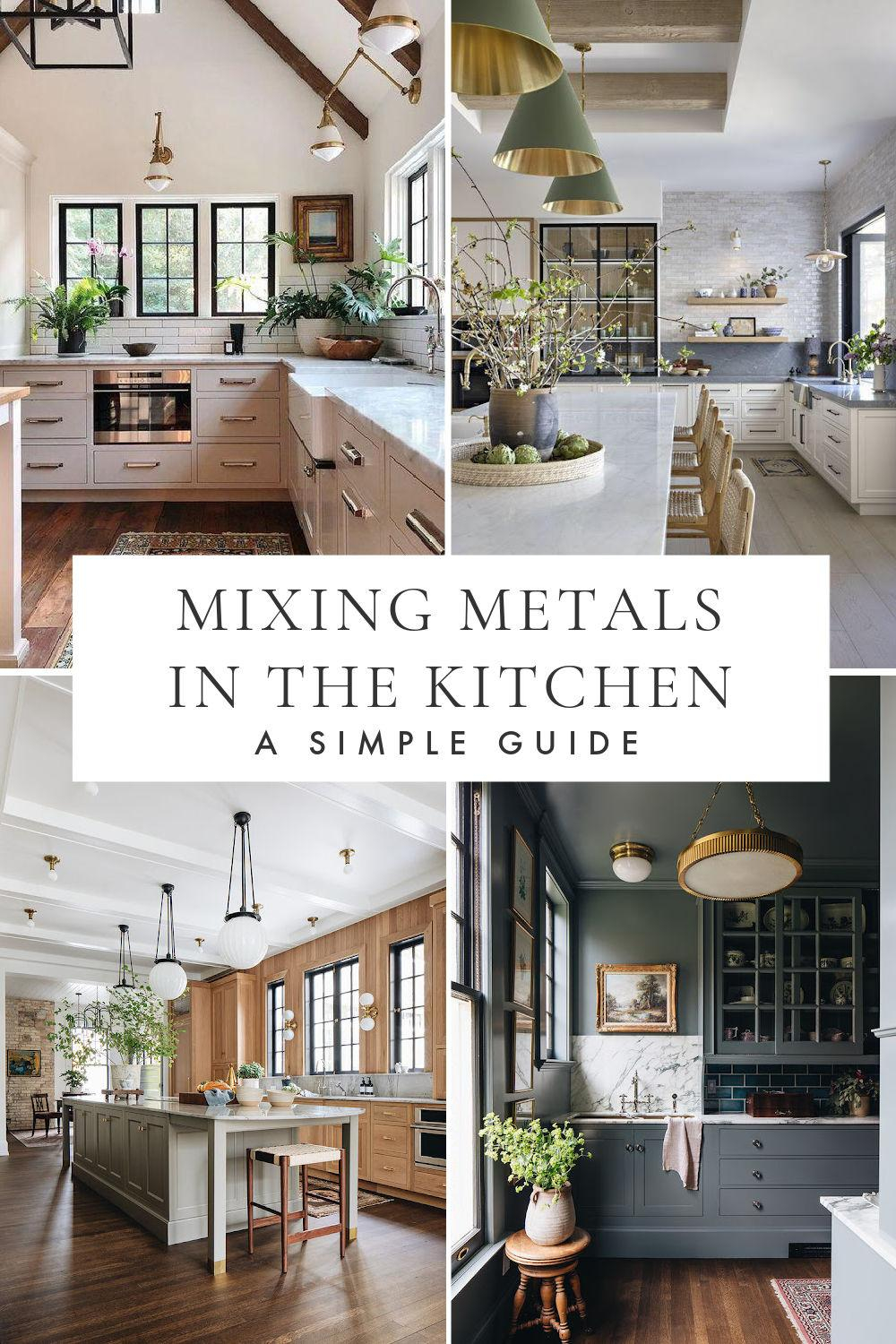
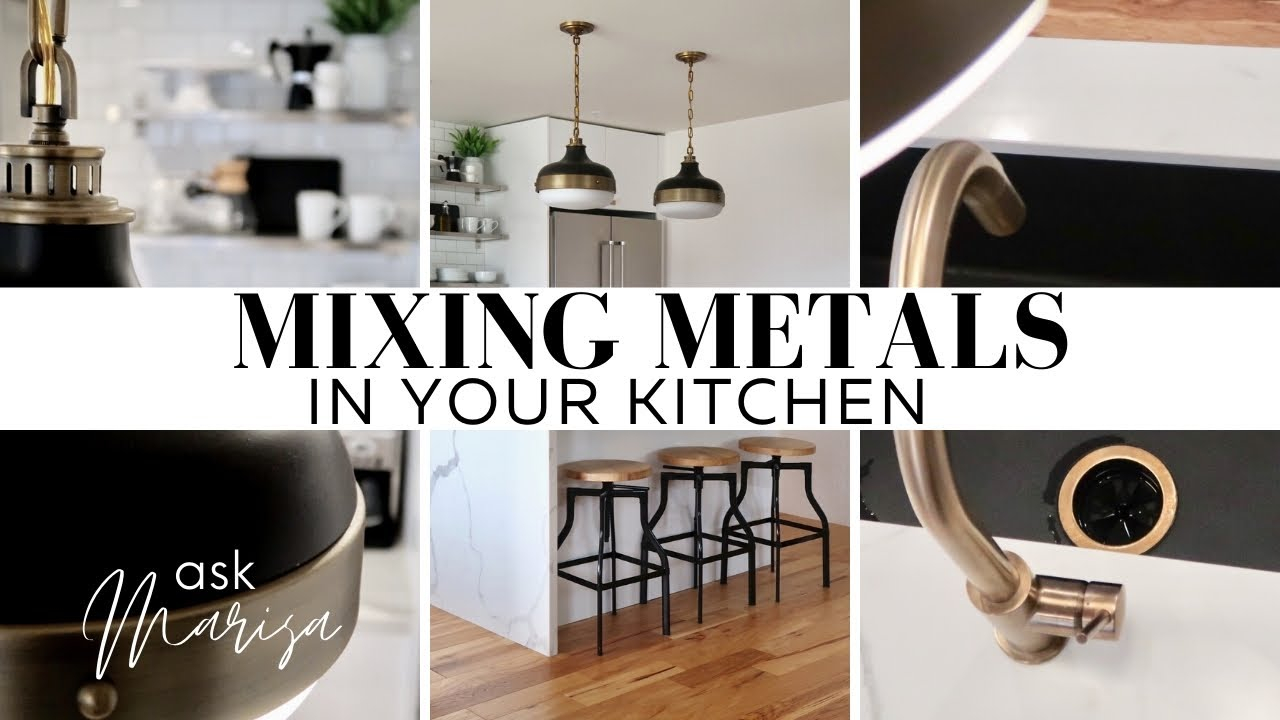
Ever walked into a kitchen that felt just… flat? You know the one. Everything matches perfectly. The handles are silver, the faucet is silver, the light fixtures are silver. It’s clean, sure. But it’s also a little boring. Like a hotel room that nobody has actually lived in. Now, think about the kitchens you see on Instagram or in design magazines lately. They feel alive. They have layers. There’s a glow of gold here, a sleek line of chrome there, maybe a matte black accent pulling it all together. That’s not an accident. It’s the magic of mixing metals. And in 2026, it’s not just a trend—it’s the standard for anyone who wants their home to feel truly designed.
For years, we were told to pick one finish and stick to it. Don’t mix your metals! It was the golden rule of interior design. But times have changed. We’ve realized that strict matching doesn’t create warmth; it creates uniformity. And uniformity is the enemy of character. By blending warm tones like brass and copper with cool tones like stainless steel and nickel, you create a visual conversation in your space. It’s dynamic. It’s interesting. And honestly? It’s easier than you think. You don’t need a degree in design to pull it off. You just need to understand a few simple principles about contrast, balance, and hierarchy. Let’s break it down.
Understanding the Temperature of Metal
Before you start swapping out cabinet pulls, you need to know what you’re working with. Metals have "temperatures," just like colors do. This isn’t about how hot they get when you touch them (please don’t test that on a running stove). It’s about the visual vibe they give off. Warm metals feel cozy, inviting, and a bit traditional. Think of the glow of candlelight or the richness of old wood. These include brass, gold, copper, and bronze. They add instant personality and a sense of history to a room. If your kitchen feels too sterile or cold, adding a warm metal is like throwing a soft blanket over a stiff sofa. It relaxes the space.
On the other side, you have cool metals. These are the sleek, modern, and crisp finishes. Stainless steel, chrome, polished nickel, and even black iron fall into this category. They feel clean, efficient, and contemporary. In a kitchen, which is often a workspace first and a gathering spot second, cool metals make sense. They hide fingerprints better (mostly), they match your appliances, and they provide a sharp, clean backdrop. The trick in 2026 isn’t choosing one temperature over the other. It’s realizing that they need each other. A kitchen with only warm metals can feel heavy or dated. A kitchen with only cool metals can feel clinical. Together? They create balance.
So, how do you identify them quickly? Look at the undertones. If it looks yellow, red, or orange-ish, it’s warm. If it looks blue, gray, or stark white/silver, it’s cool. Black is a bit of a chameleon. It’s technically neutral, but it acts as a cool anchor because it’s so strong and defining. Knowing this distinction is half the battle. Once you can look at a faucet and say, "That’s a cool tone," and look at a pendant light and say, "That’s a warm tone," you’re ready to start mixing. It’s about intentionality. You aren’t just grabbing whatever is on sale. You’re curating a palette.
The Rule of Hierarchy: Pick Your Lead
Here is where most people mess up. They get excited about mixing metals and throw three or four different finishes into the pot without a plan. The result? Chaos. It looks like a hardware store exploded in your kitchen. To avoid this, you need a hierarchy. Think of it like a band. You need a lead singer, a bassist, and maybe a drummer. You can’t have five lead singers screaming at once. In your kitchen, one metal needs to be the dominant player. This is usually the finish that appears most frequently or on the largest surfaces.
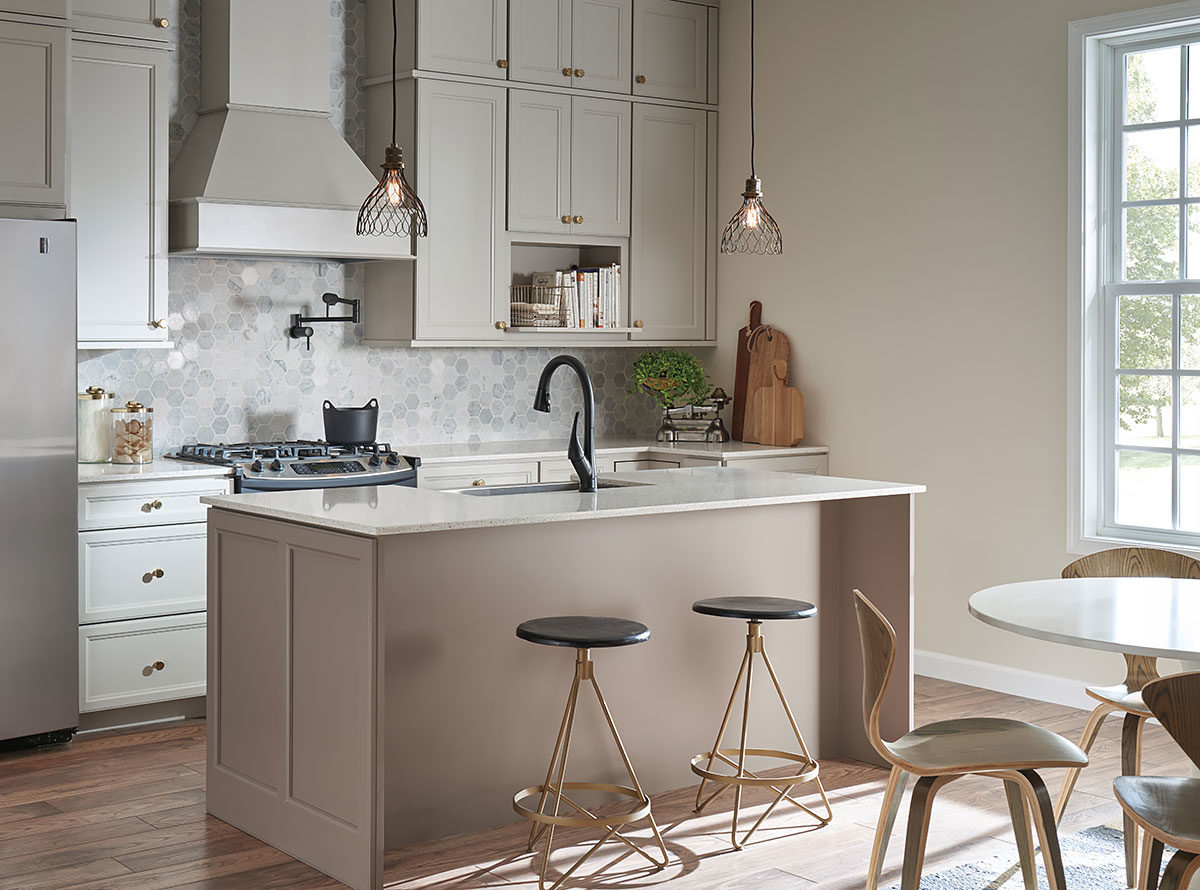
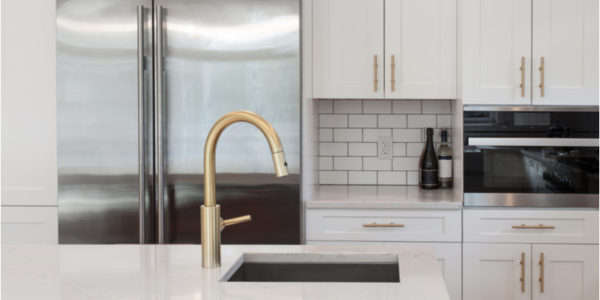
For most modern kitchens in 2026, the dominant metal is often the cool tone. Why? Because of the appliances. Your fridge, dishwasher, and oven are likely stainless steel. That’s a lot of silver surface area. So, let stainless steel or a matching cool tone like brushed nickel be your "lead singer." It sets the baseline. Then, you introduce your "supporting act"—the warm metal. This might be your cabinet hardware, your faucet, or your light fixtures. By keeping the warm metal as the accent, you ensure it pops. It becomes a feature, not background noise.
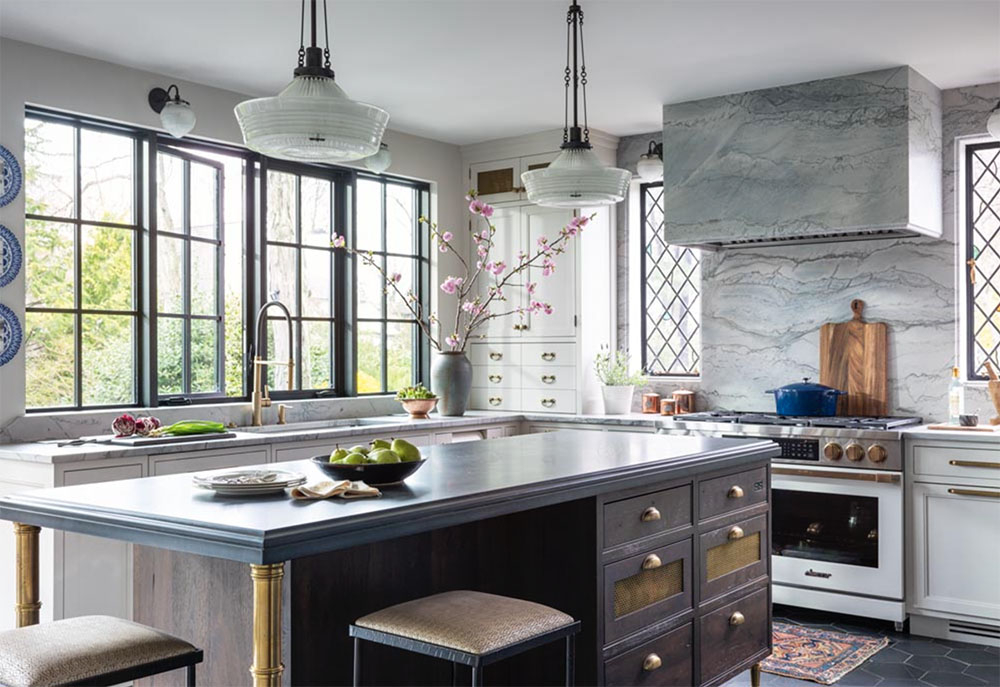
However, you can flip this script if you want a cozier, more vintage vibe. Maybe your cabinets are painted a deep navy or forest green, and you want the space to feel rich and enveloping. In that case, let unlacquered brass or aged copper be the dominant finish. Use it on the cabinets, the island, and the main lights. Then, use stainless steel for the appliances and maybe a sink. The key is consistency. Decide early on which metal will cover 60-70% of the visual space, and let the other cover the remaining 30-40%. This ratio creates a look that feels curated and deliberate, rather than accidental.
Creating Contrast Without Chaos
Contrast is the secret sauce. It’s what makes the eye move around the room. If everything is the same shade of silver, your eye glides right over it. But if you have a matte black faucet against a polished chrome sink, your eye stops. It notices the difference. This visual interest is what makes a kitchen feel "designed." But there’s a fine line between good contrast and visual clutter. The goal is to create moments of surprise, not confusion. One of the best ways to do this is by pairing metals with different sheens as well as different colors.
For example, pair a brushed brass (warm, low shine) with a polished chrome (cool, high shine). The difference in texture adds another layer of complexity. It’s not just about color; it’s about how light hits the surface. In 2026, we’re seeing a lot of mixed sheens. Satin finishes are huge because they’re practical and soft, but pairing them with a high-gloss accent creates drama. Just remember to keep the shapes simple. If your metals are contrasting in color and finish, keep the designs of the fixtures relatively clean. A super ornate brass handle next to a ultra-modern minimalist faucet might clash too much. Let the metal do the talking.
Another tip for managing contrast is to use black as a bridge. Black fixtures, whether in iron or matte black steel, act as a neutral grounding element. They work with both warm and cool tones. If you’re worried your brass and stainless steel look too disjointed, add some black barstools, a black range hood, or black window frames. It ties the room together. It gives the eye a place to rest. Think of black as the punctuation mark in a sentence. It helps organize the flow. Without it, the sentence runs on forever. With it, everything makes sense.
Zone Your Kitchen for Flow
A kitchen isn’t just one big box. It’s a collection of zones. You have the cooking zone (stove, oven), the cleaning zone (sink, dishwasher), the prep zone (countertops), and the social zone (island, seating). Treating these zones as separate entities can help you distribute your metals logically. This prevents the "random scatter" effect. For instance, you might decide that all the plumbing fixtures—the faucet, the pot filler, the soap dispenser—will be in your accent metal (say, warm brass). This creates a cohesive "wet zone."
Then, look at your lighting. Pendant lights over the island are a great place to introduce your secondary metal. If your main recessed lighting trim is white or cool metal, using warm brass pendants creates a beautiful focal point over the social zone. It draws people in. It says, "Gather here." Cabinet hardware is another zone. Instead of mixing metals on every single drawer, try keeping all the upper cabinet pulls in one finish and the lower cabinets in another. Or, use the warm metal on the island cabinets only. This creates a subtle distinction between the workspace and the showcase piece of the room.
Repetition is crucial here. If you use brass on the faucet, don’t just leave it there. Repeat it somewhere else. Maybe on the cabinet pulls. Maybe on the legs of a kitchen table. This repetition creates rhythm. It tells the brain, "This belongs here." It’s not a mistake; it’s a pattern. When you zone your kitchen, you’re essentially creating a map for your metals. You’re deciding where each finish lives. This makes the final result feel intentional. It stops being a haphazard collection of stuff and starts being a designed environment. And that’s the difference between a nice kitchen and a great one.
Practical Tips for Getting Started
If you’re still feeling nervous, start small. You don’t need to rip out your entire kitchen to try this. Hardware is the easiest and cheapest way to experiment. Swap out your current cabinet pulls for a warm tone if you have cool appliances. See how it feels. Live with it for a week. Do you love the warmth? Does it make the space feel more inviting? If yes, great. If no, swap them back. No harm done. This low-stakes approach takes the pressure off. It allows you to learn your own preferences without spending thousands of dollars.
Lighting is another easy win. Change out a generic chrome ceiling fixture for something with a bit of brass or copper detail. Notice how the light quality changes. Warm metals tend to cast a warmer, softer glow, which can make food look more appetizing and skin tones look healthier. It’s a subtle psychological effect, but it matters. Also, consider your backsplash. If you have a tile with some metallic flecks or a warm grout line, let that guide your choice. Tie your metals to the existing elements in the room. This ensures everything feels connected.
Don’t forget about the small stuff. Towel bars, switch plates, and even the frame of a mirror can contribute to the mix. But be careful not to overdo it. Stick to two, maybe three finishes max. More than that gets messy. And remember, trends change, but good design is timeless. Mixing metals isn’t a fad that will disappear next year. It’s a fundamental principle of layering. So, take your time. Collect samples. Hold them up against your countertops. Look at them in natural light and at night. Make sure you love the combination before you commit. It’s your space, after all.
Even with the best intentions, things can go wrong. The most common mistake? Ignoring the style of the home. Putting ultra-modern polished chrome in a rustic farmhouse kitchen with reclaimed wood might feel jarring. Context matters. Your metals should complement the overall architectural style. If you have a mid-century modern home, lean into brass and teak vibes. If you have an industrial loft, black iron and stainless steel make more sense. Don’t fight the bones of your house. Work with them.
Another big no-no is mismatching undertones within the same temperature family. For example, mixing a very yellow gold with a very rose-gold copper can sometimes look muddy if not done carefully. They are both warm, but they clash because they compete. It’s often safer to pair distinct temperatures (warm vs. cool) than to try to blend similar ones that are slightly off. Also, avoid using too many shiny finishes. If everything is highly polished, the kitchen will look like a disco ball. Mix in some matte or satin finishes to absorb light and add depth.
Finally, don’t forget maintenance. Some metals, like unlacquered brass or raw copper, patina over time. They change color. They get spots. For some people, this is part of the charm. It shows life. For others, it’s a nightmare. Know what you’re signing up for. If you hate water spots, avoid polished chrome and opt for brushed nickel or matte black. If you don’t want to polish your brass every month, choose a lacquered or living finish that’s designed to age gracefully. Design isn’t just about looks; it’s about livability. Make sure your choices fit your lifestyle.
Mixing warm and cool metals is one of the most rewarding design decisions you can make. It transforms a functional room into a personal sanctuary. It adds soul. In 2026, we’re moving away from perfection and toward personality. We want homes that tell a story. And nothing tells a story quite like the thoughtful layering of materials. So, don’t be afraid to break the old rules. Embrace the contrast. Let the warm and the cool dance together. Your kitchen will thank you. And more importantly, you’ll love spending time in it.