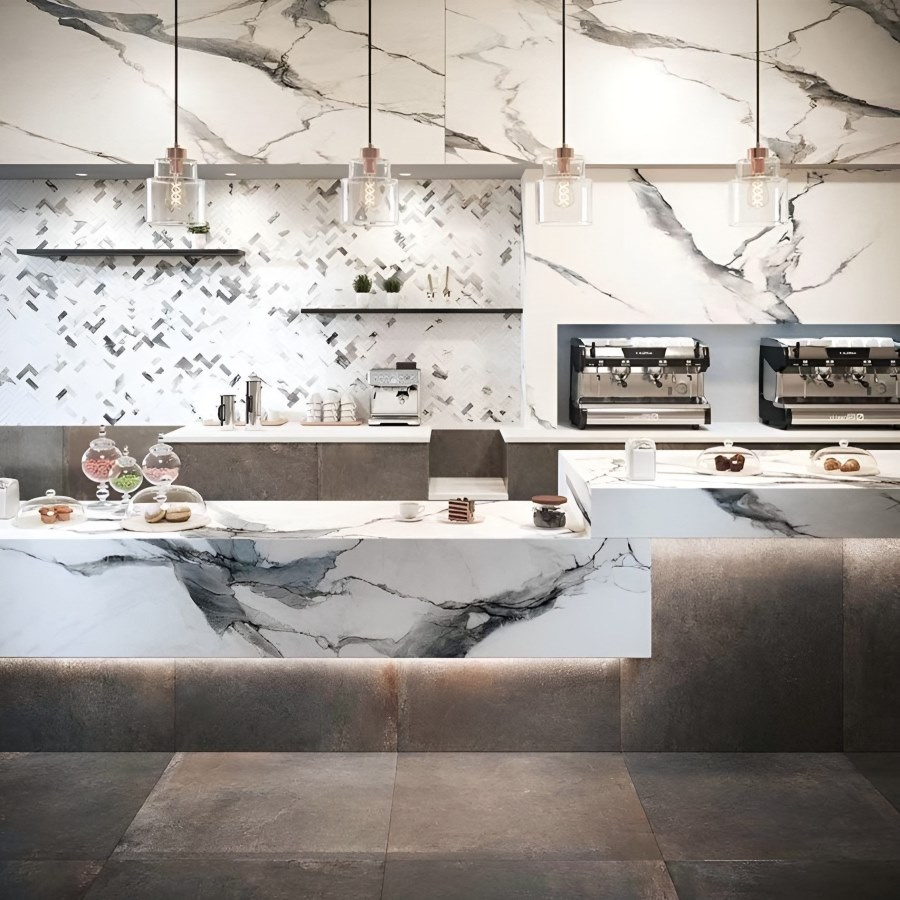
You’ve spent months dreaming about it. The perfect spot under the pergola, the built-in grill that smells like charcoal and summer evenings, and that sleek surface where you’ll chop veggies while friends laugh nearby. But now you’re stuck. What goes on top? Granite feels heavy and high-maintenance. Concrete cracks if you look at it wrong. And then someone mentions porcelain.
Wait, porcelain? Isn’t that what my coffee mug is made of? It sounds fragile. Delicate. Definitely not something you’d want to leave out in a thunderstorm or rest a searing hot pan on. But here’s the thing: modern porcelain slabs are nothing like your grandmother’s tea set. They are engineered beasts, disguised as elegant stone. In 2026, they are arguably the most popular choice for high-end exterior kitchens, and for good reason. But are they right for your space? Let’s dig in.
The Science Behind the Strength
It’s easy to dismiss porcelain as just "fancy tile," but that’s a massive oversimplification. When we talk about slabs for outdoors, we are talking about large-format panels, often measuring five by ten feet or larger. These aren’t baked in a small kiln; they are created using intense pressure and heat that far exceeds traditional ceramics. This process, called sintering, fuses the raw materials—clays, feldspar, silica, and mineral oxides—into a single, non-porous mass.
Think of it like this: natural stone has veins and fissures because it was formed by geological chaos over millions of years. Porcelain is formed by human precision. The result is a material with near-zero water absorption. Why does that matter? Because water is the enemy of outdoor surfaces. When water gets into stone, it freezes, expands, and cracks the material from the inside out during winter. Porcelain doesn’t drink water, so it doesn’t crack in the cold. It’s basically immune to freeze-thaw cycles, which is a huge deal if you live anywhere with actual seasons.
This density also means it’s incredibly hard. We’re talking Mohs hardness scale levels that rival granite and quartzite. You can drag a knife across it (though please don’t, you’ll dull the knife), drop a cast-iron skillet, or let the kids run wild with their toys. It shrugs off scratches and impacts that would chip marble or etch limestone. It’s tough, unyielding, and designed to take a beating without showing a scar.
Weathering the Elements Like a Pro
Let’s be real about outdoor living. It’s not always sunny skies and gentle breezes. Sometimes it’s hail. Sometimes it’s blistering UV rays that bleach everything they touch for eight hours a day. Sometimes it’s acid rain or pollen that sticks to every surface. Your countertop needs to handle all of it, year after year, without looking tired.
Porcelain excels here because it’s UV stable. Have you ever noticed how some plastics turn yellow or how certain stones fade after a few summers? That’s photodegradation. Porcelain pigments are fired into the body of the slab at temperatures over 2,000 degrees Fahrenheit. The color isn’t just on the surface; it’s part of the material’s DNA. So, whether you choose a bright white Carrara look or a deep charcoal slate, it won’t fade. It will look exactly the same in 2036 as it does today.
Heat resistance is another big win. You can pull a pizza stone out of a 500-degree oven and set it directly on the porcelain. No trivet needed. Unlike quartz, which contains resin that can melt or discolor under high heat, porcelain is purely mineral. It doesn’t burn, smoke, or release toxic fumes. This makes it ideal for those of us who love to cook aggressively outdoors. You can sear steaks, flambé desserts, and place hot grills directly on the surface without holding your breath.
A Chameleon in Stone Clothing
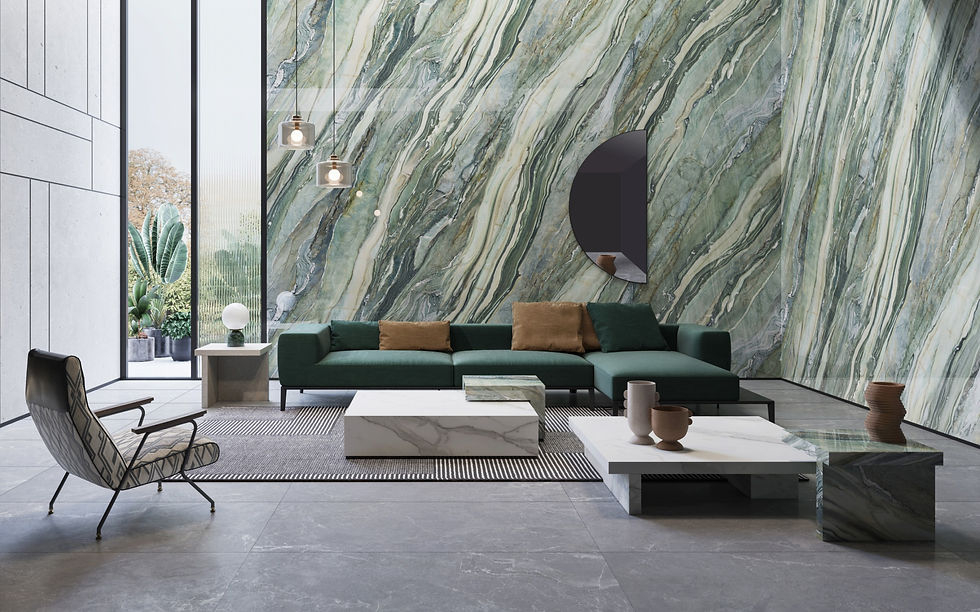
One of the coolest things about porcelain slabs in 2026 is the design versatility. Ten years ago, you had maybe three patterns to choose from, and they all looked a bit fake. Today? The technology is scary good. Manufacturers use high-definition digital printing to replicate the look of natural stone, concrete, wood, and even metal with startling accuracy.
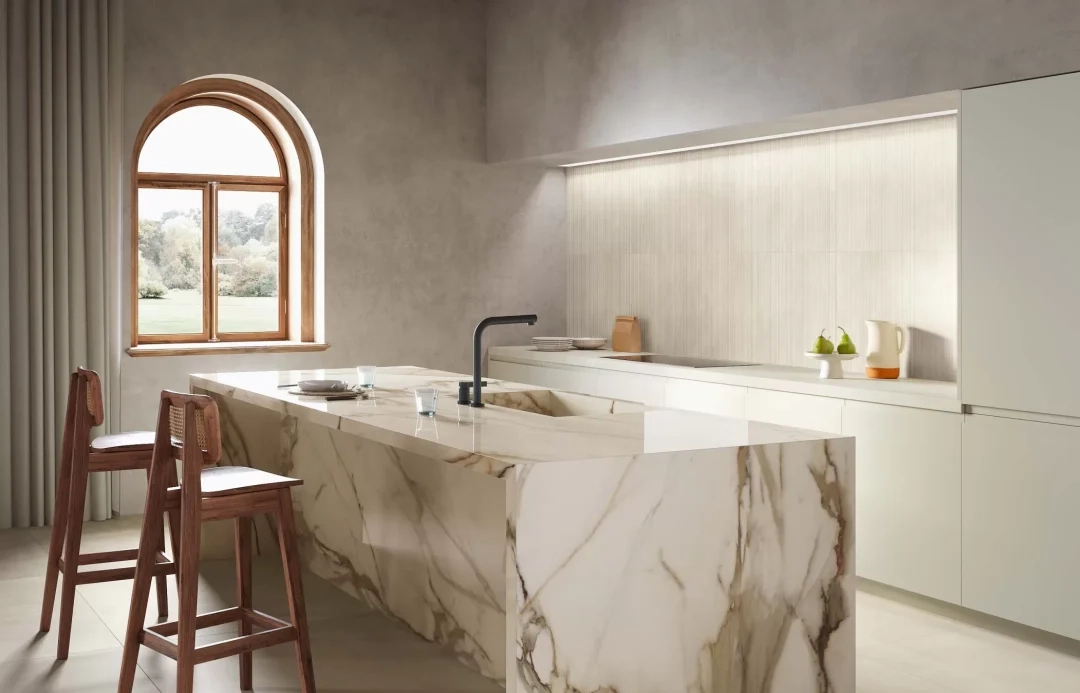
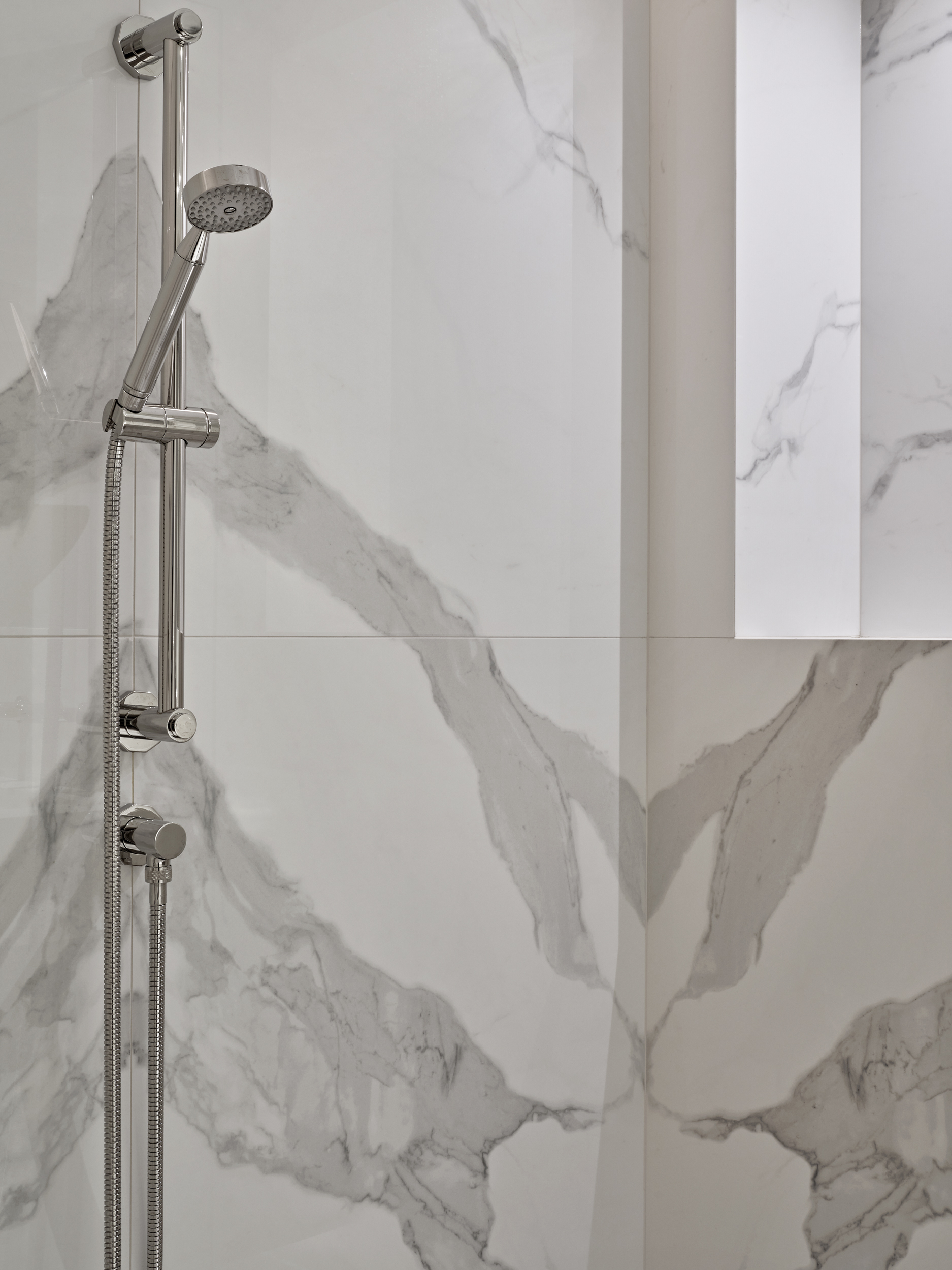
Want the dramatic veining of Calacatta marble but without the anxiety of staining it with red wine? There’s a porcelain for that. Love the industrial vibe of poured concrete but hate the sealing maintenance? There’s a slab that mimics the texture and tone perfectly. Prefer the rustic warmth of weathered wood but don’t want rot or splinters? Yep, there’s a porcelain plank-look too. You get the aesthetic you crave without the baggage that comes with natural materials.
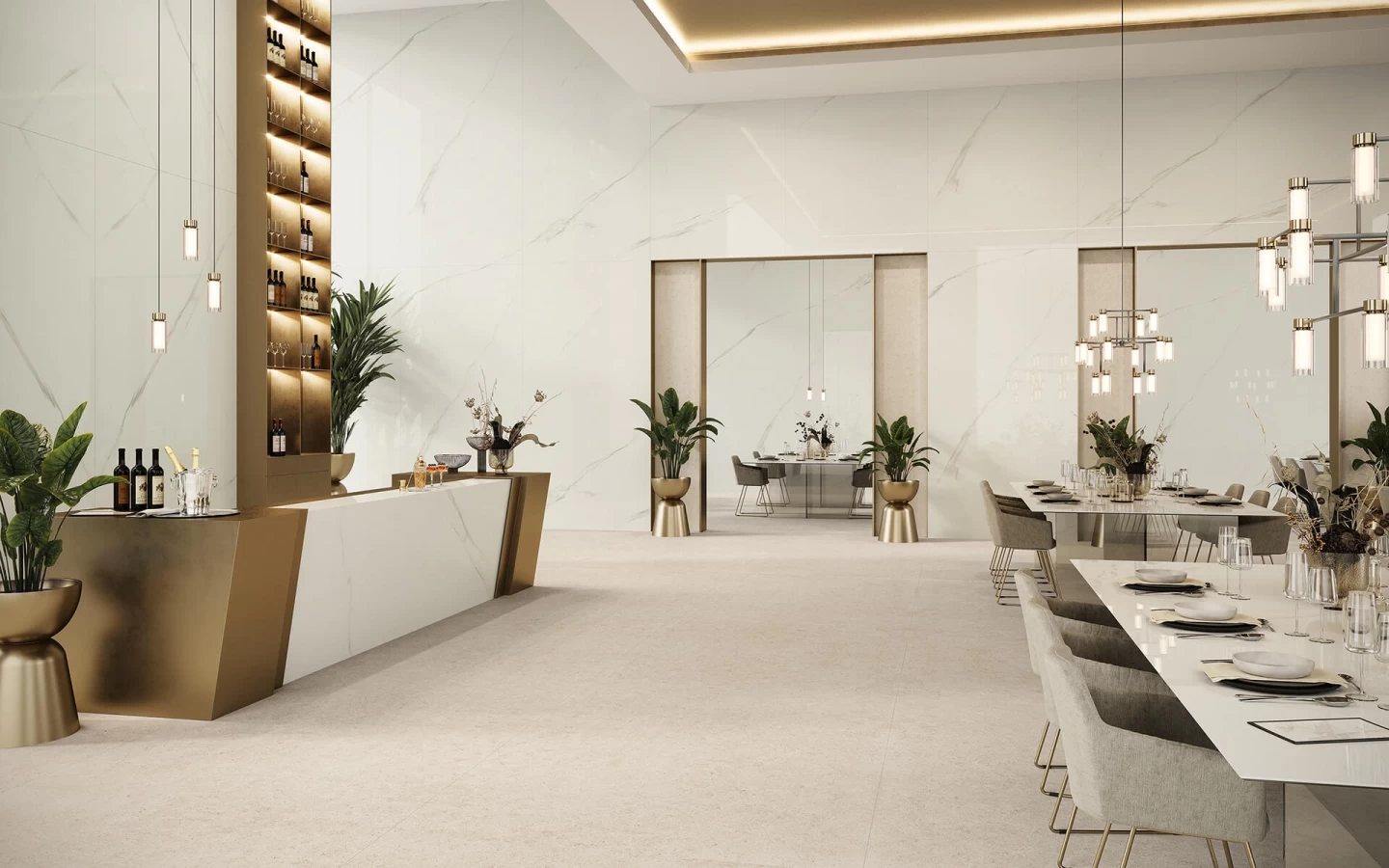
This variety allows you to blend your outdoor kitchen seamlessly with your home’s architecture. If your interior features warm terrazzo floors, you can carry that pattern outside. If your house is modern minimalist with clean lines, a solid matte black or crisp white slab creates a stunning contrast against green landscaping. It’s not just a countertop; it’s a design bridge between indoors and out. And because the slabs are large, you get fewer seams. Fewer seams mean a cleaner, more luxurious look that doesn’t interrupt the visual flow.
The Maintenance Myth (Or Lack Thereof)
Here is the honest truth: nobody wants to spend their Saturday morning scrubbing countertops. We build outdoor kitchens to relax, not to work. This is where porcelain really shines compared to its competitors. Natural granite needs sealing once a year. Marble needs babying. Concrete needs resealing and can stain if you spill olive oil. Porcelain? It needs nothing. Zero. Zilch.
Because it’s non-porous, liquids sit on top rather than soaking in. Spilled beer? Wipe it up. Dropped burger grease? Hose it down. Bird droppings (because nature happens)? A little soap and water takes care of it. There are no pores for bacteria to hide in, making it one of the most hygienic surfaces you can choose. For families with kids or pets, this is a massive relief. You aren’t walking on eggshells around your expensive investment.
However, let’s keep it real. "Low maintenance" doesn’t mean "invincible to neglect." While it won’t stain easily, dark residues from things like berry juices or charcoal dust can sit on the surface if left for days. A quick weekly wipe-down keeps it looking pristine. Also, while it resists chemicals, avoid using harsh abrasive cleaners or steel wool, which can dull the polished finish over time. Stick to mild dish soap and a soft cloth, and you’re golden. It’s the closest thing to "set it and forget it" you’ll find in countertop land.
The Installation Reality Check
Now, let’s talk about the catch. Because porcelain slabs are so thin (usually 12mm or 20mm) and so large, they are surprisingly flexible until they are installed. This makes them tricky to handle. You can’t just slap them on any old cabinet box. They require a perfectly flat, rigid substrate. If the base underneath shifts or isn’t level, the slab can crack. It’s not the material’s fault; it’s physics. Thin, large sheets need solid support.
This means installation is not a DIY weekend project. You need professionals who specialize in large-format porcelain. They use specific adhesives and leveling systems to ensure the slab bonds correctly and remains flat. In 2026, many installers use a technique called "back-buttering" with flexible mortars designed specifically for exterior use. This allows for slight movement due to temperature changes without breaking the bond. If you skimp on the installer, you risk cracks later. It’s worth paying extra for someone who knows what they’re doing.
Also, consider the edges. Since the slabs are thin, creating a thick-looking edge requires layering or mitering, which adds to the labor cost. Some people love the sleek, thin profile—it looks very modern and European. Others prefer the chunky look of traditional stone. Just know that achieving that chunky look with porcelain involves more fabrication work. It’s doable, but it’s not as simple as cutting a block of granite. Plan for this in your budget upfront so there are no surprises.
Let’s address the elephant in the room: price. Porcelain slabs are not cheap. In fact, they often cost more per square foot than entry-level granite or basic concrete. In 2026, you’re looking at a premium product. However, when you look at the total cost of ownership, the math starts to shift.
Think about the lifetime costs. With natural stone, you’re buying sealers every year. You might need professional polishing if it gets etched. You might replace it in 15 years if it cracks from freezing. Porcelain has none of those recurring costs. It lasts decades. It doesn’t fade, stain, or degrade. So, while the upfront hit to your wallet is harder, the long-term value is excellent. It’s an investment that holds its beauty without demanding constant cash injections for upkeep.
Plus, there’s the resale value factor. Outdoor living spaces are huge selling points in today’s real estate market. A high-quality, low-maintenance outdoor kitchen adds significant appeal to potential buyers. They see a sleek, modern surface that looks brand new even if the house is ten years old. They don’t see a project. They see a lifestyle. That perceived value can help offset the initial cost when it’s time to sell. It’s not just a countertop; it’s a feature that elevates the entire property.
So, is it right for you? If you want a surface that looks stunning, handles extreme weather, requires almost no care, and will last for decades, then yes. Porcelain is likely your best bet. But if you’re on a tight budget and plan to move in two years, or if you love the imperfect, changing character of natural stone, you might look elsewhere. For most of us, though, the peace of mind and effortless elegance make porcelain the smart, stylish choice for the heart of the outdoor home.