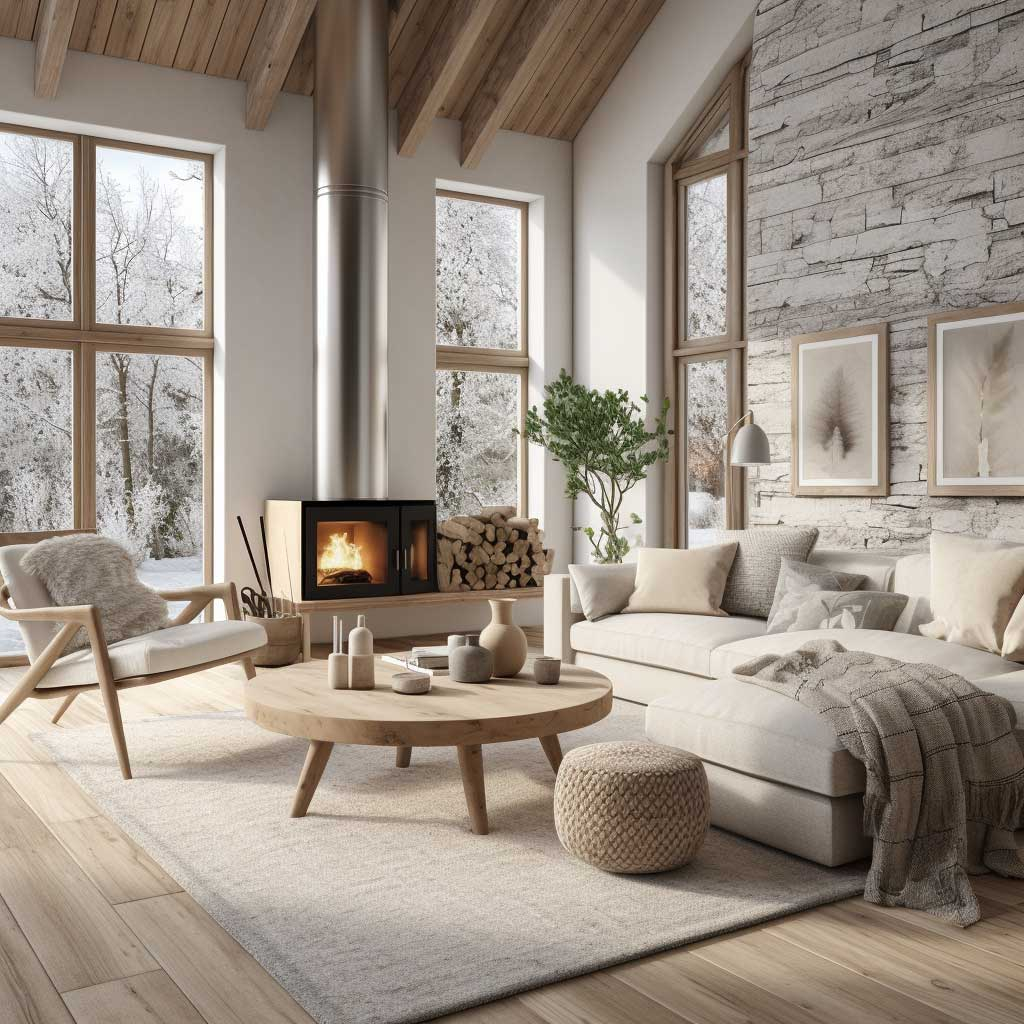
You know that feeling when you walk into a hotel room that looks like it was designed by a robot? Everything is white. Everything is sharp. There’s not a single wrinkle in sight. It’s impressive, sure. But does it make you want to curl up and stay there for twelve hours? Probably not. For years, we’ve been told that less is more. We’ve stripped our homes down to the bare essentials, chasing that elusive "clean" aesthetic. But somewhere along the way, many of us lost the soul of our spaces. And worse, we lost our sleep.
Sleep isn’t just about closing your eyes. It’s about feeling safe. It’s about letting your nervous system know it’s okay to power down. A cold, sterile room might look good on Instagram, but it often feels like a clinic. In 2026, the trend is shifting. People are tired of living in showrooms. They want comfort. They want warmth. They want what the Danes call hygge (pronounced hoo-ga). But here’s the twist: you don’t have to throw out all your minimalist furniture to get it. You can keep the clarity of minimalism and add the heart of hygge. The result? A space that breathes. A space that helps you sleep deeper than you have in years.
The Psychology of Cold vs. Warm Spaces
Why do some rooms feel icy even when the thermostat is set to seventy-two? It’s not just the temperature. It’s the visual noise—or lack thereof. Pure minimalism often relies on high-contrast colors, hard surfaces, and empty space. While this reduces clutter, which is good for anxiety, it can also trigger a subtle sense of exposure. Your brain is always scanning for threats. In a stark white room with hard floors, there’s nowhere for the eye to rest softly. It bounces around. This keeps your brain in a low-level state of alertness. Not exactly ideal for drifting off.
Hygge, on the other hand, is all about softness and enclosure. Think of it as a visual hug. Research from recent sleep studies in 2025 highlighted that environments with warm tones and textured materials lower cortisol levels faster than neutral, cool-toned spaces. When you combine the two, you get the best of both worlds. You keep the mental clarity that comes from an uncluttered room, but you add the physiological safety signals that come from warmth. It’s about moving from "look at how clean my room is" to "feel how safe my room is."
This shift is crucial because sleep hygiene isn’t just about avoiding caffeine. It’s about environmental cues. If your bedroom feels like a gallery, you’re a visitor. If it feels like a nest, you’re home. The goal isn’t to fill every corner with stuff. That’s just clutter in disguise. The goal is to curate warmth. It’s intentional. It’s about choosing materials that invite touch. It’s about lighting that mimics the sunset. It’s about creating a sanctuary that respects your need for order but honors your need for comfort.
Lighting: The Glow That Guides You to Dreamland
Let’s talk about light. Or rather, the lack of harsh light. In a cold minimalist setup, lighting is often functional. One big overhead fixture. Bright. White. Clinical. It wakes you up, sure. But it doesn’t help you wind down. To bring hygge into the mix, you need to layer your lighting. And you need to kill the overheads. Seriously. If you only take one thing from this article, let it be this: stop using your main ceiling light in the evening. It’s too aggressive. It tells your brain it’s noon.
Instead, think low and slow. Use table lamps with fabric shades. Floor lamps that cast light upward or downward, not outward. The key is diffusion. You want the light to bounce off walls and ceilings, creating a soft glow that fills the room without glaring. In 2026, smart bulbs have gotten really good at mimicking natural light cycles. Set them to dim automatically as the sun goes down. Aim for a color temperature below 2700K—think amber, not blue. Blue light suppresses melatonin. Amber light encourages it. It’s simple biology.
Candles are the original hygge hack. Even if you don’t burn them (though the scent of beeswax or sandalwood can be incredibly grounding), having them around adds a visual warmth. Electric candles with flickering flames work too if you’re worried about safety. Place them on nightstands or dressers. The uneven, dancing light creates shadows that soften the hard edges of your furniture. It makes the room feel alive. It makes the space feel smaller, cozier, more intimate. And intimacy is what helps you let go of the day.
Textures: The Art of Softening Hard Lines
Minimalism loves smooth surfaces. Glass. Metal. Polished wood. These materials are easy to clean and look sleek. But they’re also cold to the touch. Literally. If you slide your feet out of bed onto a cold floor, your body tenses up. That tension is the enemy of sleep. Hygge introduces texture to break up these hard lines. It’s not about adding clutter. It’s about adding layers. Think of it as dressing your room for winter, even in summer.
Start with the bed. It’s the centerpiece. Ditch the stiff, crisp hotel sheets if they don’t feel good to you. Opt for linen or washed cotton. These fabrics have a natural irregularity. They’re soft. They breathe. Add a chunky knit throw at the foot of the bed. Not for style, but for function. When you’re reading before bed, you can pull it over your legs. The weight and texture provide proprioceptive input, which can be calming for the nervous system. It’s like a weighted blanket, but prettier.
Rugs are another game-changer. If you have hardwood or tile floors, a large, plush rug under the bed changes everything. It absorbs sound. It softens the acoustics of the room. Echoey rooms feel empty and cold. Soft rooms feel contained and safe. Choose natural fibers like wool or jute. They add visual interest without adding visual noise. You can even layer rugs—a smaller, softer rug on top of a larger, neutral one. This adds depth. It makes the floor feel like a landscape, not just a surface. Don’t forget curtains. Heavy, floor-length drapes not only block light but also add a vertical softness that balances the horizontal lines of your bed.
Color: Moving Beyond Stark White
White is safe. It’s clean. It’s the default for minimalism. But pure white can feel sterile. It reflects too much light. It lacks depth. To warm up your space, you don’t need to paint your walls black. You just need to shift the tone. Think off-white. Cream. Beige. Greige. These colors have undertones of yellow, red, or brown. They’re warmer. They’re gentler on the eyes. In 2026, interior designers are moving away from "cool gray" and toward "warm neutrals." It’s a subtle change, but it makes a huge difference in how a room feels.
If you’re afraid to paint, use accessories to introduce color. A terracotta vase. A mustard-yellow pillow. A deep green plant pot. These pops of earthy tones connect you to nature. And nature is inherently calming. Biophilic design principles show that even small hints of natural color can reduce stress. You don’t need a rainbow. Just a few anchor points. The idea is to create a palette that feels grounded. Earth tones work best because they’re easy on the brain. They don’t demand attention. They recede. They allow your mind to wander.
Consider the ceiling too. Most people leave it white. But painting it a slightly darker shade than the walls can make the room feel cozier. It lowers the visual height. It creates a sense of enclosure. This is great for sleep because it mimics the feeling of being in a cave or a den. It’s primal. It’s safe. If that’s too bold, try a warm white on the ceiling instead of a bright white. It reflects less light. It’s softer. Every surface in your room contributes to the overall mood. Don’t ignore the fifth wall.
Nature: Bringing the Outside In
Hygge is closely tied to nature. It’s about finding comfort in the natural world. Minimalism can sometimes feel disconnected from nature because it’s so controlled. To bridge this gap, bring plants into your bedroom. But be smart about it. You don’t want a jungle. You want a few well-chosen specimens. Snake plants are great because they release oxygen at night. Lavender plants smell amazing and promote relaxation. Fiddle leaf figs add height and drama. Choose plants that are easy to care for. Dead plants are not hygge. They’re stressful.
Wood is another way to connect with nature. If your furniture is metal or plastic, consider adding wooden elements. A wooden nightstand. A wooden frame for your art. Wood has grain. It has variation. It’s warm to the touch. It ages beautifully. Unlike plastic, which just gets old, wood gets character. This imperfection is key to hygge. It’s called wabi-sabi in Japanese culture—the beauty of things that are imperfect, impermanent, and incomplete. Embrace the knot in the wood. Embrace the scratch on the table. These things tell a story. They make your room feel lived-in, not staged.
Natural light during the day is also crucial. Open your curtains every morning. Let the sun flood in. This regulates your circadian rhythm. It helps your body know when it’s time to be awake and when it’s time to sleep. But at night, block it out completely. Blackout shades are a must for good sleep hygiene. The contrast between bright days and dark nights is what your body craves. By controlling light and bringing in natural elements, you create a rhythm in your room. A pulse. It feels alive. It feels real.
We’ve talked about what you see and touch. But what about what you smell and hear? These senses are powerful triggers for emotion and memory. A cold minimalist room often smells like… nothing. Or maybe cleaning products. Neither is particularly soothing. Hygge embraces scent. Think subtle. Think natural. Essential oil diffusers with lavender, chamomile, or cedarwood can transform the atmosphere. Don’t overdo it. You want a hint, not a headache. The scent should be discoverable, not overwhelming. It should linger in the background, like a memory.
Sound is equally important. Silence can be deafening. In a stark room, every creak and hum is amplified. This can keep you awake. Introduce soft sounds. A white noise machine. A fan. A small tabletop fountain. The sound of running water is incredibly calming. It masks disruptive noises from outside. It creates a sonic blanket. If you prefer music, try ambient tracks or lo-fi beats. Nothing with lyrics. Lyrics engage the language center of your brain. You want to disengage. You want to drift.
Personal touches matter here too. Display a photo of a loved one. Keep a book you love on your nightstand. These items add emotional warmth. They remind you of who you are. They ground you. Minimalism often strips away personality in the name of simplicity. Hygge puts it back. But selectively. Choose items that spark joy or calm. Not items that guilt you or stress you out. If a gift from your aunt makes you anxious, donate it. Your bedroom is for you. It should reflect your inner peace, not your obligations.
Creating a warm hygge haven from a cold minimalist base isn’t about buying new things. It’s about seeing what you have differently. It’s about adding layers of comfort. It’s about softening the edges. It’s about inviting warmth in. Start small. Change a lightbulb. Add a rug. Buy a plant. See how it feels. Listen to your body. Does your shoulders drop? Does your breathing slow? That’s the sign you’re getting it right. Sleep is sacred. Your room should honor that. Make it a place you love to return to. A place that holds you. A place that lets you rest.