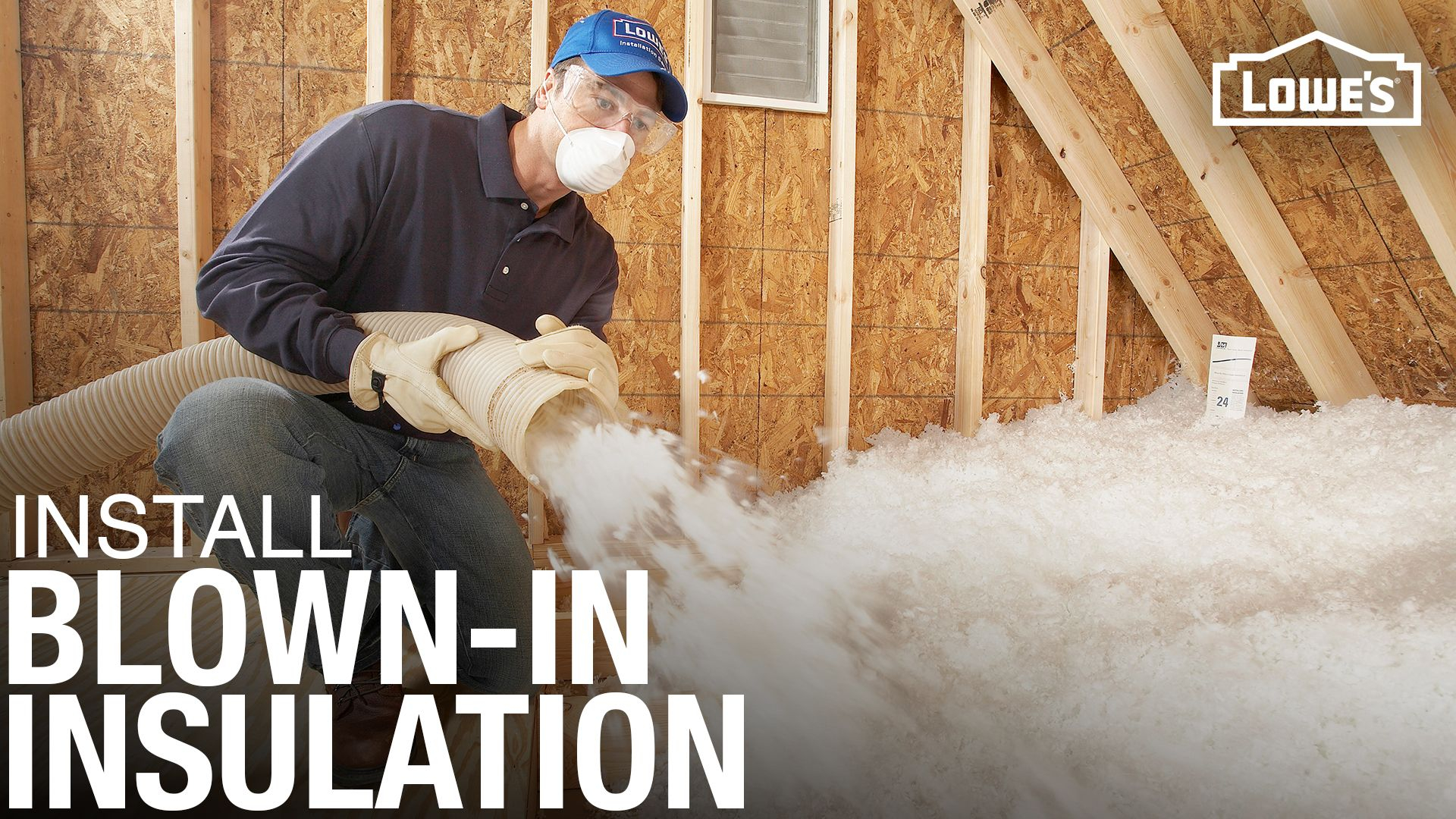
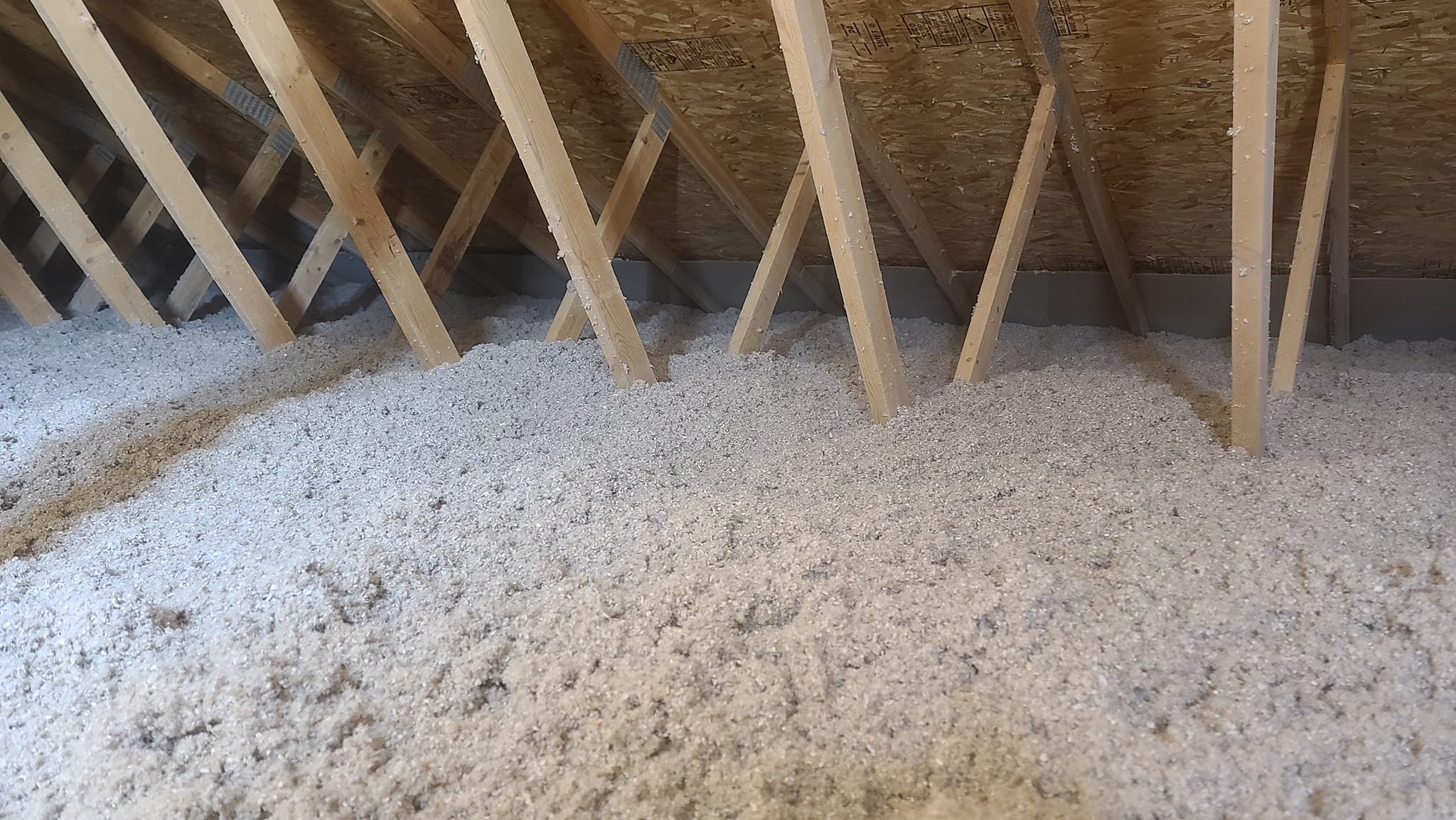
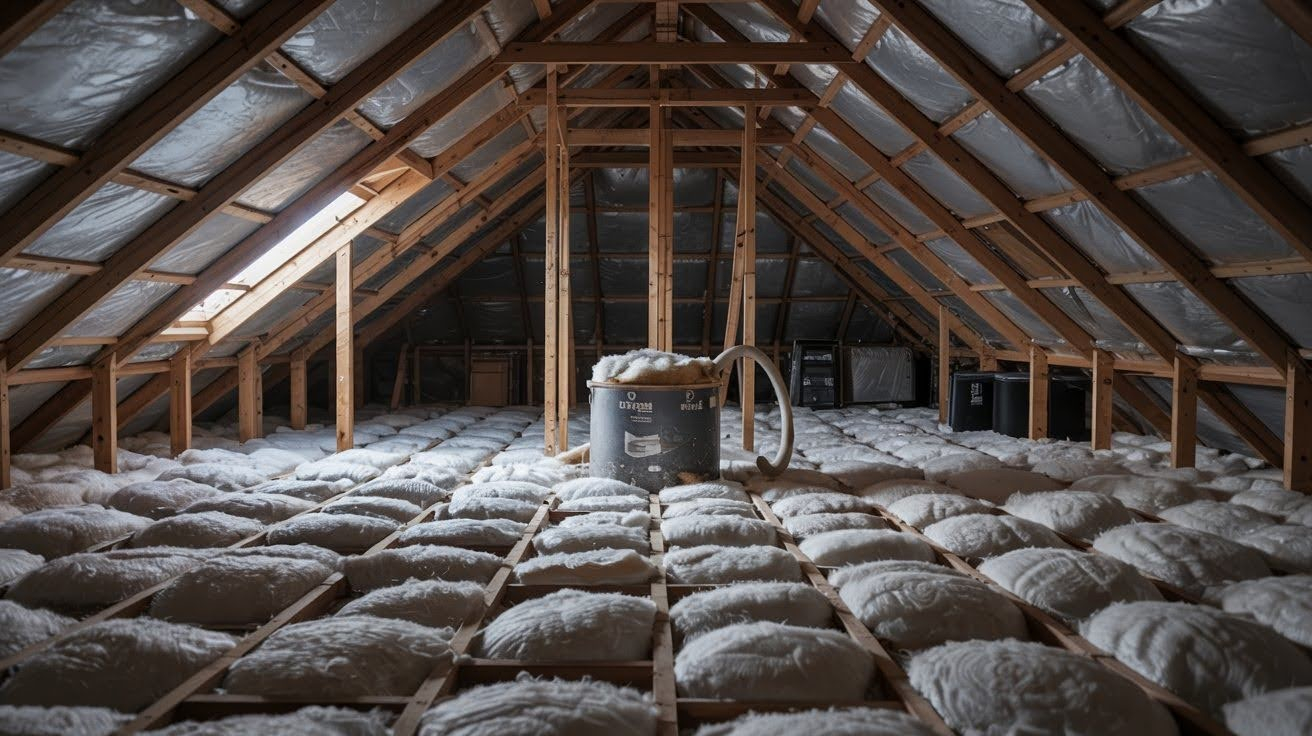
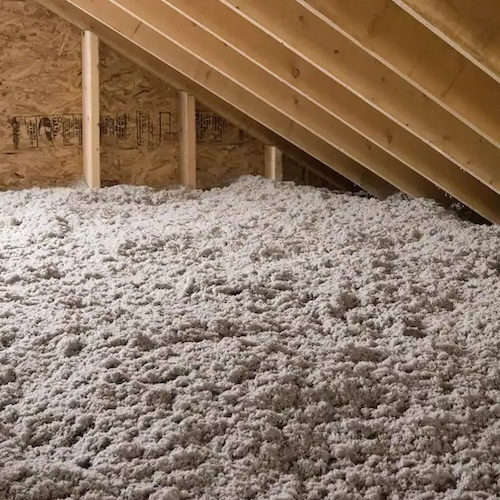
You know that feeling when you walk into your house on a sweltering July afternoon, and it feels like an oven? Or maybe it’s the dead of winter, and your toes are numb despite wearing three pairs of socks. We’ve all been there. It’s frustrating. It’s expensive. And usually, the culprit is hiding right above your head.
Most of us don’t think about our attics until something goes wrong. But in 2026, with energy prices still bouncing around and climate extremes becoming the new normal, ignoring that empty space above your ceiling is costing you more than just comfort. It’s draining your wallet. Blown-in insulation has become the go-to fix for many homeowners, but how much does it actually cost? And more importantly, is it worth the hassle? Let’s dig into the real numbers, the hidden benefits, and what you’re truly paying for when you hire a crew to blow fluffy stuff into your attic.
Breaking Down the Price Tag
Let’s be honest: nobody likes surprise bills. When you start looking into attic insulation, the prices can seem all over the place. One website says $800, another says $8,000. So, what’s the deal? In 2026, the cost for blown-in attic insulation typically lands between $900 and $3,600 for an average home. That’s a wide range, I know. But it makes sense once you look at the details.
The biggest factor is obviously size. A cozy 500-square-foot attic might only set you back $750 to $1,500. But if you’ve got a sprawling 2,500-square-foot space, you’re looking at $3,750 to $9,000 or more. Contractors usually charge by the square foot, with blown-in materials ranging from $1.00 to $2.80 per square foot. This price includes both the material and the labor to get it up there. It’s not just about dumping bags of cellulose; it’s about doing it right so it settles properly and covers every nook and cranny.
Then there’s the type of material. Cellulose, which is made from recycled paper, is popular and usually sits in the $1,200 to $3,500 range for a full job. Fiberglass is another common option, often costing slightly less per square foot, around $0.25 to $0.50 for the material itself, though labor adds up. If you’re considering spray foam, prepare your wallet for a bigger hit—$3,000 to $7,000 is common. But for most people looking for a balance of cost and performance, blown-in cellulose or fiberglass is the sweet spot.
What Drives the Cost Up or Down?
It’s not just about square footage. Several other things can make your quote jump around. Access is a huge one. If your attic has a tiny hatch that requires a contortionist to squeeze through, expect to pay more for labor. Crews might need extra time or special equipment to get the hose up there. On the flip side, if you have a large, easy-to-access door, the job goes faster, and your bill stays lower.
Another major cost driver is what’s already up there. Do you have old, matted-down insulation from the 1970s? Does it need to be removed? Removal adds significant cost. Sometimes, contractors can blow new insulation over the old stuff, but if it’s wet, moldy, or infested with pests, it has to go. That’s extra labor and disposal fees. Also, check if you need air sealing. Insulation works best when air isn’t leaking through cracks. Adding air sealing before blowing in insulation might add a few hundred dollars, but it boosts effectiveness massively.
Don’t forget about your location. Prices vary by region due to labor rates and material availability. In some parts of the country, demand is higher, pushing prices up. Plus, local building codes might require specific R-values (more on that later), which means you might need more material than you initially thought. Always get at least three quotes. You’d be surprised how much they can differ for the exact same job.
Understanding R-Value and Why It Matters
You’ll hear contractors talk about "R-value" a lot. It sounds technical, but it’s actually pretty simple. R-value measures how well insulation resists heat flow. The higher the number, the better it insulates. In 2026, most experts recommend an R-value of R-38 to R-60 for attics, depending on where you live. If you’re in a cold climate like Minnesota, you’ll want closer to R-60. In milder zones, R-38 might suffice.
Why does this matter for your wallet? Because skimping on R-value means skimping on savings. If you only install R-19 when you need R-38, you’re leaving money on the table. Proper insulation acts like a thermal blanket for your house. It keeps the heat in during winter and out during summer. Without enough R-value, your HVAC system has to work overtime. That means higher electric and gas bills, month after month.
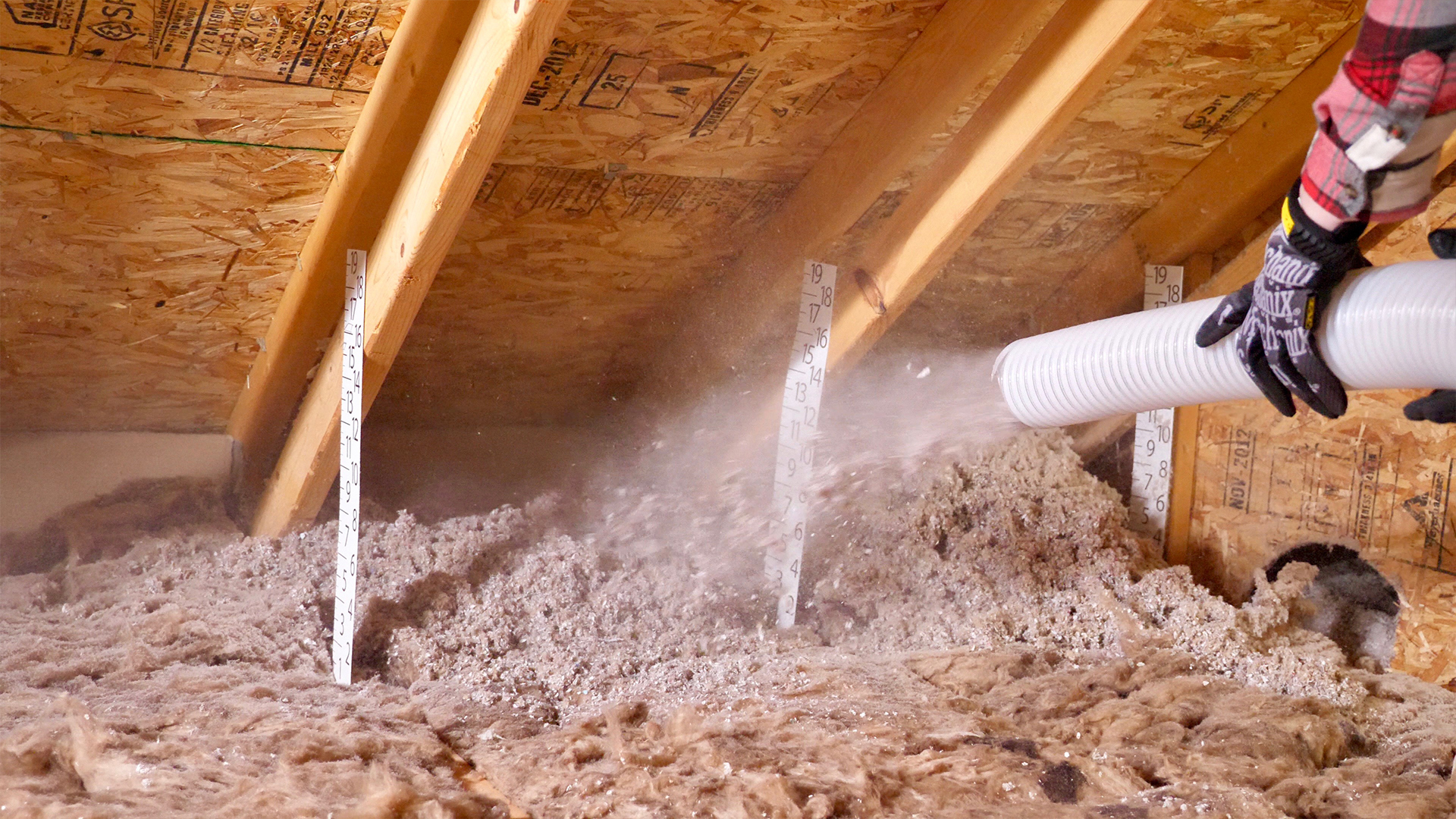
Blown-in insulation is great for achieving high R-values because it fills gaps that batts (those roll-up blankets) often miss. It conforms to odd shapes, around wires, and into corners. This seamless coverage ensures you get the full benefit of the R-value you paid for. Just make sure your contractor calculates the depth needed to hit your target R-value. Cellulose and fiberglass settle over time, so they might need to be installed slightly thicker to account for that. Ask about this during your estimate.
The Hidden Perks Beyond Energy Bills
Sure, saving 15-20% on your energy bills is fantastic. Most homeowners see their heating and cooling costs drop by that amount after proper insulation. Over a year, that could mean hundreds of dollars back in your pocket. But the benefits don’t stop there. There are some hidden perks that make the investment even sweeter.
Comfort is a big one. Have you ever noticed how the upstairs bedrooms are always hotter than the downstairs in summer? Or how drafty the living room feels in winter? Good attic insulation levels out those temperature swings. Your whole house feels more consistent. No more hot spots or cold drafts. It just feels… better. It’s a quality-of-life upgrade that you notice every single day.
Noise reduction is another unexpected bonus. Blown-in insulation absorbs sound. If you live near a busy street, have noisy neighbors, or just want a quieter home, extra insulation helps dampen outside noise. It also reduces the sound of rain or hail on your roof. It’s like adding a layer of silence to your home. Plus, some materials like cellulose are treated with fire retardants, adding a small layer of fire safety. It’s not a substitute for smoke alarms, but every little bit helps.
Is It Worth the Investment? The ROI Reality
Let’s talk return on investment (ROI). Spending $2,000 on insulation might feel like a lot upfront. But when you break it down, it often pays for itself. If you save $200 a year on energy bills, that’s a ten-year payback period. But energy prices aren’t static; they tend to rise. If your savings increase to $300 or $400 a year, the payback period shrinks to five or six years. After that, it’s pure profit.
In 2026, there are also incentives to consider. Federal tax credits and local rebates can offset a chunk of the cost. Some utility companies offer cash-back programs for upgrading insulation. Check with your local provider. These incentives can knock 10-30% off your final bill, making the ROI even faster. It’s basically free money for making your home more efficient.
Beyond direct cash savings, insulation boosts your home’s value. Buyers are smarter these days. They look for energy-efficient homes because they know it means lower ongoing costs. A well-insulated attic is a selling point. It shows the home has been cared for. While you might not get every dollar back if you sell immediately, it makes your property more attractive in a competitive market. It’s an investment in both your current comfort and future resale potential.
Common Mistakes to Avoid
Not all insulation jobs are created equal. I’ve heard stories of homeowners who paid good money only to end up with problems. One common mistake is skipping the air sealing step. Blowing insulation over big gaps and cracks is like putting a sweater on over a hole in your shirt. It helps a little, but the draft still gets through. Always seal air leaks first. Use caulk or foam around pipes, wires, and light fixtures.
Another pitfall is blocking ventilation. Your attic needs to breathe. Soffit vents allow air to flow in, and ridge vents let it out. If you blow insulation too close to the eaves, you block that airflow. This can trap moisture, leading to mold and wood rot. Good contractors use baffles—cardboard or plastic chutes—to keep the insulation back from the edges and ensure air can circulate. Make sure this is part of your contract.
Finally, don’t DIY unless you’re truly experienced. Renting a blower machine seems cheap, but getting the density right is tricky. Too loose, and it settles too much. Too dense, and it might compress underlying layers. Plus, handling insulation requires protective gear to avoid breathing in particles. Hiring a pro ensures the job is done safely and effectively. They have the experience to spot issues you might miss, like roof leaks or pest entry points.
So, where does this leave you? If your home feels drafty, your bills are high, or your attic insulation is old and thin, blown-in insulation is a solid move. In 2026, the costs are reasonable, especially when you factor in the long-term savings and comfort. Start by measuring your attic space. Get a rough idea of the square footage. Then, call a few local contractors for quotes. Ask them about their process, the materials they use, and whether they include air sealing.
Look beyond the bottom line. Choose a contractor who explains the R-value goals for your climate zone. Ask about warranties. Do they guarantee the depth of the insulation after settling? Are they insured? These details matter. Don’t just pick the cheapest option. Pick the one that offers the best value and peace of mind.
Remember, this isn’t just about fixing a problem. It’s about upgrading your home. It’s about sleeping better in the summer and staying warmer in the winter. It’s about knowing you’re doing your part to reduce energy waste. The real cost of blown-in insulation isn’t just the check you write today; it’s the value you get every single day for years to come. And in most cases, that value is worth every penny.