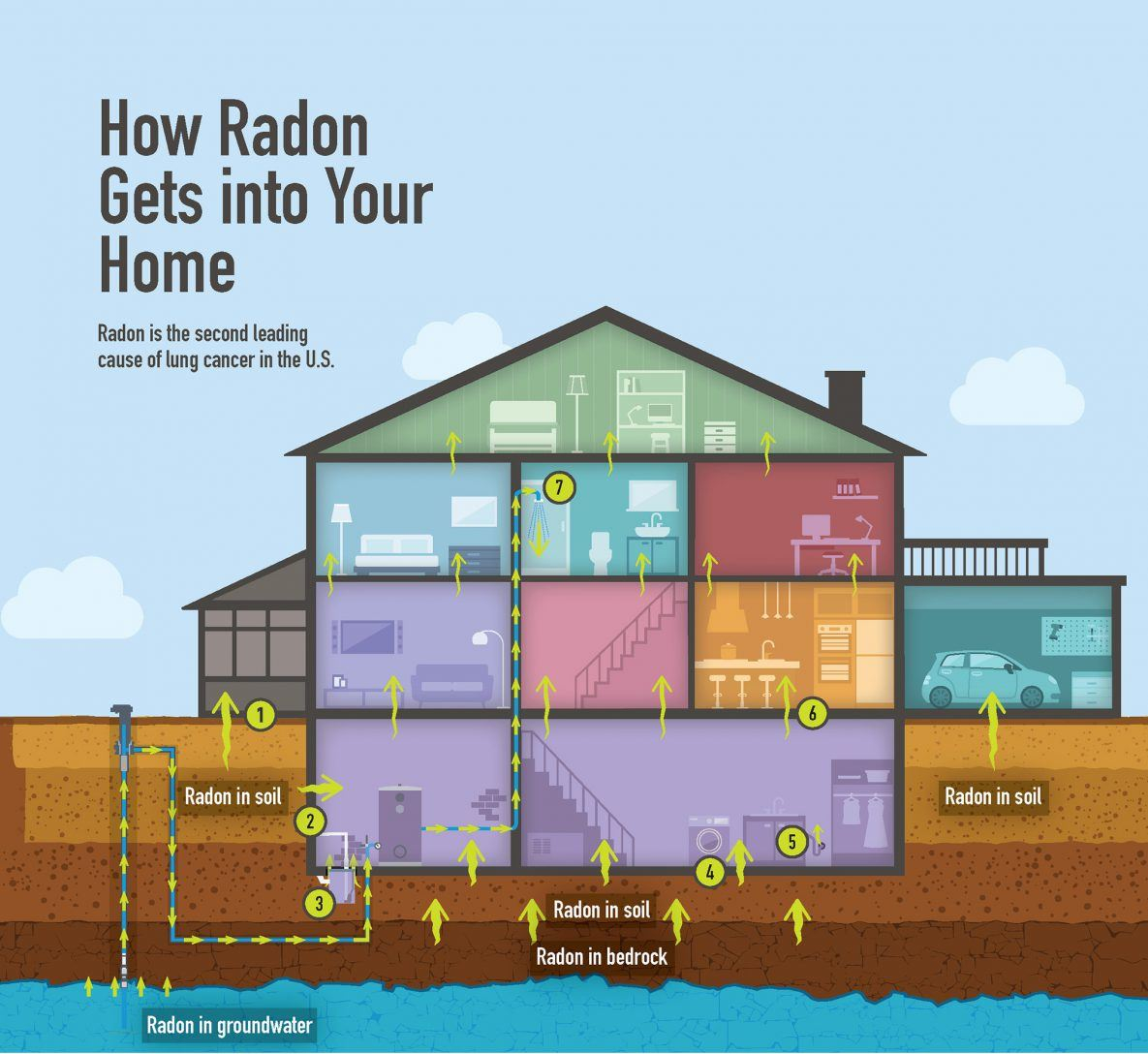
You’re standing in the middle of your dream home. The floors are gleaming, the paint is fresh, and the sunlight is pouring through those massive windows you fell in love with during the open house. It feels perfect. But there’s something you can’t see, smell, or taste lurking beneath that beautiful foundation. Radon. It’s a silent intruder, a radioactive gas that seeps up from the ground, and it’s the second leading cause of lung cancer in the United States. Scary, right? Especially when you think you’ve done everything right by buying new.
Here’s the thing though. New doesn’t always mean safe. While building codes have gotten much stricter over the last decade, not every builder follows them to the letter, and not every "radon-ready" home is actually ready. You might assume that because the house was built in 2025 or 2026, it’s protected. That’s a dangerous gamble. Verifying these features isn’t just about checking a box on an inspection report; it’s about ensuring the air your family breathes is truly clean. Let’s walk through exactly what to look for, so you can sleep soundly knowing your invisible shield is solid.
Understanding the Basics of Radon Resistance
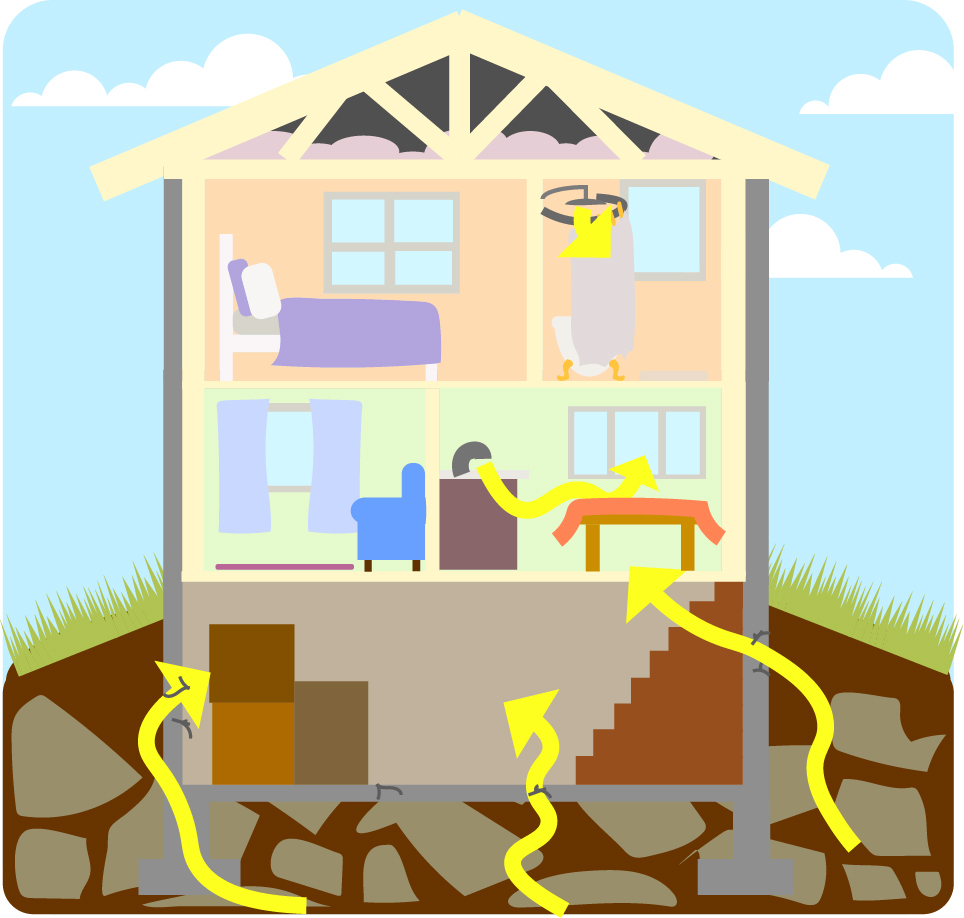
Before we start poking around in crawlspaces and attics, it helps to understand what we’re actually looking for. Radon resistance isn’t about blocking the gas entirely—that’s nearly impossible because the earth beneath us naturally emits it. Instead, the goal is passive venting. Think of it like a chimney for your foundation. The system creates a path of least resistance for the gas to travel from the soil, up through a pipe, and out above the roofline, where it dissipates harmlessly into the atmosphere. This is usually achieved through a technique called sub-slab depressurization.
In a properly constructed home, there’s a layer of gravel or gas-permeable material under the concrete slab. This allows the radon to move freely horizontally before it hits the vertical pipe. If the builder just poured concrete directly onto dense clay without this layer, the gas has nowhere to go but up through cracks in your floor. It’s a simple concept, but execution matters immensely. In 2026, most regional building codes in high-risk zones require this setup, but "code minimum" isn’t always the same as "best practice." You want to see a system designed to work efficiently, not just one that barely passes inspection.
The key takeaway here is that radon resistant new construction (RRNC) is a system, not a single product. It involves multiple components working together. If one part is missing or installed incorrectly, the whole system can fail. That’s why you can’t just look for a pipe and call it a day. You need to verify the integrity of the entire assembly. It’s kinda like checking a car’s safety features; you wouldn’t just look at the seatbelts and ignore the airbags, right? Same logic applies here. Every piece counts.
Inspecting the Sub-Slab Components
Now, let’s get our hands dirty. Ideally, you’d catch this before the concrete is poured, but since most of us walk in after the fact, we have to rely on visual clues and documentation. The first thing to ask for is the builder’s specs or the inspection reports from the framing stage. You’re looking for evidence of a four-inch layer of clean aggregate (gravel) under the slab. If they used a sand layer, it needs to be coarse enough to allow air flow. Fine sand acts like a sponge and blocks the gas, which defeats the purpose.
Next, check for the vapor barrier. This is a thick sheet of plastic (usually 6-mil or thicker) laid over the gravel and under the concrete. Its job is twofold: it keeps moisture out of your basement, and it helps direct radon gas toward the suction point. Look for seams that are taped or sealed. If the plastic is torn or poorly sealed around the edges, radon can bypass the pipe and seep into your living space. In some newer constructions from 2024 and 2025, builders are using even thicker, puncture-resistant membranes, which is a great sign of quality.
If you have an unfinished basement or crawlspace, you might be able to see the edge of this setup. Look for the black plastic peeking out between the foundation wall and the floor slab. It should be continuous. Also, check for a "suction pit" or a perforated pipe embedded in the gravel. This is where the vertical vent pipe connects. If you can’t see any of this because it’s all covered up, don’t panic. Ask the builder for photos taken during construction. A reputable builder will have these on file. If they hesitate or say they “don’t keep records,” that’s a red flag waving right in your face.
Tracing the Vent Pipe System
The most visible part of the system is the PVC pipe. It should be clearly labeled “Radon Vent” or similar, though often it just looks like a standard plumbing pipe. Start at the floor. The pipe should emerge from the slab or the crawlspace floor and run vertically up through the house. It needs to be at least three inches in diameter, though four inches is better for airflow. Check if the pipe is continuous. There shouldn’t be any random caps or plugs along the way unless they’re specifically designed for future fan installation.
As the pipe travels upward, it should stay inside the conditioned space of the home (like inside a wall or closet) for as long as possible before exiting the roof. Why? Because warm air rises. Keeping the pipe warm helps create a natural stack effect, pulling the radon up even without a fan. If the pipe runs through an unheated garage or outside the house immediately, it loses that thermal advantage. In colder climates, this is crucial. I’ve seen systems where the pipe was routed outside too early, causing condensation issues and reduced efficiency. That’s a rookie mistake.
When the pipe exits the roof, it needs to be at least 10 feet away from any windows, doors, or air intake vents. This is non-negotiable. You don’t want the radon being sucked back into your HVAC system. Check the roof termination. It should have a weatherhead or a cap that keeps rain and birds out but allows air to escape freely. Sometimes, builders install a simple open pipe, which can let in debris. A proper termination point looks neat and purposeful. If it looks like an afterthought, dig deeper.
Checking for the Electrical Rough-In
Here’s where many homes fall short. A passive system (one without a fan) can reduce radon levels by 30 to 50 percent, but it’s not always enough. In high-radon areas, you’ll likely need an active system with a fan. That’s why modern standards require an electrical rough-in. This means there should be a junction box and a power source located near the vent pipe, usually in the attic or an exterior wall. It’s basically a placeholder for a fan that hasn’t been installed yet.
Go to the attic or the location where the pipe runs. Look for an electrical box with wires capped inside. It should be within six feet of the vent pipe. If you see this, it means the builder anticipated the need for a fan. If you don’t see it, installing a fan later becomes a much bigger, more expensive job involving an electrician running new lines through finished walls. That’s a hassle you want to avoid. In 2026, many energy-efficient homes are integrating this into their smart home electrical plans, so it should be easy to spot.
Also, check if the builder installed a manometer. This is a simple U-shaped tube filled with liquid that shows pressure differences. It’s often mounted on the pipe in the basement or garage. If the liquid levels are uneven, it means there’s suction happening (if a fan is running) or it serves as a visual indicator for future testing. Even without a fan, having this gauge installed shows attention to detail. It’s a small thing, but it tells you the builder knows what they’re doing. If it’s missing, note it down.
Reviewing Documentation and Labels
Paperwork might seem boring, but in this case, it’s your best friend. Ask for the radon-resistant construction checklist. Many states and local jurisdictions require builders to fill this out during inspections. It confirms that the gravel layer, vapor barrier, and piping were inspected and approved. If the builder can’t produce this, you’re flying blind. Don’t accept verbal assurances. “Oh, we always do it right” isn’t proof. You need dates, inspector signatures, and specific notes.
Look for labels on the pipes themselves. Some manufacturers print “Radon System” directly on the PVC. This helps distinguish it from plumbing vents, which is important for future maintenance. You don’t want a plumber accidentally capping your radon vent thinking it’s an unused drain. Clear labeling prevents costly mistakes down the road. Also, check if there’s a homeowner’s manual section dedicated to radon. It should explain how the system works and how to test it.
Another document to request is the soil gas report. In some high-risk areas, builders test the soil before construction begins. If the radon potential is extremely high, they might have upgraded the system beyond code requirements. Knowing this gives you peace of mind. If they didn’t test the soil, ask why. In regions known for high radon, skipping this step is negligent. It’s like building a house in a flood zone without checking the elevation. You just don’t do it.
Even with all the right features in place, you still need to test. Period. Radon levels vary by season, weather, and even how tightly your home is sealed. The EPA recommends testing every two years, but definitely test immediately after moving in. Buy a short-term test kit (charcoal canister or digital monitor) and place it in the lowest lived-in level of the house. Follow the instructions carefully. Keep windows closed for the required period to get an accurate baseline.
If your test comes back above 4 pCi/L (picocuries per liter), don’t panic. Remember, you have a rough-in. Hiring a certified radon mitigator to install a fan is straightforward and usually costs between $800 and $1,500. Because the pipe is already there, it’s a quick job. The fan will kick the system into high gear, dropping levels significantly. Most active systems bring levels down to below 2 pCi/L, which is considered very safe. The beauty of RRNC is that it makes this fix easy and cheap.
Keep in mind that energy-efficient homes, common in 2026, are tighter than older houses. This can sometimes trap radon inside if the passive system isn’t working well. That’s why testing is critical. Don’t assume the green certification means radon-free. They are different issues. Verify the radon levels independently. If the levels are low, great. You’ve confirmed your invisible shield is working. If they’re high, you’ve caught it early, and the fix is simple. Either way, you win by knowing.
So, there you have it. Verifying radon resistance isn’t rocket science, but it does require a bit of detective work. Look for the gravel, check the plastic, trace the pipe, find the electrical box, read the paperwork, and test the air. It’s a small effort for a huge payoff in health and safety. Don’t let the excitement of a new home blind you to the details underneath. Your lungs will thank you. And honestly, isn’t that worth a little extra scrutiny? Stay curious, stay vigilant, and breathe easy.