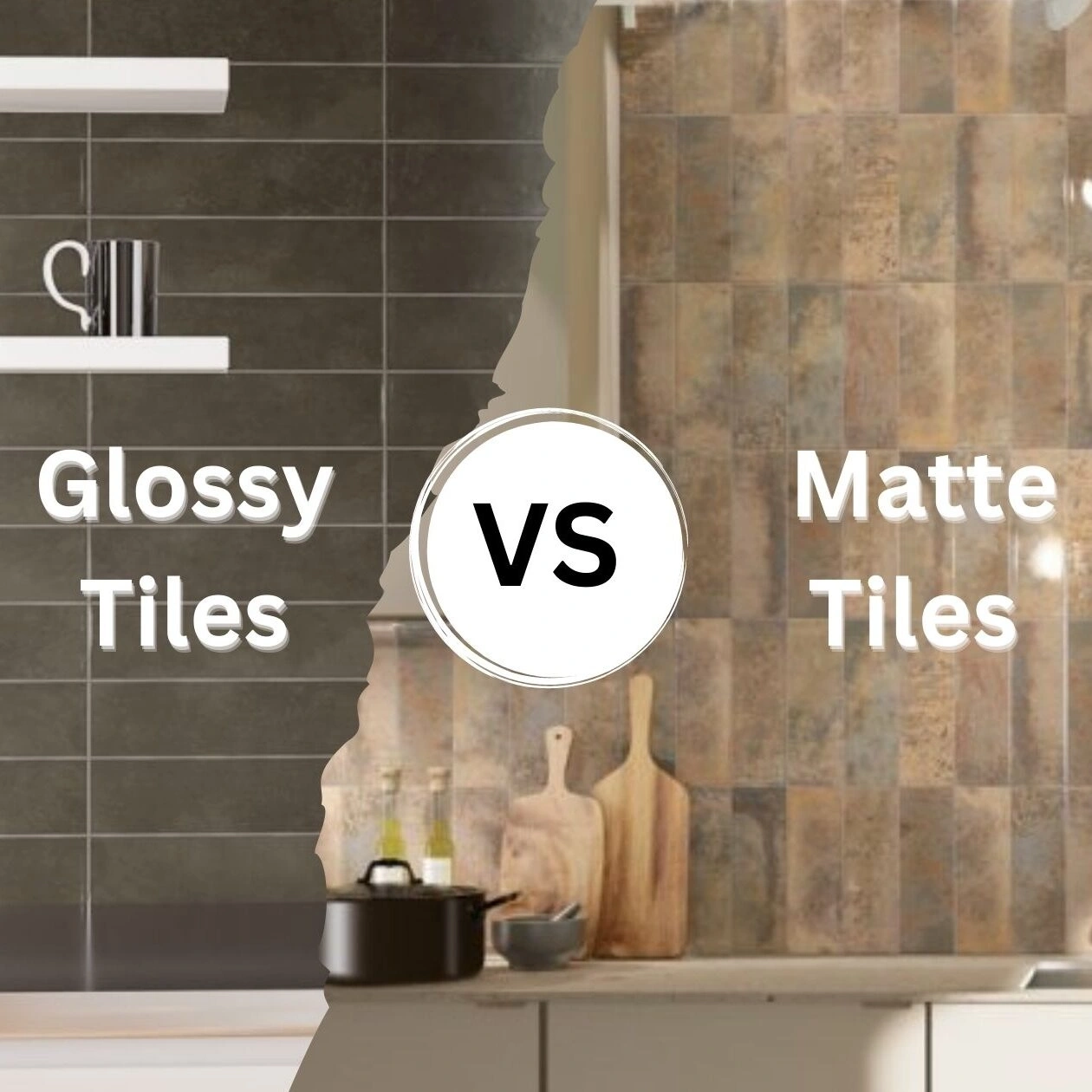
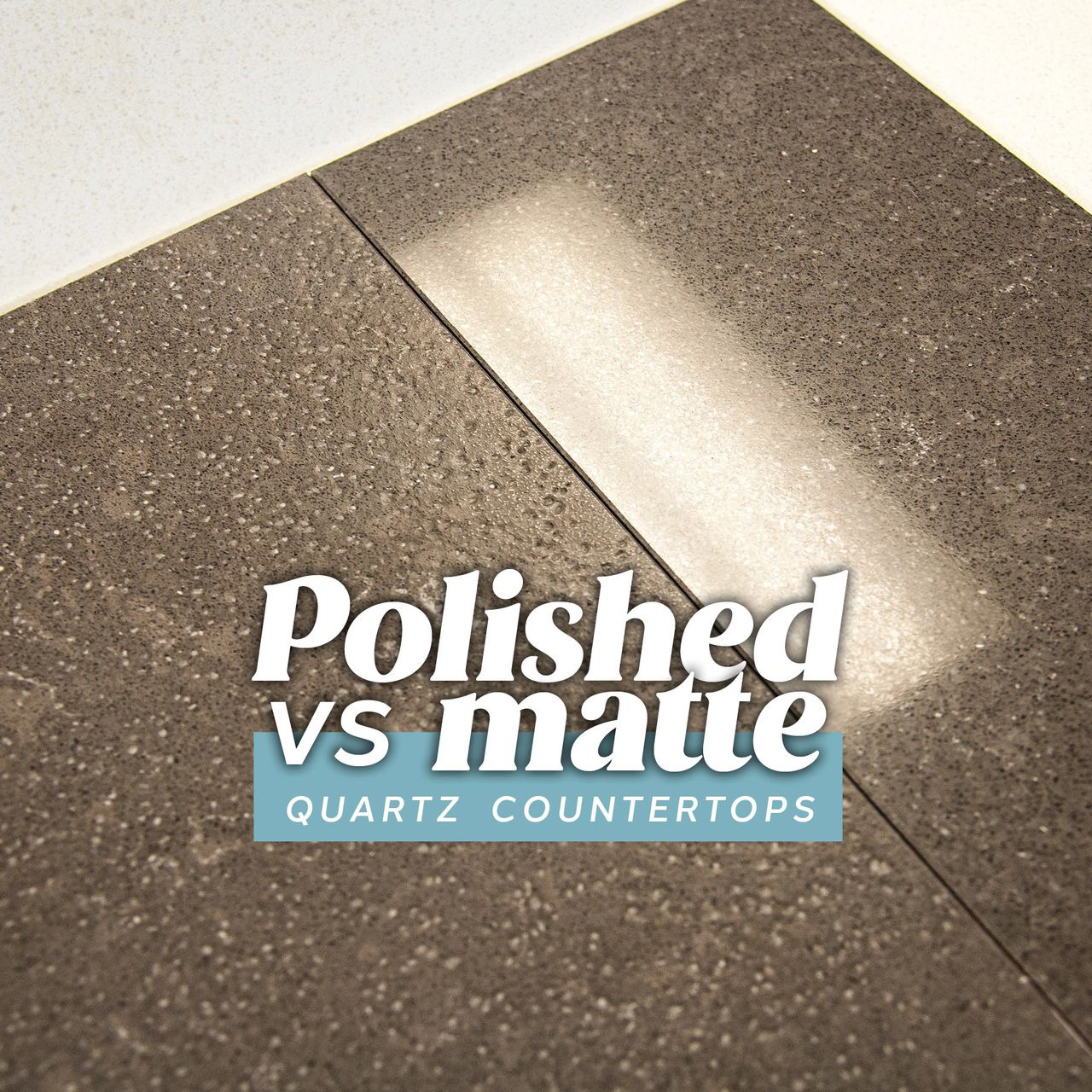
You’ve probably stood in a tile showroom, squinting under those harsh fluorescent lights, trying to decide between two samples that look almost identical except for one thing: the shine. One reflects your face like a mirror; the other looks soft, muted, maybe even a little dusty. It’s easy to pick based on vibes alone. The shiny one feels luxurious, modern, expensive. The matte one feels cozy, understated, safe. But here’s the thing most people don’t realize until it’s too late—that finish isn’t just about aesthetics. It’s about physics. And when water hits that floor, physics doesn’t care about your design mood board.
We’ve all had that heart-stopping moment. You step out of the shower, foot hits the floor, and suddenly you’re sliding like you’re on ice. Or maybe you dropped a glass of wine in the kitchen and watched it shatter because your sock couldn’t find any traction. These aren’t just clumsy moments; they are direct results of choosing the wrong surface for the wrong space. In 2026, with home safety becoming a bigger priority than ever, understanding the grip—or lack thereof—of your flooring is critical. It’s not just about keeping clean; it’s about staying upright.
The Slippery Truth About Glossy Finishes
Let’s talk about glossy tiles first, because they are the tricksters of the flooring world. On paper, and in photos, they are stunning. They bounce light around, making small bathrooms feel huge and dark hallways feel bright. That reflective quality is why designers love them for walls and accent pieces. But on the floor? It’s a different story. A glossy finish is essentially a sheet of glass fused to ceramic or porcelain. When it’s dry, it’s fine. You can walk across it without a second thought. But add a single drop of water, soap scum, or even a bit of humidity, and that surface transforms into a slip-and-slide.
The danger here is subtle. It’s not always obvious that the floor is slippery until you’re already moving. This is especially true in bathrooms where steam condenses on the floor, or in entryways where rain gets tracked in. Recent data from home safety studies in 2025 highlighted that a significant portion of household falls happen on smooth, wet surfaces. Glossy tiles have a low coefficient of friction when wet. Think of it like driving a car on bald tires in the rain. You might be going slow, but you still lose control. If you have elderly family members, young kids who run with wet feet, or anyone with mobility issues, glossy floors in wet zones are a hazard waiting to happen.
However, this doesn’t mean you have to banish glossy tiles entirely. The key is placement. Use them on vertical surfaces. Shower walls, backsplashes, and feature walls are perfect for glossy finishes because nobody walks on them. They reflect light beautifully and are incredibly easy to wipe down. Just keep them off the ground in any room where water is present. If you absolutely must have a shiny floor in a dry area, like a powder room that rarely gets wet, make sure you use rugs with non-slip backing. But honestly? It’s usually better to play it safe.
Why Matte Tiles Are the Safety Hero
Now, let’s flip the script to matte tiles. If glossy is the flashy sports car, matte is the reliable SUV. It might not turn heads with its sparkle, but it gets the job done safely. Matte tiles have a textured surface, even if it feels smooth to the touch. This microscopic texture creates friction. When water hits a matte tile, it doesn’t pool on top as easily; it tends to bead up or get trapped in the tiny imperfections, allowing your shoe or bare foot to find some grip. This makes them the gold standard for safety in wet areas.
In 2026, the trend towards "wellness homes" has pushed matte finishes into the spotlight. People are realizing that a home should feel good to live in, not just look good in pictures. Matte tiles provide a sense of warmth and grounding. They don’t glare at you when the sun hits them in the afternoon. More importantly, they offer peace of mind. You can step out of the tub without doing a mental calculation of how fast you need to move to avoid falling. For families, this is invaluable. Kids spill things. Pets shake water off their fur. Life happens. Matte floors handle the chaos with grace.
But there’s a catch, and we’ll get to maintenance in a bit. While matte is safer, it’s not invincible. A highly polished matte tile can still be slick if it’s covered in soap residue. The term "matte" covers a wide range of textures. Some are barely textured, while others are quite rough. When shopping, don’t just look at the sample dry. Ask for a wet sample test. Pour some water on it and rub your hand across. Does it feel grippy? Or does your hand slide? Trust your hands more than your eyes. The best matte tiles for floors often have a slight grit to them, similar to fine sandpaper, though much smoother.
Room-by-Room Safety Breakdown
So, where exactly should you put each type? Let’s break it down room by room, because context is everything. Starting with the bathroom, specifically the shower floor. This is non-negotiable: use matte or, even better, textured stone-look tiles here. The combination of soap, shampoo, and hot water creates the perfect storm for slipping. Glossy tiles in a shower basin are a lawsuit waiting to happen. For the bathroom floor outside the shower, matte is still the winner. Water splashes, condensation drips from the ceiling, and wet towels hit the ground. You need traction.
The kitchen is a tricky middle ground. It’s not always wet, but it’s often greasy or damp. Spilled oil on a glossy tile is like an ice rink. Spilled oil on a matte tile is messy, but you won’t necessarily slide across the room. For kitchen floors, lean towards matte or a satin finish, which is a hybrid. Satin offers a bit of sheen but retains more grip than high-gloss. Avoid high-gloss on kitchen floors unless you are extremely diligent about wiping up spills immediately. For kitchen backsplashes, go wild with glossy. It’s easy to clean sauce splatters off a smooth, shiny surface, and since it’s on the wall, slip resistance doesn’t matter.
Entryways and mudrooms are high-traffic zones that deal with the outdoors. Rain, snow, mud, and gravel all come in through the front door. Here, durability and safety go hand in hand. Matte tiles are superior because they hide dirt better and provide grip for wet shoes. Glossy tiles in an entryway will show every footprint and become dangerously slick when it rains. If you live in a climate with heavy snowfall, consider a textured matte tile that can handle the abrasion of salt and sand while keeping your guests upright. Don’t sacrifice safety for shine in these transitional spaces.
The Hidden Danger of Cleaning Products
Here’s something most homeowners overlook: your cleaning routine can change the safety profile of your tiles. Many commercial cleaners leave behind a residue. On glossy tiles, this residue might just look like streaks, annoying but harmless. On matte tiles, however, certain waxy or oily cleaners can fill in those microscopic textures that provide grip. Suddenly, your safe matte floor becomes slick. It’s a silent hazard. You think you’re cleaning, but you’re actually lubricating the floor. This is particularly common with "shine-enhancing" cleaners marketed for ceramic tiles.
In 2026, eco-friendly cleaning has become mainstream, which is great for safety. Natural cleaners like vinegar and water solutions tend to rinse away cleanly without leaving a filmy buildup. If you use commercial products, look for ones labeled "residue-free" or "no-rinse." Always test a small area first. After mopping, walk across the floor with socks on. Does it feel sticky? Or does it feel smooth and grippy? If your socks stick, you have residue. If you slide, you might have used too much product or the wrong type. Less is more when it comes to floor cleaners.
Another factor is the grout. Grout lines add texture and grip to any tile installation. Wide grout lines can actually improve safety on smoother tiles by providing places for your foot to catch. However, grout can also harbor mold and mildew if not sealed properly, which can become slimy and slippery. Regularly sealing your grout is a safety maintenance task, not just a cosmetic one. A clean, sealed grout line helps maintain the intended friction of your floor. Don’t neglect the spaces between the tiles; they are part of the safety system.
Lighting and Perception: Seeing the Hazard
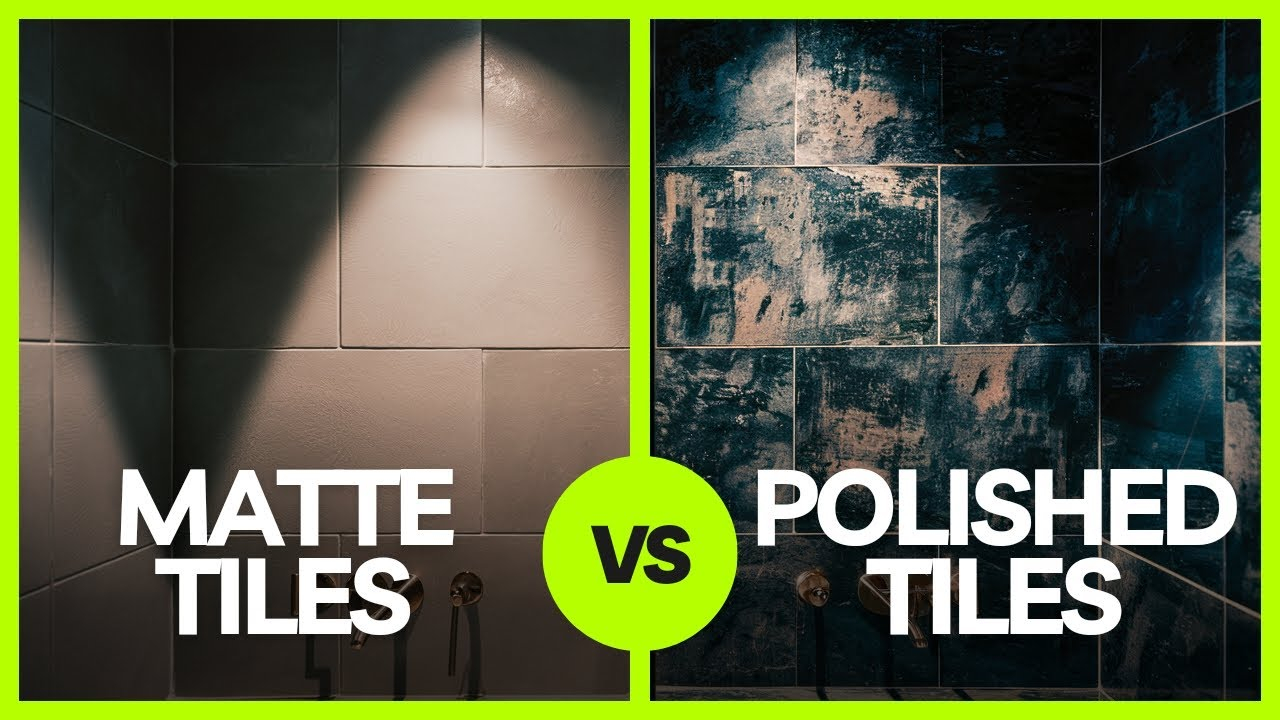
Safety isn’t just about physical traction; it’s about visibility. Glossy tiles reflect light, which can create glare. In a brightly lit bathroom or kitchen, this glare can be blinding, making it hard to see obstacles on the floor. If you have poor depth perception or vision issues, this glare can disorient you. You might misjudge the location of a rug edge or a step down. Matte tiles absorb light, reducing glare and creating a more even visual field. This makes it easier to spot hazards like a dropped toy or a puddle of water before you step in it.
Lighting placement matters too. If you have recessed lighting directly above a glossy floor, you create hotspots of reflection. These spots can mask wet areas because the shine of the water blends in with the shine of the tile. With matte floors, wet spots are more visible because they change the way light reflects off the surface. A wet patch on a matte tile looks darker and distinct. This visual cue allows you to react—either by drying it up or walking around it. In this way, matte tiles offer a secondary safety benefit: they help you see the danger.
Consider the time of day as well. Morning sun streaming through a window can hit a glossy floor and create a dazzling effect that lasts for hours. This isn’t just annoying; it’s a trip hazard. If you’re rushing to get ready for work, that glare can obscure your path. Matte floors remain consistent in varying light conditions. They don’t fight with the sun. For bedrooms and hallways where natural light fluctuates, matte finishes provide a stable, predictable environment. Your eyes don’t have to constantly adjust, reducing fatigue and improving awareness.
Ultimately, the choice between matte and glossy comes down to how you live. Do you have a busy household with kids and pets? Do you entertain often, with guests who might not know where the wet spots are? Or do you live alone, are meticulous about cleaning, and prefer a sleek, minimalist aesthetic? There is no wrong answer, only the right answer for your specific situation. In 2026, the market offers more hybrids than ever before. Satin, lappato, and semi-polished finishes bridge the gap, offering some shine with improved traction.
If you love the look of gloss but need safety, consider using large-format glossy tiles on the walls and smaller, textured matte tiles on the floor. This creates a cohesive look while prioritizing function where it counts. Another option is area rugs. A well-placed, non-slip rug can mitigate the risk of a glossy floor in a dry area. But remember, rugs can slip too if they don’t have proper backing. So, invest in quality rug pads. They are cheap insurance against falls.
Don’t be afraid to ask for technical specs when buying tile. Look for the Dynamic Coefficient of Friction (DCOF) rating. This is a standardized measure of slip resistance. For level interior floors expected to be walked on when wet, a DCOF of 0.42 or higher is recommended by industry standards. Glossy tiles often fall below this threshold when wet. Matte tiles usually exceed it. Asking for this number takes the guesswork out of the equation. It’s not just about how it looks; it’s about the science of safety. Arm yourself with data, not just design trends.
Choosing the right tile finish is one of those decisions that seems small during renovation but impacts your daily life for decades. It’s about more than just style; it’s about creating a home that supports your movement and keeps your family safe. Whether you choose the quiet confidence of matte or the bold statement of glossy, make sure you understand the trade-offs. Test the samples. Think about the water. Consider the light. And remember, a beautiful home is a safe home. Don’t let a slippery floor undermine all the hard work you’ve put into making your space yours. Stay grounded, stay safe, and let your floors support you, literally and figuratively.