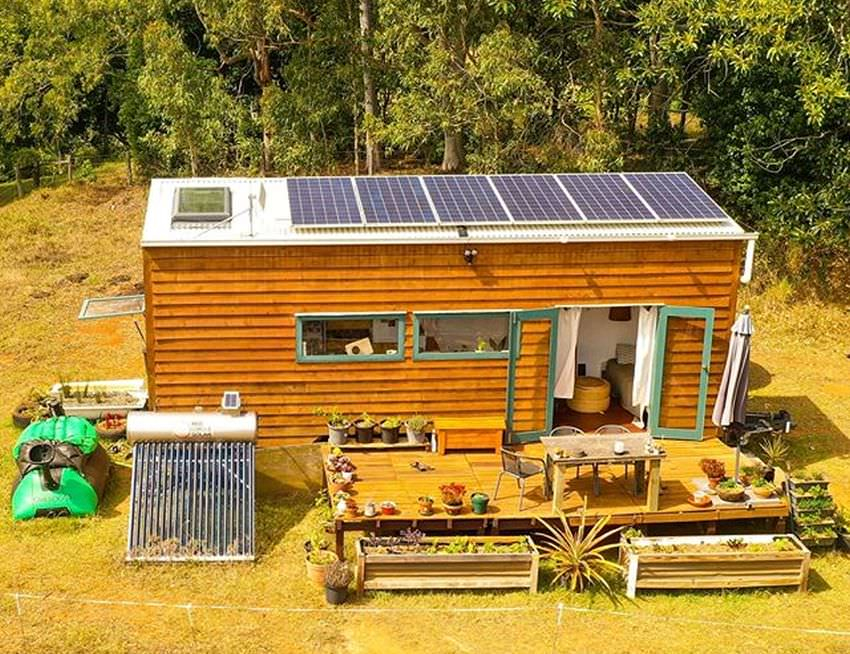
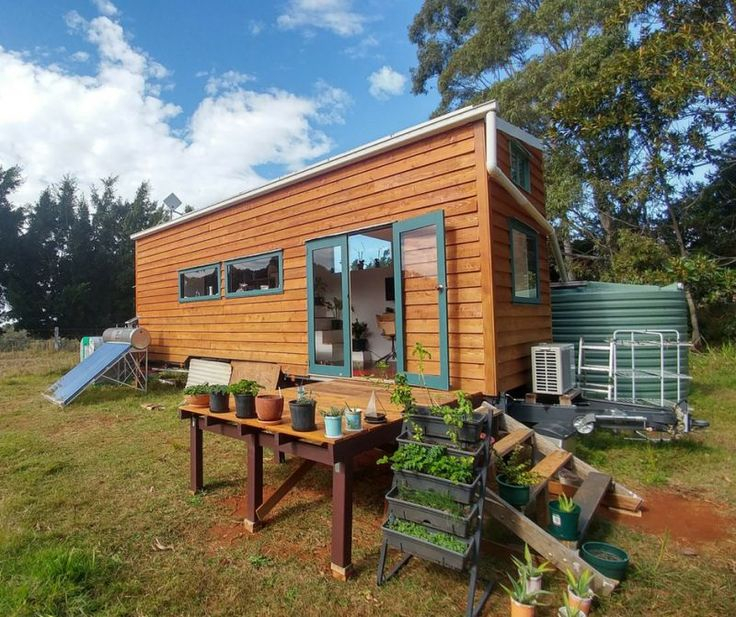
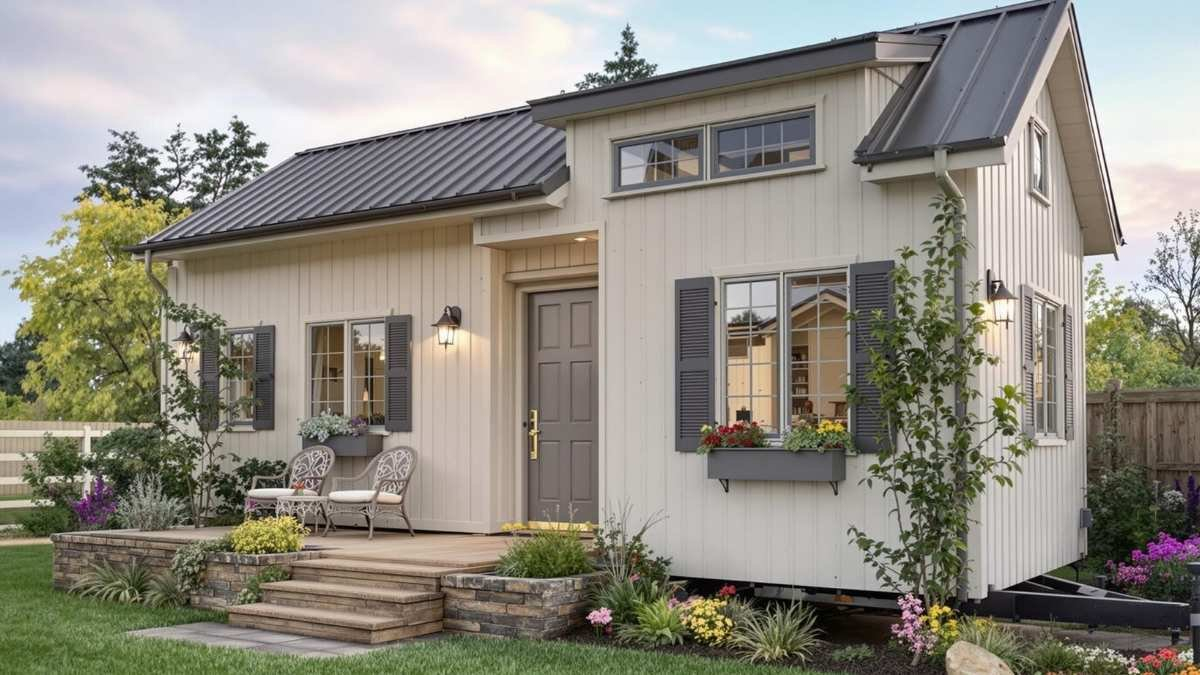
Remember when adding a room to your house meant months of dust, noise, and contractors who never showed up on time? Those days are fading fast. In 2026, the backyard has become the new frontier for smart homeownership, and the star of the show isn’t a pool or a patio—it’s a prefab tiny home. These aren’t the flimsy sheds of the past. They are sleek, modern, fully insulated living spaces that drop into your yard like a piece of high-tech furniture.
It’s not just about having a cool spot to read a book. It’s about solving real problems. Housing costs are still sky-high, and traditional construction is slower than ever. But these factory-built units offer a way out. They are quick, they are stylish, and they make financial sense. Whether you need a place for aging parents, a rental unit to pay the mortgage, or just some quiet space to think, the prefab tiny home is answering the call. And honestly? It’s about time.
The Speed Factor: From Order to Move-In in Weeks
Let’s talk about time. In the world of traditional home building, patience isn’t just a virtue; it’s a requirement. You’re looking at 12 to 18 months for a standard addition or new build in 2026. Labor shortages haven’t exactly vanished, and supply chain hiccups still pop up when you least expect them. That’s a long time to live in a construction zone. Now, compare that to a prefab tiny home. Most manufacturers can deliver a fully finished unit in just 6 to 12 weeks.
Think about that. Three months. While your neighbor is still waiting for their lumber delivery, you could be unpacking boxes in your new backyard studio. This speed comes from the factory setting. These homes are built indoors, away from rain, snow, and heat delays. Every step is optimized. Walls go up faster. Wiring is installed with precision. It’s assembly line efficiency applied to living spaces.
This "move-in ready" advantage is huge. It means less disruption to your daily life. You aren’t dealing with crews in your driveway for half a year. You order, you prep the site, and then—boom—your new space arrives. For people who need housing now, not next year, this timeline is a game changer. It turns a massive project into a manageable weekend event. Well, maybe a bit longer than a weekend, but you get the idea. It’s fast. Really fast.
Cost Efficiency Without Cutting Corners
Money talks, especially in 2026. Building a traditional home addition can easily spiral out of control. Hidden costs, change orders, and material price hikes are the norm. Prefab tiny homes offer a refreshing alternative. We are seeing prices range between $80,000 and $150,000 for a high-quality unit. That sounds like a lot, sure. But when you consider that it’s roughly one-third the price of a standard new home, the value becomes clear.
You know what else is great? Predictability. When you buy a prefab, you often know the final cost upfront. There are fewer surprises. The factory controls the materials, so waste is minimized. That savings gets passed on to you. Plus, you aren’t paying for months of labor overhead. The efficiency of the production line keeps costs down without sacrificing quality. In fact, many argue the quality is higher because it’s built in a controlled environment.
But it’s not just about the purchase price. Think about the long term. These homes are designed to be efficient. Better insulation, tighter seals, and modern HVAC systems mean lower utility bills. If you use it as a rental, the income potential can offset the initial cost quickly. Some folks are using them to generate hundreds, even thousands, a month in rental income. That’s a return on investment that’s hard to ignore. It’s an asset that pays you back.
Navigating the Legal Landscape in 2026
Okay, let’s address the elephant in the room. Zoning laws. Can you actually put one of these in your backyard? The answer is… it depends. But the trend is moving in your favor. States like California, Florida, and Texas are leading the charge with more flexible accessory dwelling unit (ADU) laws. In many places, local governments are realizing that tiny homes help solve housing shortages. So, they are making it easier to permit them.
However, you can’t just drop a home anywhere. You need to check your local codes. Look for regulations regarding setbacks, height limits, and foundation requirements. Some areas require the unit to be on a permanent foundation, while others allow wheeled models if they are classified as RVs. It’s a bit of a maze, but it’s navigable. Many prefab companies now offer permitting assistance. They know the rules in different states and can guide you through the paperwork.
ANSI A119.5 certification is another thing to look for. Units with this certification meet specific safety and construction standards, which can make getting approval much smoother. It’s a stamp of legitimacy. Don’t skip the research phase. Talk to your local planning department. Ask questions. Get everything in writing. It might feel like a hassle, but doing it right ensures your investment is safe and legal. Ignoring the rules can lead to fines or having to remove the structure. Nobody wants that.
Design Versatility and Modern Aesthetics
Gone are the days when "tiny" meant "cramped and ugly." Today’s prefab homes are design marvels. Take the Minima module, for example. It’s a 215-square-foot wonder made with sustainable cross-laminated timber (CLT). It features cypress battens and a steel roof. It looks like something out of an architecture magazine. These homes are designed to blend with modern aesthetics, using clean lines and natural materials.
Inside, the magic happens through smart design. Multi-functional furniture is key. Beds that fold into walls, tables that expand, and storage hidden in stairs. Every inch is used wisely. You don’t feel like you’re living in a closet. You feel like you’re in a curated, efficient space. Large windows bring in light, making the interior feel airy and open. It’s psychological trickery, but it works beautifully.
And you have options. Want a home office? A yoga studio? A guest suite? These units are customizable. You can choose finishes, layouts, and features that fit your needs. Some companies offer modular add-ons, letting you start small and expand later. It’s flexibility that traditional construction just can’t match. You aren’t stuck with a generic box. You get a space that reflects your style and serves your purpose. It’s personal. It’s yours.
Sustainability and Eco-Friendly Living
We all want to do our part for the planet, right? Prefab tiny homes are inherently greener than traditional builds. Why? Less waste. Factories can recycle scraps and optimize material usage in ways that on-site builders can’t. A typical site-built home generates tons of trash. A prefab home generates a fraction of that. It’s a cleaner process from start to finish.
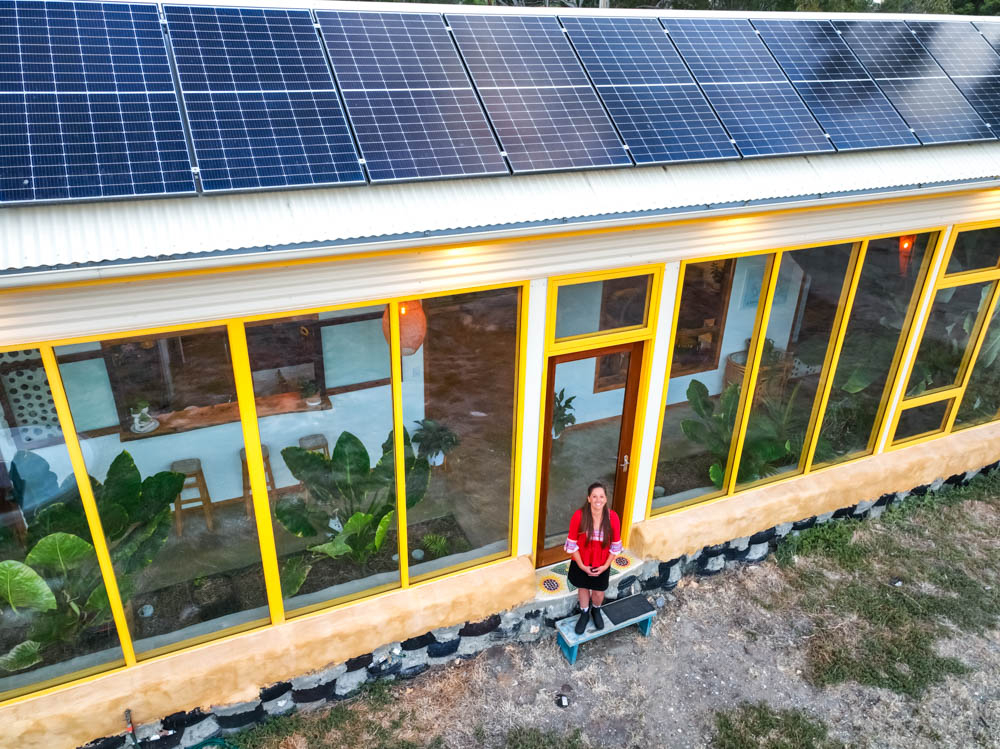
Then there’s the size. Smaller homes require fewer materials to build and less energy to heat and cool. Your carbon footprint shrinks literally and figuratively. Many manufacturers are also using eco-friendly materials, like the CLT mentioned earlier, which sequesters carbon. Solar panels are often integrated into the design, making these homes energy-independent or at least energy-efficient.
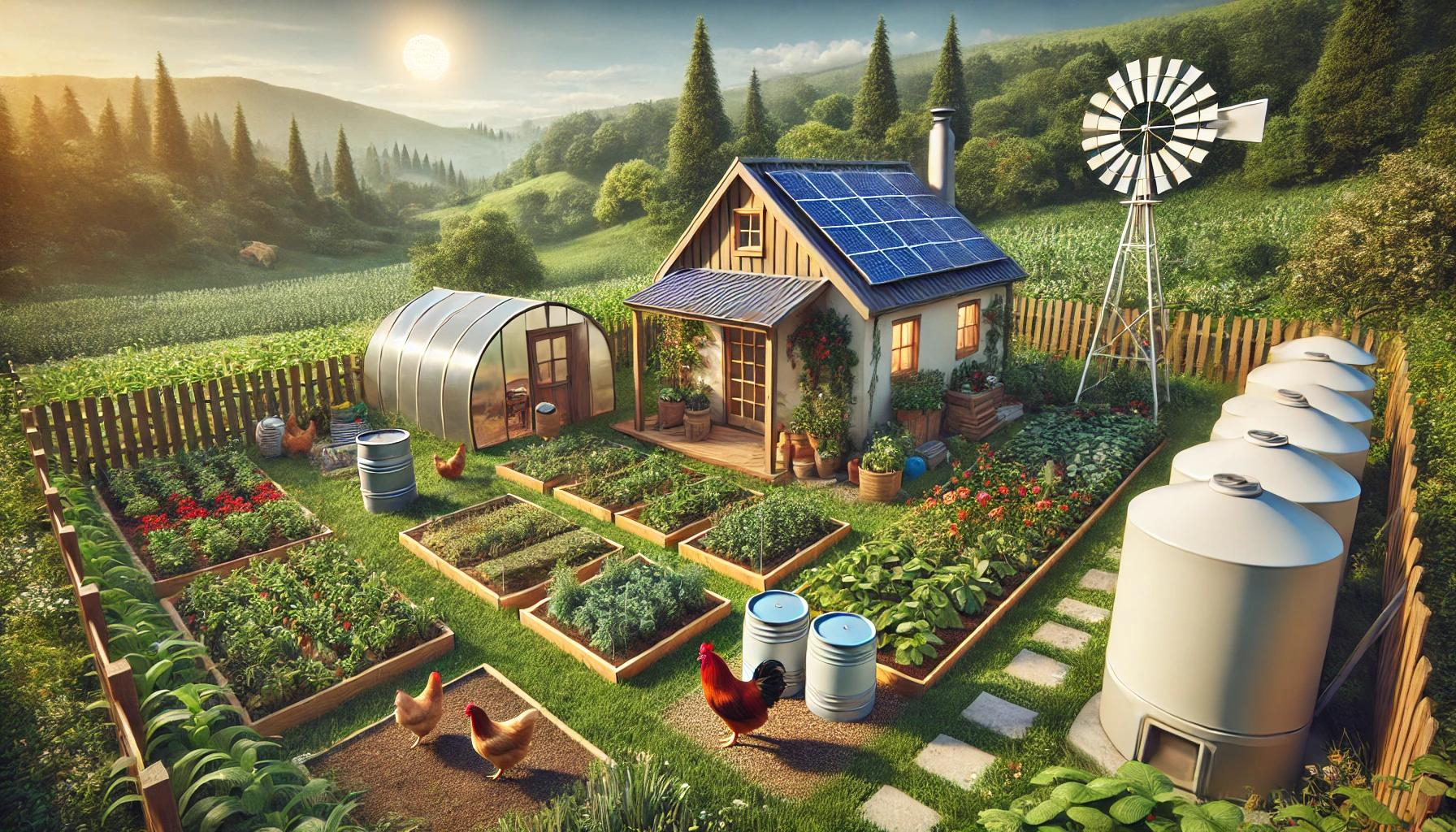
It’s not just about the build, though. It’s about the lifestyle. Living smaller encourages you to own less. To consume less. It’s a shift in mindset that aligns with sustainable values. For many, this is the biggest draw. It’s a way to live lightly on the earth without sacrificing comfort. You get a modern, efficient home that respects the environment. It’s a win-win. And in 2026, that matters more than ever.
So, what do people actually do with these things? The uses are endless. One common scenario is multigenerational living. Aging parents can have their own private space close by, maintaining independence while staying connected to family. It’s a solution that preserves dignity and strengthens bonds. No more awkward hallway encounters. Everyone has their own door.
Then there’s the rental market. With housing demand so high, backyard rentals are booming. You can create a steady income stream by renting out your ADU. It helps pay the mortgage, fund vacations, or save for retirement. It’s practical finance. Others use them as dedicated workspaces. With remote work still prevalent, having a separate office away from the main house boosts productivity. No more working from the kitchen table.
Some folks just want a retreat. A place to paint, write, or relax. A backyard studio offers that mental separation. It’s a sanctuary. I’ve seen people turn them into art studios, music rooms, and even small gyms. The versatility is the key. It adapts to your life. As your needs change, the space can too. It’s not just a structure; it’s a tool for living better. And that’s pretty powerful.
In the end, prefab tiny homes aren’t just a trend. They are a response to the realities of 2026. High costs, slow construction, and a desire for sustainability have converged to make these units the smart choice. They offer speed, affordability, and flexibility that traditional building methods simply can’t compete with. Whether you need extra income, family space, or a quiet corner to breathe, the solution might already be waiting in a factory near you.
Don’t let the size fool you. These homes pack a punch. They are well-built, legally sound (if you do your homework), and beautifully designed. They represent a shift toward smarter, more intentional living. So, if you’ve been staring at your backyard wondering what to do with it, maybe it’s time to think small. Really small. You might just find that the best addition to your home is the one that doesn’t feel like an addition at all. It feels like freedom.