Ever stare at your electric bill and feel a pang of confusion? You know you didn’t leave every light on. You swear the thermostat was set right. Yet, the number at the bottom keeps climbing. It feels like your house is hiding something from you. For decades, that mystery was just part of homeownership. We paid the bill, shrugged, and moved on. But what if you could actually see what was happening behind the walls? Not just the total usage, but the specific hum of the fridge, the spike when the dryer kicks in, or the phantom draw of an old gaming console left on standby.
That’s where the electric panel stops being a scary metal box and starts becoming a window into your home’s life. By using tools like the Sense energy monitor, we can translate the chaotic electrical noise in our panels into a clear, readable story. It’s not just about saving a few bucks, though that’s nice. It’s about awareness. It’s about knowing your home. In 2026, with energy costs fluctuating and smart homes becoming standard, understanding this data isn’t just for tech geeks. It’s for anyone who wants to take control. Let’s pull back the cover plate and see what’s really going on.
The Black Box Revealed
Your electrical panel is usually tucked away in a garage, basement, or closet. It’s loud, it’s ugly, and most of us try to ignore it. But inside, it’s the central nervous system of your house. Every wire that powers your lights, outlets, and appliances feeds back into those breakers. Traditionally, this was a one-way street. Power came in, you used it, and the meter spun. You had no idea how you used it until the bill arrived weeks later. That lag time is the enemy of efficiency. By the time you see the problem, the money is already gone.
Enter the Sense monitor. It’s a small device, often orange or white depending on the model year, that clips directly onto the main lines inside your panel. Think of it as a stethoscope for your home’s electricity. It doesn’t just measure the total flow; it listens to the unique electrical signatures of your devices. Every motor, every heating element, and every circuit board creates a tiny, distinct ripple in the current. Sense captures these ripples thousands of times per second. It’s wild to think about, but your toaster has a fingerprint. Your HVAC system has a voice. The monitor hears them all.
This technology has matured significantly by 2026. Early versions struggled to identify smaller devices or got confused by similar loads. Now, the algorithms are sharper. They use machine learning to distinguish between a hair dryer and a space heater, even if they draw similar wattage. The "brains" of the operation, as Sense calls it, process this data locally before sending summaries to your phone. This means you get real-time insights without waiting for a monthly report. You open the app and see exactly what’s drawing power right now. It turns the abstract concept of "electricity" into something tangible and manageable.
Installation and Safety First
Let’s be clear: opening your electric panel is serious business. We’re talking about high-voltage lines that can kill you if you’re not careful. If you’re not comfortable working with electricity, stop reading and call a licensed electrician. There’s no shame in that. In fact, it’s the smartest move you can make. However, for the DIY-curious, understanding the process helps demystify the tech. The installation itself is surprisingly straightforward once you’re inside the panel. The goal is to find two empty slots next to your main breaker where the Sense unit can sit snugly.
The first step is always safety. You need to turn off the main breaker to cut power to the entire house. Yes, that means your Wi-Fi goes down, the fridge stops humming, and the lights go out. It’s a good time to have a flashlight handy. Once the power is off, you remove the panel cover. Inside, you’ll see a jungle of wires. Don’t panic. You’re looking for the two thick black cables coming from the main breaker. These are your hot legs. The Sense kit comes with flexible current sensors (CTs) that clamp around these wires. They don’t touch the metal directly; they just sense the magnetic field created by the flowing current.
After clamping the sensors, you mount the Sense unit itself using the provided bracket. It needs to be close to the wires but not touching any live components. Then, you connect the power tap wires to two adjacent breakers to give the monitor its own power source. Here’s a pro tip: label everything before you start. Take a photo of the panel before you touch anything. It saves a lot of headache later. Once everything is wired, you put the cover back on, turn the main breaker back on, and fire up the app. The app walks you through the final calibration. It might take a few days for the system to learn your home’s patterns, but the initial setup is done in under an hour. Just remember, if you see sparks or smell burning, turn it off immediately and call a pro.
Reading the Real-Time Stream
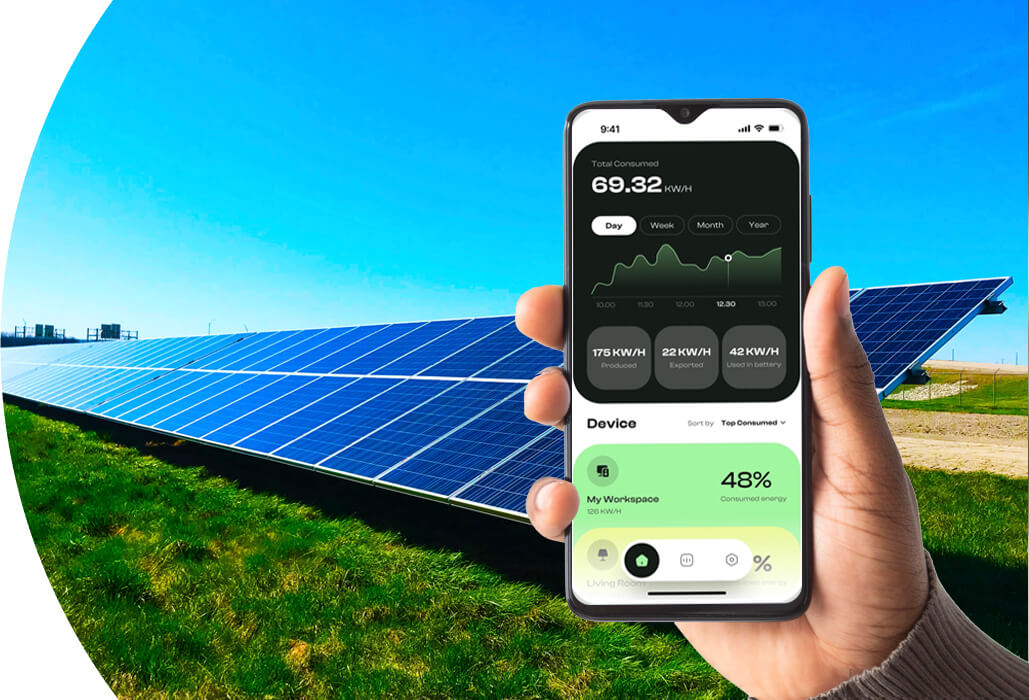
Once your Sense monitor is live, the app becomes your dashboard. The first thing you’ll notice is the real-time power graph. It’s a jagged line that jumps up and down as devices turn on and off. At first, it looks like noise. But watch it for a minute. See that big spike? That’s probably your AC compressor kicking in. See the steady baseline? That’s your fridge and maybe some standby electronics. Learning to read this stream is like learning a new language. You start to recognize the rhythm of your home.
The app breaks this data down into "Always On," "Detected Devices," and "Other." Always On is the stuff that never sleeps. In many homes, this can account for 10-20% of your bill. It’s the vampire load. Maybe it’s an old cable box, a printer, or a poorly insulated water heater. By identifying these baselines, you can hunt them down. Unplug what you don’t need. Replace what’s inefficient. The detected devices section is where the magic happens. Sense tries to name things like "Washing Machine" or "Microwave." Sometimes it gets it wrong. You might see "Unknown Device 1" drawing 1500 watts. That’s your cue to investigate.
In 2026, the interface is more intuitive than ever. You can set notifications for specific events. Want to know when the kids leave the game room lights on? Set an alert for when that circuit draws power after 9 PM. Worried about your sump pump failing during a storm? Get a notification if it runs for more than an hour straight. These alerts transform passive monitoring into active management. You’re no longer guessing why your bill is high. You know. And knowing is half the battle. The key is to check the app regularly, especially in the first few weeks. The more you interact with the data, the better the system learns, and the more accurate those device labels become.
Identifying the Energy Hogs
We all have them. Those appliances that guzzle electricity like it’s going out of style. In the past, we only suspected them. Now, we have proof. The Sense data allows you to rank your devices by usage. You might be surprised to find that your old second fridge in the garage is costing you more than your TV. Or that your electric water heater is running constantly because the thermostat is set too high. These are the "energy hogs." Identifying them is the fastest way to lower your bill without changing your lifestyle drastically.
Let’s look at a common example: the HVAC system. It’s usually the biggest consumer in a home. With Sense, you can see exactly how long your AC runs each cycle. If it’s running for 20 minutes to cool the house down, but only stays off for 5 minutes before kicking back on, you’ve got a problem. Maybe your filters are dirty. Maybe your insulation is poor. The data points you toward the fix. Another frequent culprit is the electric dryer. You might see it drawing 3000-5000 watts. If you switch to air-drying clothes just twice a week, the savings add up quickly. The visual impact of seeing that huge bar on the graph makes you think twice before hitting "start."
But it’s not just about big appliances. Small things add up. A space heater left on in a spare bedroom. A dehumidifier running in a damp basement. A pool pump that’s scheduled wrong. Sense highlights these inefficiencies. In recent reviews, users reported cutting their bills by 10-20% simply by adjusting habits based on this visibility. It’s not about deprivation. It’s about optimization. You might decide it’s worth paying to run the AC because it’s hot. But you’ll definitely want to unplug that old mini-fridge that’s costing $15 a month to store soda. The data gives you the agency to make those choices consciously.
Beyond Savings: Safety and Maintenance
While saving money is the primary hook for most people, there’s a deeper benefit to monitoring your panel: safety. Electrical issues are a leading cause of home fires. Many of these start with subtle problems that go unnoticed until it’s too late. A loose connection, a failing motor, or an overloaded circuit can create heat and arcing. Sense can detect some of these anomalies. For instance, if a device starts drawing erratic power or if there’s a constant low-level draw that shouldn’t be there, it could indicate a fault.
Consider the case of a failing well pump or sump pump. These motors often show signs of stress before they die completely. They might draw more amps than usual or struggle to start. With Sense, you can spot this trend. Instead of waking up to a flooded basement, you get a heads-up that the pump is working harder than normal. You can call a technician to fix it before it fails. Similarly, if you see a circuit breaker tripping repeatedly in the data (shown as sudden drops to zero), it might mean that circuit is overloaded. You can redistribute your loads before you cause damage to your wiring.
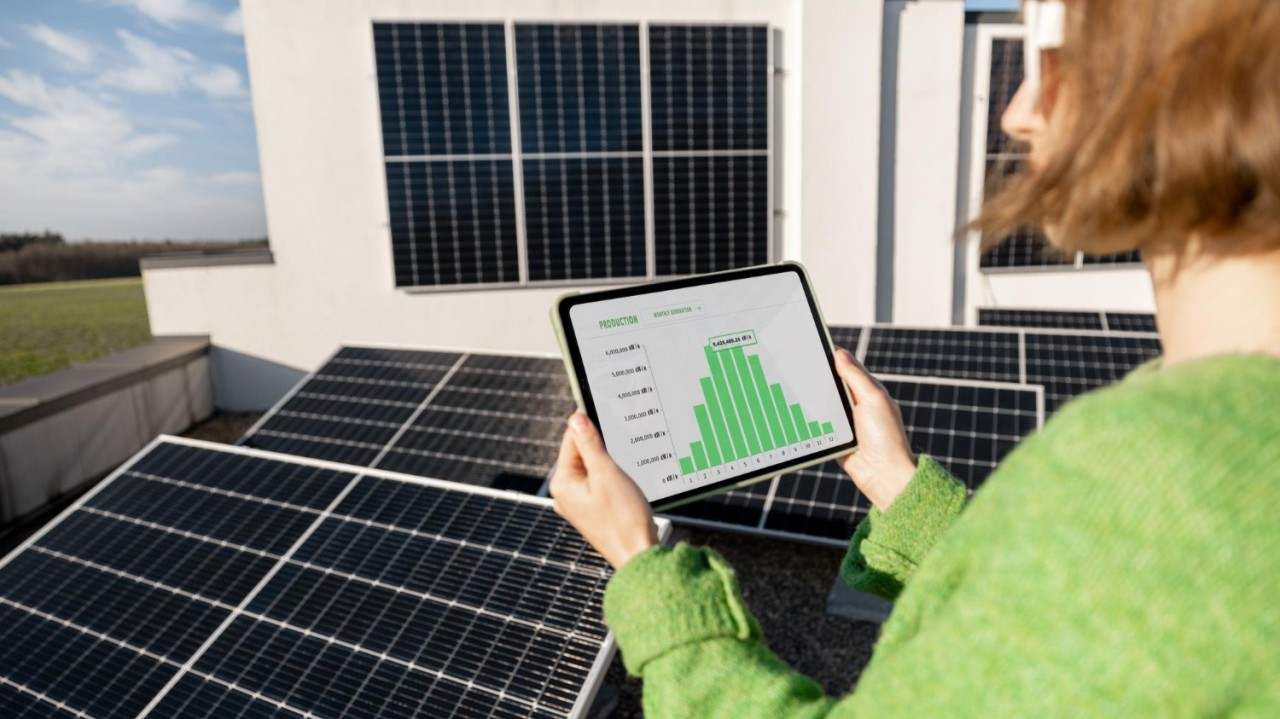
For homeowners with solar panels, the value is even higher. In 2026, solar adoption is widespread. But many basic solar monitors only update every 15 minutes. Sense provides second-by-second data. This lets you see exactly how much solar power you’re producing versus how much you’re consuming in real time. You can adjust your usage to match production. Run the dishwasher when the sun is shining. Charge the EV during peak solar hours. This maximizes your self-consumption and reduces reliance on the grid. It turns your home into a smart energy ecosystem, balancing production and consumption dynamically.
Making Sense of the Long Term
Data is only useful if you act on it. But staring at real-time graphs every day gets tiring. The real power of Sense lies in the long-term trends. The app aggregates your daily, weekly, and monthly usage. You can compare this month to last month. You can compare this summer to last summer. Did your bill go up because rates increased, or because you used more? The data tells you. This historical context is invaluable for budgeting. You can predict your winter heating costs based on last year’s patterns, adjusted for any changes you’ve made.
Another aspect is the "health" of your home’s electrical system. Over time, you build a baseline of normal behavior. When something deviates from that norm, it stands out. Maybe your fridge starts cycling more frequently. That could mean the seals are wearing out. Maybe your water heater takes longer to recover. That could mean sediment buildup. These are maintenance clues hidden in the energy data. By treating your electric panel as a diagnostic tool, you extend the life of your appliances. You catch small problems before they become expensive repairs.
It’s also worth noting that this technology is evolving. As of 2026, integration with other smart home systems is seamless. You can link Sense to your smart thermostat or smart plugs. Imagine your thermostat automatically adjusting when it sees your AC struggling, or your smart plugs turning off idle devices when you leave the house. The data from the panel becomes the trigger for automation. This creates a home that doesn’t just react to you, but anticipates your needs. It’s a shift from manual control to intelligent management. And it all starts with understanding that little orange box in your panel.
At the end of the day, your electric panel is more than a distribution point. It’s a storyteller. It holds the narrative of your daily life, written in volts and amps. For years, that story was locked away, inaccessible and confusing. Tools like Sense have unlocked it. They’ve given us the ability to listen to our homes. To understand their rhythms, their quirks, and their needs. This isn’t just about technology. It’s about connection. It’s about feeling more in control of your environment.
You don’t need to be an engineer to benefit from this. You just need to be curious. Start by installing the monitor. Spend a week watching the data. Identify one energy hog and address it. Set one notification. Small steps lead to big changes. Over time, you’ll develop an intuition for your home’s energy use. You’ll know when something is wrong before it breaks. You’ll know how to save money without sacrificing comfort. And you’ll look at that metal box in the garage with a new sense of respect. It’s not just a panel. It’s the pulse of your home. And now, finally, you can hear it beating.